
Airframer news
05/02/2026
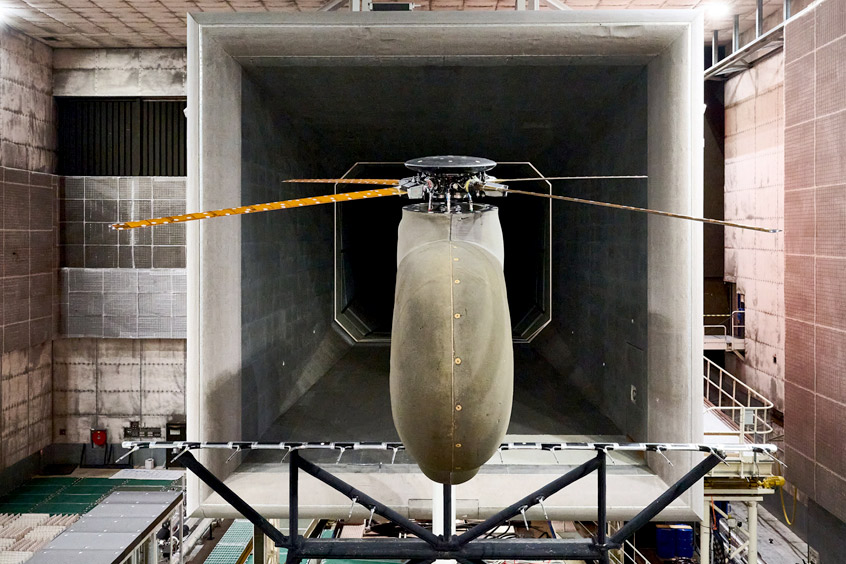
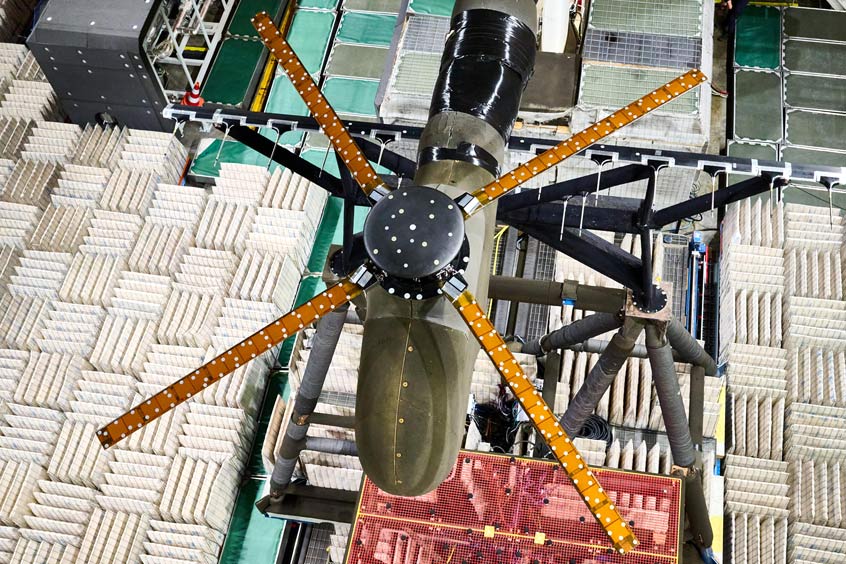

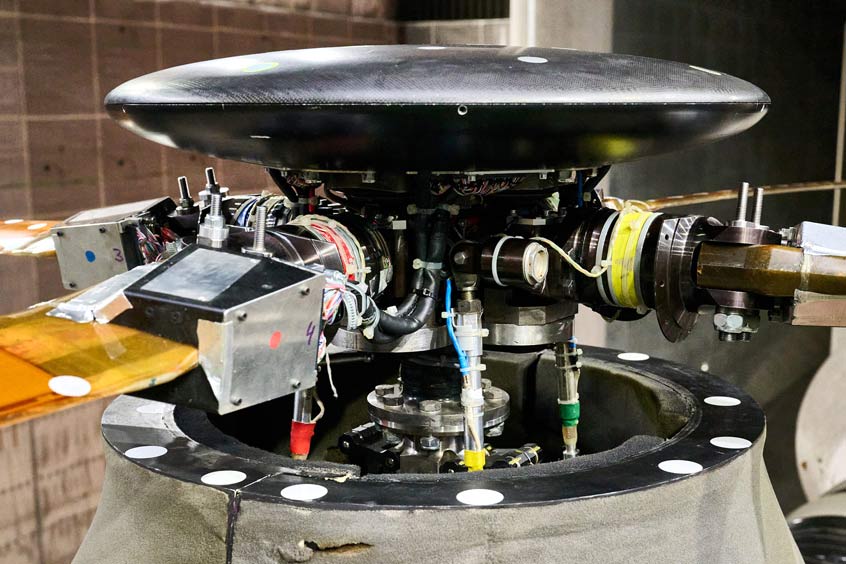
Wind tunnel trials under the STAR project showed measurable noise and vibration reductions while improving rotor efficiency under high-load conditions.
As part of the Smart Twisting Active Rotor (STAR) project, the German Aerospace Center is working with international partners to reduce helicopter noise and vibration by improving rotor blade performance. The work targets high power demand and vibration experienced during hovering manoeuvring and high-speed flight through rotor blades that adapt statically and dynamically to aerodynamic conditions.
Researchers from DLR’s Institute of Flight Systems and Institute of Lightweight Systems are developing rotor blades that actively twist using piezoceramic actuators integrated into the blade surface. Electrical voltage enables both static twisting using direct current and dynamic twisting using alternating current without mechanical components.
“The special thing about this approach is that the active twisting of a rotor blade requires no mechanical components and is only minimally affected by the centrifugal forces acting on the rotor blades,” says Berend Gerdes van der Wall project manager at the Institute of Flight Systems.
A four-bladed active twist rotor with a diameter of four metres was tested for the first time worldwide in the large low-speed wind tunnel at German-Dutch Wind Tunnels in the Netherlands.
The three-week measurement campaign took place at the end of 2025 under DLR’s leadership with partners including NASA, the United States Army, ONERA, DNW, JAXA, Korea Aerospace Research Institute and Konkuk University.
The tests measured noise reductions of up to seven decibels during landing descent and vibration reductions of more than half while rotor efficiency increased under high load. Additional data collected will support validation of computational models and application across conventional helicopters high-speed configurations and urban air mobility concepts.
The week’s aerospace manufacturing news, reported by our editors and delivered free to your inbox. Sign up ›
Subscribers see the confirmed supply chain behind every story — complete supplier lists for each aircraft program, sector and company. See the plans ›
Corrections go straight to the editorial team that maintains this directory.