
Airframer news
17/09/2026
Structural testing and cockpit system integration have progressed alongside manufacturing work, with more than 70 per cent of parts for first assembly already on hand.
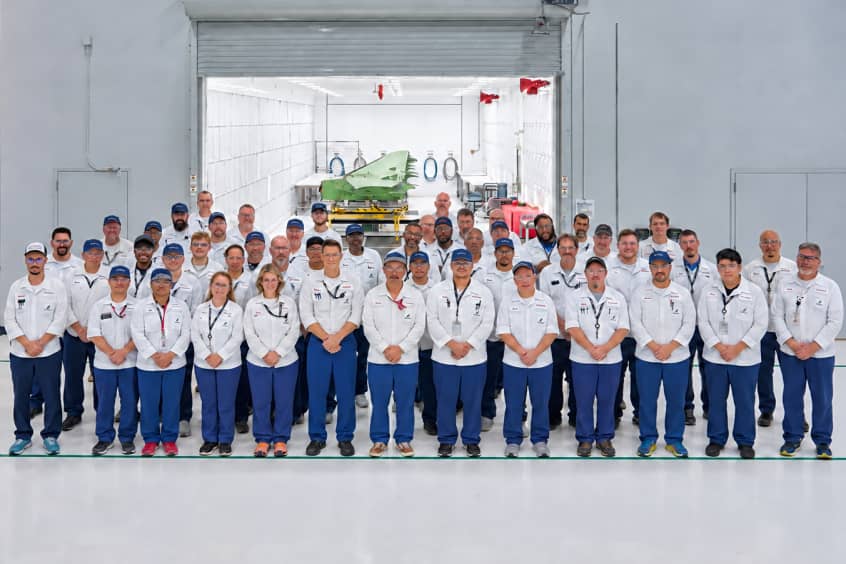
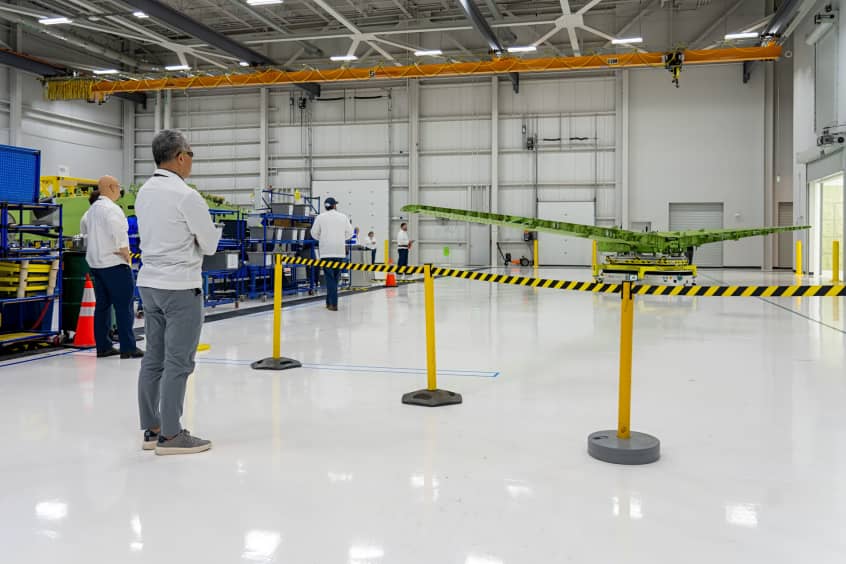
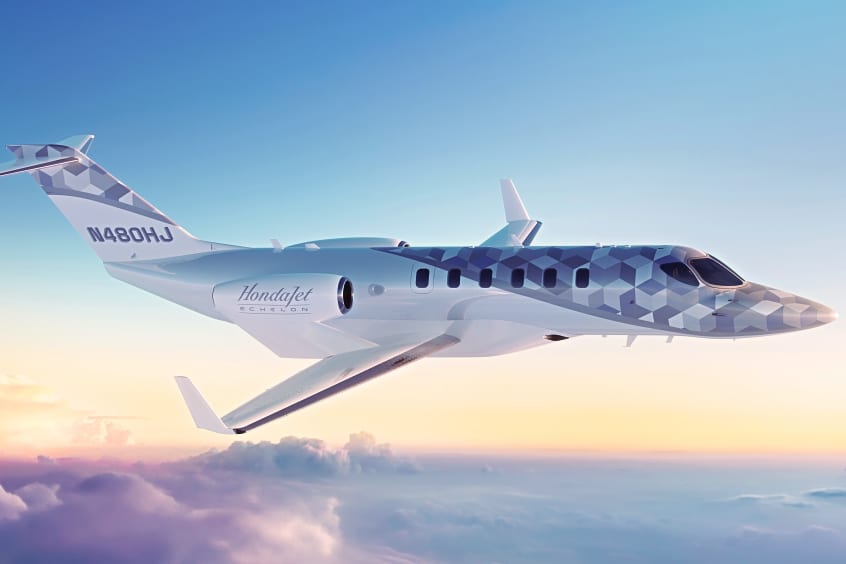
Honda Aircraft Company has completed the first wing structure for the HondaJet Echelon test aircraft, advancing the light jet programme towards final assembly.
The Echelon will offer a larger cabin and greater passenger capacity than the existing HA-420 and is designed to become the first single-pilot certified light jet capable of US transcontinental range.
First flight is targeted for 2028, with type certification and first delivery planned for 2031. The revised timetable reflects tier-one supplier-related schedule adjustments alongside ongoing development work.
Structural testing has advanced with key component tests complete, while system integration continues through Honda Aircraft's Integrated Test Facility. A fully operational cockpit test environment is supporting active integration work and a second cockpit is being commissioned to evaluate aircraft systems ahead of the test aircraft's first flight. Manufacturing has also accelerated: more than 70 per cent of parts required for first assembly are on hand and more than 88,400 sq ft has been provisioned for Echelon production.
“The HondaJet Echelon continues to take shape through the dedication and expertise of our associates and numerous OEM supplier partners,” says Amod Kelkar, senior vice president, chief commercial officer and HondaJet Echelon programme leader at Honda Aircraft Company. “Completion of the first wing assembly represents an important achievement as we continue advancing testing, systems integration and equipment qualification activity across the programme. In spite of some schedule challenges, with steady progress towards final assembly, we are committed to delivering an aircraft that will redefine light jet performance, efficiency and capability.”
The Echelon is planned to incorporate Honda Aircraft's Over the Wing Engine Mount, a composite fuselage and advanced avionics, along with Auto Throttle, Emergency Autoland, Autobrake, Runway Overrun Awareness and Alerting System (ROAAS) and Advanced Steering Augmentation System (ASAS).
“With more than 530 signed letters of intent, enthusiasm from customers around the world remains exceptionally strong,” adds Kelkar. “That confidence reflects the unique value customers see in the aircraft's planned combination of range, comfort and single-pilot capability.”
The aircraft is powered by two Williams International FJ44-4C engines and is configured for one crew plus ten passengers or two crew plus nine passengers. Target NBAA IFR range with one crew and four passengers is 2,625 nm, with a maximum cruise speed of 450 KTAS and a maximum cruise altitude of FL470.
Where we hold a LinkedIn profile it’s marked — the links come with a subscription.
The week’s aerospace manufacturing news, reported by our editors and delivered free to your inbox. Sign up ›
Subscribers see the confirmed supply chain behind every story — complete supplier lists for each aircraft program, sector and company. See the plans ›
Corrections go straight to the editorial team that maintains this directory.