
Airframer news
18/01/2024
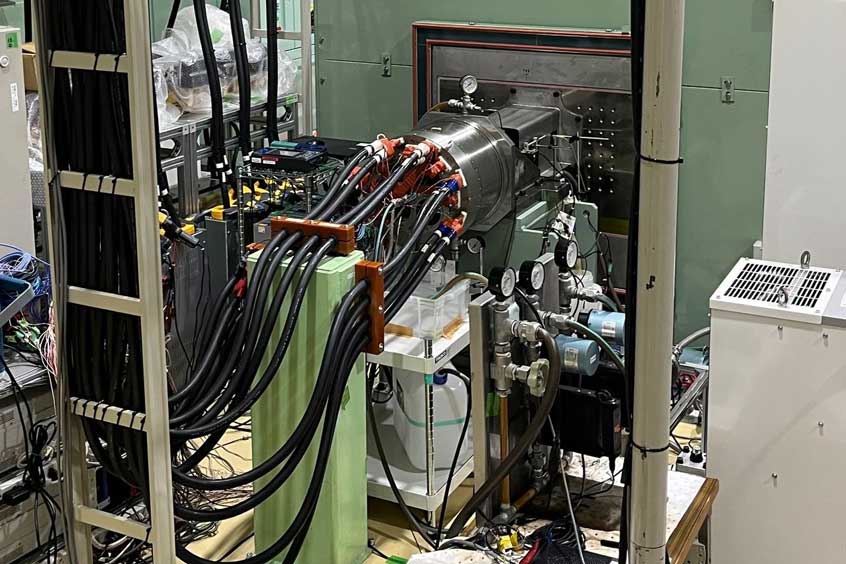
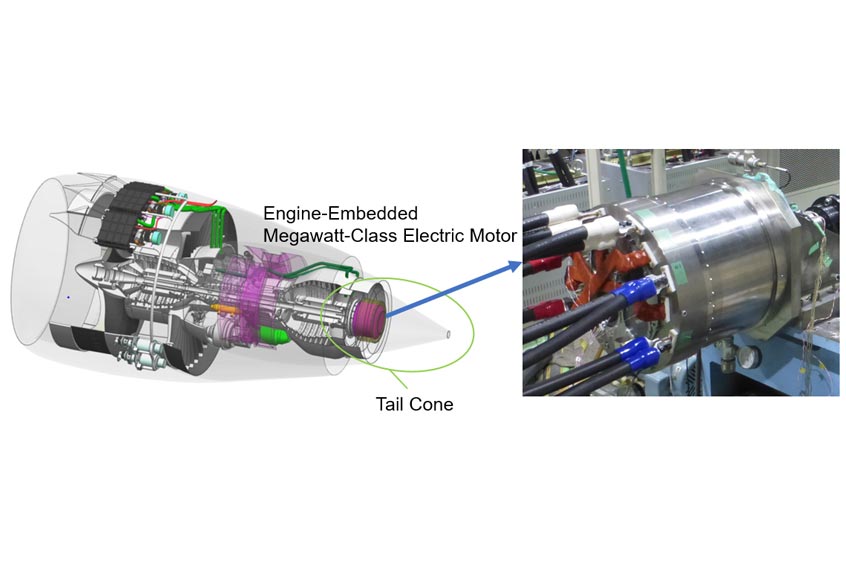
By combining a high-power electric motor for aircraft propulsion, an electric turbo compressor, a high-flux plastic magnet rotor and an electric hydrogen turbo-blower, IHI will electrify and optimise propulsion systems.
IHI Corporation and several domestic partners have jointly developed the world’s first one-megawatt-class electric motor mounted inside a jet engine tail cone. This achievement is one fruit of the company’s More Electric Architecture for Aircraft and Propulsion (MEAAP) project. This technological innovation initiative aims to optimise the overall energy management of aircraft systems, including engines, to help cut their carbon dioxide emissions.
IHI developed this motor as part of R&D into advanced electric propulsion systems and electric hybrid systems under the Research and Development of Advanced Aircraft Systems for Practical Application Project of Japan’s New Energy and Industrial Technology Development Organization.
The MEAAP project seeks not just to electrify aircraft but also to significantly enhance fuel efficiency by optimizing aircraft systems, including engines, to reuse cabin air, which current designs discharge outside aircraft without using effectively, to cool electrical equipment. This would eliminate the need for complex conventional hydraulic, pneumatic, and other systems, thus boosting design freedom and maintainability while reducing weight. IHI is collaborating with domestic and overseas partners in various R&D efforts to achieve its MEAAP goals.
IHI’s new engine-embedded electric motor could provide power for aircraft and also serve as a key technology in hybrid electric propulsion systems for which R&D is under way around the world.
In March 2020, IHI developed a 250-kilowatt-class engine-embedded electric motor offering the largest generator capacity for currently operating passenger aircraft. At the time, it developed a high-density molded coil technology with a 300°C heat-resistant insulation coating. It has additionally developed an exhaust heat system technology that taps thermal, fluid, and structural technologies that the company cultivated in jet engine R&D. It has augmented these advances to improve efficiency by overhauling the power generation mechanism to create an electric motor that can deliver more than one megawatt of power. The motor offers output scalability as required.
For its new motor, IHI conducted assessments at the Evaluation Laboratory for Next Generation Motors of the Akita University Joint Research Center for Electric Architecture. This is the largest such facility in Japan. This work confirmed that the company could attain the anticipated revolutions per minute when connecting the engine shaft directly to the inside of the tail cone.
IHI says it will keep developing hybrid electric propulsion systems to electrify aircraft, and looks to demonstrate an engine-embedded electric motor during the middle of this decade. By combining a high-power electric motor for aircraft propulsion, an electric turbo compressor, a high-flux plastic magnet rotor, and an electric hydrogen turbo-blower, which are also under development, IHI will electrify and optimize a range of propulsion systems, including hybrid electric propulsion systems for the future, and aircraft systems overall.
The week’s aerospace manufacturing news, reported by our editors and delivered free to your inbox. Sign up ›
Subscribers see the confirmed supply chain behind every story — complete supplier lists for each aircraft program, sector and company. See the plans ›
Corrections go straight to the editorial team that maintains this directory.