
Every Bulletin story and press release covering Airbus Helicopters, newest first.
35 items
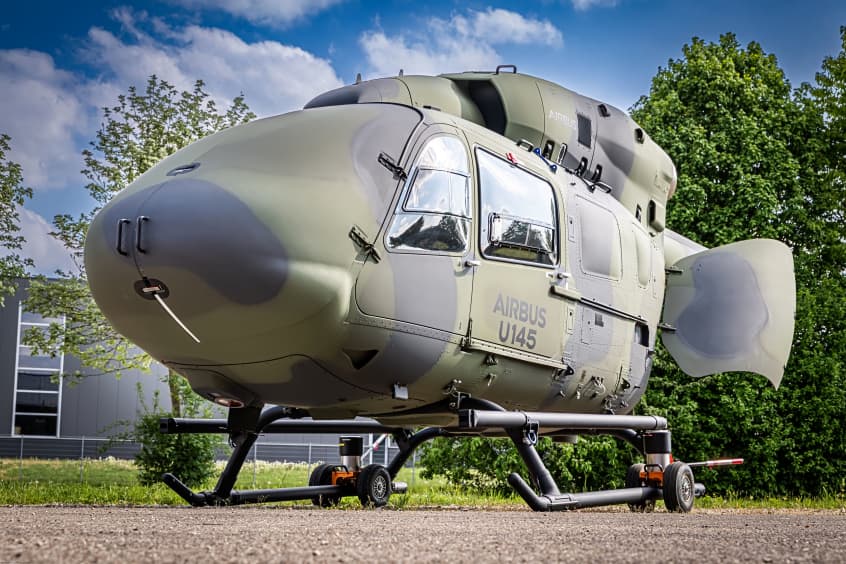
The uncrewed platform combines a proven helicopter design with autonomous technology and has its first flight planned later this year.
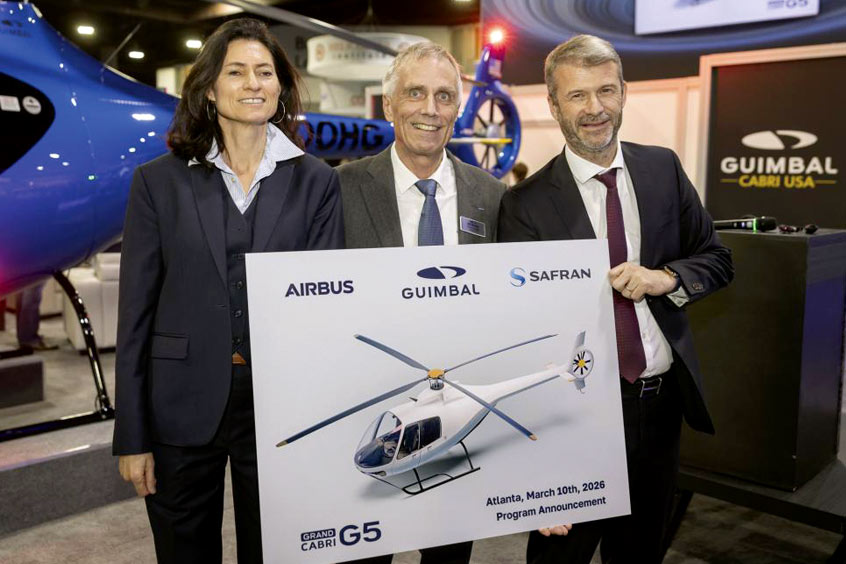
The five-seat helicopter was revealed at Verticon 2026 and will use Safran’s Arrius 2D engine to bridge the gap between piston trainers and larger turbine aircraft.
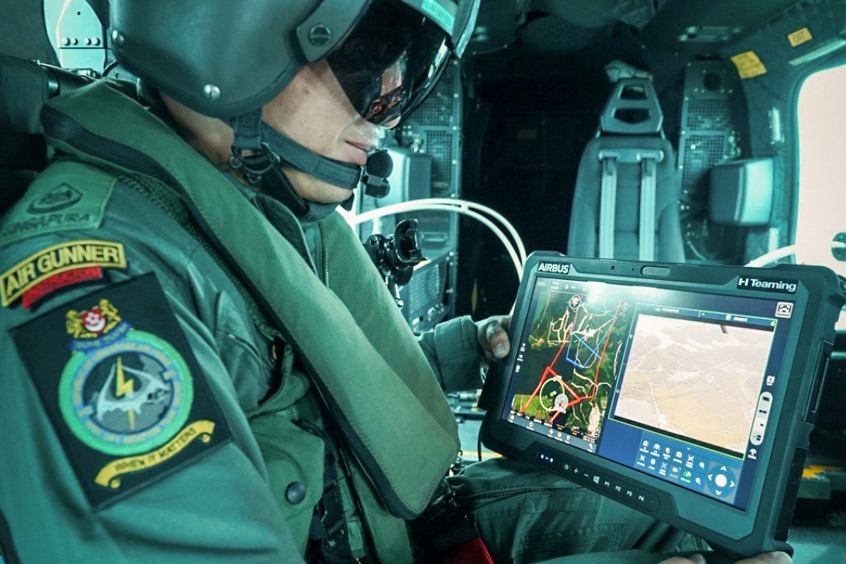
January trials demonstrated that the helicopter could securely receive and process real-time data from the uncrewed aerial system.
Tata Advanced Systems will establish India’s first private helicopter assembly line in Karnataka to produce Airbus H125 aircraft.
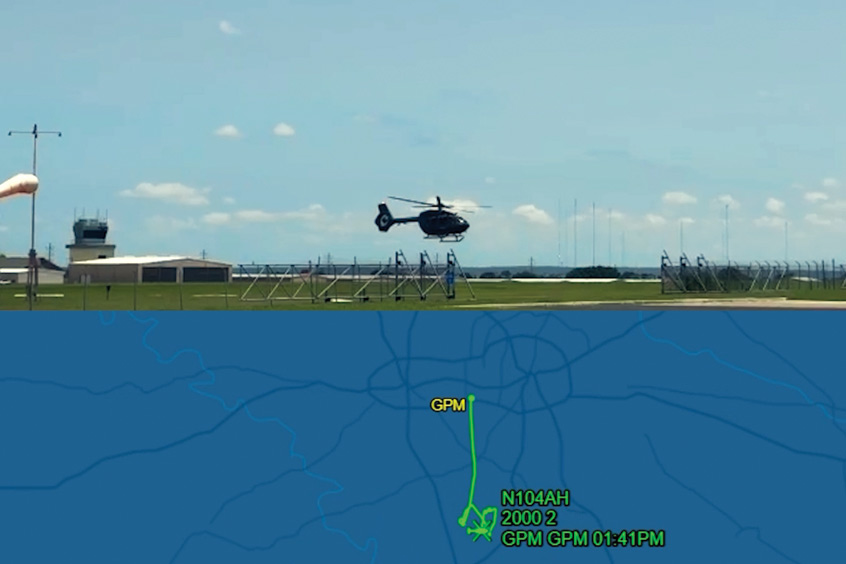
Working with Shield AI’s Hivemind software, Airbus U.S. tested mission autonomy on an H145 in preparation for Marine Corps logistics operations.
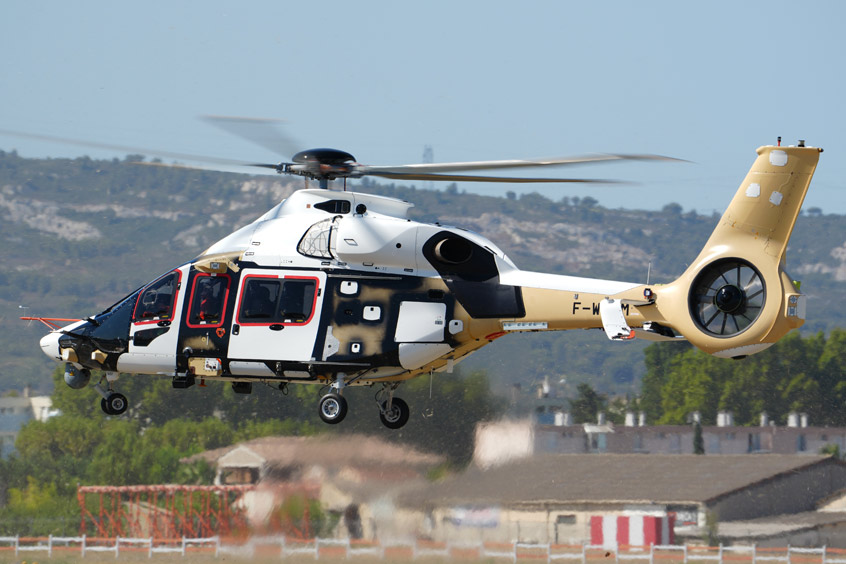
Airbus carried out the maiden test flight using a dedicated crew and began preparations for weapon and environmental trials.
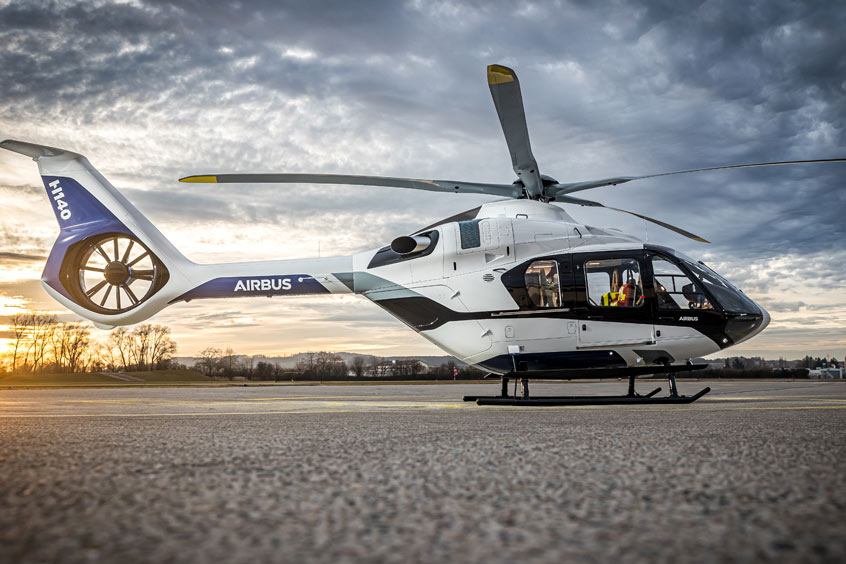
The H140 will feature a Safran Arrius 2E engine, a five-blade rotor system and Helionix avionics for improved performance and efficiency.
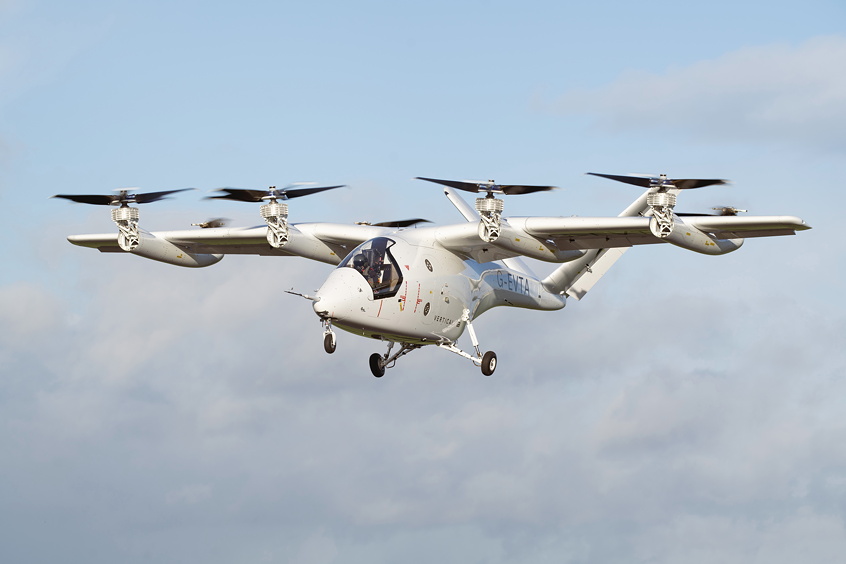
The company has partnered with Monolith to optimise AI-powered testing and has completed its first piloted thrustborne manoeuvres, with wingborne tests next on the agenda.
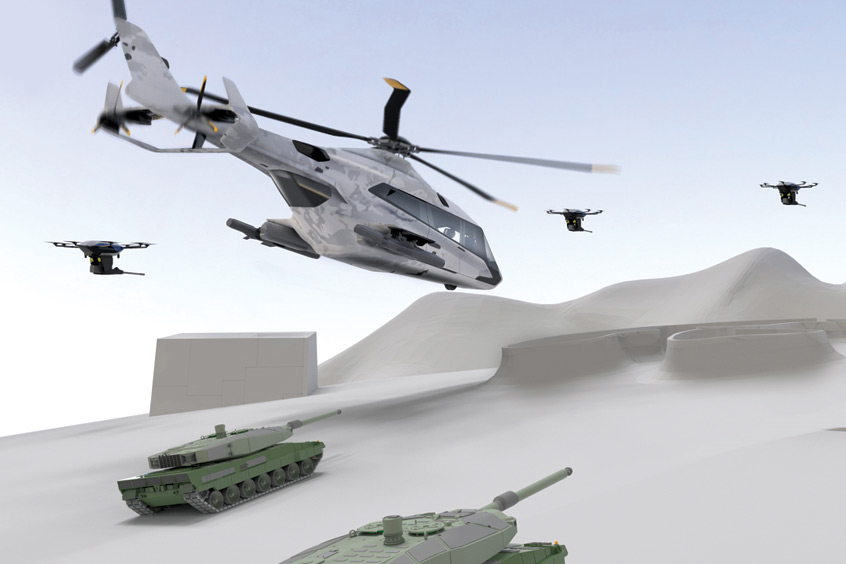
The study will focus on high performance rotorcraft. The concepts will be modular and multi-mission, and fully interoperable with NATO standards, with a high degree of connectivity and resilient communication system.
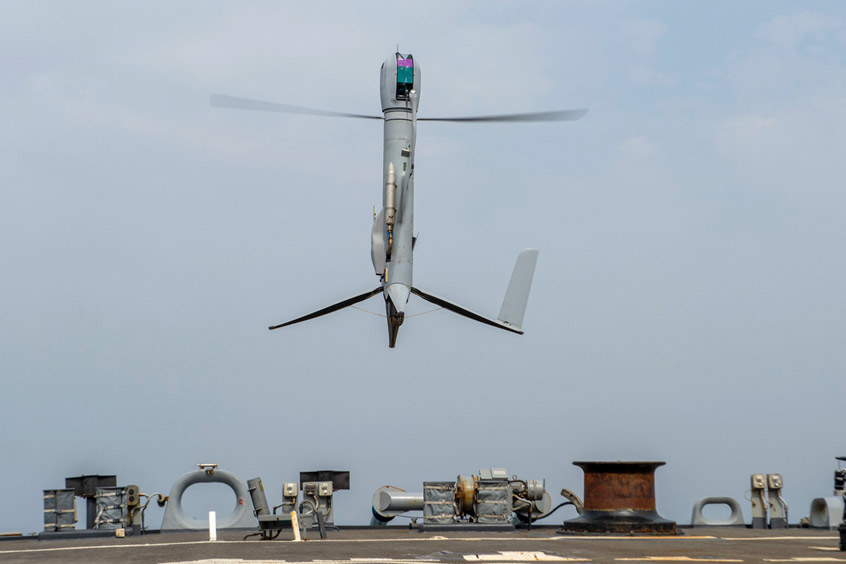
More armed forces and parapublic agencies are investigating how UAS can strengthen their intelligence and surveillance capabilities. The Flexrotor fits into Airbus' strategy to expand its UAS offerings.
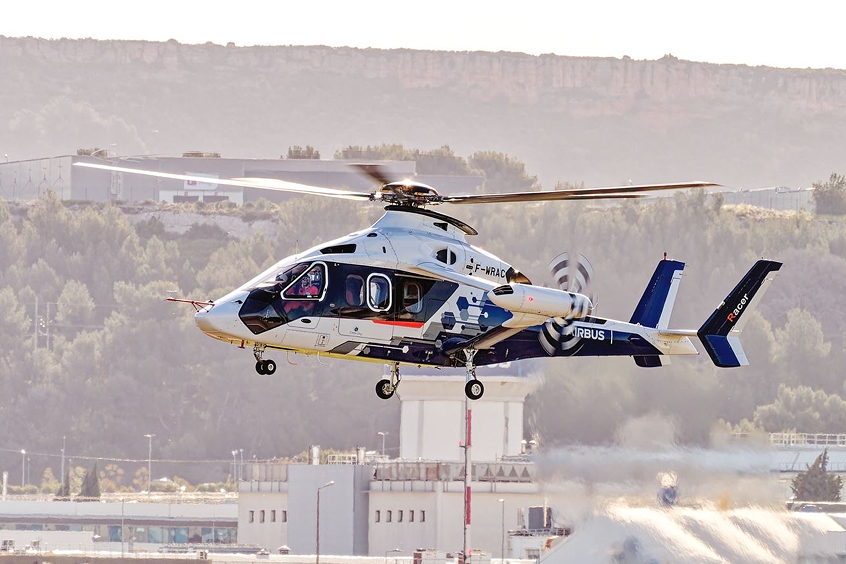
The aircraft flew for about 30 minutes, allowing the flight test team to check its overall behaviour. The Racer builds upon the aerodynamic configuration validated by the Airbus Helicopters X3 technology demonstrator.
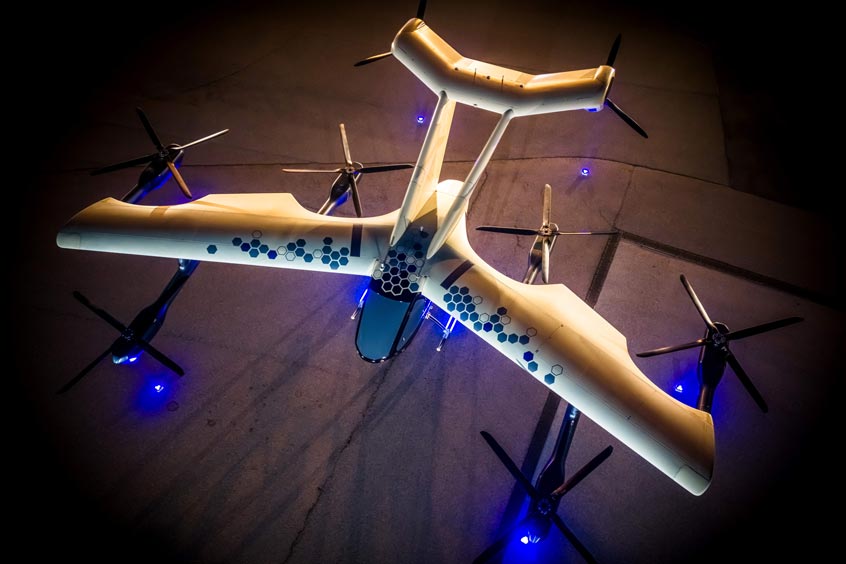
Testing will now cover the electric motors with their eight rotors as well as the aircraft's other systems such as flight controls and avionics.
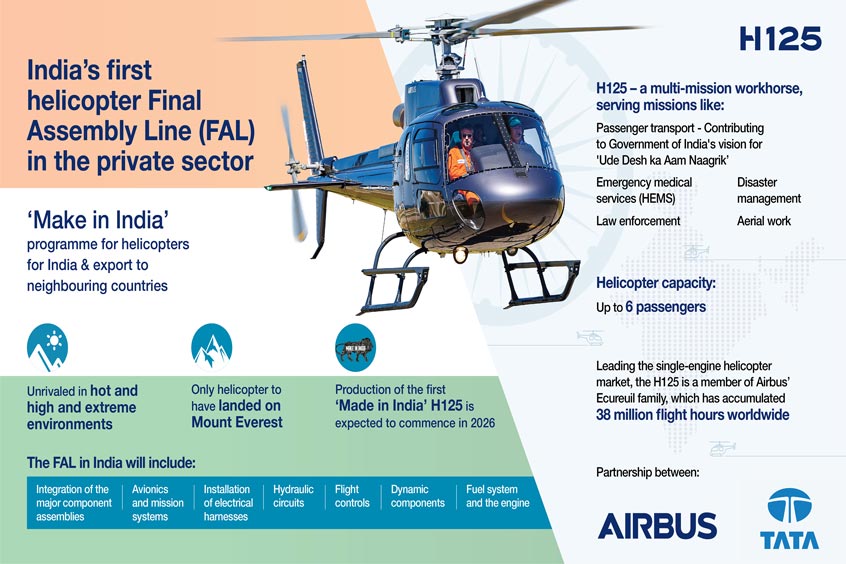
The FAL in India will integrate major component assemblies, avionics and mission systems, install electrical harnesses, hydraulic circuits, flight controls, dynamic components, fuel system and the engine.
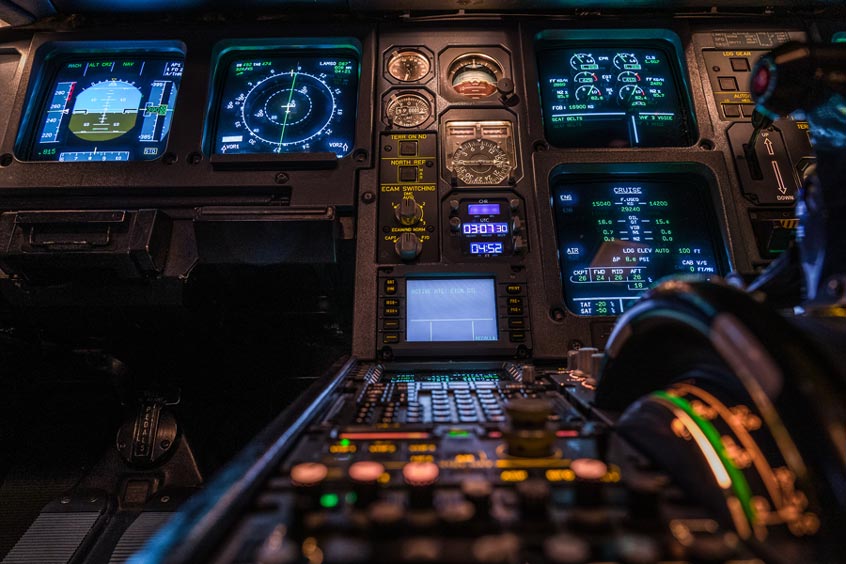
Sopra Steria has been selected, through its Aeroline vertical, to help European aeronautics giant Airbus modernise its engineering methods and tools.
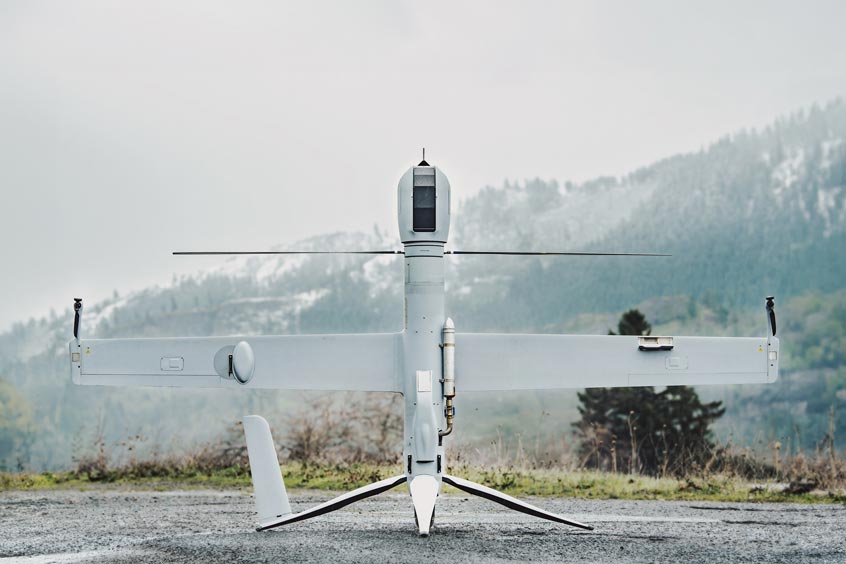
Airbus has seen customer demand for additional mission capabilities such as manned-unmanned teaming, so Aerovel's expertise in autonomous flight technology will be an important step forward in its UAS development.
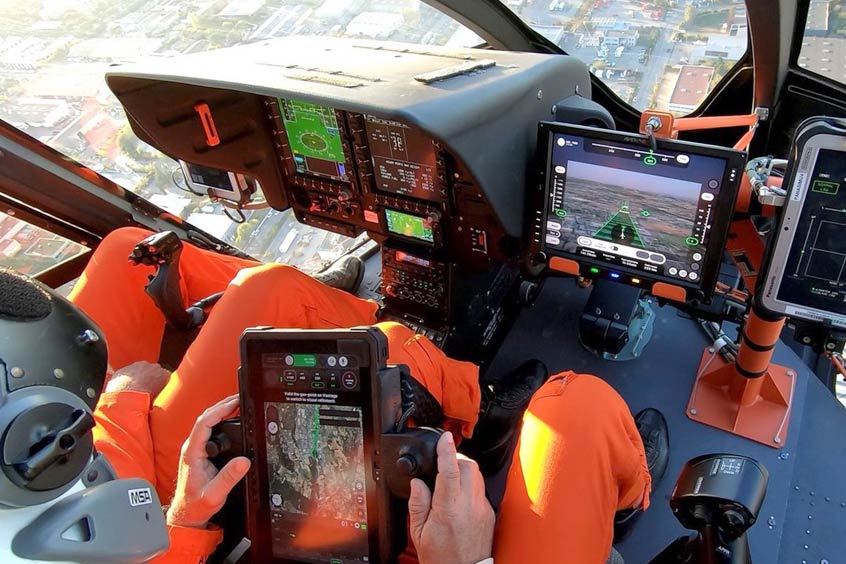
The Airbus Helicopters' FlightLab flew fully automated from lift-off, taxi, takeoff, cruise, approach and then landing during a one hour test flight by following a predefined route.
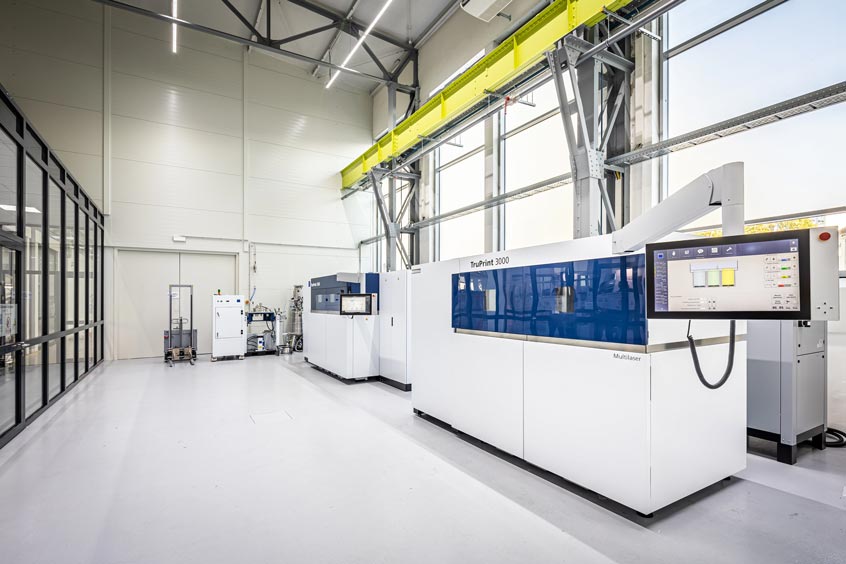
Airbus Helicopters uses 3D printers from TRUMPF to manufacture structural components made of titanium and high-strength aluminum. These will be its rotary products and to the A320 and A350 aircraft amongst others.
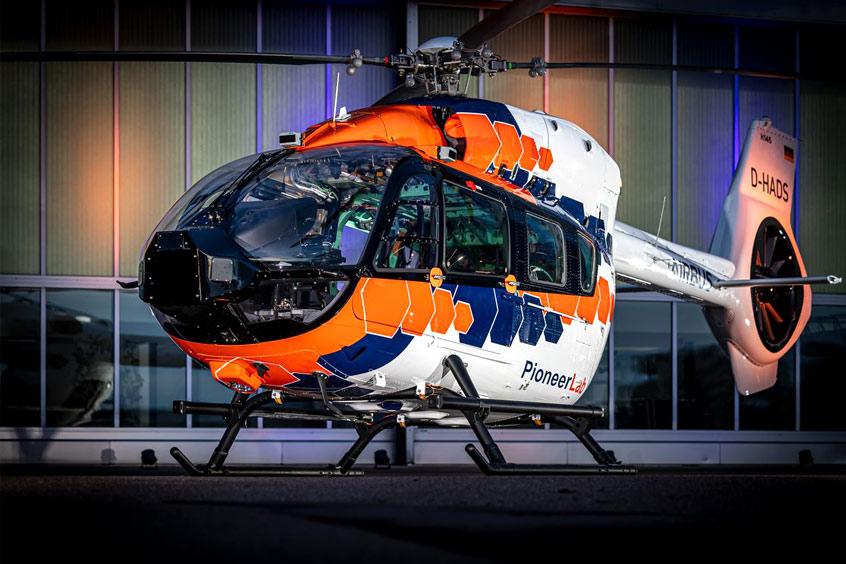
The PioneerLab's flight campaign has already begun at the manufacturer's largest German site in Donauwörth, with a rotor strike alerting system being the first techno-brick tested on board the demonstrator.

This follows the recent launch of the joint development of new KUH variants, such as the Marine Attack Helicopter and Mine Countermeasure Helicopter, and will enable deliveries to begin in 2024.
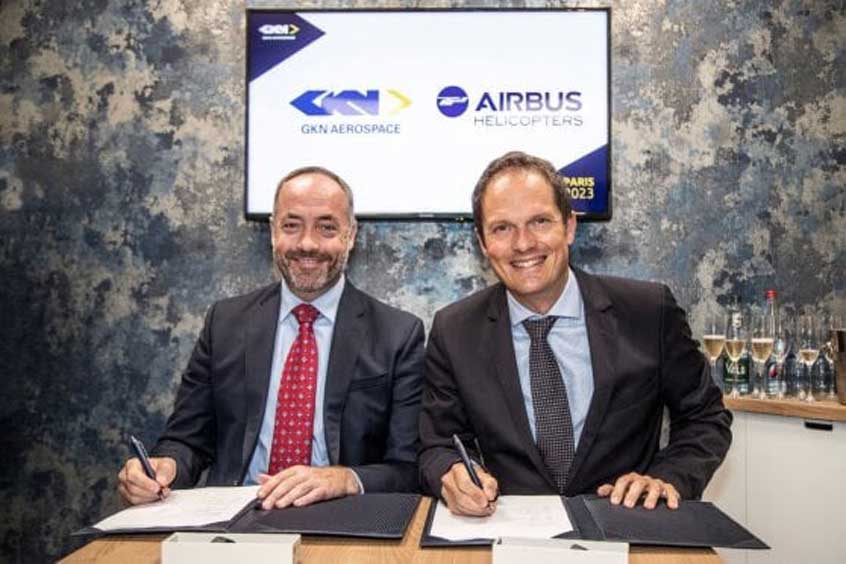
GKN will provide support in engineering, electrical wiring interconnections systems design and manufacturing. It will also lead innovation projects and aerostructures design and manufacturing, with a focus on composites.
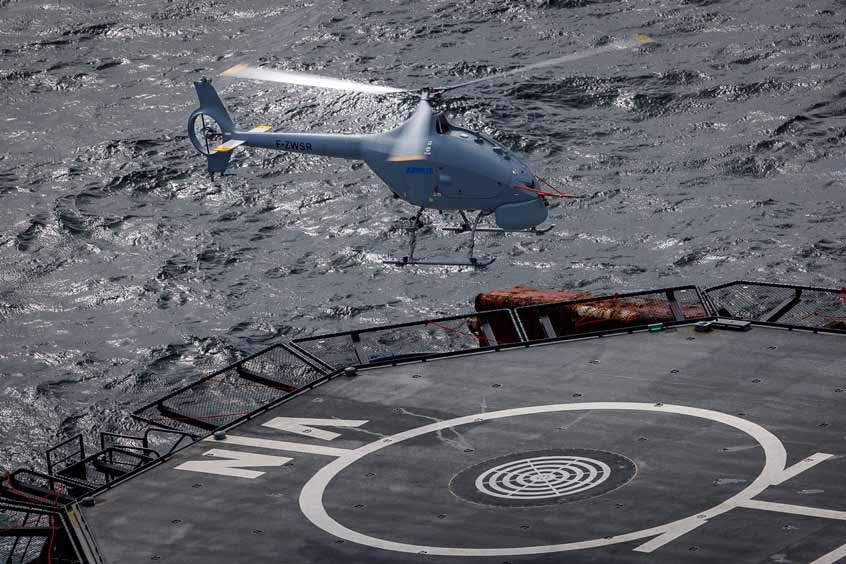
The handling qualities of the aircraft were tested as well as the capabilities of the sensors - a maritime surveillance radar, electro optical sensor, and AIS receiver - alongside the mission system.
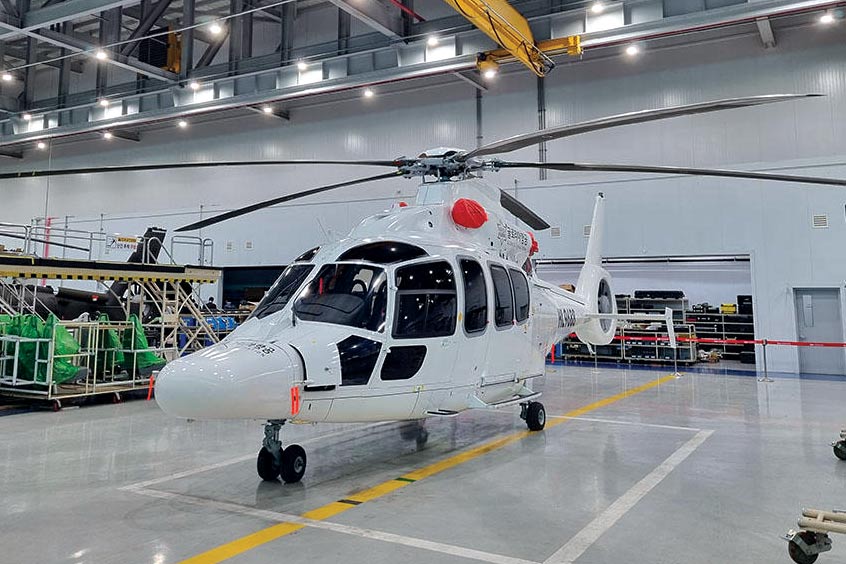
Building on the completion of the LAH, Airbus and KAI are preparing new joint development programmes. These will leverage Airbus' technical know-how in helicopter drive systems and flight control systems.
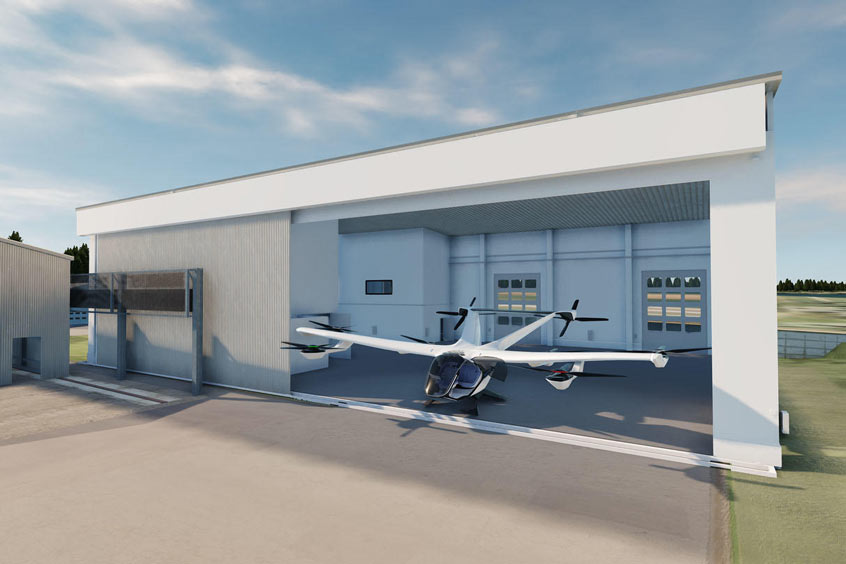
The hangar has high-voltage equipment and lithium batteries and is designed to undergo testing with high safety precautions. All tests needed before CityAirbus NextGen's maiden flight can be carried out there.
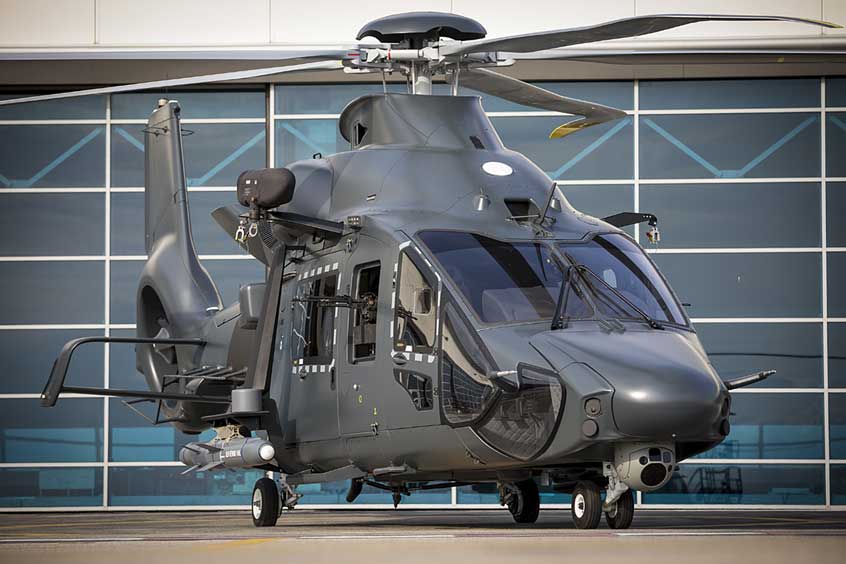
Five types of helicopters serving in the French Army, Navy and Air Force will be replaced by a total of 169 H160M in batches starting in 2027. They will have SKYTRAC's SDL-700 Satcom system onboard.
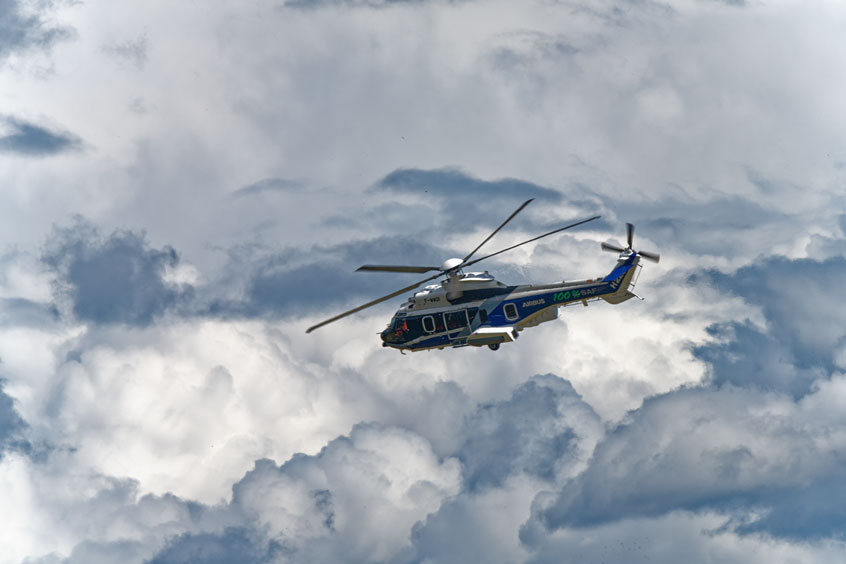
This milestone follows the flight of an H225 with one SAF-powered Makila 2 engine in November 2021, and is part of the flight campaign aimed at understanding the impact of SAF use on the helicopter's systems.
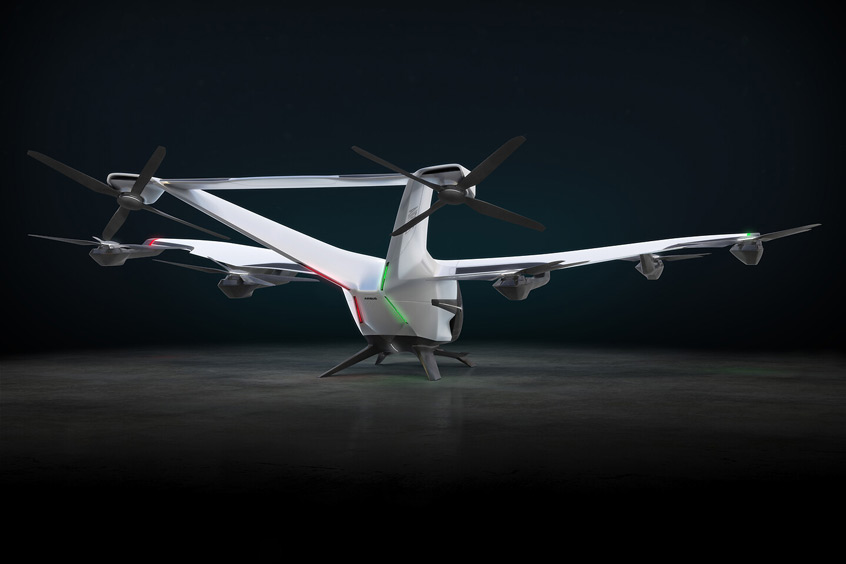
Directly interacting with the centre fuselage and the wing, the rear structure will leverage the suppliers' expertise in homogeneous design for FormulaE and Formula One vehicles.
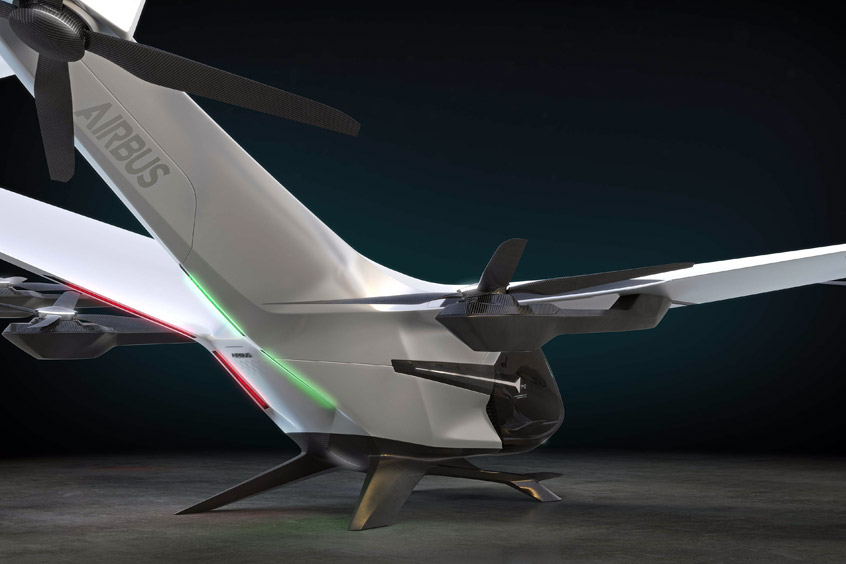
The lightweight brushless motors that will be integrated into CityAirbus NextGen incorporate the latest generation of MAGicALL's magnetics and power electronics technology.
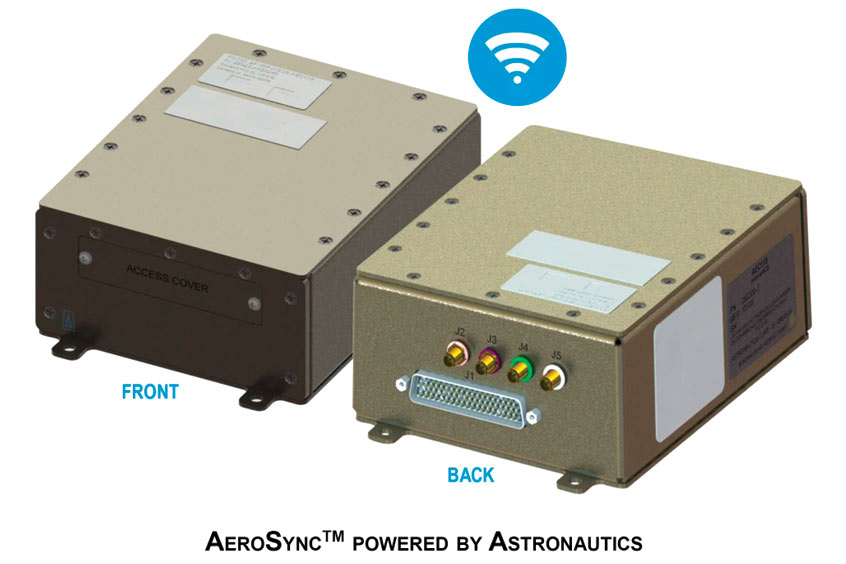
Airbus' H125 and H130 with AeroSync WACS are scheduled to enter service by the end of 2022 and in early 2023. The Astronautics system is also the line-fit connectivity solution for Airbus' new H145 platforms.
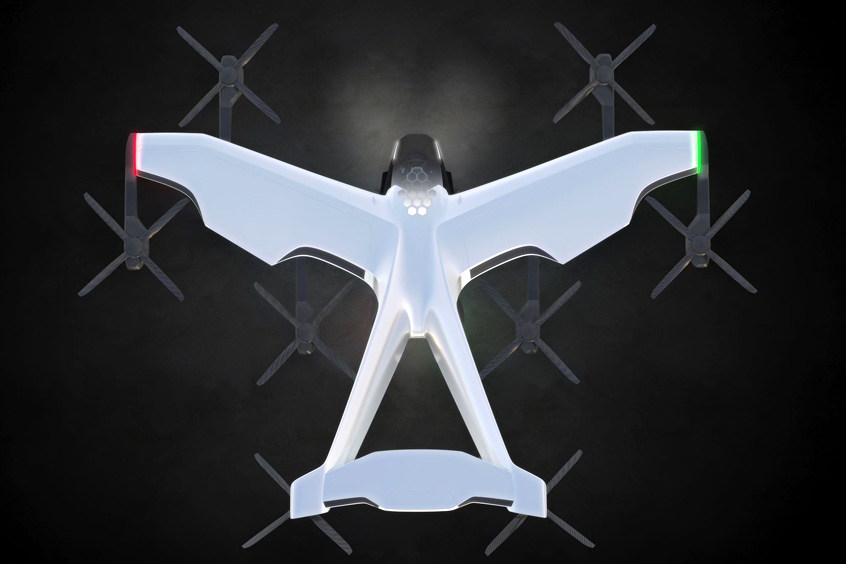
Spirit's longstanding relationship with Airbus includes the provision of fully integrated wings and wing elements for multiple Airbus commercial aircraft. Now it will apply its skills to eVTOL wings.
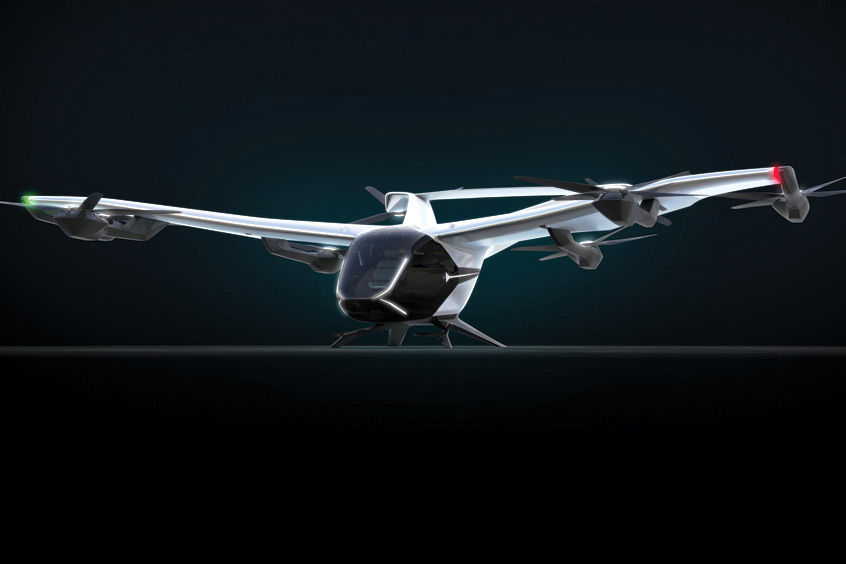
Airbus will develop the central flight control system, Thales the primary computing systems and Diehl the secondary flight control computer. The combined systems are critical to the safety of the eVTOL air taxi.
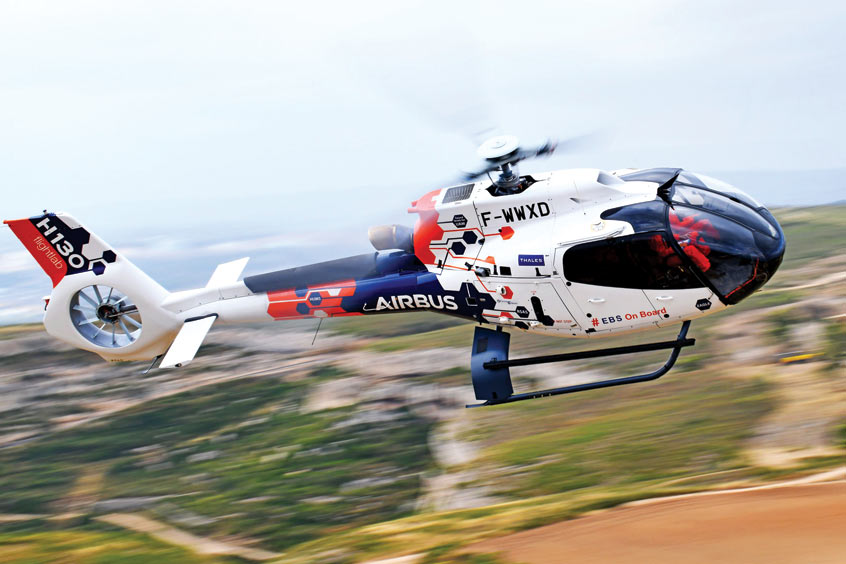
The Flightlab helicopter was equipped with an electric motor connected to the main gearbox, providing electrical power for 30 seconds in the event of engine failure, giving the pilot extra time to react.
It is being developed to fly with a 80km range and to reach a cruising speed of 120km/h. With sound levels below 65 dB(A) during fly-over and below 70 dB(A) during landing.
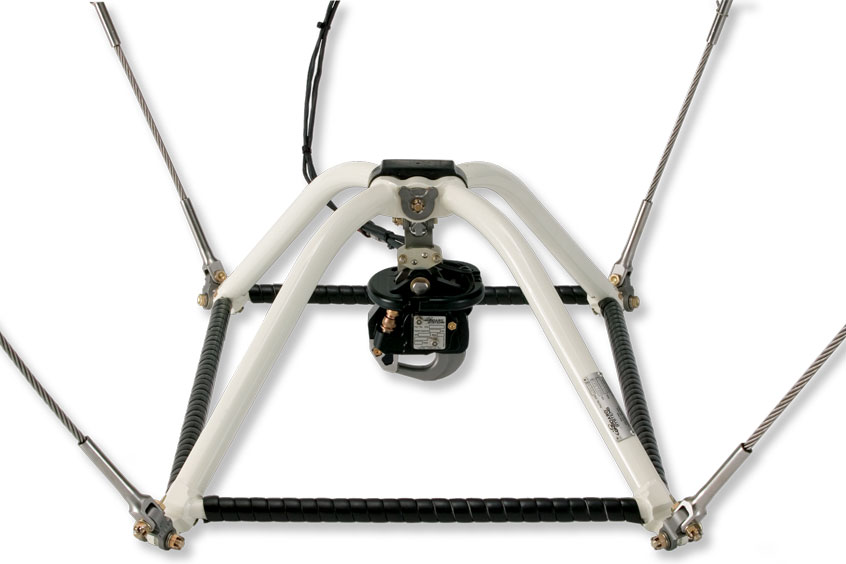
The onboard weighing system shows pilots the weight of each load they are carrying using Onboard's C-40 indicator. The indicator connects to the VEMD allowing users to take advantage of load performance increases.
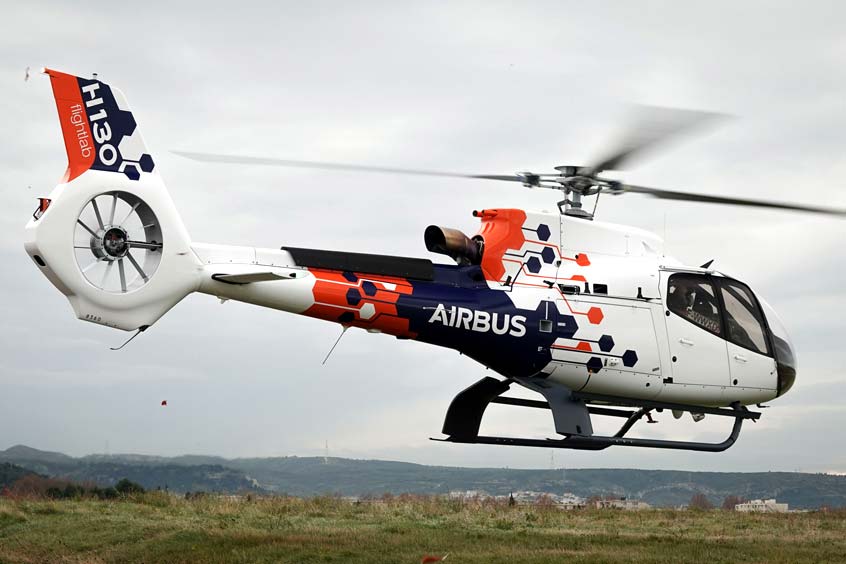
Airbus intends to test hybrid and electric propulsion technologies with its Flightlab, as well as exploring autonomy, and other technologies aimed at reducing helicopter sound or improving maintenance and safety.
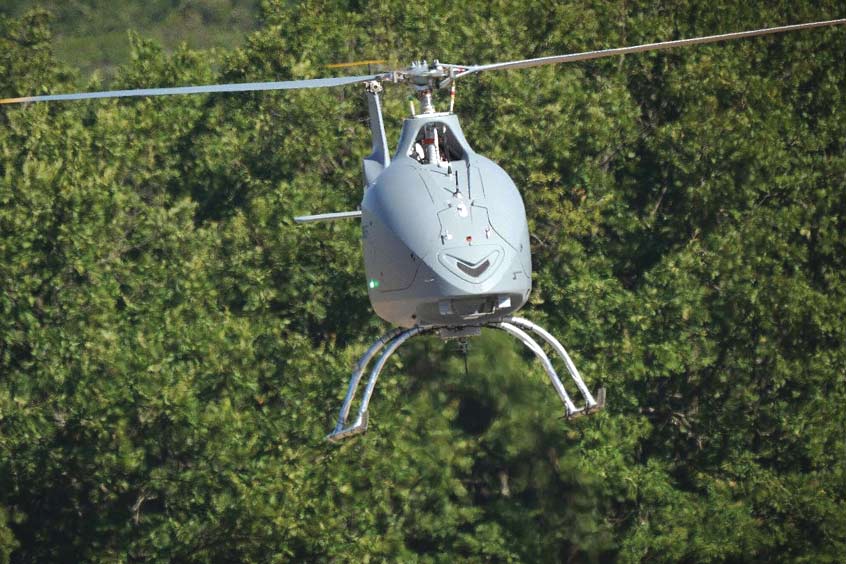
Destined to be a drone system for the French Navy, the Airbus VSR700 will begin sea trials by the end of next year. It has taken an important step by flying autonomously within a geofenced virtual perimeter.