


Every Bulletin story and press release covering Air Force Research Laboratory (AFRL), newest first.
19 items
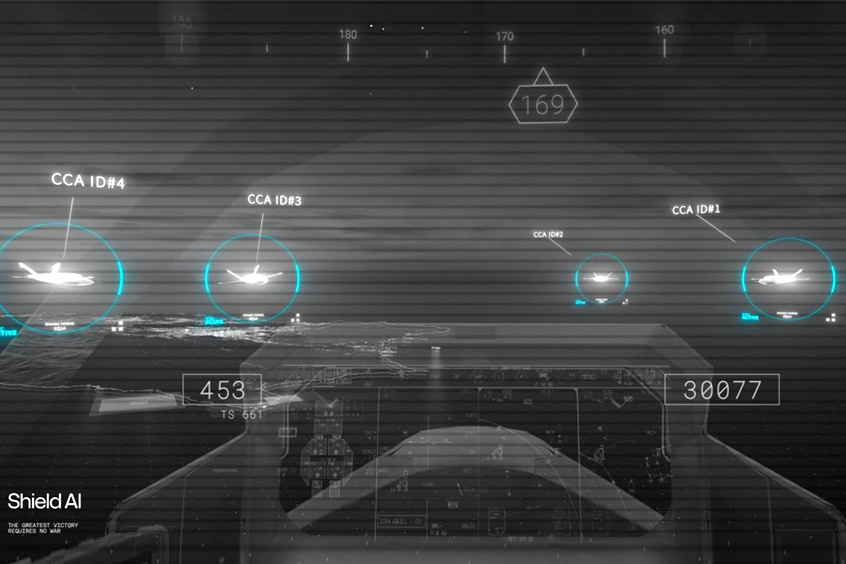
General Atomics, Anduril and three autonomy software providers have secured key production awards as the Air Force pushes to field Collaborative Combat Aircraft by 2030.
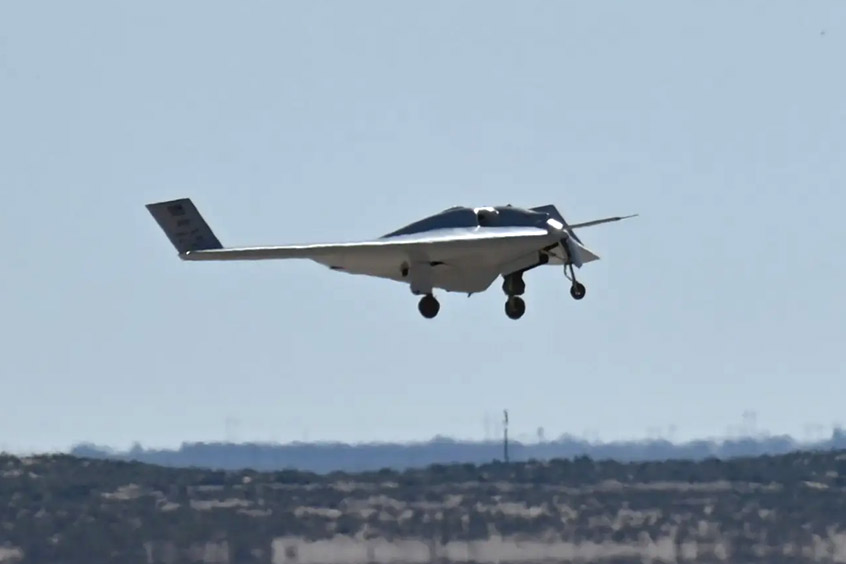
Hybrid-electric flight testing at Edwards Air Force Base has advanced efforts to develop lower-emission military aircraft with greater operational flexibility.
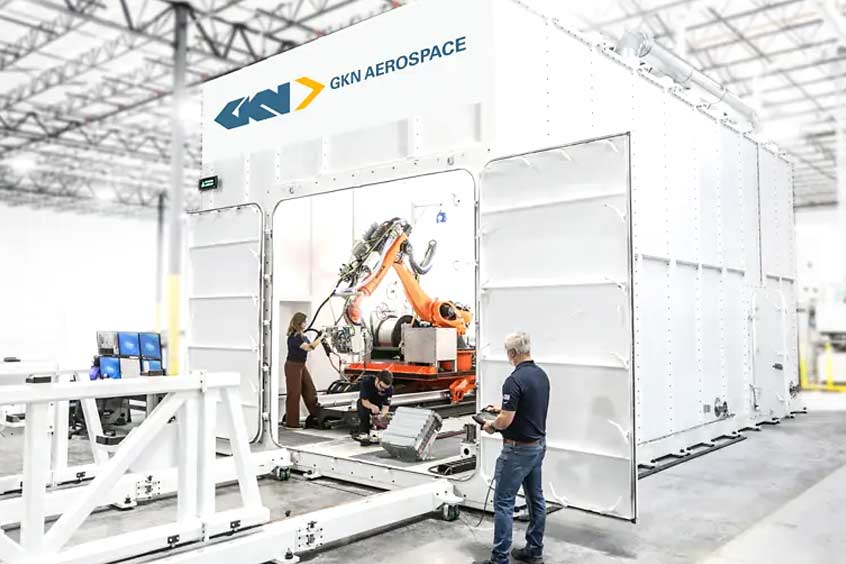
Collaboration with US Air Force labs is set to test whether wire-based additive manufacturing can be used for large structural components.
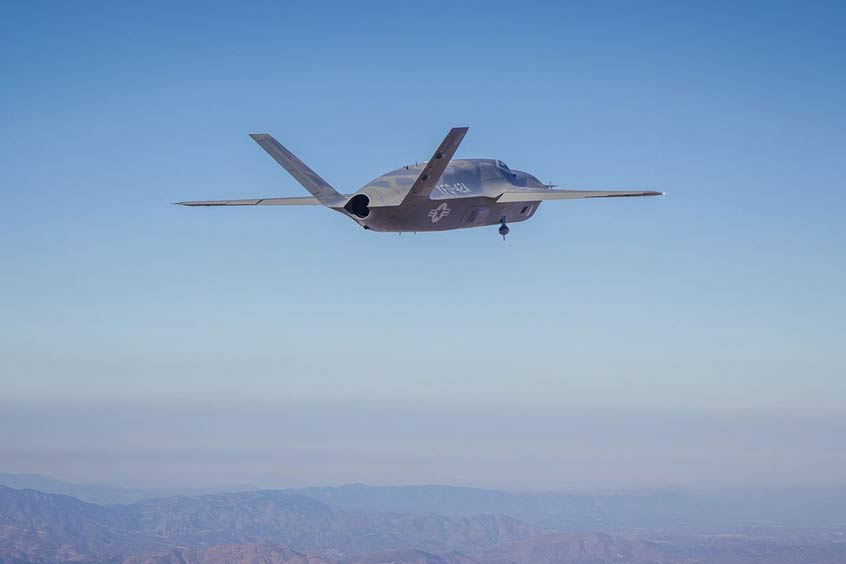
The designation reflects fighter and uncrewed status, while recent flights demonstrated mission autonomy software in four-hour test operations.
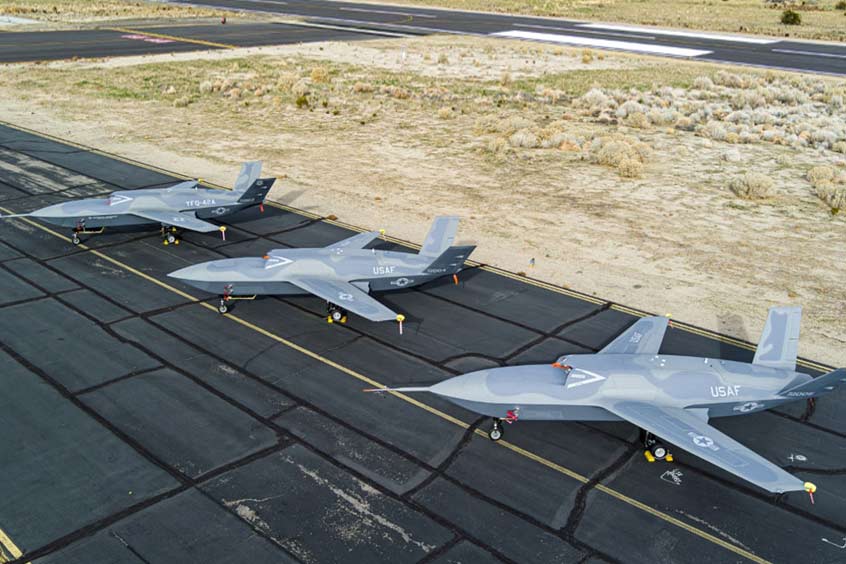
The four-hour airborne mission validated third-party software operating through A-GRA within the Collaborative Combat Aircraft programme.
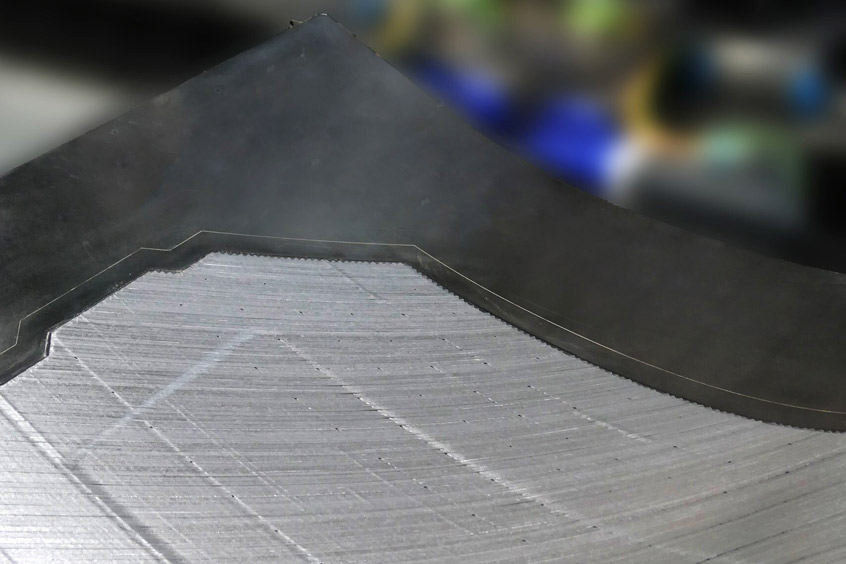
The material passed multi-format testing, establishing an FAA-recognised baseline for structural composite applications in aircraft and spacecraft platforms.
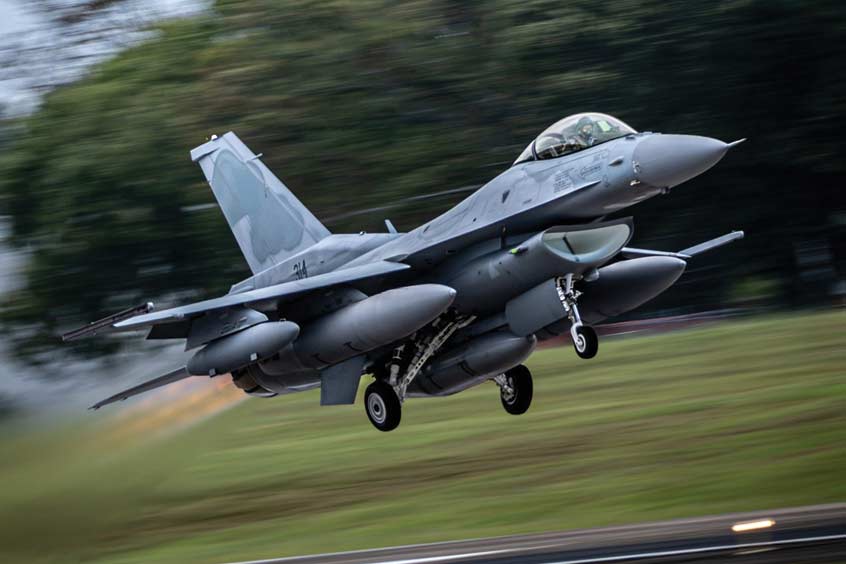
The finished aircraft strengthen NATO interoperability while advancing national air defence modernisation plans across both air forces.
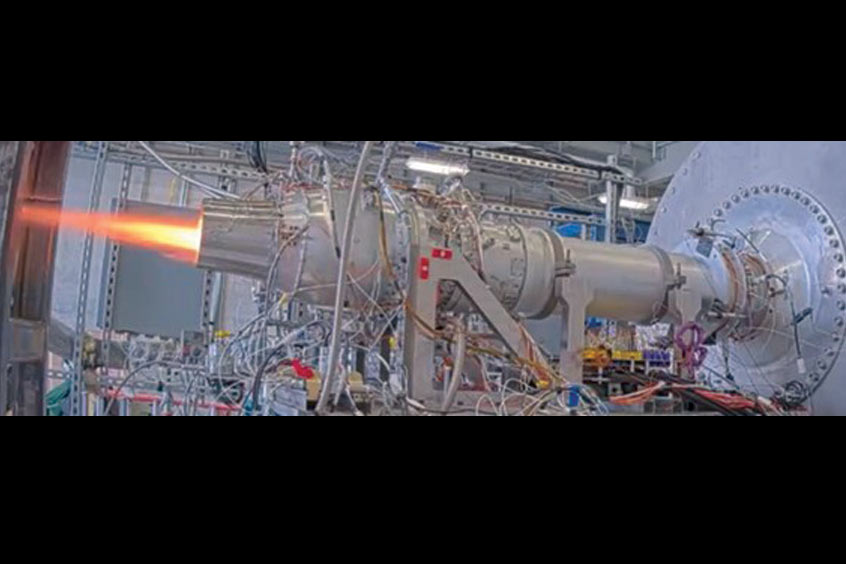
The GEK800 engine underwent successful altitude, durability and limits testing at Purdue’s Zucrow Laboratories, marking the first test at the recently expanded ZL9 facility.

The company has added hangar and office space in Virginia and expanded its Swiss centre, supporting the growth of its hybrid-electric EL9.
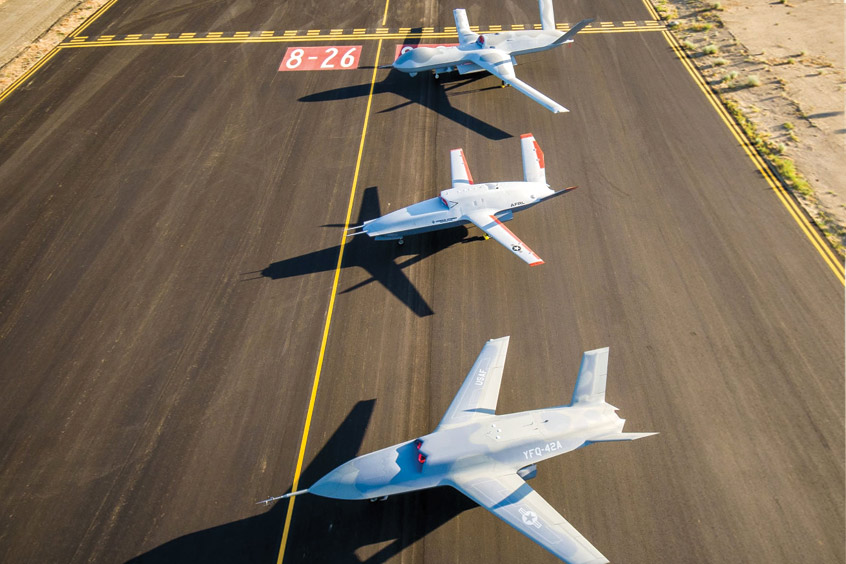
Test flights have demonstrated that the combat aerial vehicle could work in real time with both piloted and autonomous systems.
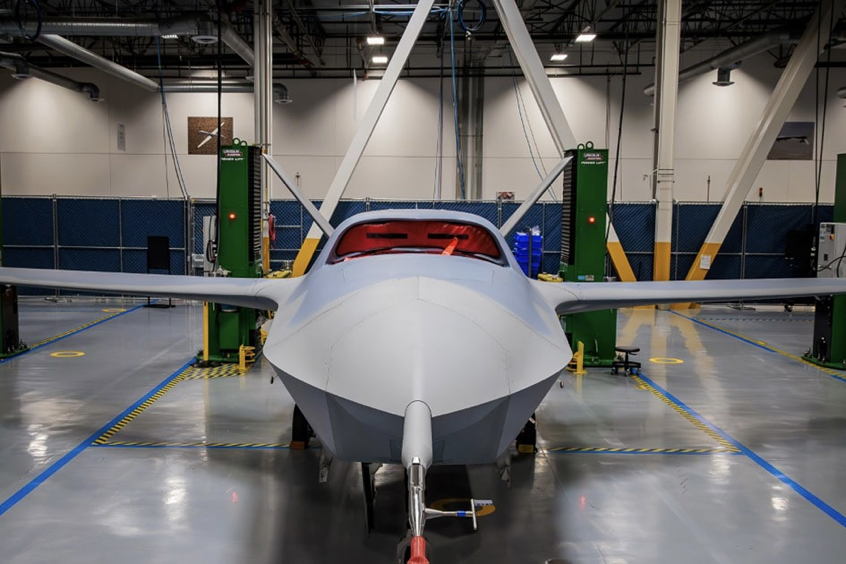
Ground testing of the YFQ-42A production-representative test vehicle is vital preparation ahead of its planned first flight later this summer.
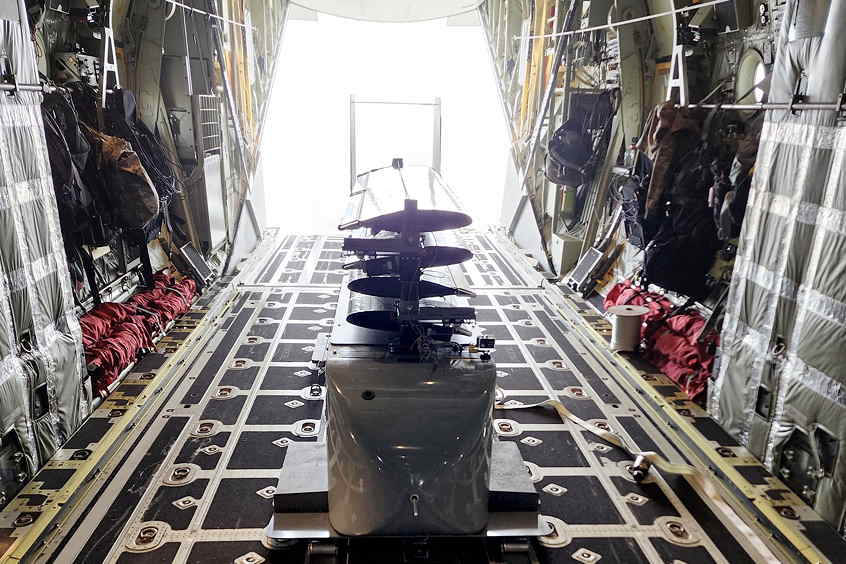
Whereas the GD-2000 is an unpowered glider, the new CLS-200 can travel six times as far by using an innovative propulsion unit and propeller that are inexpensive enough to allow the drone to be single-use.
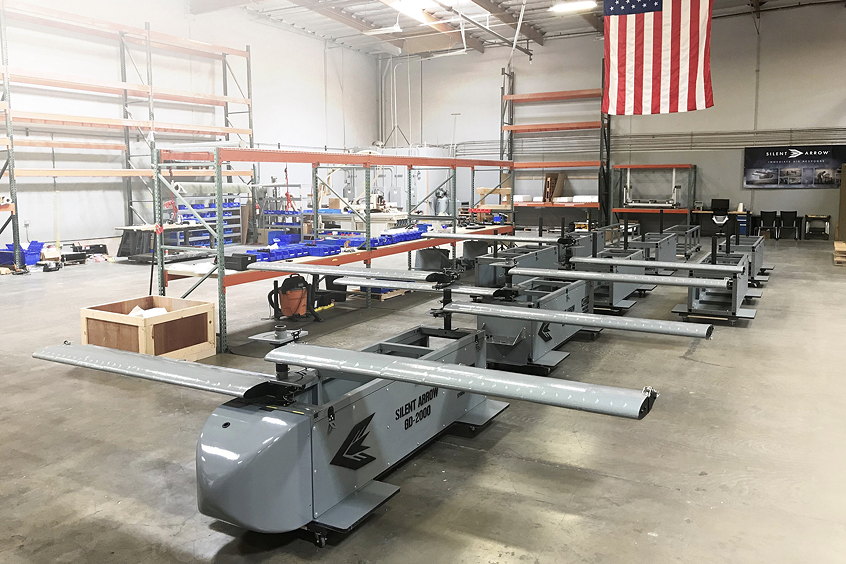
The company will build on Phase I propulsion test success to prepare a number of full-scale aircraft for flight tests in Q3 and Q4 of 2025.
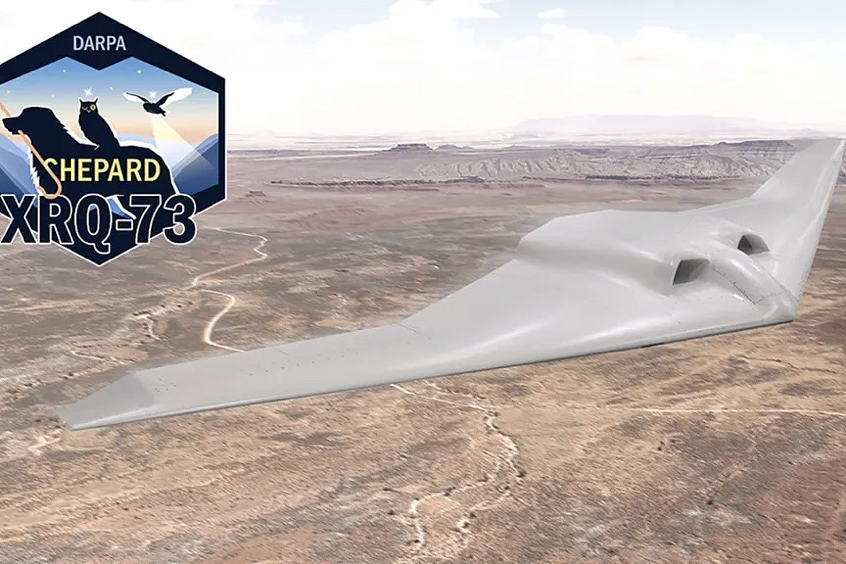
The XRQ-73 aircraft will be a Group 3 UAS weighing approximately 1,250 pounds, which draws on the earlier AFRL/IARPA Great Horned Owl (GHO) project. First flight is expected by year-end 2024.
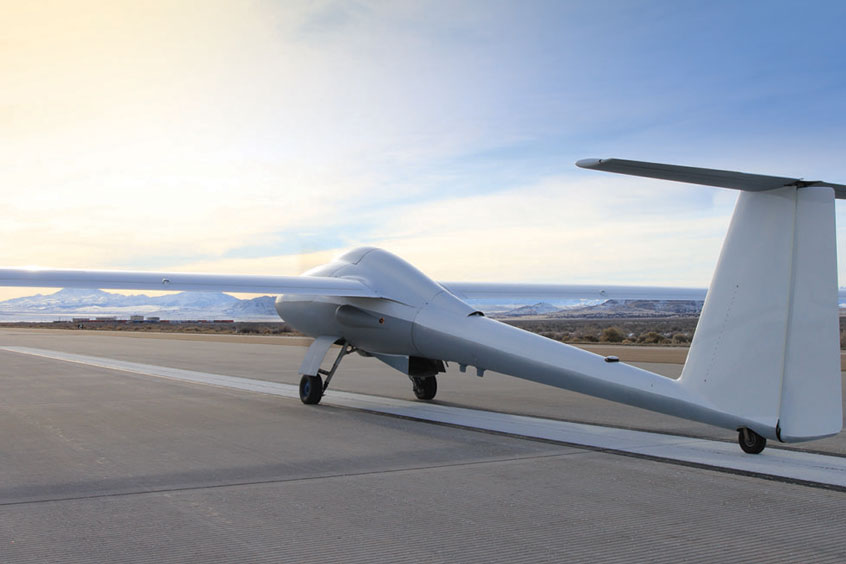
The company says it will now be able to expand payload capabilities and augment propulsion systems to deliver even greater utility and versatility to the Air Force Research Laboratory and beyond.
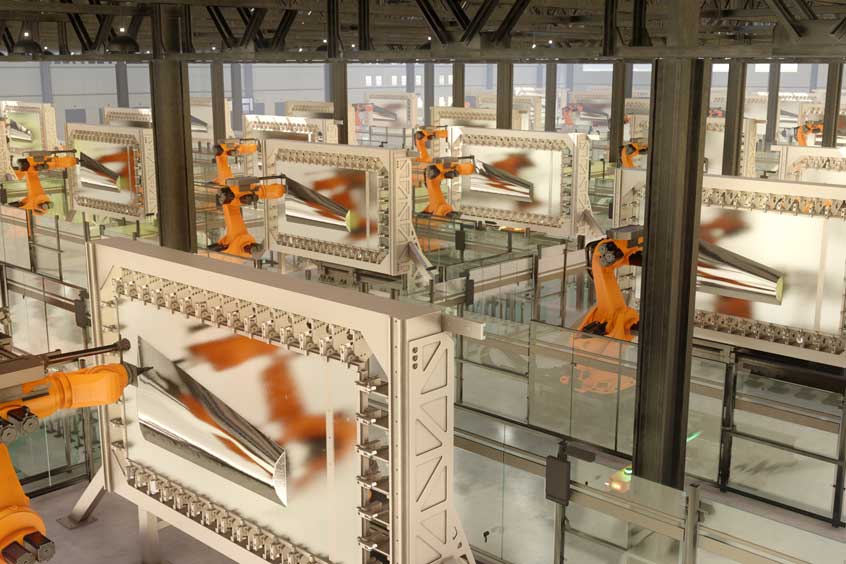
Machina Labs' AFWERX Tactical Funding Increase (TACFI) contract will be focused on metal tooling for a fast-cure, out-of-autoclave (OOA) composite processing route.
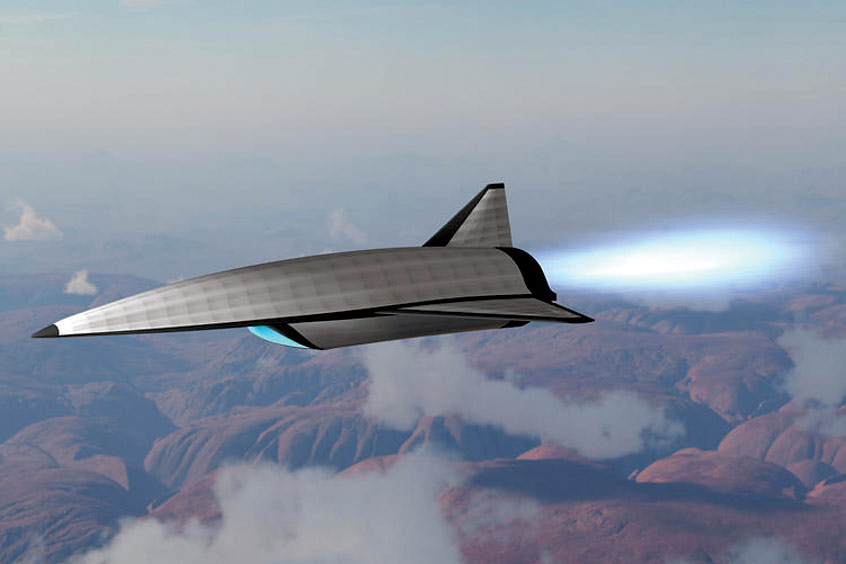
The Mayhem system will use a scramjet engine to generate thrust, propelling the vehicle across long distances at speeds greater than Mach 5.
The XA100 is a flight-weight engine that would provide the F-35 with 30% more range, greater than 20% faster acceleration, and significant mission systems growth for Block 4 upgrades, and beyond.
The latest test has demonstrated the ability to launch a small, unmanned aircraft system from the internal weapons bay of the XQ-58A Valkyrie. The aircraft also flew higher and faster than before.