

Every Bulletin story and press release covering NASA Langley Research Center, newest first.
14 items
Access to Frontier and Aurora supercomputers has enhanced simulations for next-generation jet engine designs and fuel efficiency improvements.
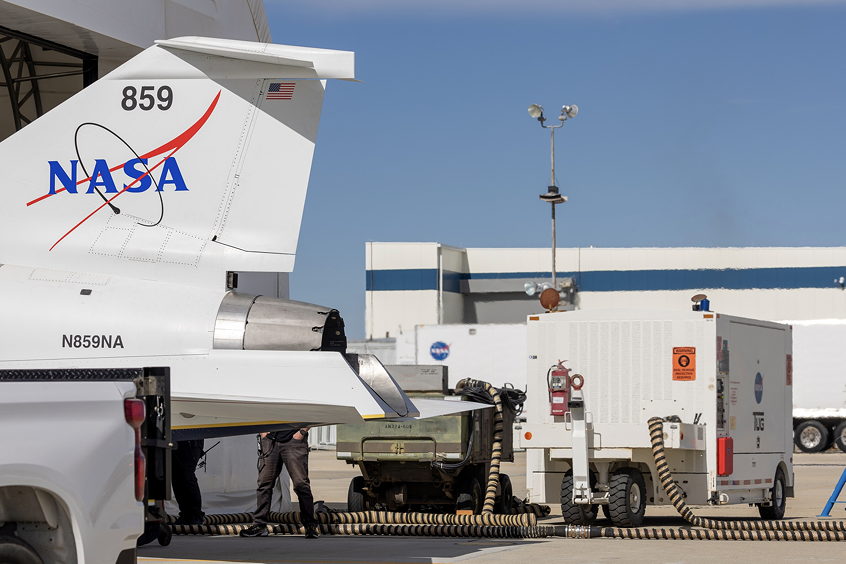
Following these successful engine runs, the X-59 will be evaluated for electromagnetic interference effects, simulated in-flight failure modes and validation of the emergency power system.
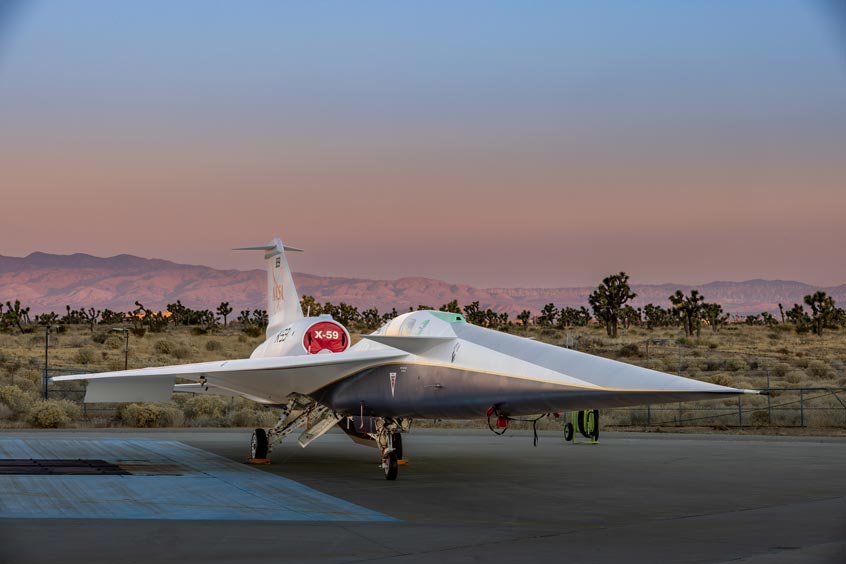
Years of research, development and production of this one-of-a-kind technology demonstrator aircraft should reduce the loudness of sonic booms to a gentle thump.
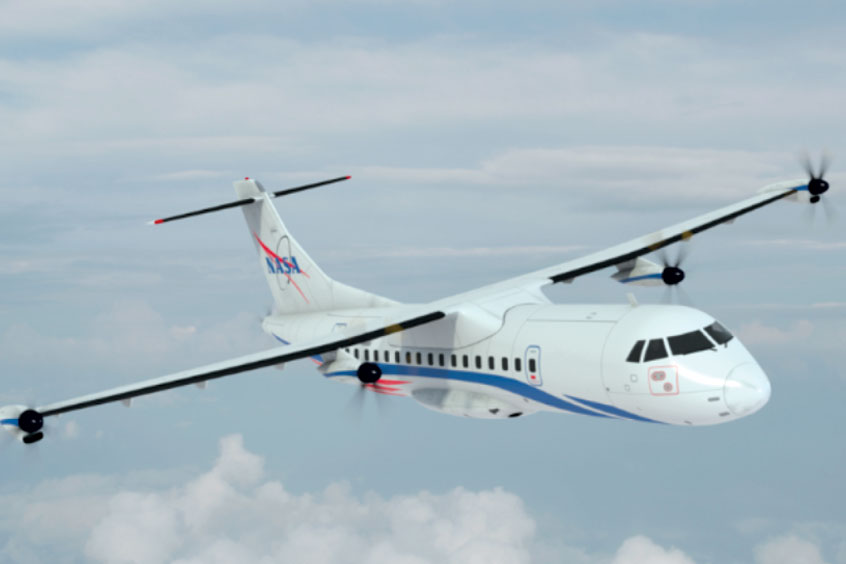
Through magniX the NASA program aims to demonstrate electric propulsion technology to power a hybrid De Havilland Canada Dash 7 aircraft, with first flight planned for 2025.
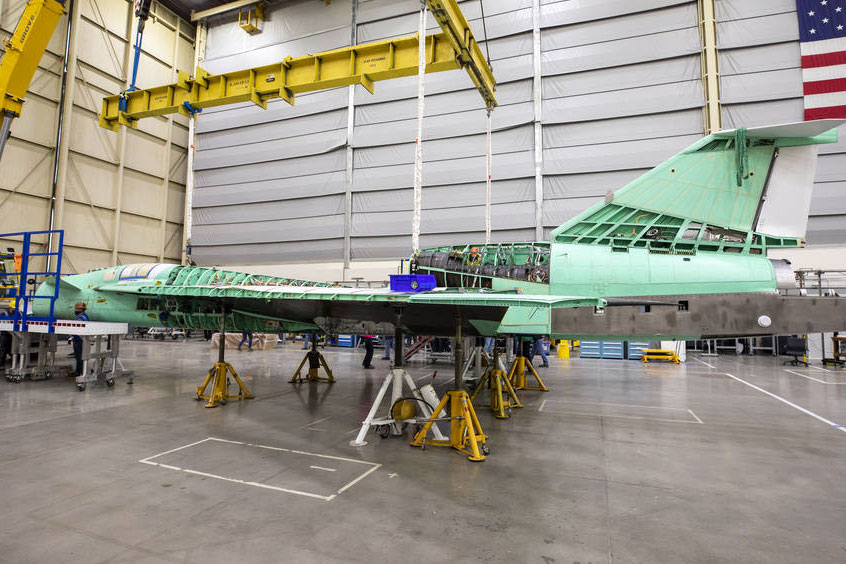
Removed from its jig, the X-59 is ready for final assembly including the first power-on of the aircraft to test its internal systems. The first flight is planned for 2022.
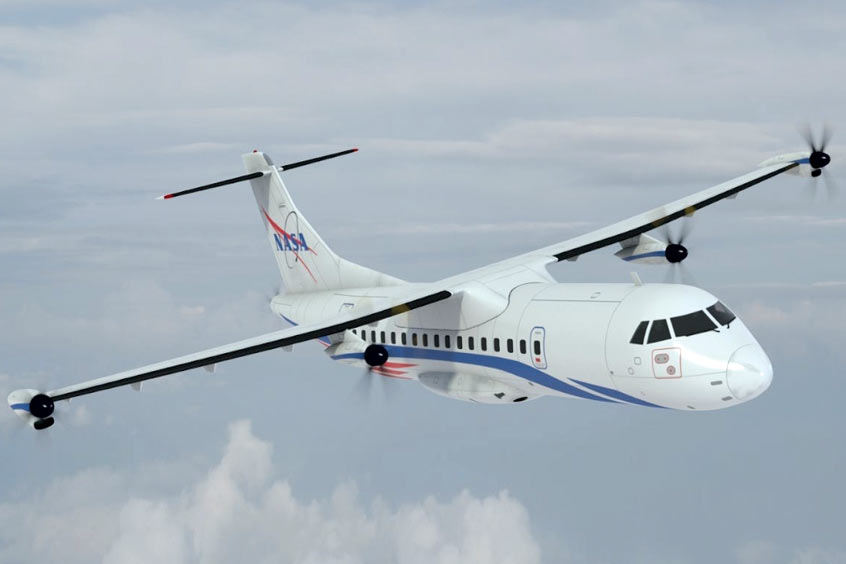
NASA has chosen GE Aviation and MagniX as partners to support its electric powertrain flight demonstration. Each company will be awarded a share of $253.4 million for the work over the next five years.
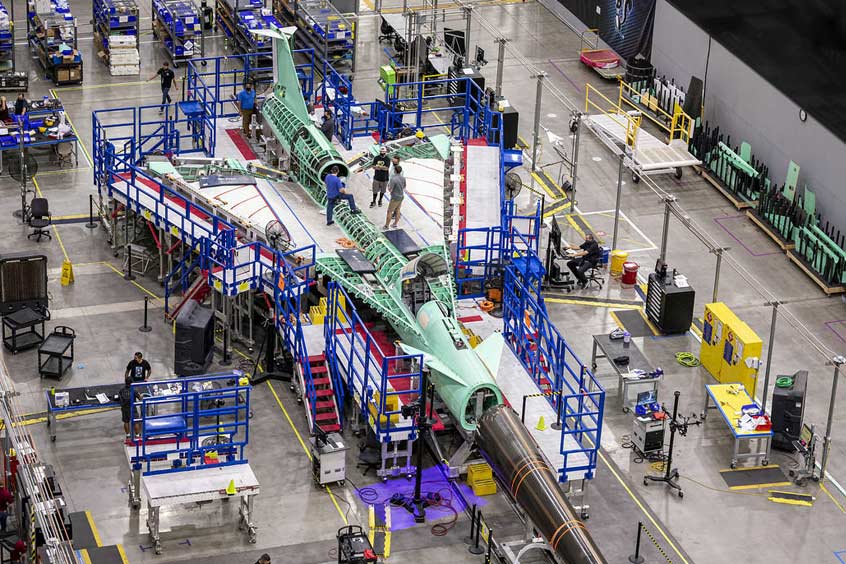
The Lockheed Martin X-59's nose design should allow for quiet supersonic flight, turning the usual sonic boom into a quiet sonic thump. The aircraft will be tested over residential areas and noise feedback will be collected.

Current computational methods can predict some limited blown lift flow fields in three dimensions, but NASA's involvement will enable the fast, trusted, low-order methods needed to rapidly evaluate design choices.
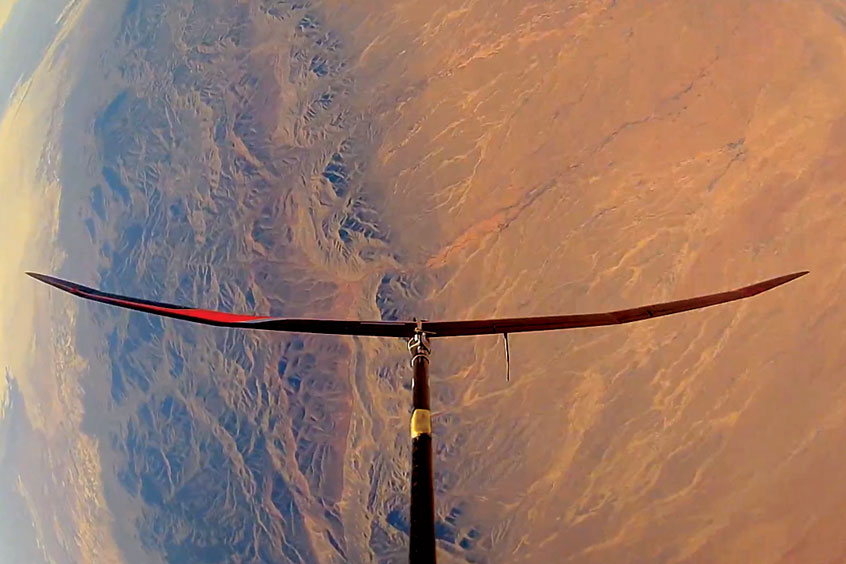
The balloon launched HiDRON stratospheric glider achieved controlled flight following a release from a sounding balloon at altitudes above 98,000ft, higher than the record setting SR-71 Blackbird.
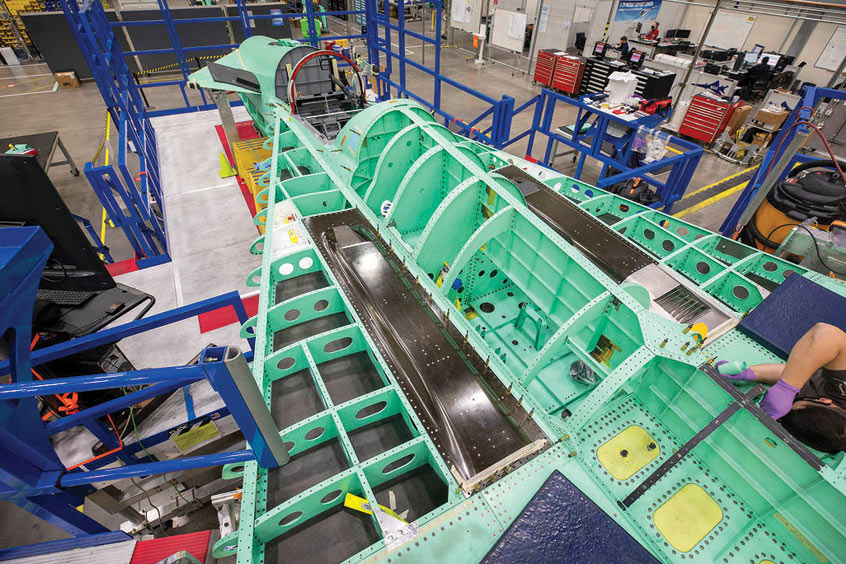
Innovative features on top of the X-59 wing should re-shape the shock wave pattern, substantially reducing the sonic boom to more of a sonic "thump" when it reaches the ground. Collins is onboard for the avionics.
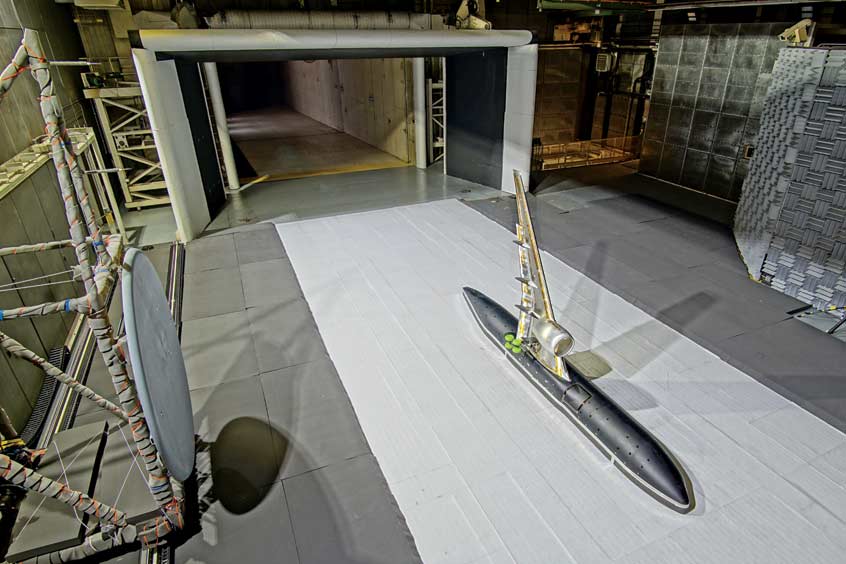
NASA built a 10%-scale version of the High-Lift Common Research Model (CRM-HL) to evaluate aircraft enhancements including low-noise slats, such as those constructed out of shape-memory alloys.
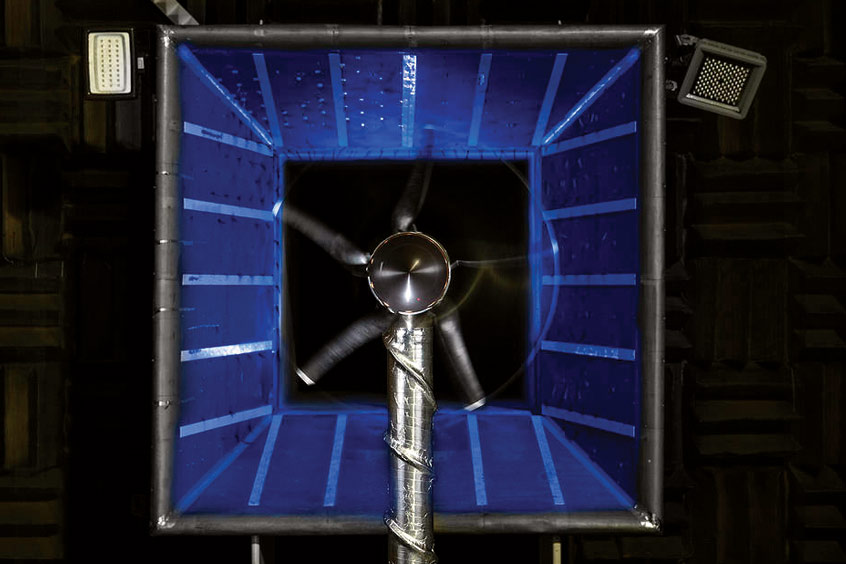
The X-57 will be powered by twelve electric high-lift motors with propeller blades that fold away during cruise, emerging again for the landing phase. Wind tunnel testing has begun.
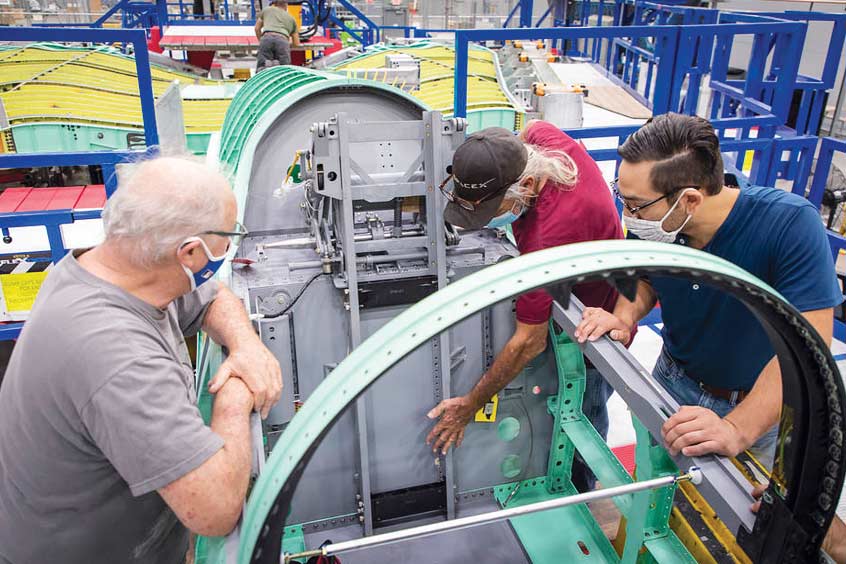
Lockheed Martin is assembling the experimental aircraft for NASA in anticipation of its first flight some time in mid-2022, and is now turning its attention to the cockpit space.
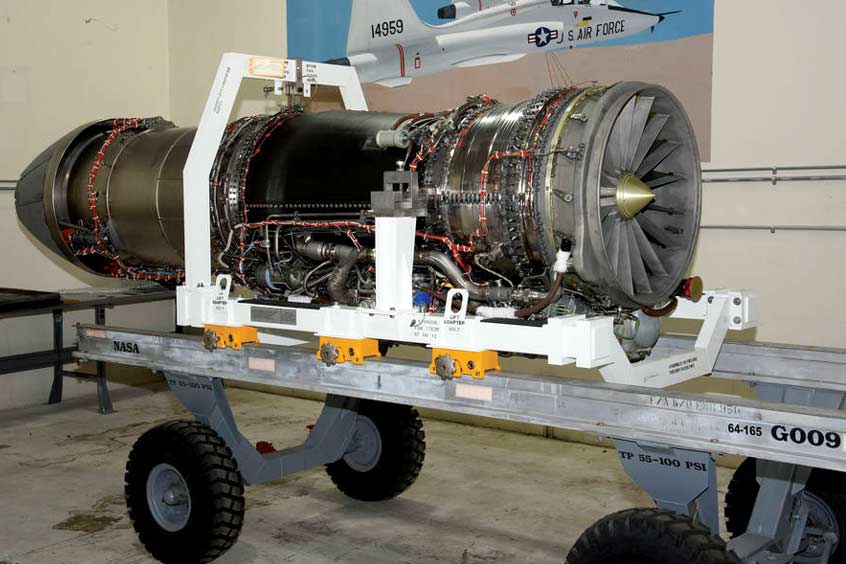
It may be based on the design of the Gripen's engine, but the F414-GE-39E is a whole brand-new engine birthed from raw metal. It will have longer duration missions at high altitude with high power.