
Every Bulletin story and press release covering DLR - German Aerospace Center, newest first.
13 items
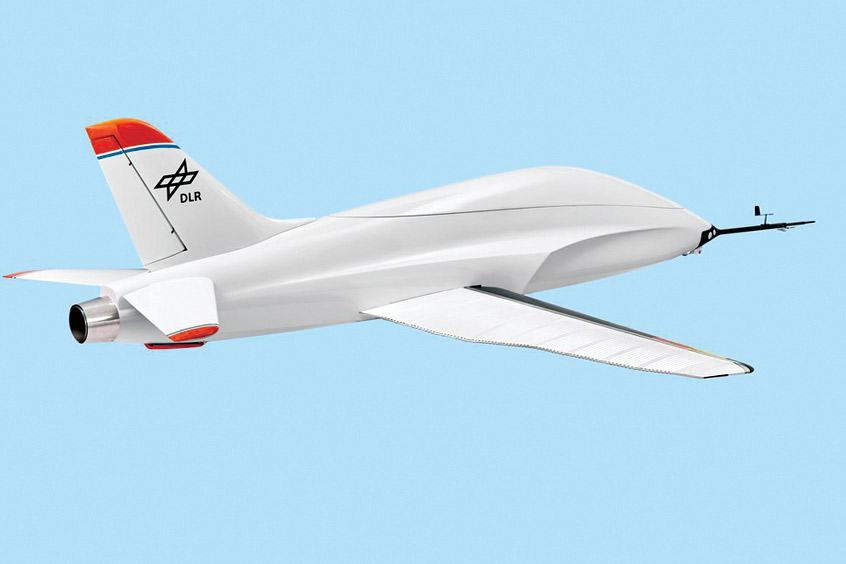
A wing structure that can change shape during flight is the idea behind the morphAIR project from the German Aerospace Center (DLR), as researchers aim to make aircraft more efficient and easier to control.
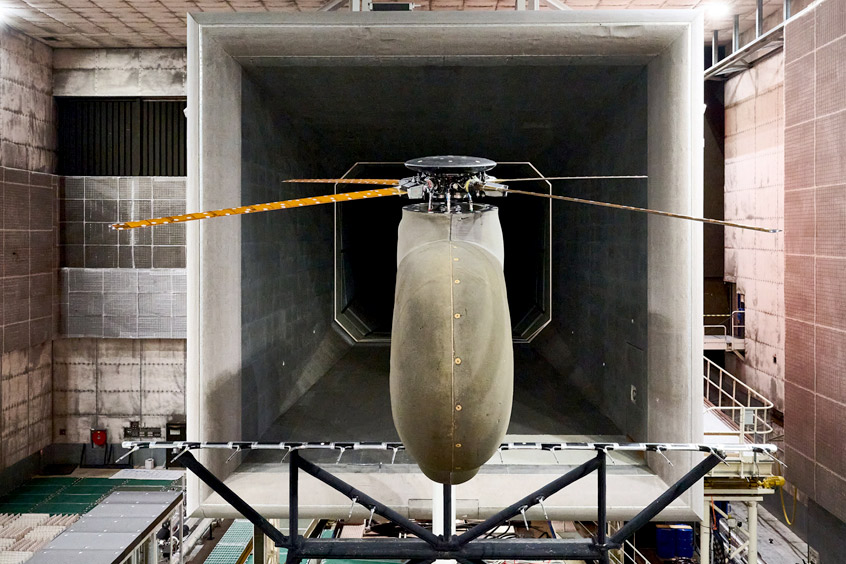
Wind tunnel trials under the STAR project showed measurable noise and vibration reductions while improving rotor efficiency under high-load conditions.
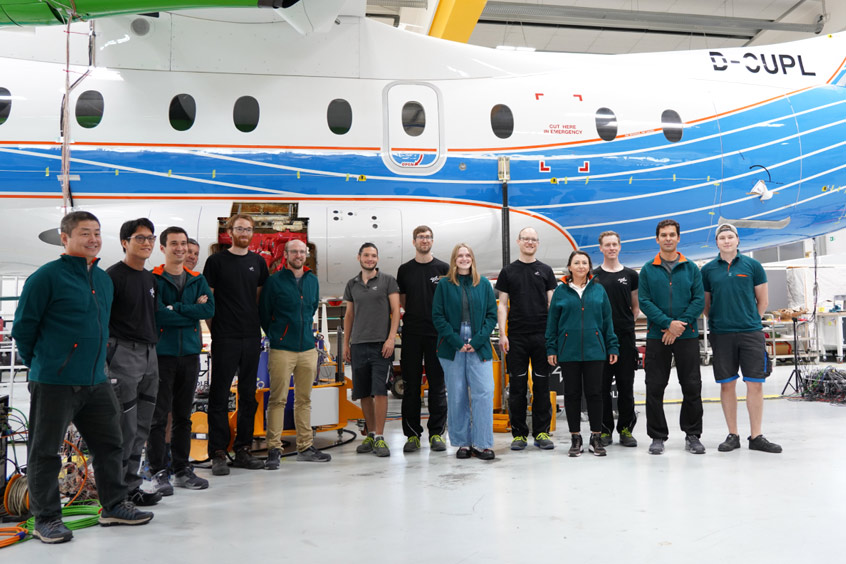
Deutsche Aircraft and the German Aerospace Center worked together to carry out the vibration test, which confirmed structural dynamics and informed future modifications for the D328 UpLift.
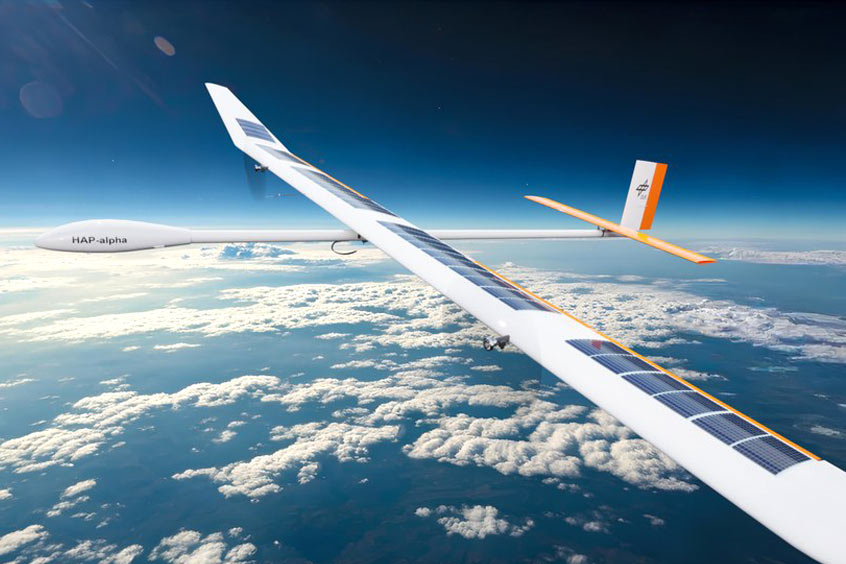
The stratospheric platform project has passed vibration testing in Cochstedt as DLR now works towards future sensor trials and 2026 flight readiness.

The Göttingen-based institute previously conducted a vibration test on a predecessor model of the VoloCity in 2021. The findings from that test have informed the development of this improved successor model.

Applying winglets to the blade tips significantly changes the geometry of the blade and hence the flow around it, giving rise to improvements in both turbine and overall engine efficiency.
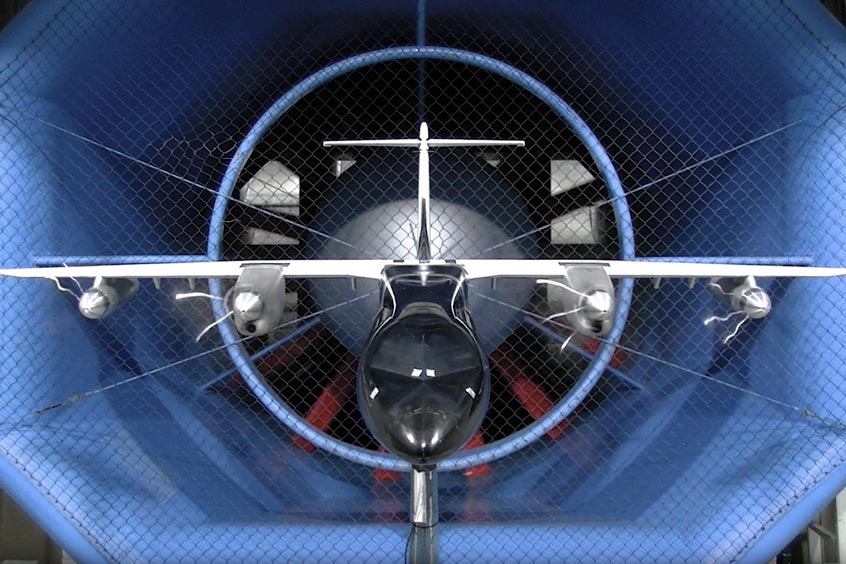
The objective of this powered-model test was to validate the overall aerodynamic integration of a next-generation electric propulsion system that is being developed with our project partners.
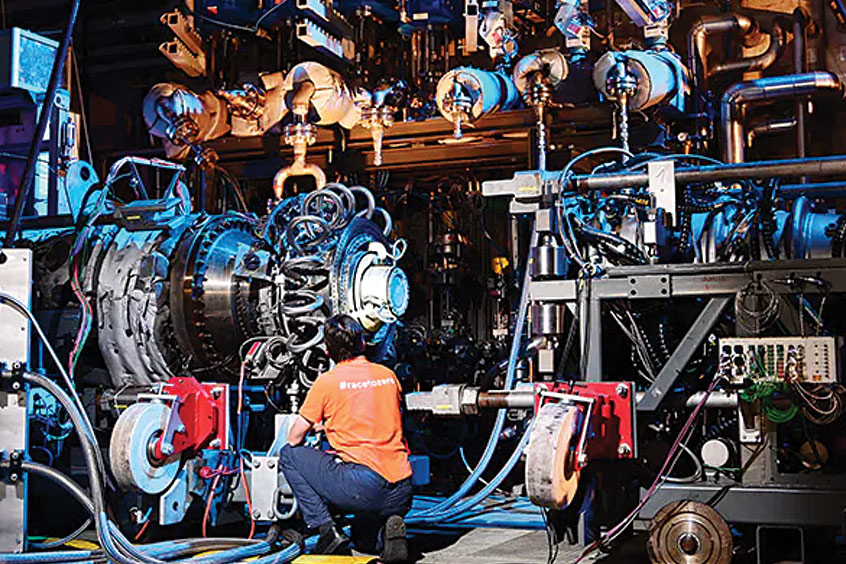
Hydrogen burns far hotter and more rapidly than kerosene, so new nozzles were needed to control the flame position using a new system that progressively mixes air with the hydrogen to manage the fuel's reactivity.
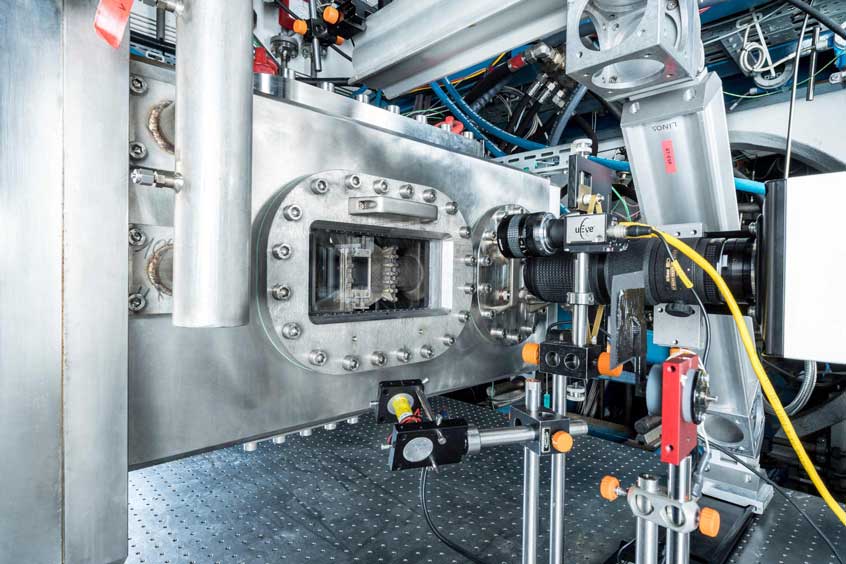
The combustion behaviour of hydrogen is significantly different from that of conventional aviation fuels such as kerosene, and the infrastructure at DLR enables experiments in a realistic environment.
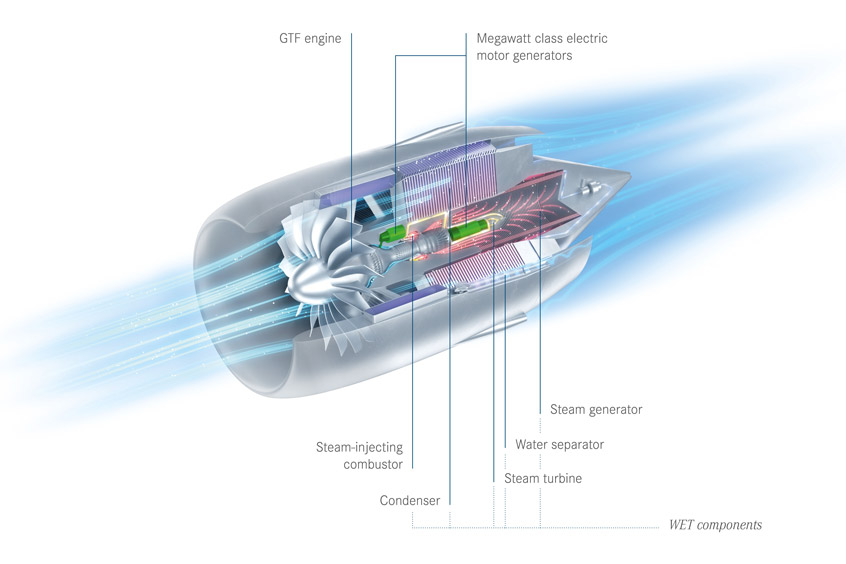
A new project will combine two innovative technologies - Water-Enhanced Turbofan and hybrid-electric propulsion - with Pratt & Whitney's GTFTM engine architecture.
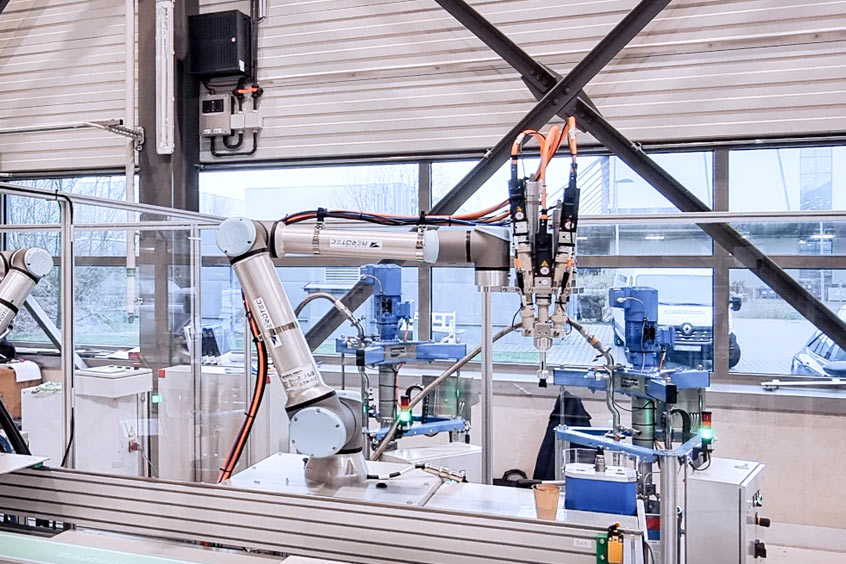
AGREED is making progress on wafer-thin dispensing of complex sealing materials, which is essential in the production of large-scale and complex aircraft components.
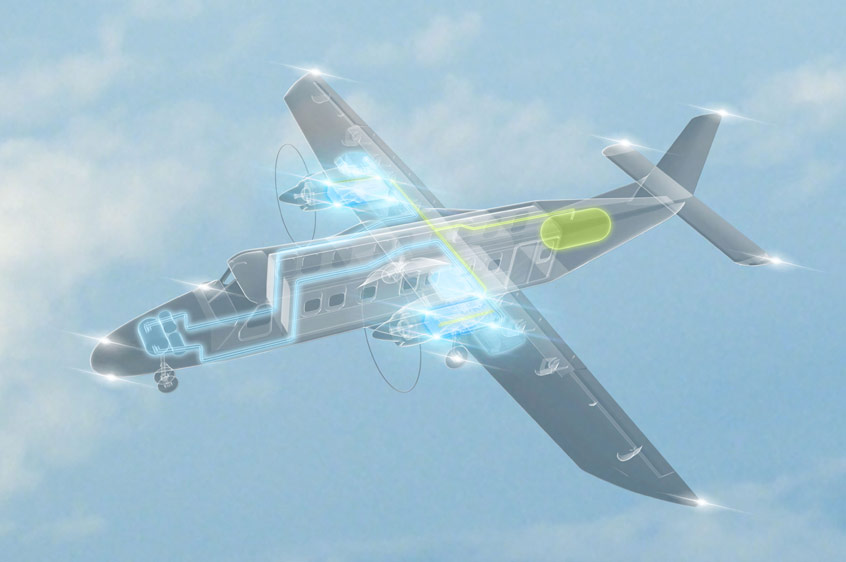
The goal is to replace one of the two conventional gas turbine engines on a test Do228 with a 600 kW electric powertrain with energy supplied by a hydrogen-powered fuel cell by the middle of this decade.
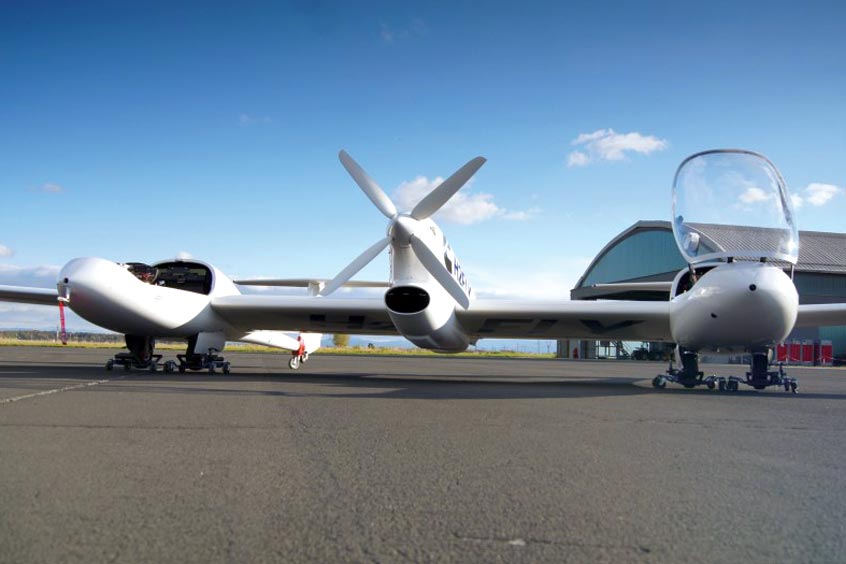
With the renovated and optimised fuel cell system technology developed in MAHEPA and in strong cooperation with multiple national projects, the Hy4 is the most powerful hydrogen fuel cell driven aircraft ever made.