Every Bulletin story and press release covering Fuel Systems, newest first.
228 items · page 1 of 5
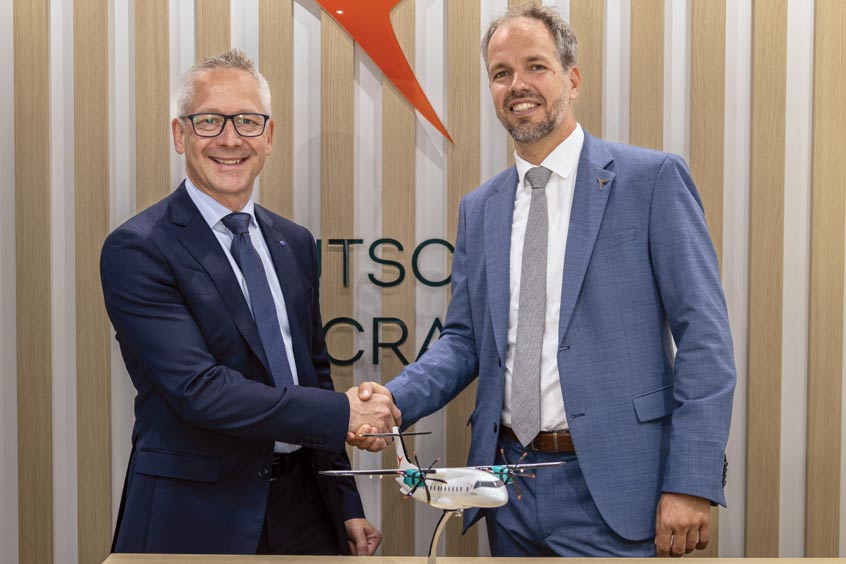
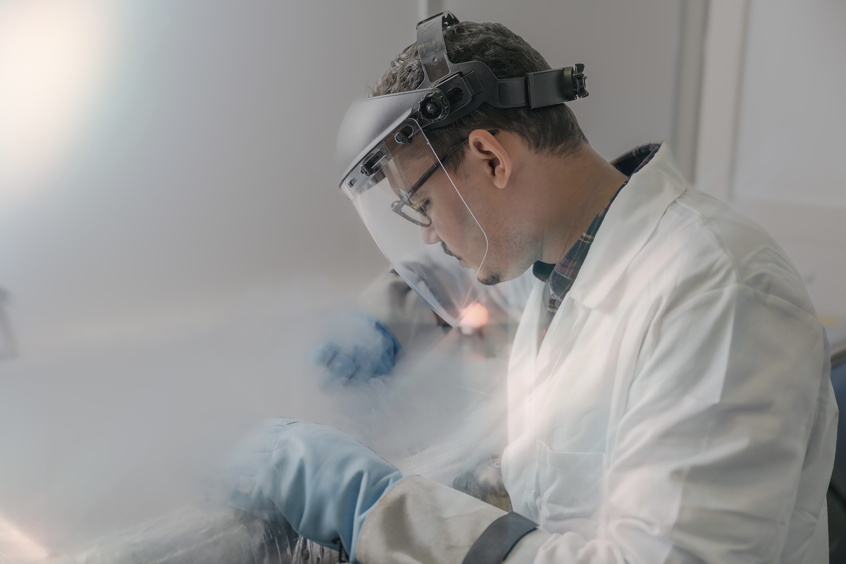
Initial components for the D328eco’s advanced fuel system have started being tested as the firms deepen their sustainability collaboration.

LMS was selected by Indonesian manufacturer PT Dirgantara to replace the NC212i’s legacy system with advanced, mission-ready measurement technology.
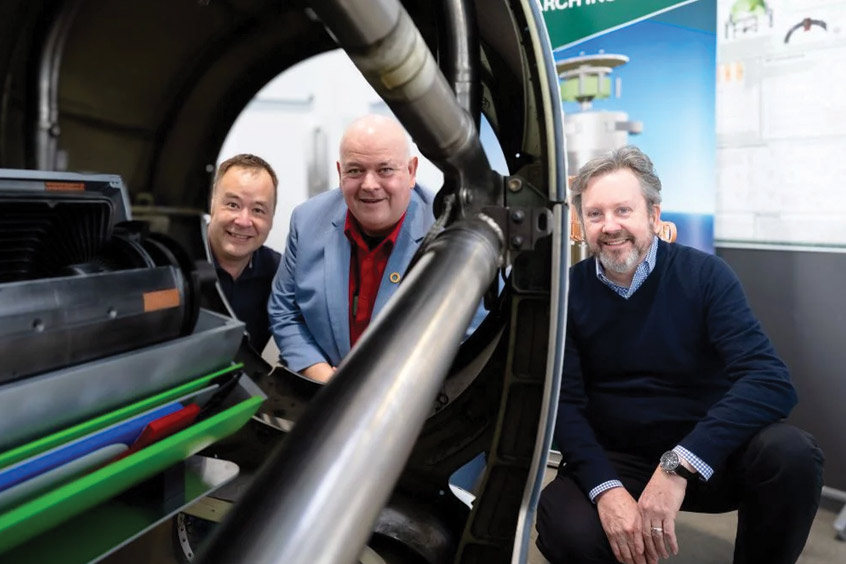
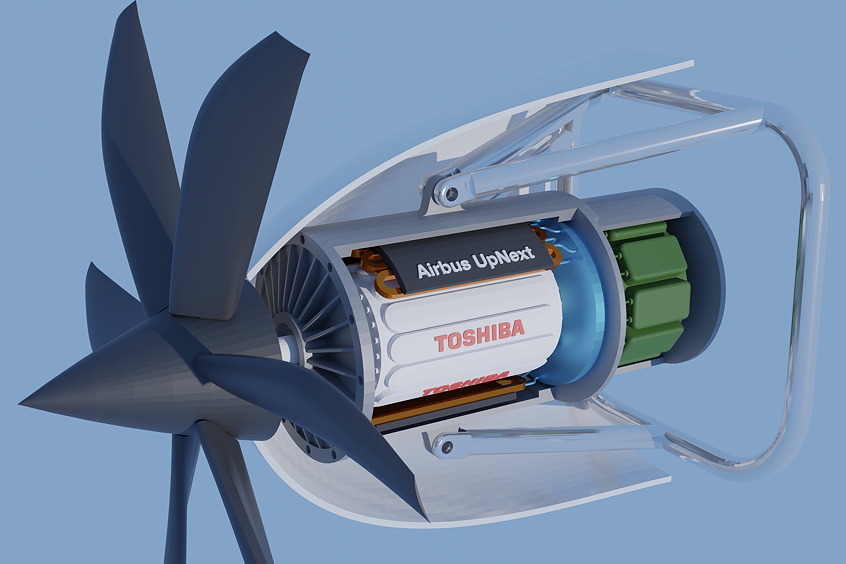
Toshiba has been developing superconducting technology applications for nearly half a century and has released its own two megawatt-class superconductivity motor prototype two years ago.
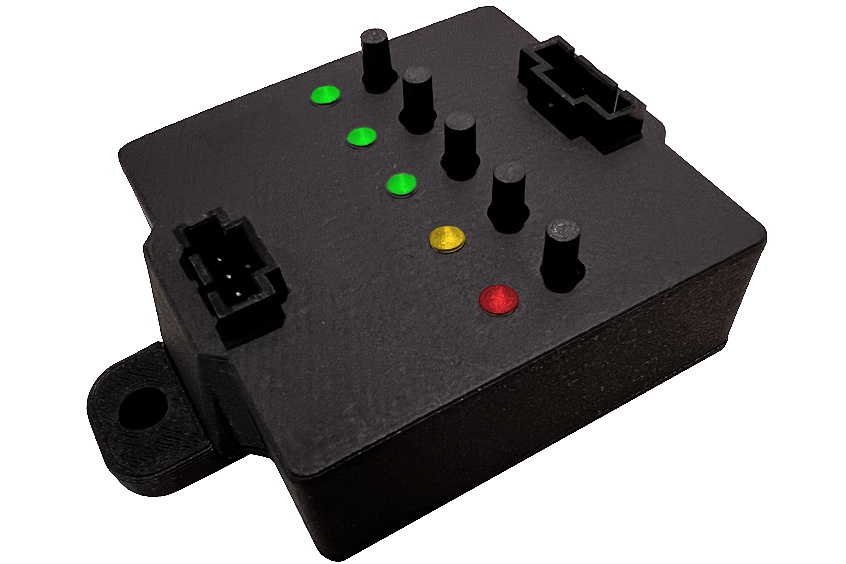
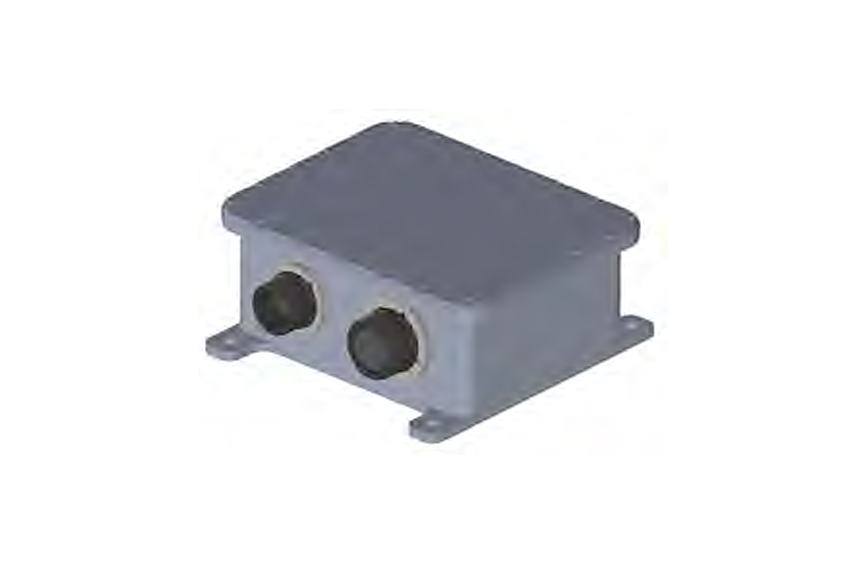
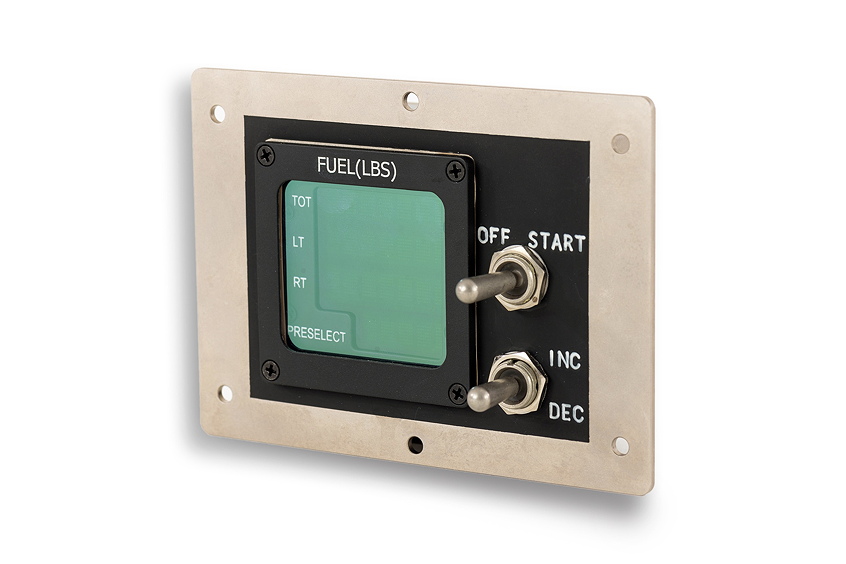
The innovative box helps aircraft owners calibrate irregular or circular fuel tanks, providing a linear fuel level from a fuel tank that is not linear. It acts as an ‘interposer’ between tank, fuel probe and instrument display.
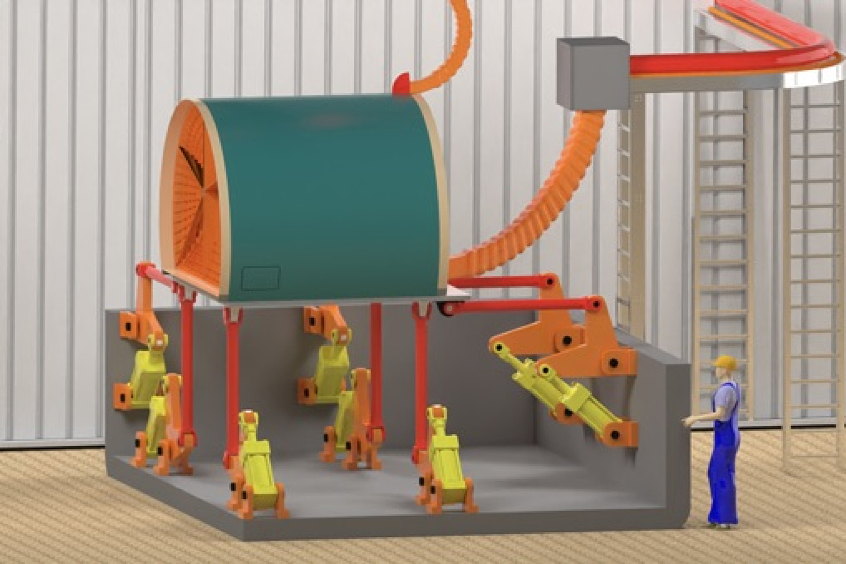
Planned test cells will perform high and low cycle fatigue testing, cryogenic and high-pressure system testing, operational performance testing at ambient and elevated temperatures, and crash testing.
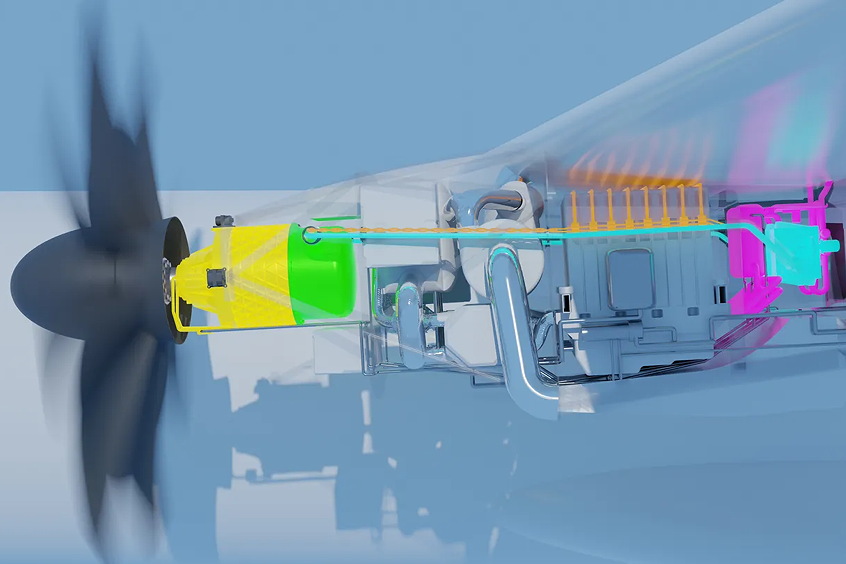
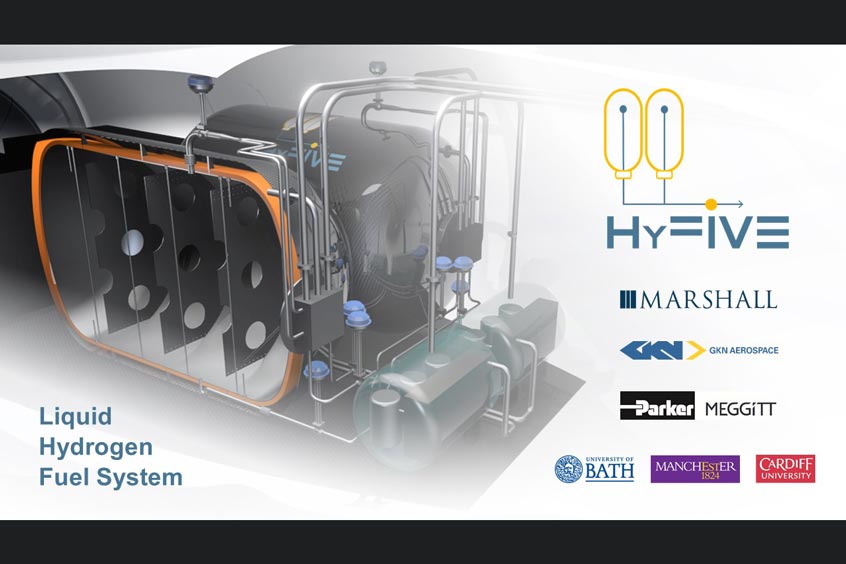
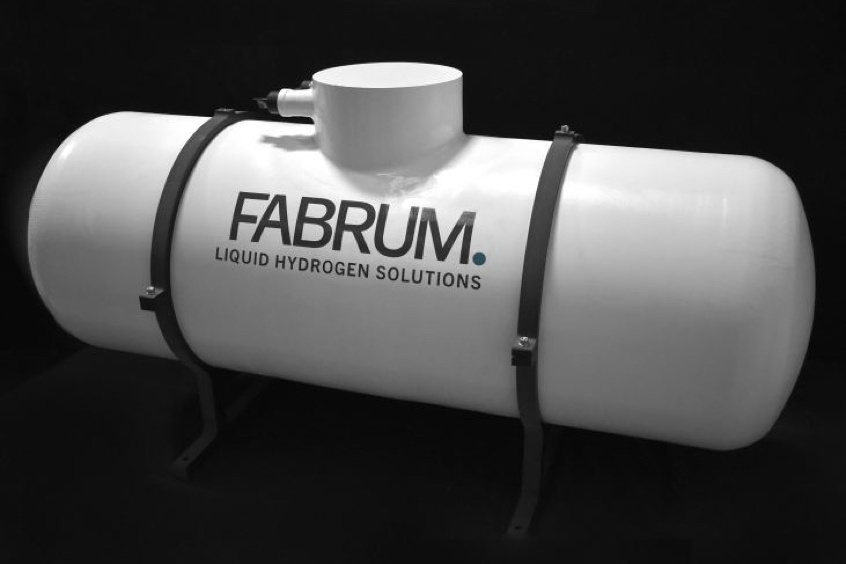
The HyFIVE liquid hydrogen fuel system complements GKN's existing hydrogen electric propulsion programme, H2GEAR.
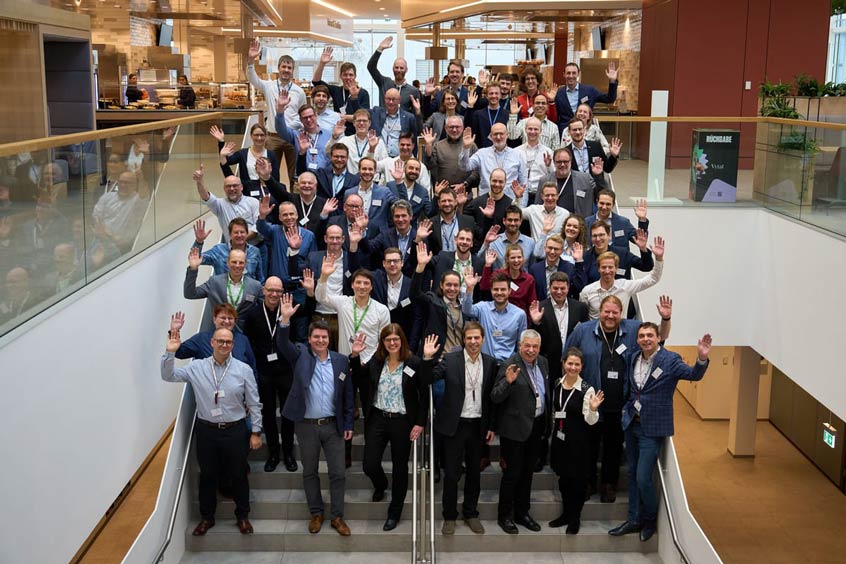
During the HEROPS project's three-year period, the partners, led by MTU, plan to build a ground demonstrator with 1.2 megawatts of power. Regional aircraft could be using the system by 2035.
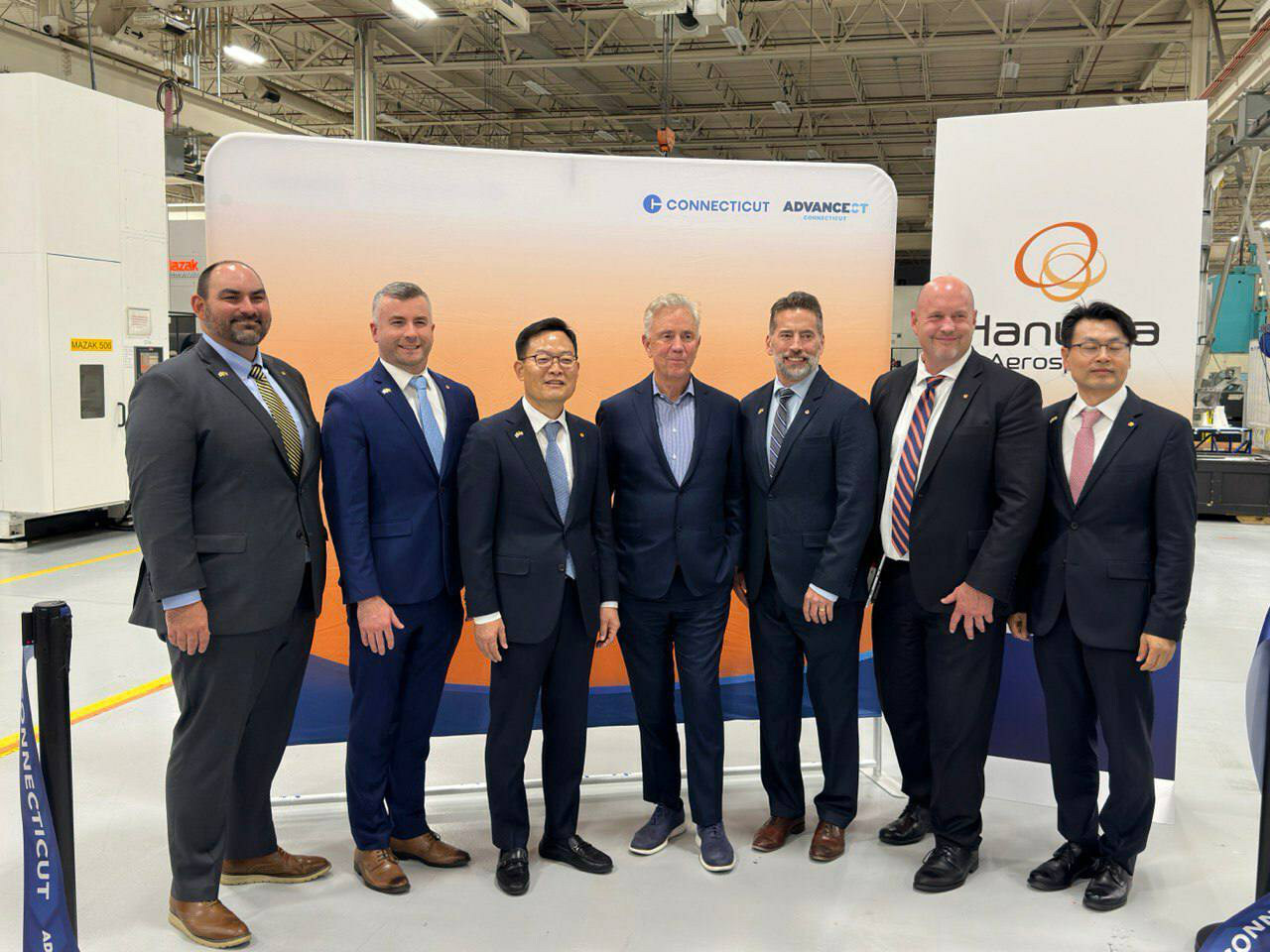
Hanwha says it will be better positioned to drive improved performance of the company's global supply chain and develop a centre of excellence for the company's engineering and technology investments.

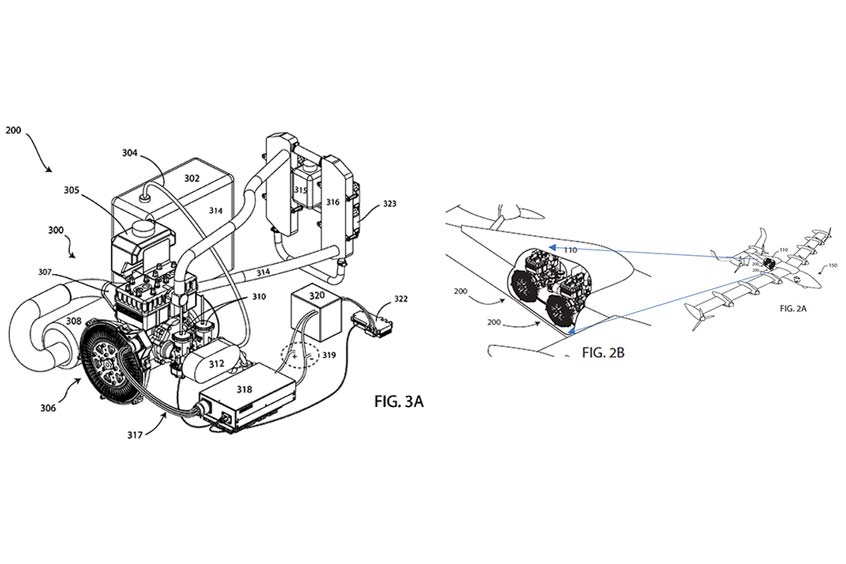
The HPS elevates system-specific power while reducing energy storage mass. It regulates variable voltage sources such as permanent magnet generators while functioning as a microgrid power manager.
The PVL system is inherently self-ballasting, providing zero-static lift on the ground, enhancing safety, and eliminating the cost and complexity of conventional helium airships' typical ground operations.
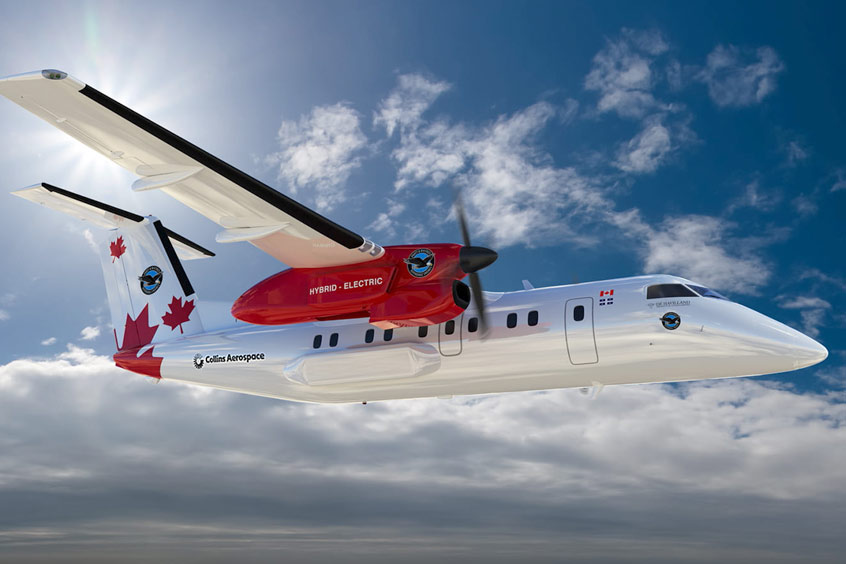
The two companies will work to integrate high voltage electrical systems on an experimental aircraft, and target flight testing to begin in 2024.
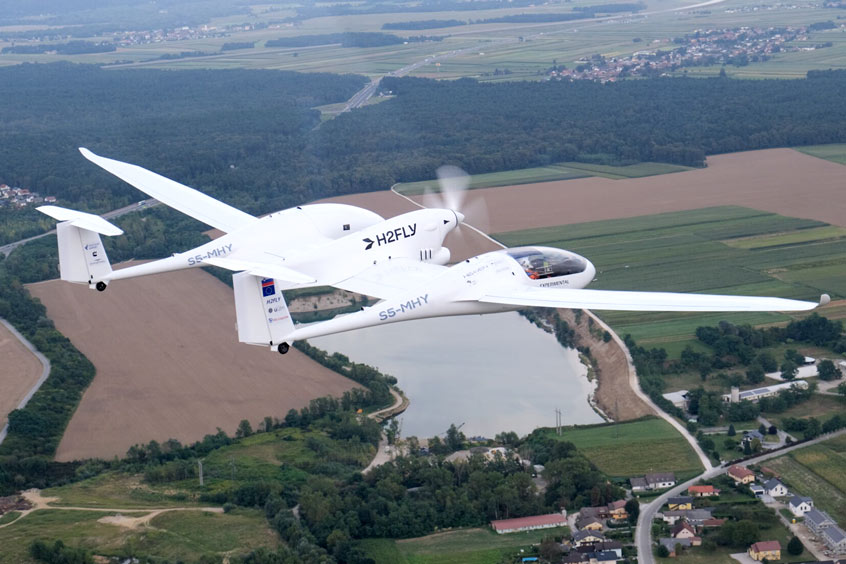
In 2024, H2FLY will open its Hydrogen Aviation Center at Stuttgart Airport, as a focal point for the future of Europe's aviation industry, providing fuel cell aircraft integration facilities and liquid hydrogen infrastructure.
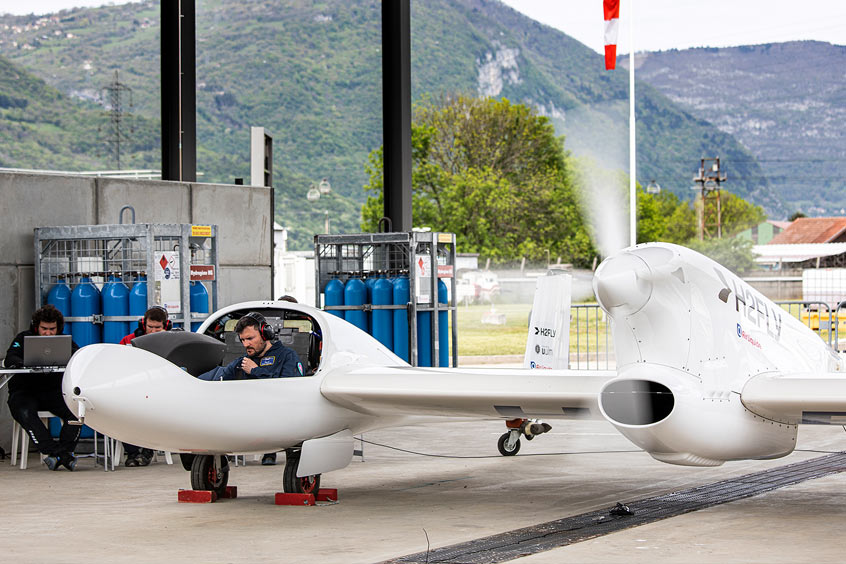
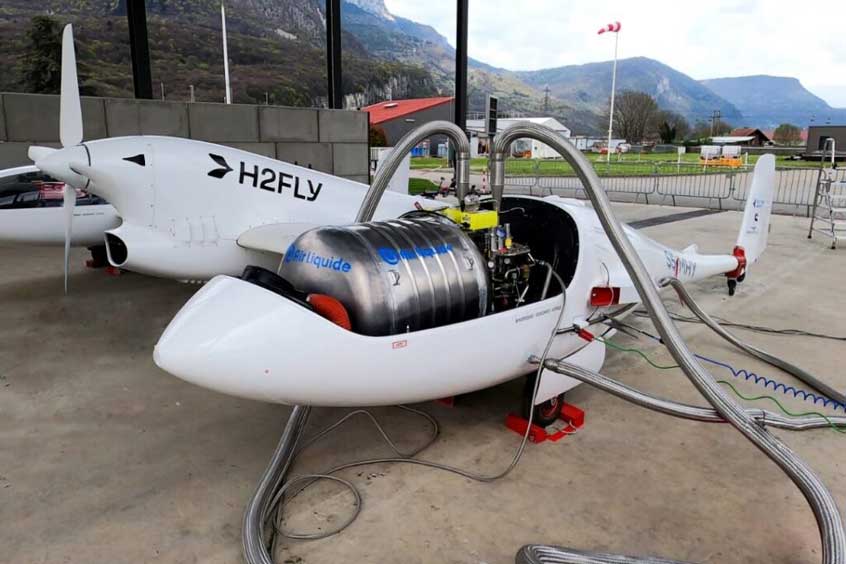
The successful coupling tests are a step toward the upcoming ground and flight test campaign when the HY4 is expected to be the first passenger aircraft to fly with liquid hydrogen and fuel cells.
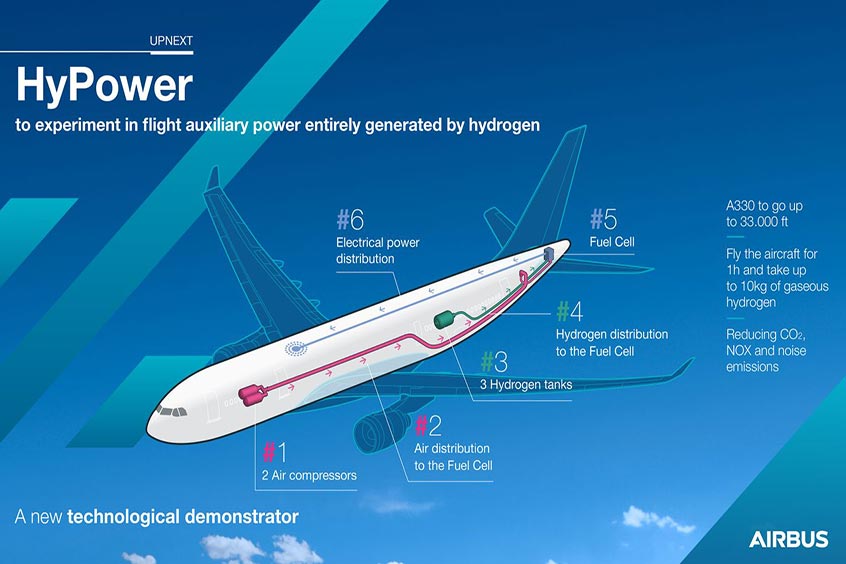
Airbus UpNext will replace the standard APU of an A330 with a hydrogen fuel cell system. Known as HyPower, this could reduce emissions of CO2, nitrogen oxides (NOx) and noise levels.
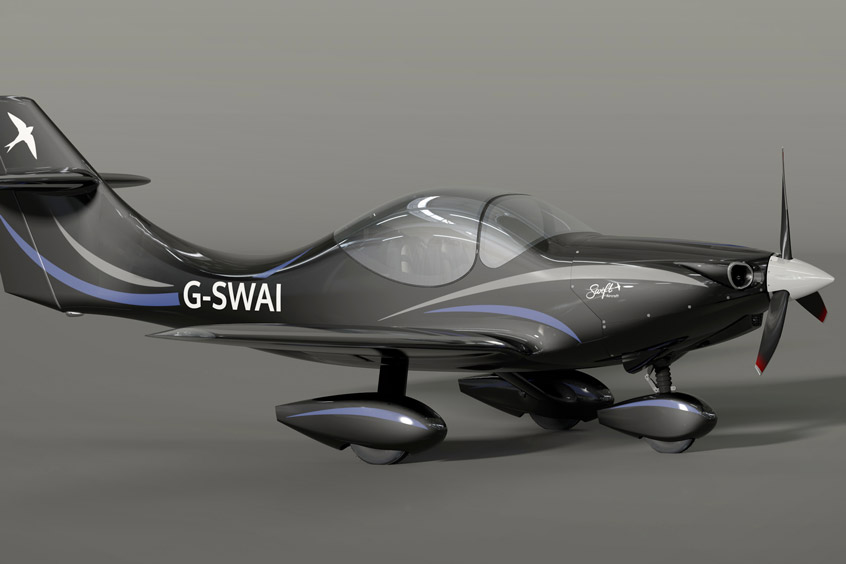

Liebherr-Aerospace now aims to design and qualify a safety-of-flight air supply demonstrator, which is able to withstand the integration constraints in an operational environment close to the propulsion system.
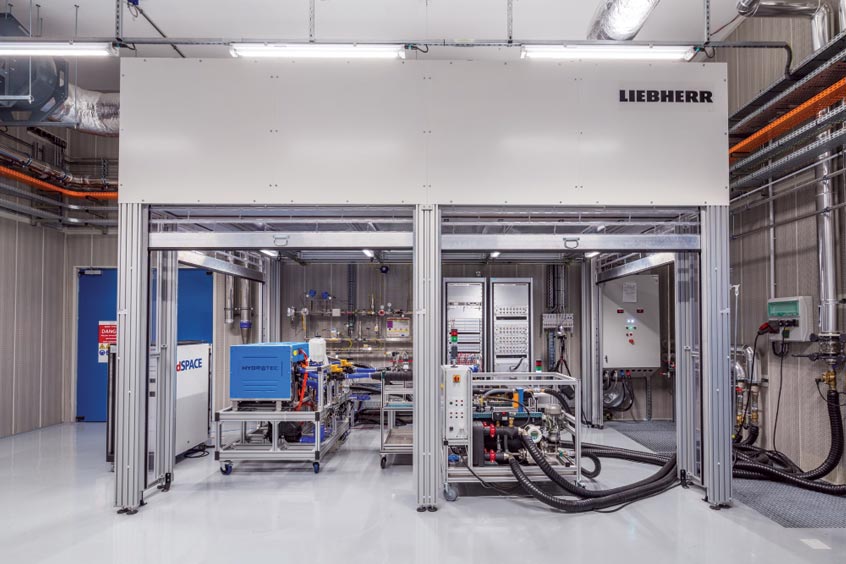
This new test facilities will enable Liebherr to demonstrate the ability to generate electrical power, using fuel cells, to supply the major non-propulsive electrical systems of a new generation single-aisle aircraft.
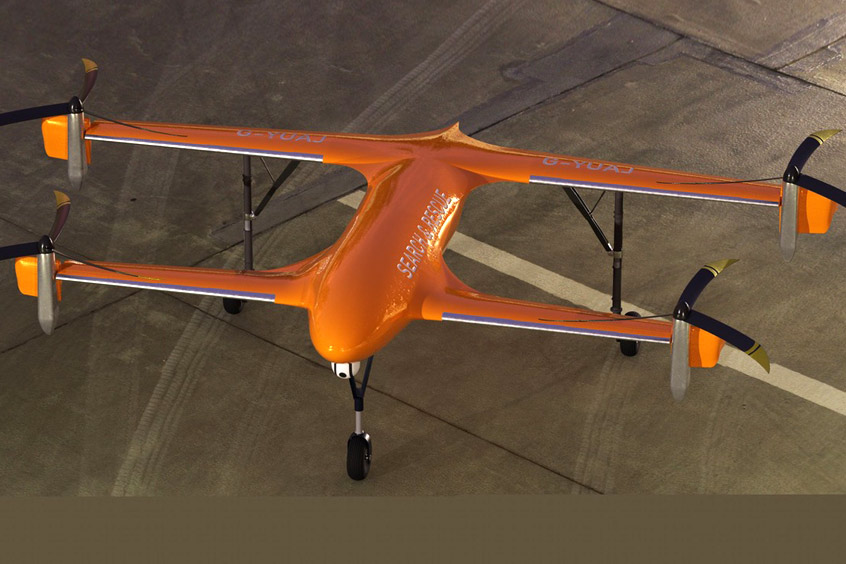
The GKN team has demonstrated fuelling and storage of liquid hydrogen, conditioning and distribution of cryogenic gas, and the use of PEM fuel cells to generate electrical power.