
Every Bulletin story and press release covering Lockheed Martin Skunk Works, newest first.
15 items
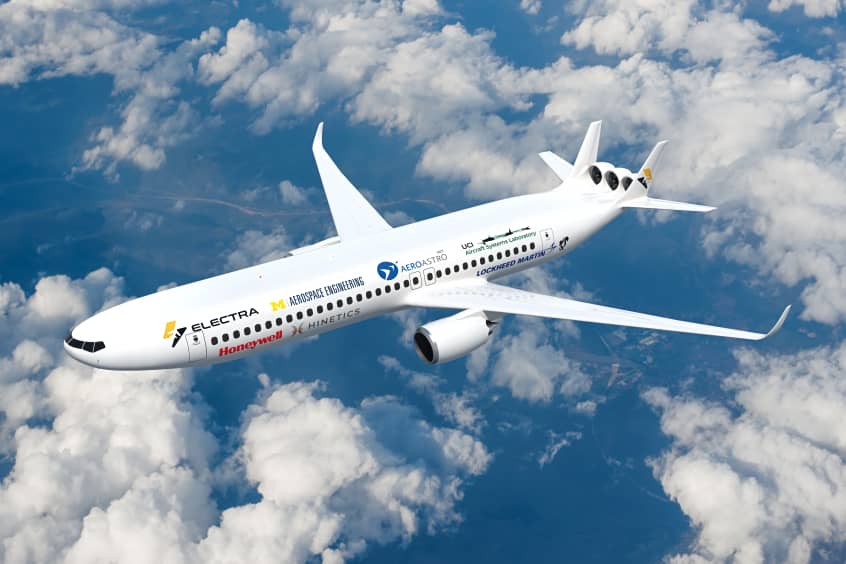
NASA-backed research has explored how electrification could deliver additional efficiency gains while remaining compatible with existing airline operations.
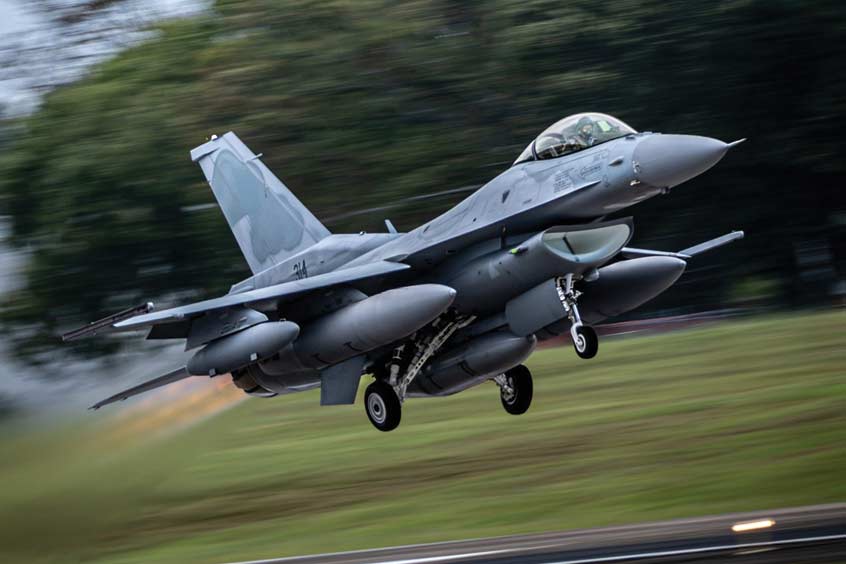
The finished aircraft strengthen NATO interoperability while advancing national air defence modernisation plans across both air forces.
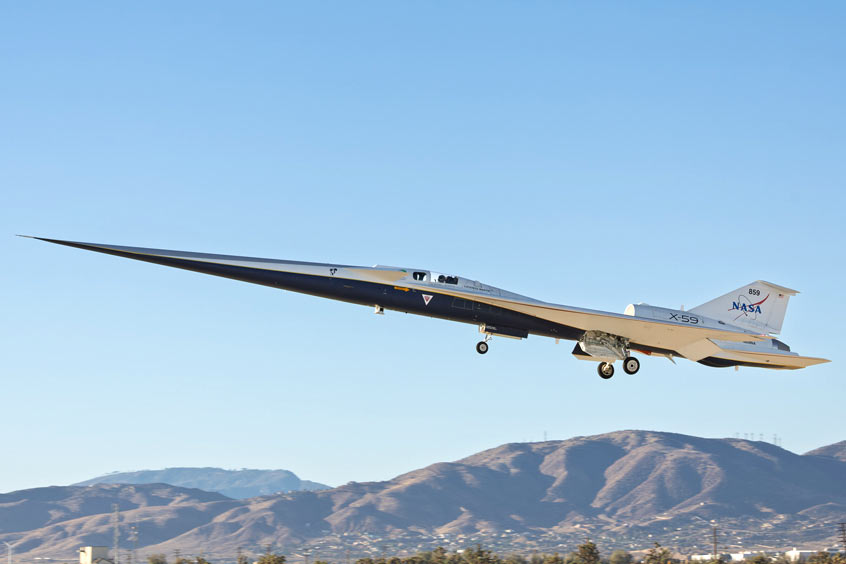
The experimental aircraft flew safely from Palmdale to Edwards in California as part of a NASA programme to reduce the impact of sonic booms and enable future overland supersonic travel.
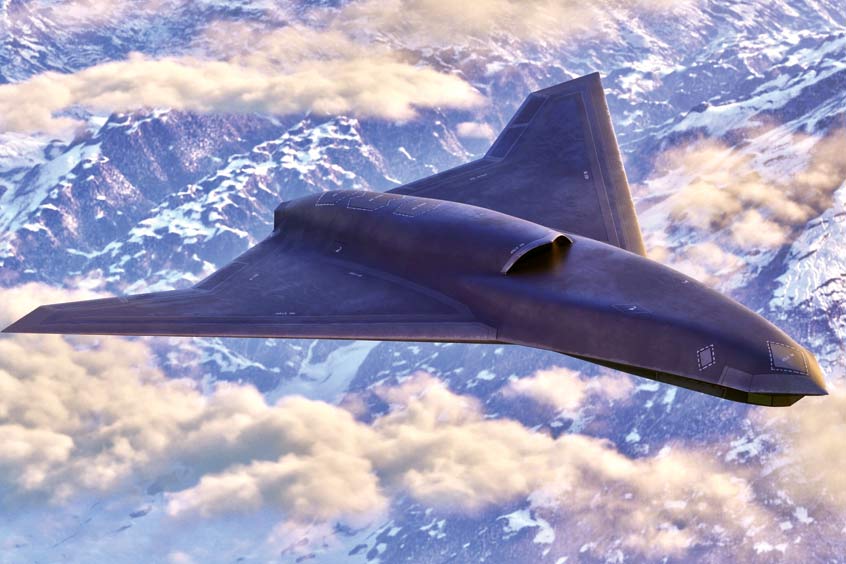
The Vectis aircraft has been designed to combine stealth and affordability with mission flexibility, supporting Indo-Pacific, European and Central Command theatres through advanced manufacturing and digital engineering.
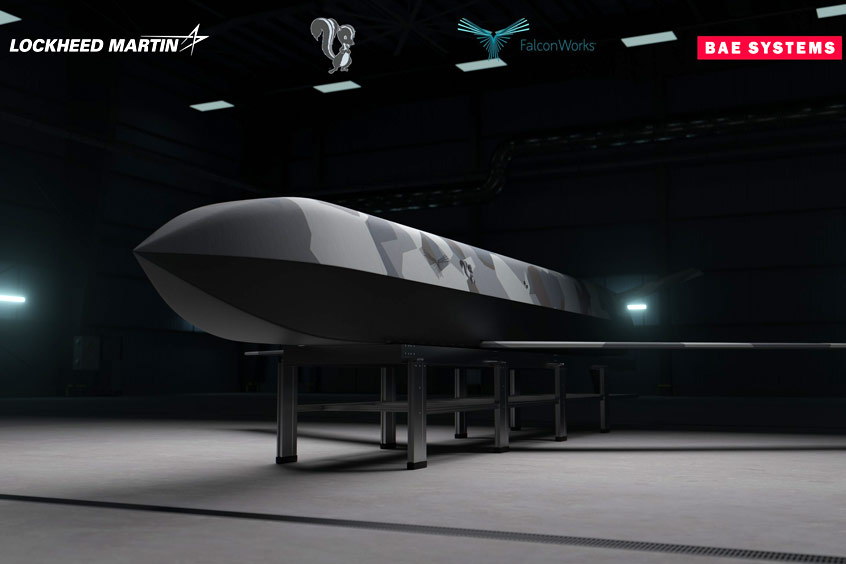
The collaboration was launched at the DSEI global defence conference in the UK and will focus on developing modular uncrewed platforms with electronic warfare and attack capabilities.

AI-enabled target recognition allowed Lockheed Martin onboard systems to distinguish hostile vessels from civilian craft using only local radar processing.
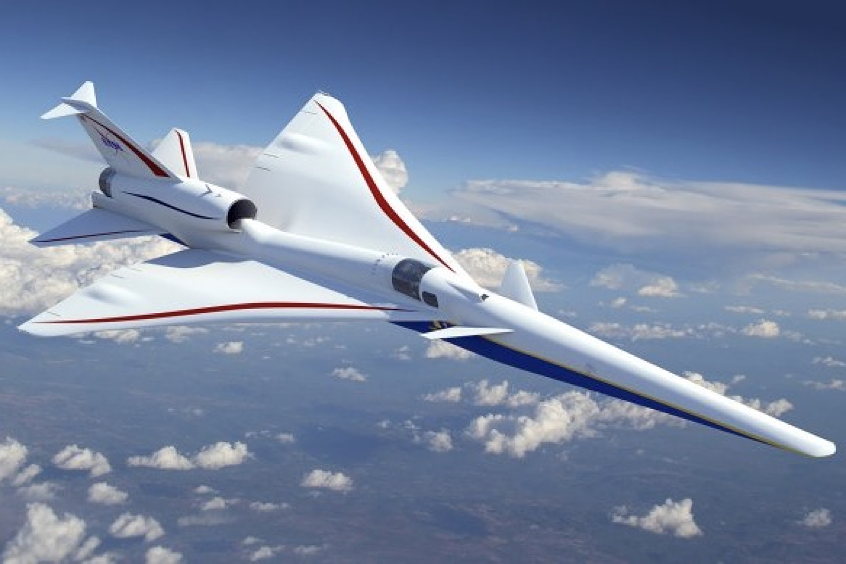
Swift Engineering used Collier Aerospace’s HyperX software to achieve over 25% weight reduction on the X-59’s nose cone, meeting critical design requirements.
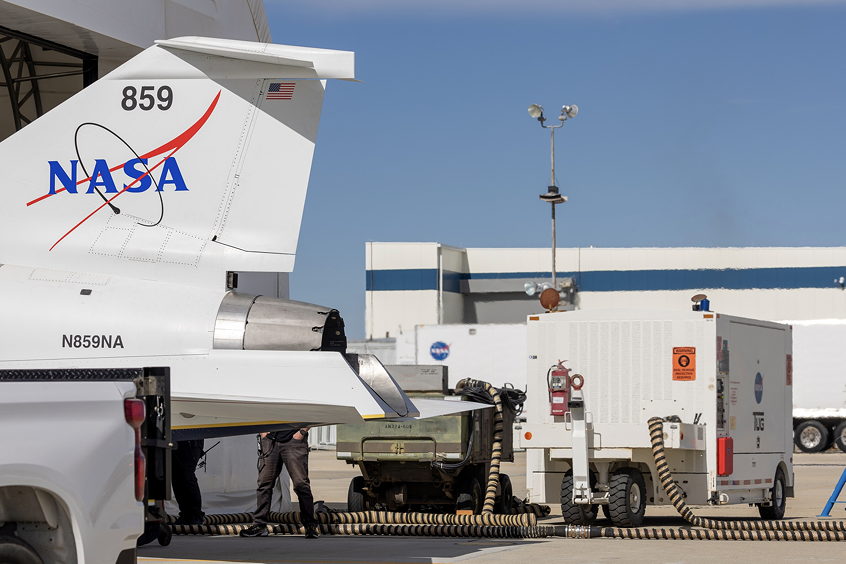
Following these successful engine runs, the X-59 will be evaluated for electromagnetic interference effects, simulated in-flight failure modes and validation of the emergency power system.
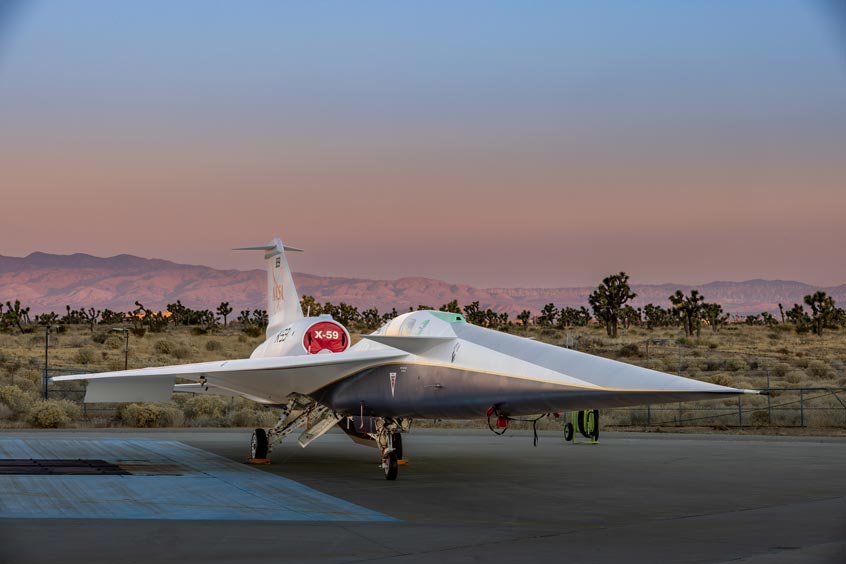
Years of research, development and production of this one-of-a-kind technology demonstrator aircraft should reduce the loudness of sonic booms to a gentle thump.
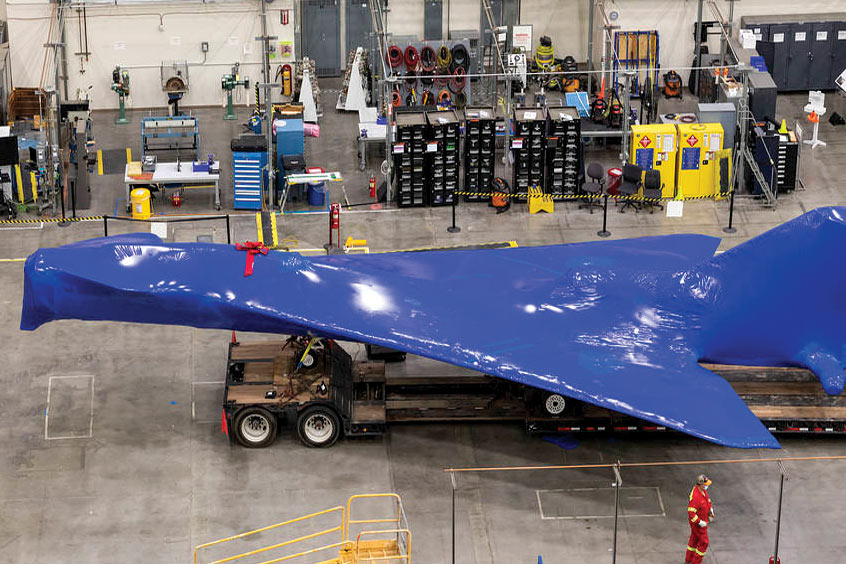
While in Texas, ground testing of the X-59 will ensure the aircraft can withstand the loads and stresses that typically occur during flight. The team will also calibrate and test the fuel systems.
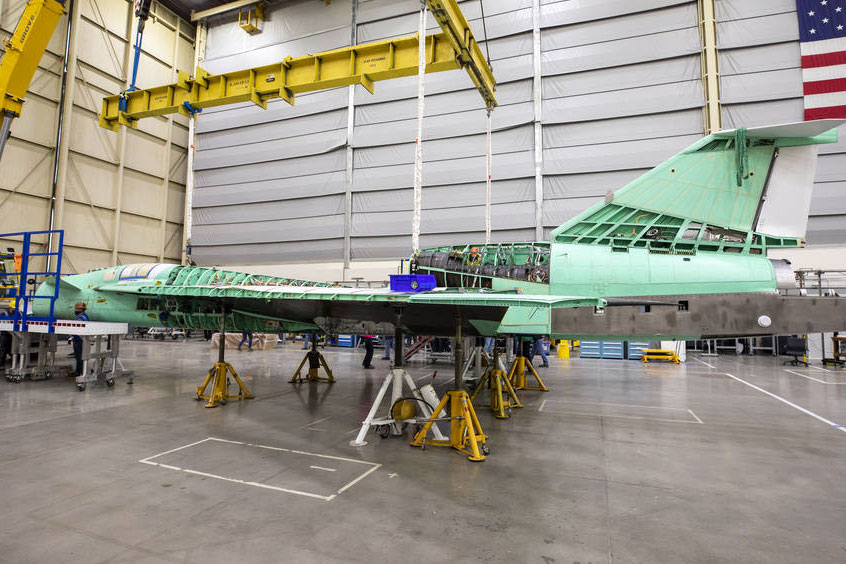
Removed from its jig, the X-59 is ready for final assembly including the first power-on of the aircraft to test its internal systems. The first flight is planned for 2022.
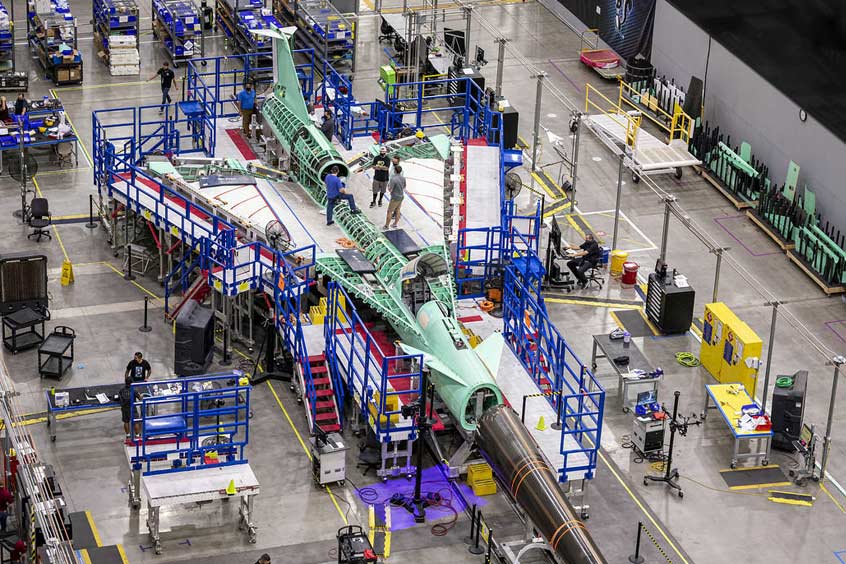
The Lockheed Martin X-59's nose design should allow for quiet supersonic flight, turning the usual sonic boom into a quiet sonic thump. The aircraft will be tested over residential areas and noise feedback will be collected.
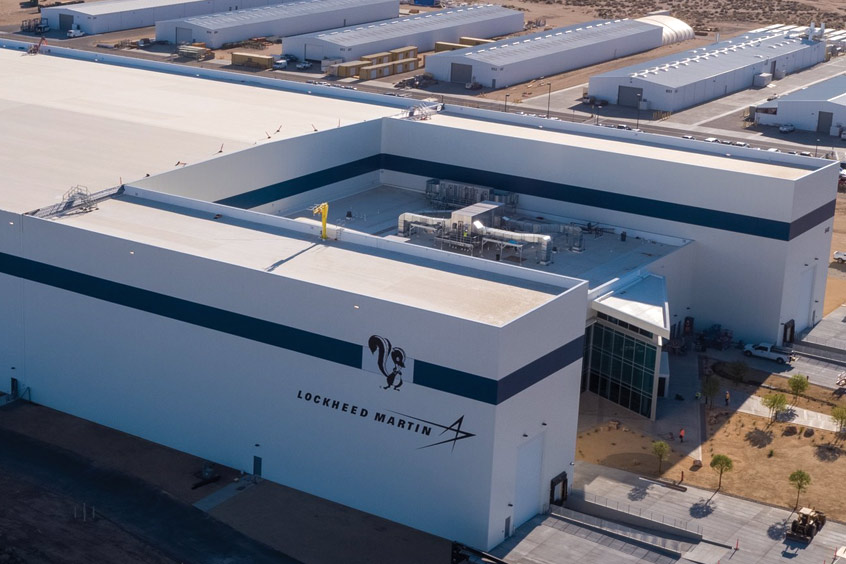
Lockheed Martin set three goals for its latest production building: An intelligent factory framework; a technology-enabled environment; and flexibility to meet priorities with speed and agility. Tick, tick, tick.
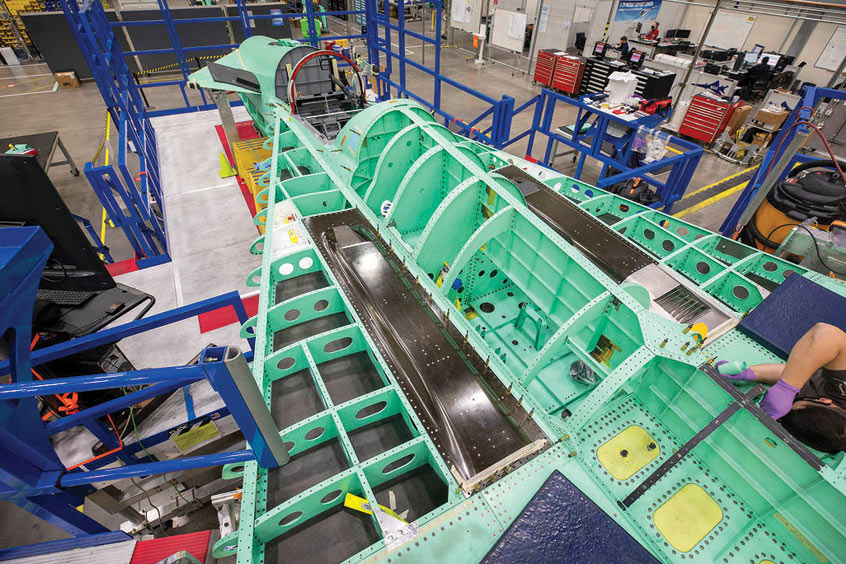
Innovative features on top of the X-59 wing should re-shape the shock wave pattern, substantially reducing the sonic boom to more of a sonic "thump" when it reaches the ground. Collins is onboard for the avionics.
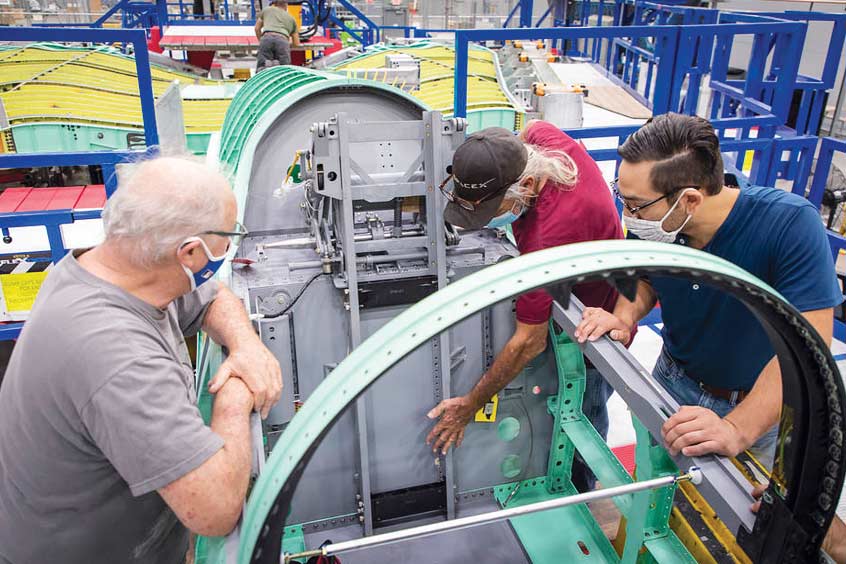
Lockheed Martin is assembling the experimental aircraft for NASA in anticipation of its first flight some time in mid-2022, and is now turning its attention to the cockpit space.