
Every Bulletin story and press release covering Airbus Filton, newest first.
8 items

Full-scale wing extensions will be fitted to an A321neo over the next three years to assess how longer wingspans affect handling and efficiency.

A priority for the Stade ZEDC is the development of cost-competitive lightweight Hydrogen systems such as cryogenic Hydrogen tanks, in composites.
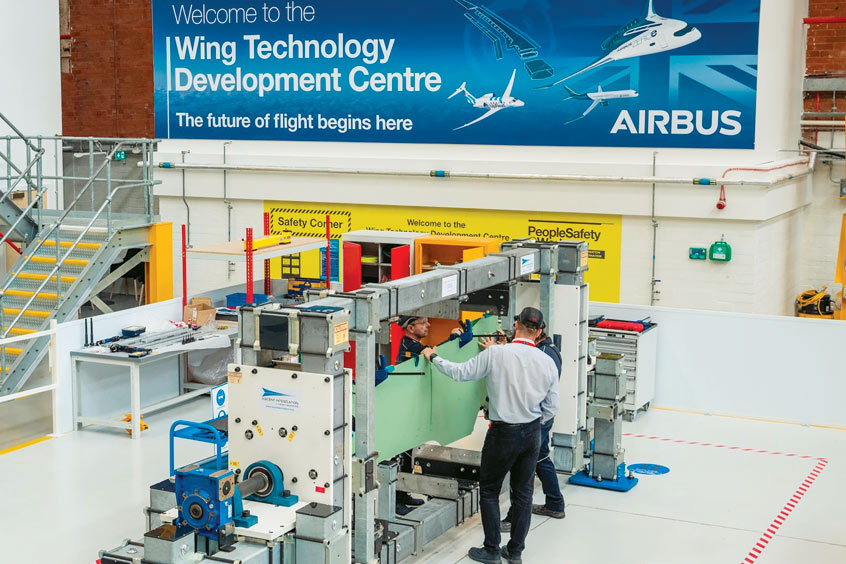
The new facility will help Airbus accelerate the design, build and testing of wings for next generation aircraft, using the latest technology and world-leading demonstrators to further improve the performance of its wings.
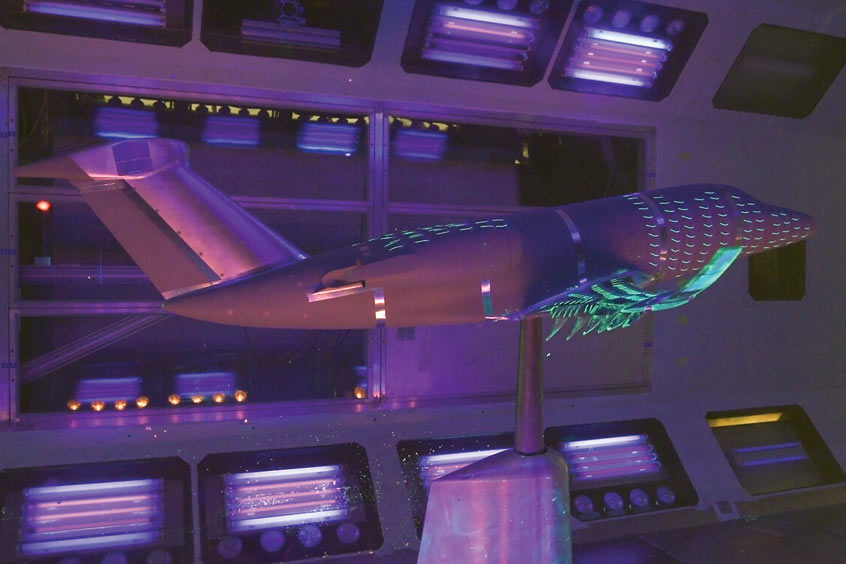
Technologies tested in the Filton wind tunnel - many inspired by biomimicry which takes inspiration from nature to improve wing aerodynamics - will include gust sensors, pop-up spoilers and multifunctional trailing edges.
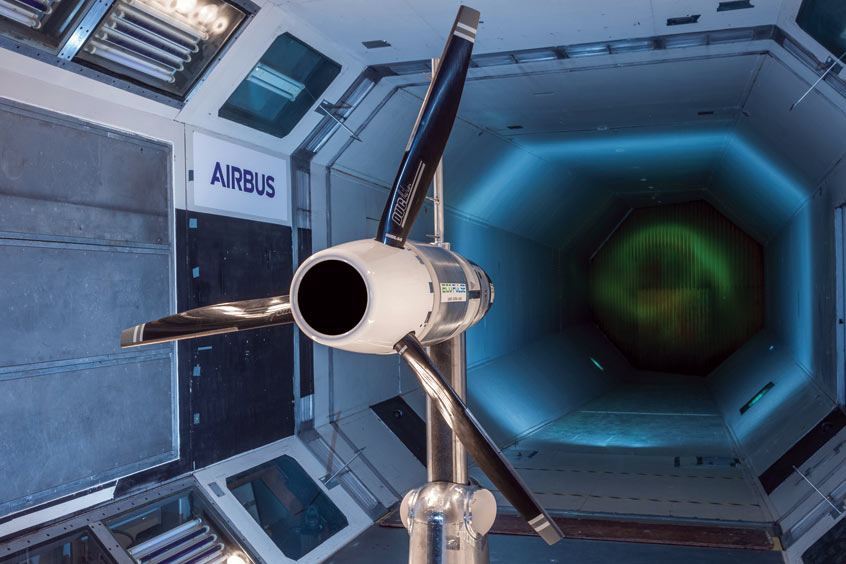
Distributed Propulsion Systems consist of breaking down thrust generation into many small engines spread out along the span of the wing. Wind tunnel work will now reveal its final energy performance.
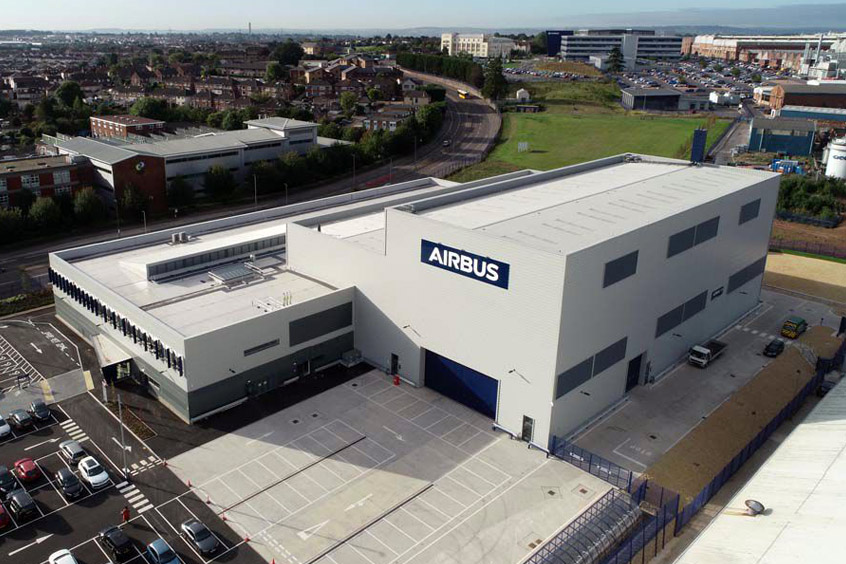
The facility includes labs, collaborative office space, and reconfigurable testing areas - a combination of test assets reckoned to be unique in Europe. It will be central to the Airbus Wing of Tomorrow programme.
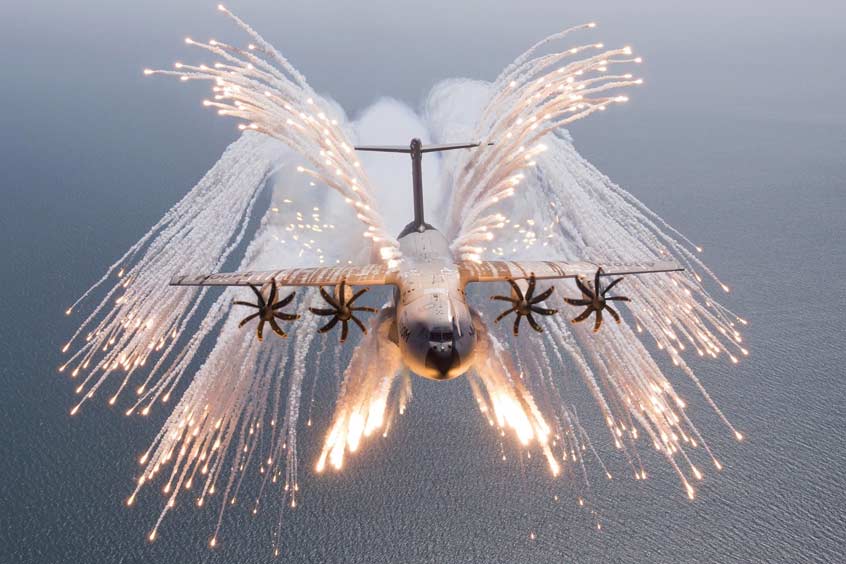
Parts include a range of thermoplastic and pre-preg composite components to be supplied to the Airbus A400M composite wing box assembly line at the Filton facility in Bristol in the UK.

Freely flapping wing-tips can be capable of reacting and flexing to wind gusts in a way that improves aircraft performance, and the AlbatrossONE has now flown with longer wing-tips than ever.