
Every Bulletin story and press release covering Boom Supersonic, newest first.
18 items
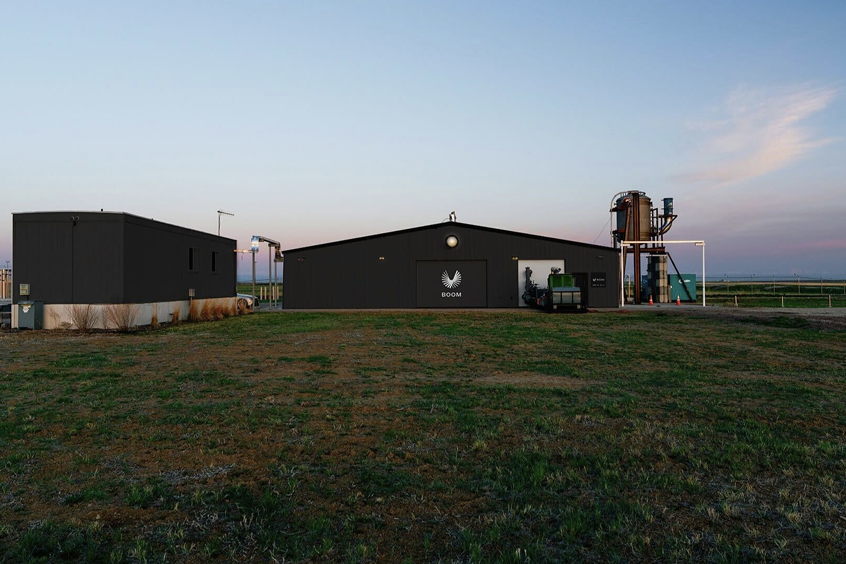
The Adams County facility will support core trials of the Symphony engine, developed in-house for Boom's Overture passenger aircraft.
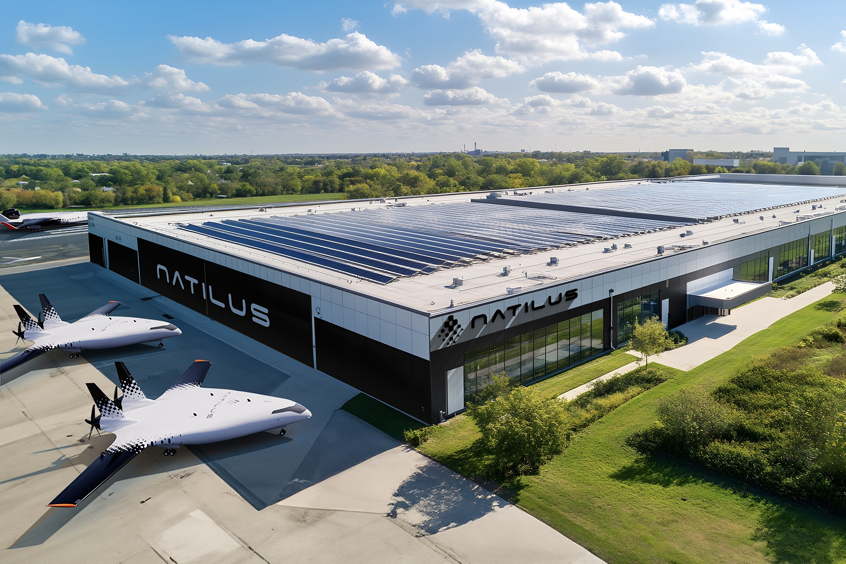
A site selection process is under way for a 250,000 square foot plant with future plans to expand Horizon production in second phase.
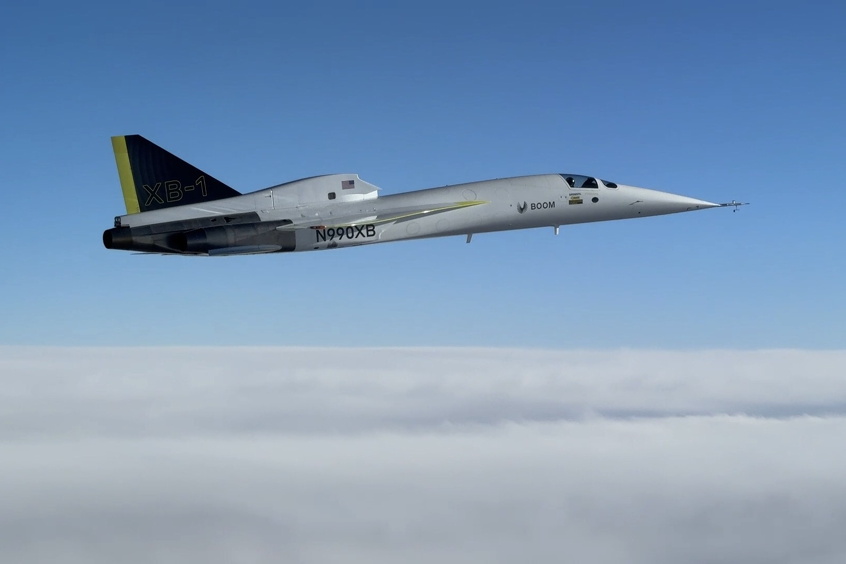
Boom Supersonic's demonstrator aircraft broke the sound barrier, completing a significant testing phase for supersonic commercial flight.
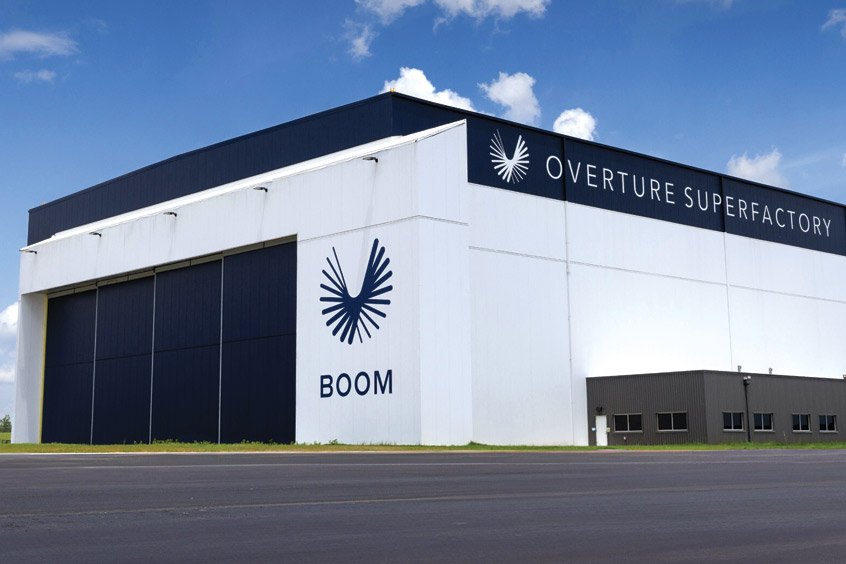
Boom will now focus on equipping the production floor. With tooling supplier Advanced Integration Technology, it will procure and install tooling into the Superfactory, beginning with an advanced test cell unit.

The FAA has issued a first-of-its-kind authorisation to XB-1 for supersonic test flights, planned for later this year in the Black Mountain Supersonic Corridor in Mojave, CA.
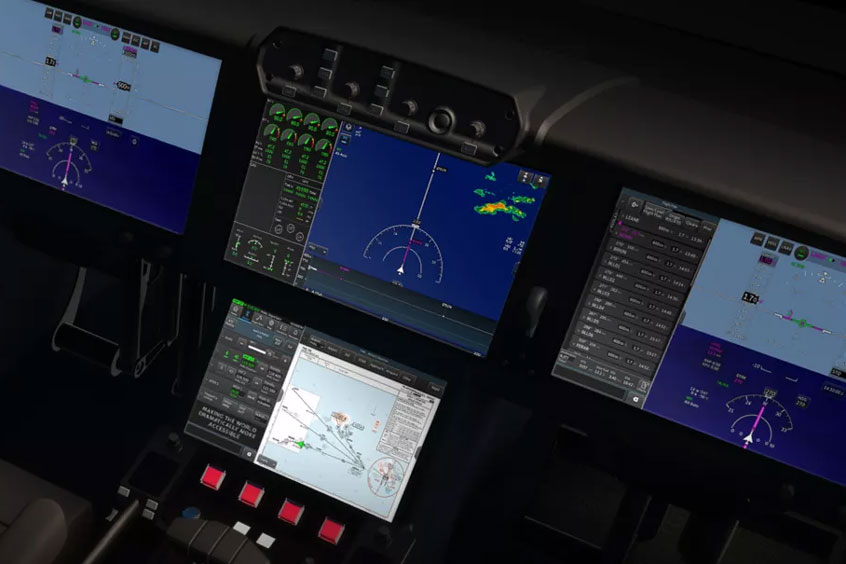
Honeywell successfully completed the first flight of its Anthem integrated flight deck using its Pilatus PC-12 test aircraft in May 2023, paving the way for Federal Aviation Administration certification.
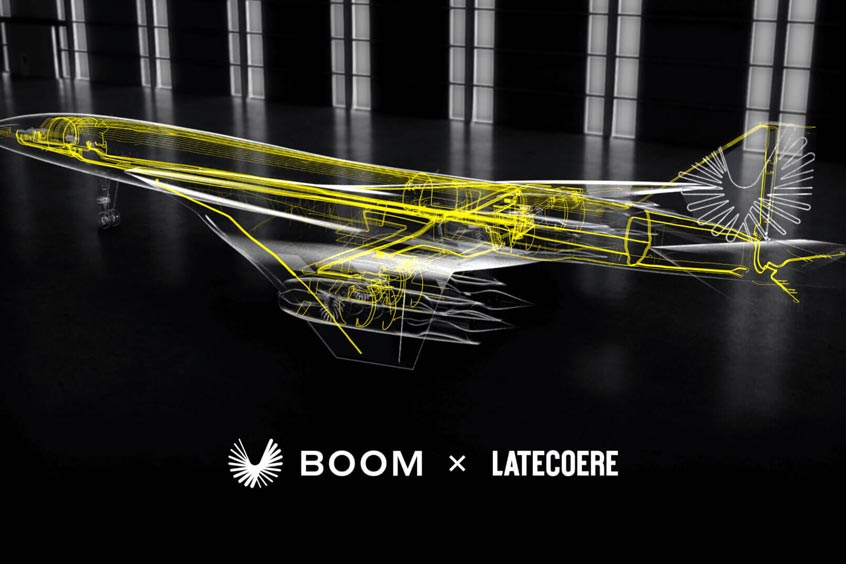
The EWIS will comprise over 103 kilometres (64 miles) of wiring, requiring more than 45,000 electrical connections, guaranteeing optimal safety and system reliability for Overture and Symphony.
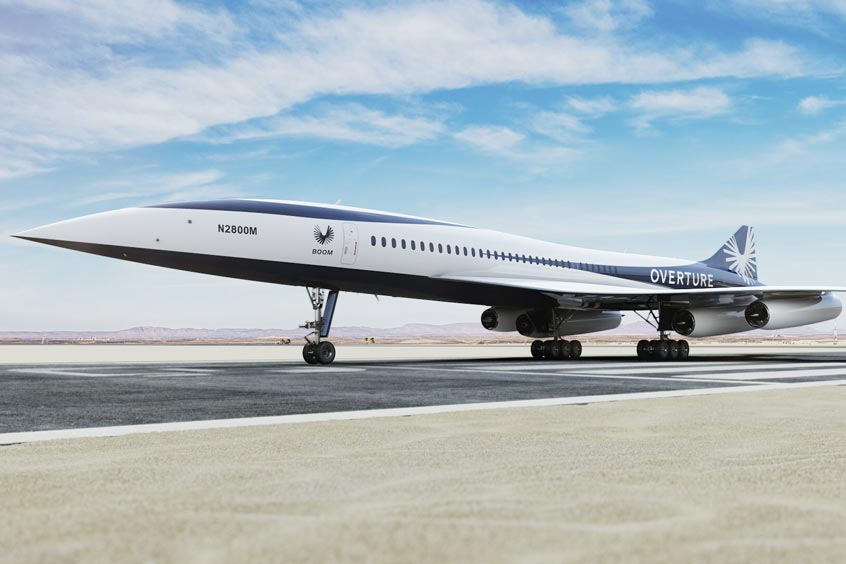
The XB-1 concept vehicle could be flying soon, the Overture aircraft's factory is on schedule, and its Symphony engines are on track for hardware rig tests.
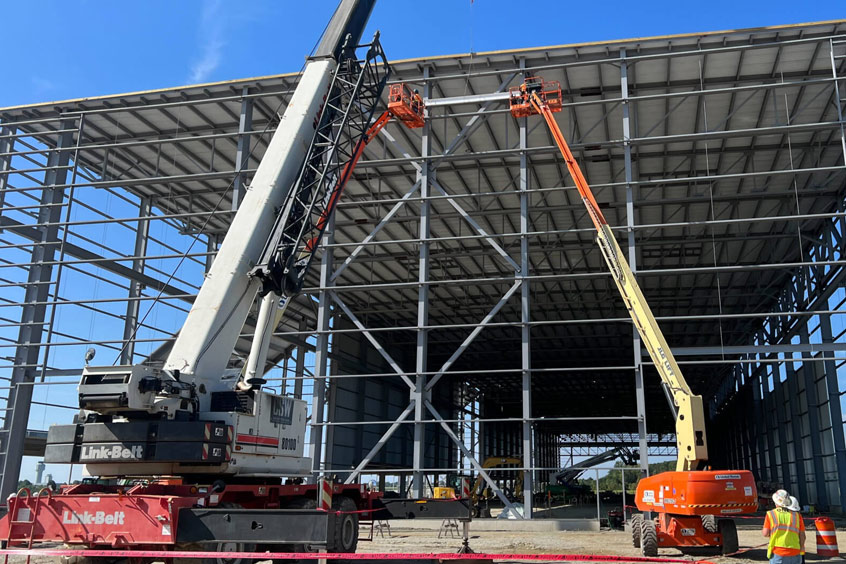
With a significant portion of the exterior building constructed, the Overture Superfactory continues to take shape and remains on track for completion in 2024.
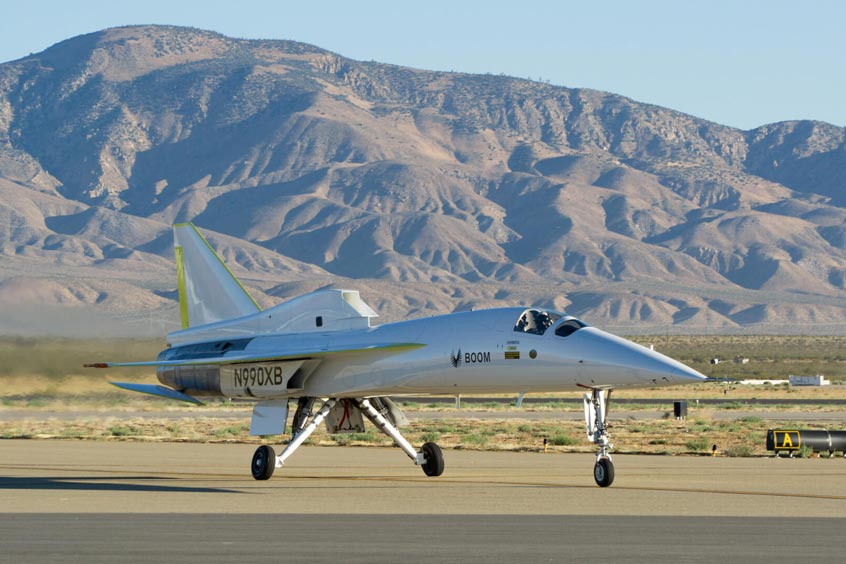
The XB-1 rolled out of Boom's hangar in Centennial, Colorado in 2020, since when rigorous testing of all internal subsystems has been completed. Upgraded landing gear and engine intakes have been installed.
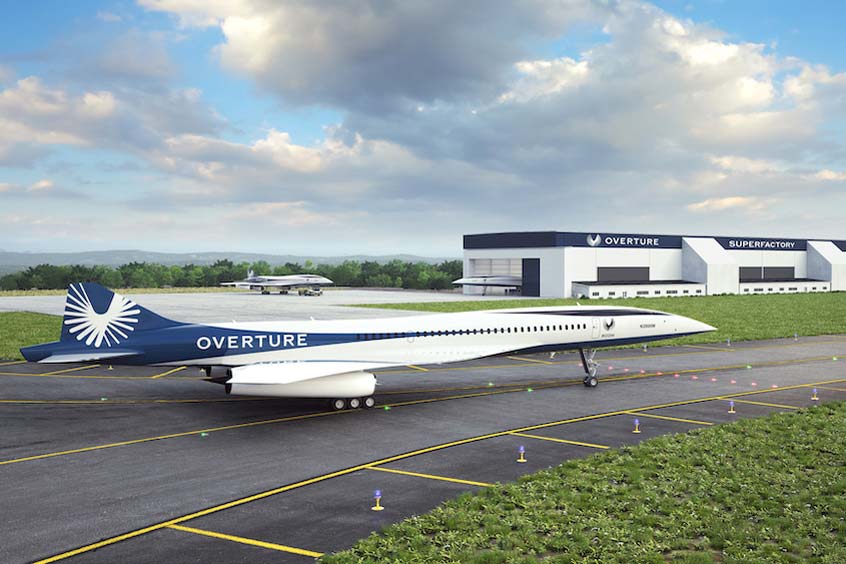
By 2032, Boom will hire more than 2,400 workers at the factory, and recruiting is already under way. The North Carolina location is close to several top-tier aerospace suppliers.
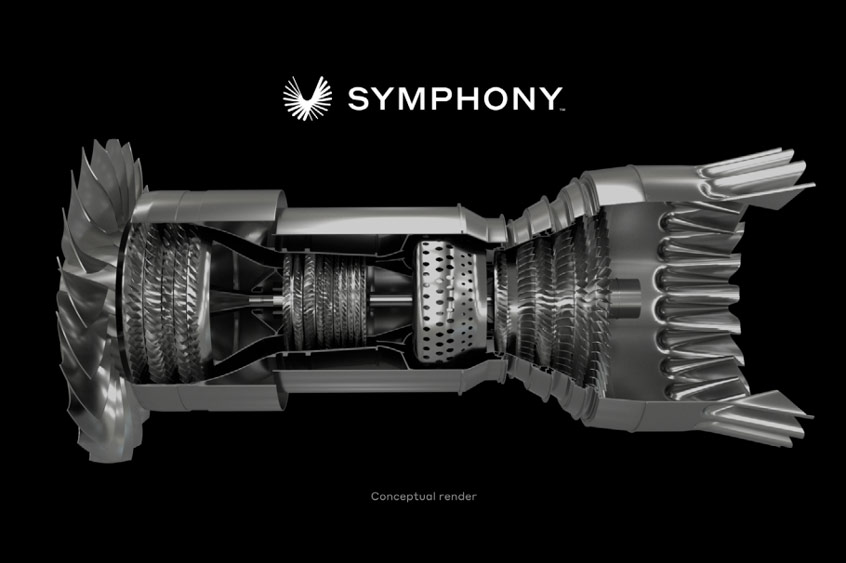
Symphony will be a conventional medium-bypass turbofan engine, but with a Boom-designed axisymmetric supersonic intake, a variable-geometry low-noise exhaust nozzle, and a passively cooled high-pressure turbine.
AIT will provide an end-to-end system for the factory, creating transportation and positioning tools for fuselage assembly, wing assembly, wing-to-fuselage joining, and final assembly.
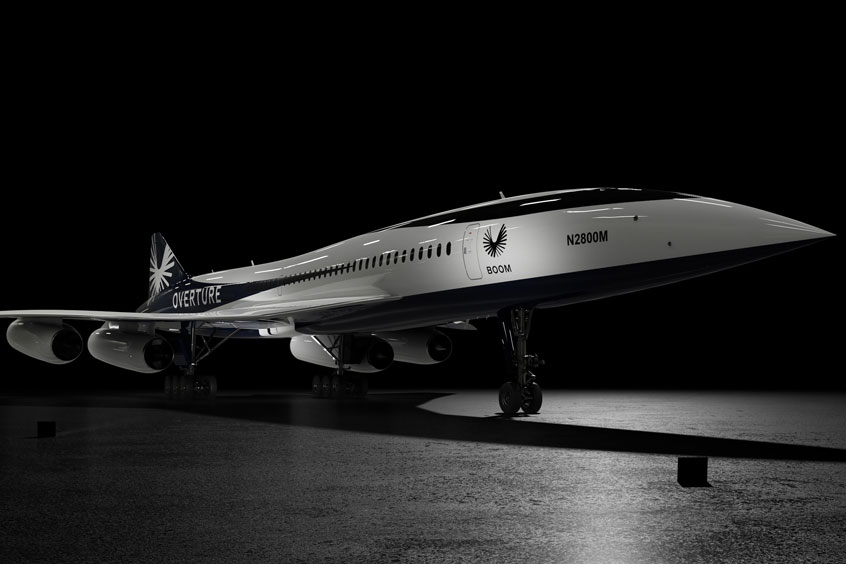
The company will pursue new use cases for Boom's Overture to support government and military operations that require rapid response, including reconnaissance, command and control, and mobility and logistics.
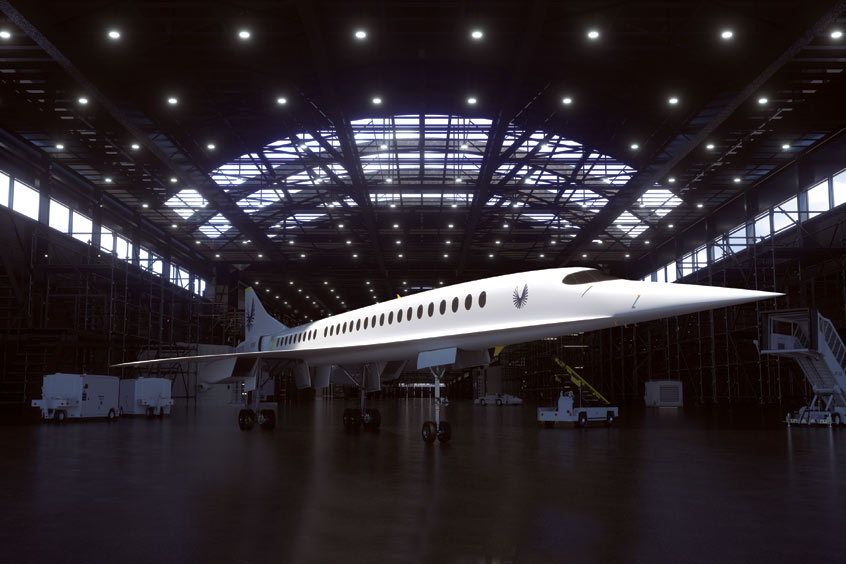
The Overture Superfactory will be approximately 400,000 square feet and constructed on a 65-acre campus at the Piedmont Triad International Airport. It will bring more than 1,750 jobs to North Carolina by 2030.

STRATFI funding will accelerate design and development initiatives on Overture, including wind tunnel testing and propulsion system definition. The award follows an SBIR Phase 2 contract awarded in September 2020.
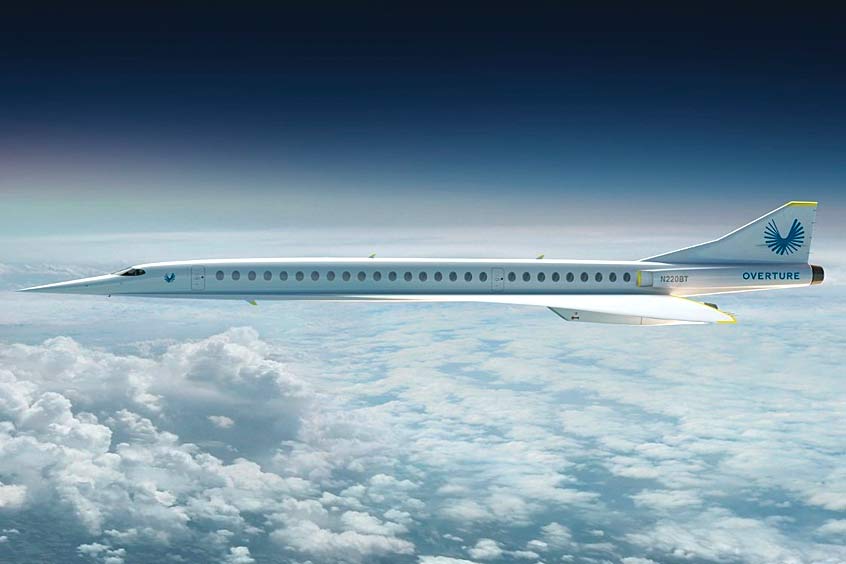
Collins has completed 19 nacelle certification programs over the past decade, so believes it is uniquely positioned to collaborate with Boom Supersonic as it aims for greater economy and lower noise.
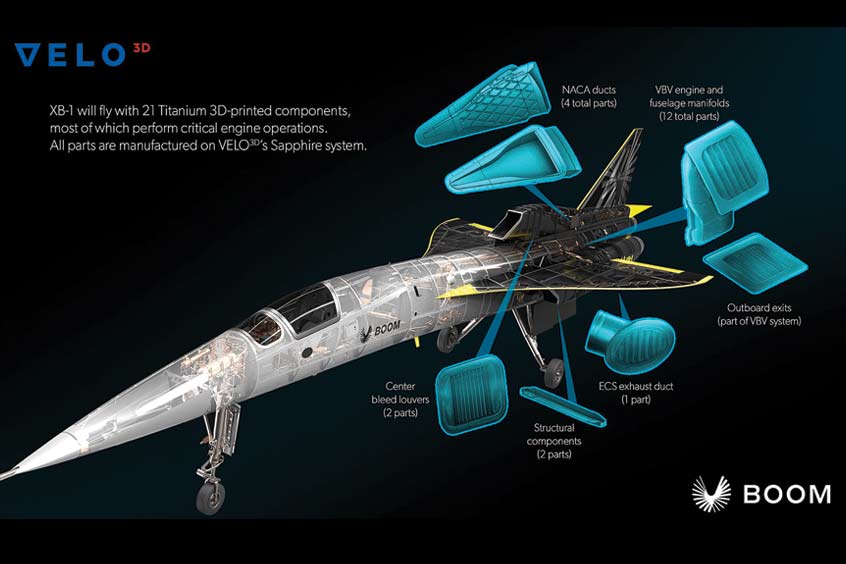
Getting the XB-1 airborne and through the sound barrier will be a major step towards the development of Boom's Overture supersonic jet. Flight testing will be carbon-neutral, the company says.