


Every Bulletin story and press release covering Heart Aerospace, newest first.
10 items
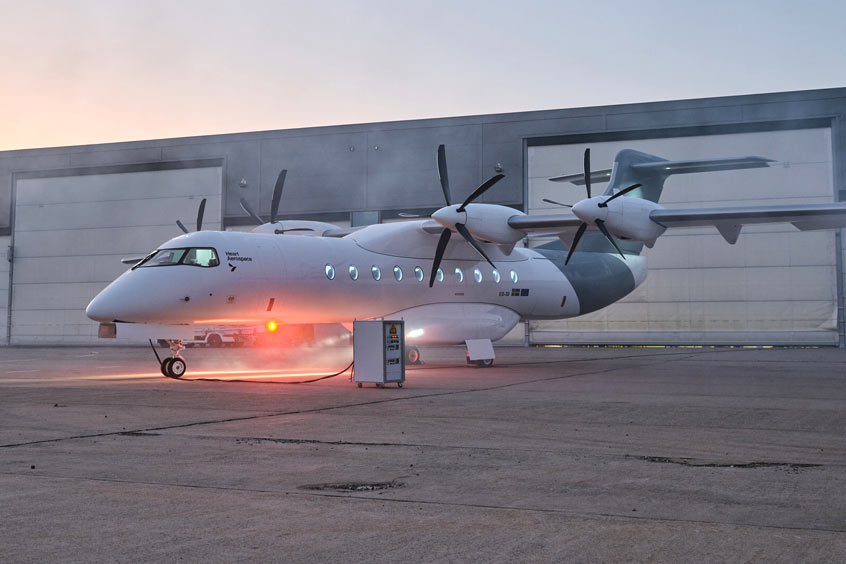
Most aircraft designs locate the nacelle under the wing, but Heart’s are centred on the wing and designed for a vortex generation at a high angle of attack, reducing deterioration in wing performance.
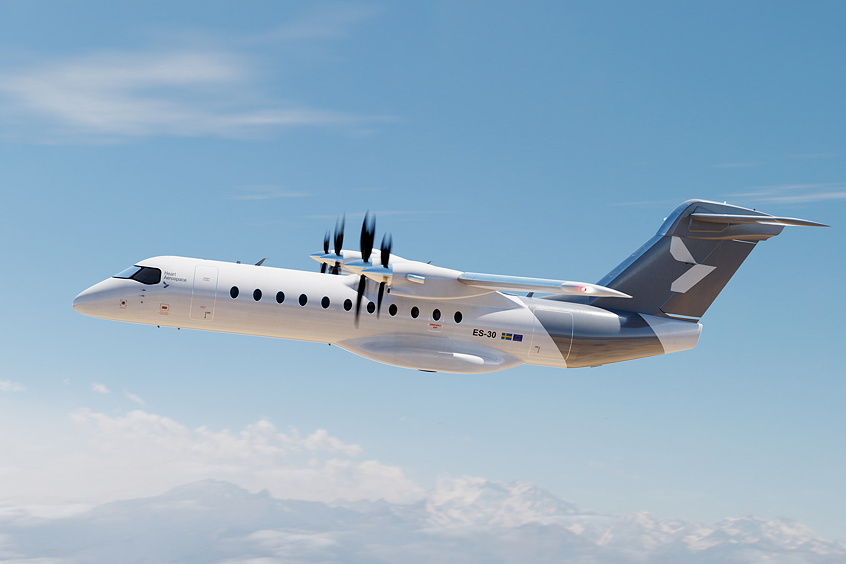
CTO Benjamin Stabler will lead the hub, which will focus on the advancement of Heart's hybrid-electric propulsion system and other key technologies.
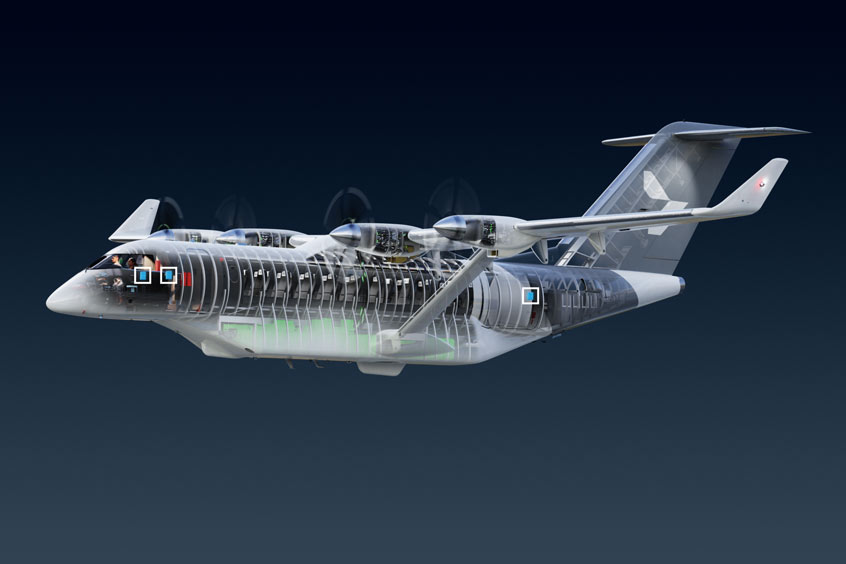
Honeywell's next-generation compact fly-by-wire system is in an advanced stage of development on multiple aircraft, and is adaptable to the ES-30, allowing Heart to bring it to market quickly and cost-effectively.
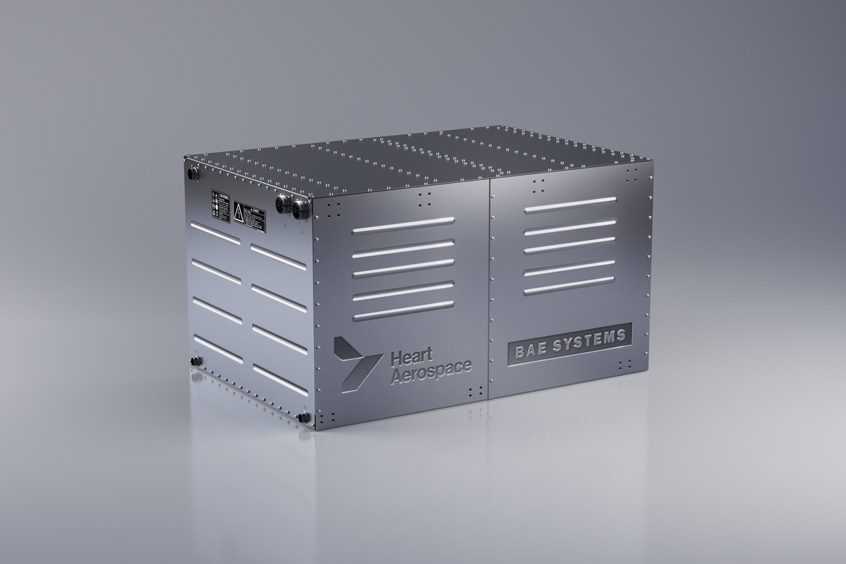
The battery will be the first-of-its-kind to be integrated into an electric conventional takeoff and landing (eCTOL) regional aircraft, allowing it to efficiently operate with zero emissions and low noise.
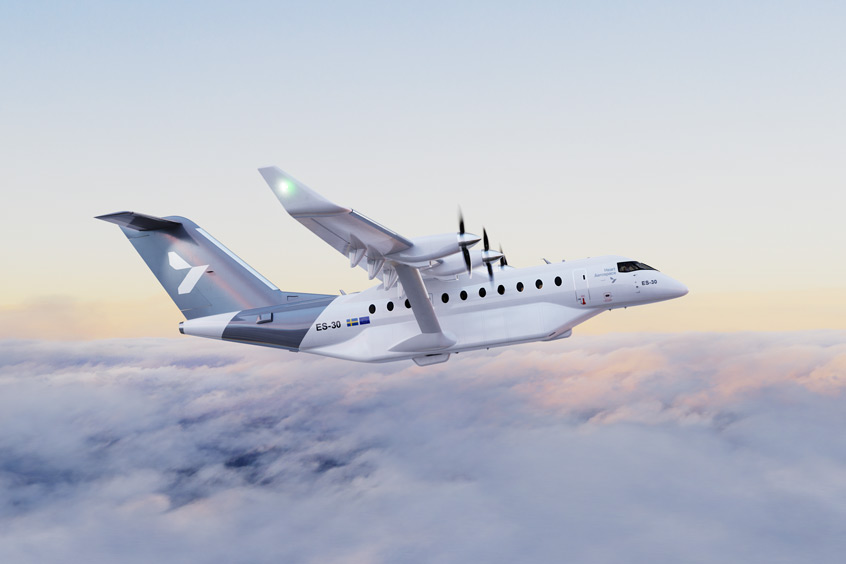
A first phase in the establishment of Heart's Northern Runway is scheduled to be finalised by mid-2024, with test flights scheduled to start in 2026. Heart Aerospace expects to deliver its first ES-30 aircraft in 2028.
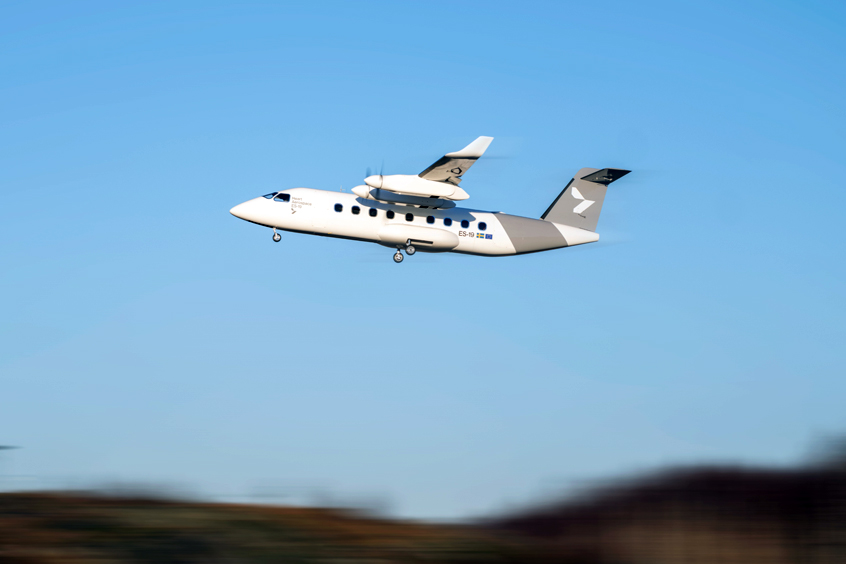
This sub-scale demonstrator was supported by the Swedish Innovation Agency Vinnova, as a part of the research project "Elise - Electric Aviation in Sweden". The full-scale aircraft should fly in 2024.
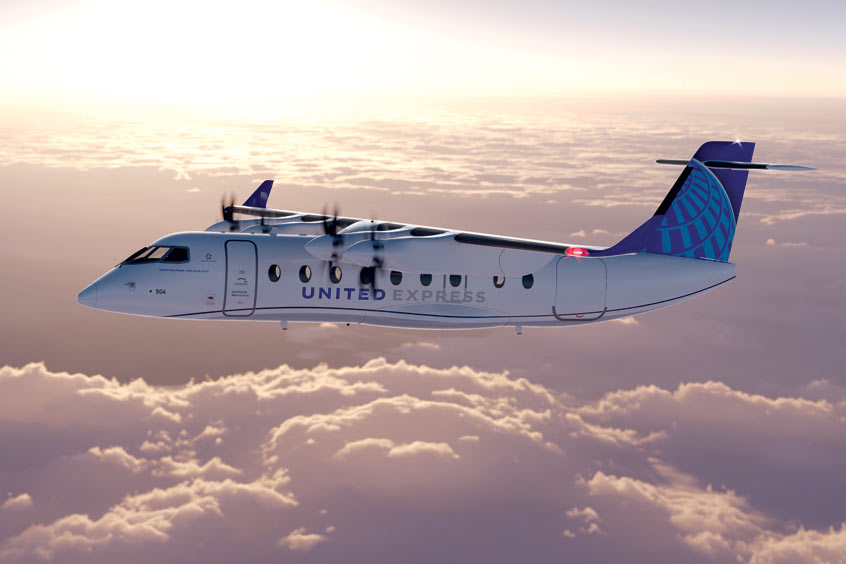
Specifically tailored for electric aircraft, the G3000 system that will be featured in Heart Aerospace's ES-19 delivers enhanced capabilities to optimize the aircraft's electric drive train and battery management systems.
The 19-passenger ES-19 has an aluminium airframe with retractable landing gear, a high wing, a T-shaped empennage and a non-cylindrical fuselage to optimise the cabin interior. It is Heart Aerospace's first aircraft.
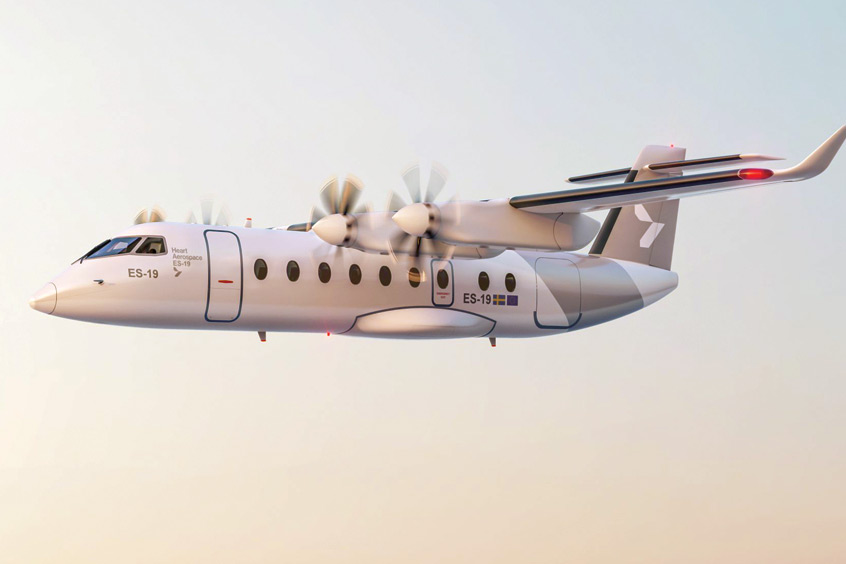
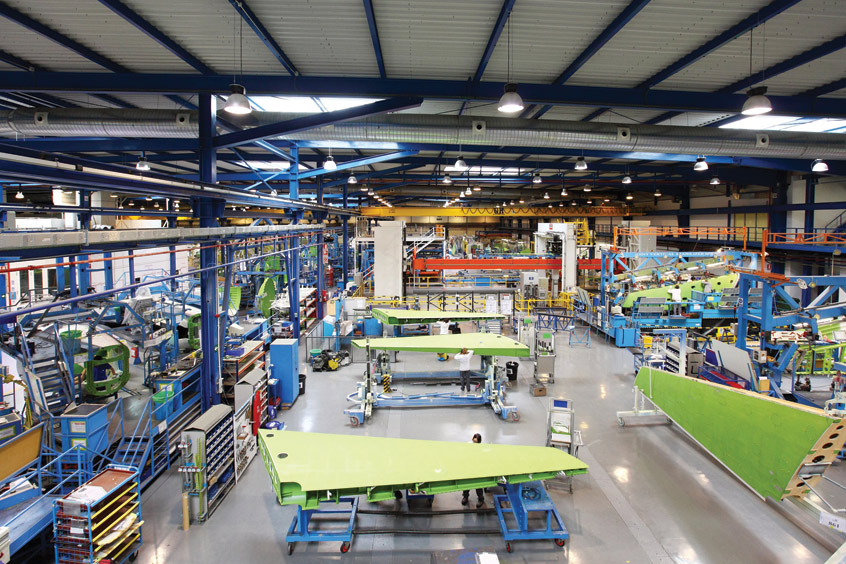
Latecoere teams will work at its headquarters in Toulouse as well as at Heart Aerospace's site in Gothenburg, Sweden, in an 18-month design and engineering process to create doors for the ES-19.
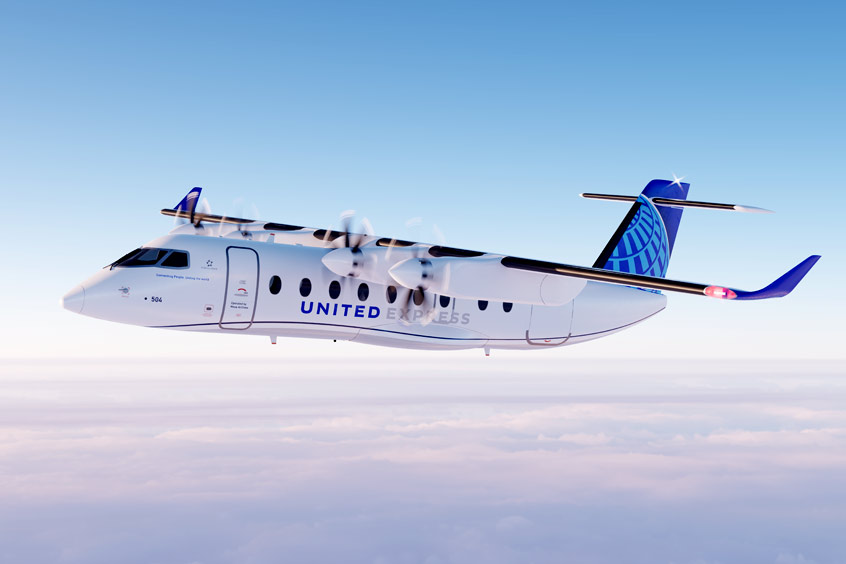
Two major airlines have backed Heart Aerospace's proposed 19-seater electric aircraft with large orders. They will replace some of the 1,500 aircraft in this category retired in the past 30 years through economics.