

Every Bulletin story and press release covering Turbine Engines, newest first.
1,554 items · page 4 of 32
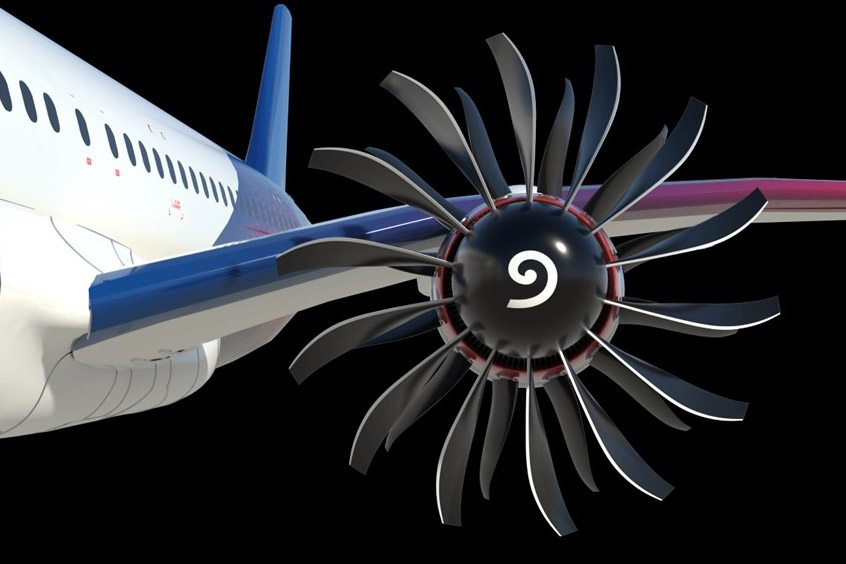

Wave engines are a class of aircraft engines that operate using pressure waves instead of rotating machinery. Intermittent combustion inside a hollow tube produces pressure waves that push hot gases and produce thrust.

Applying winglets to the blade tips significantly changes the geometry of the blade and hence the flow around it, giving rise to improvements in both turbine and overall engine efficiency.
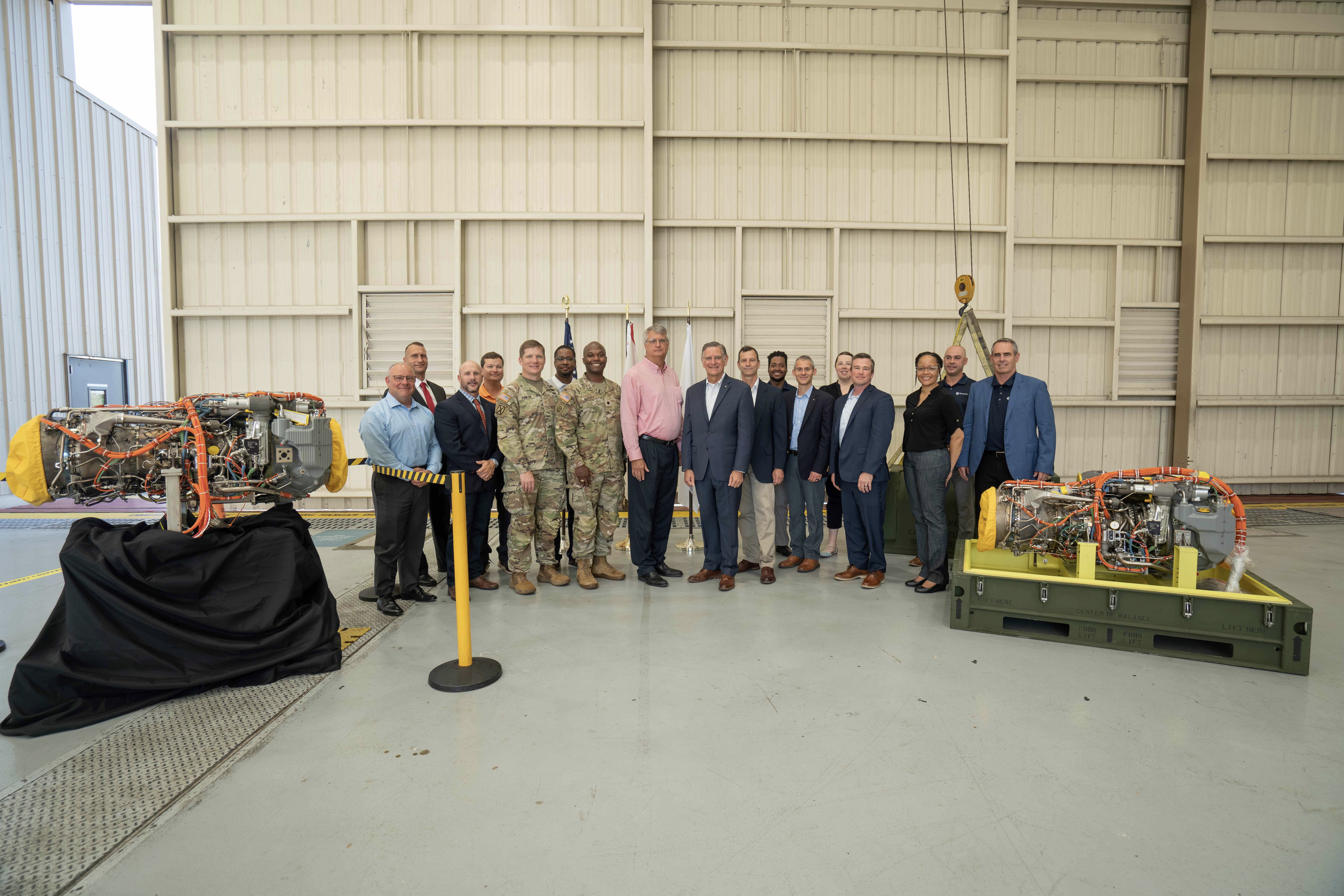
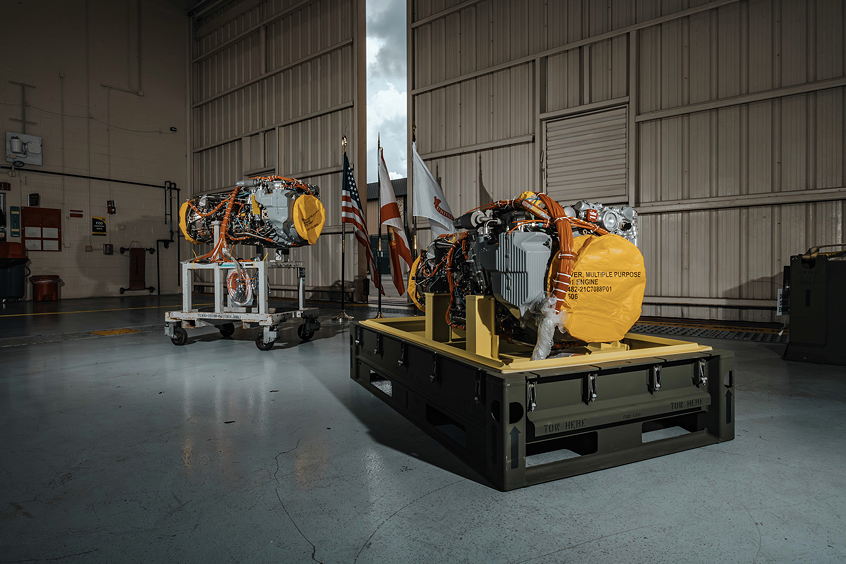
About 40 F414 engines and spare modules will be installed in the full production run of the KF-21, and Hanwha will also provide follow-up support such as engine maintenance instructors and on-site technical support.
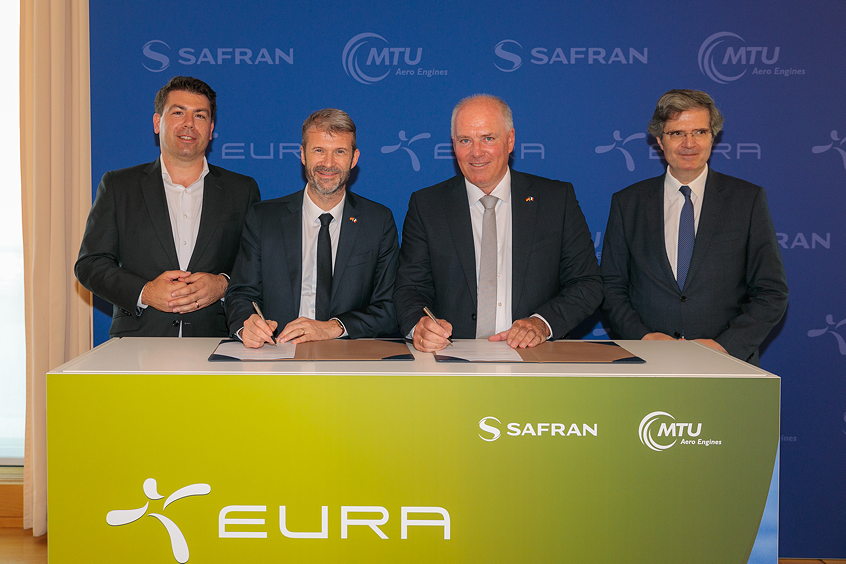
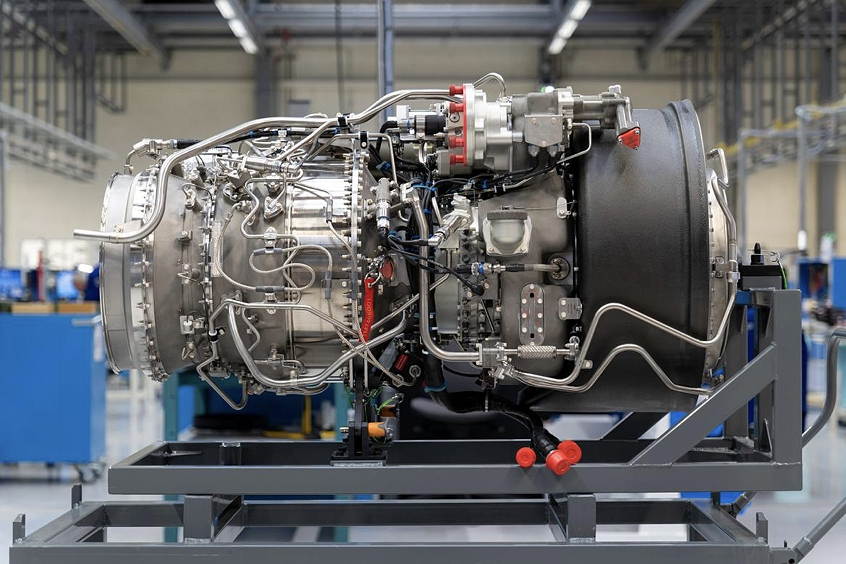
The joint-venture will focus on the development of a new heavy helicopter engine to power the next generation of European military helicopters, scheduled to enter into service by 2040.
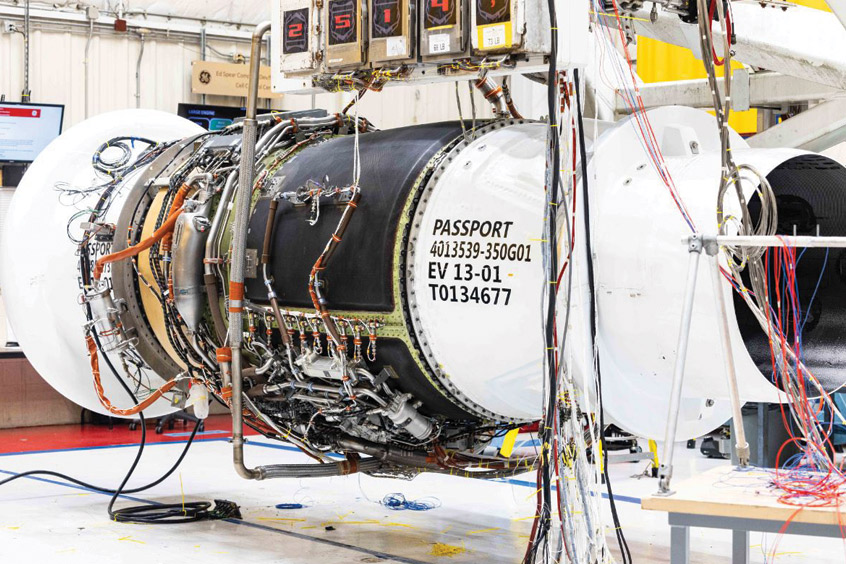
Embedded electric motor/generators will optimise engine performance by creating a system that can work with or without energy storage like batteries, accelerating the use of hybrid electric tech for commercial aviation.
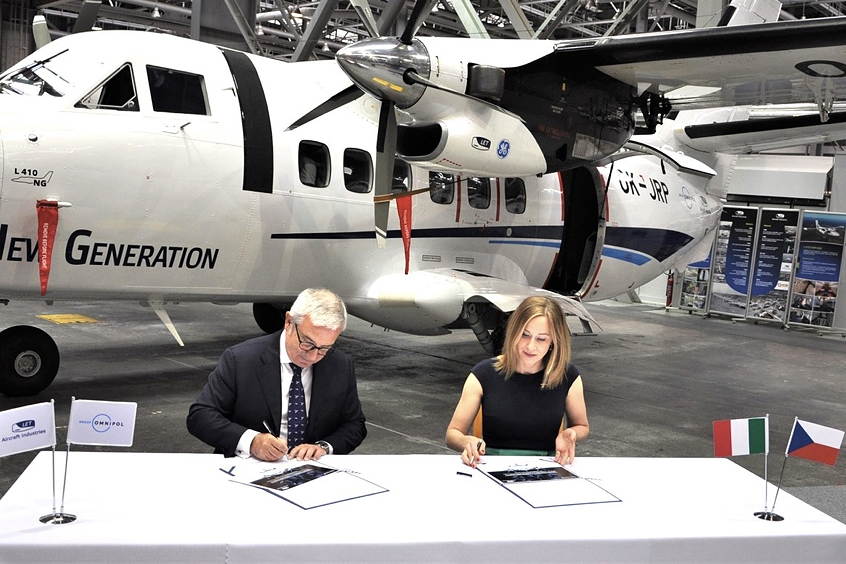
The L 410NG has state-of-the-art Garmin 3000 avionics, and TCAS and TAWS safety systems are integrated into the aircraft. It is powered by the H85-200 engine and AV 725 propeller.
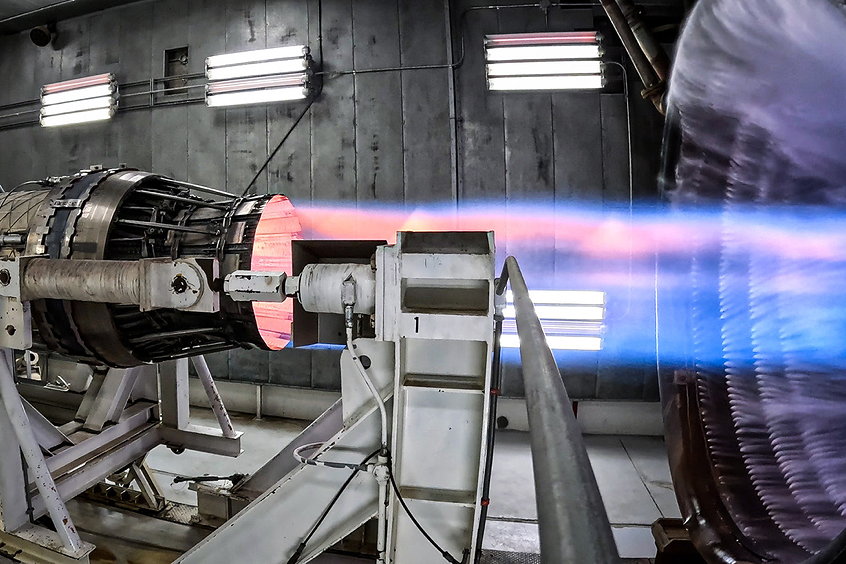
The precooler increases the max speed of the turbine engine by lowering the temperature of incoming air. It is intended for Hermeus' Quarterhorse Mk 2 aircraft.
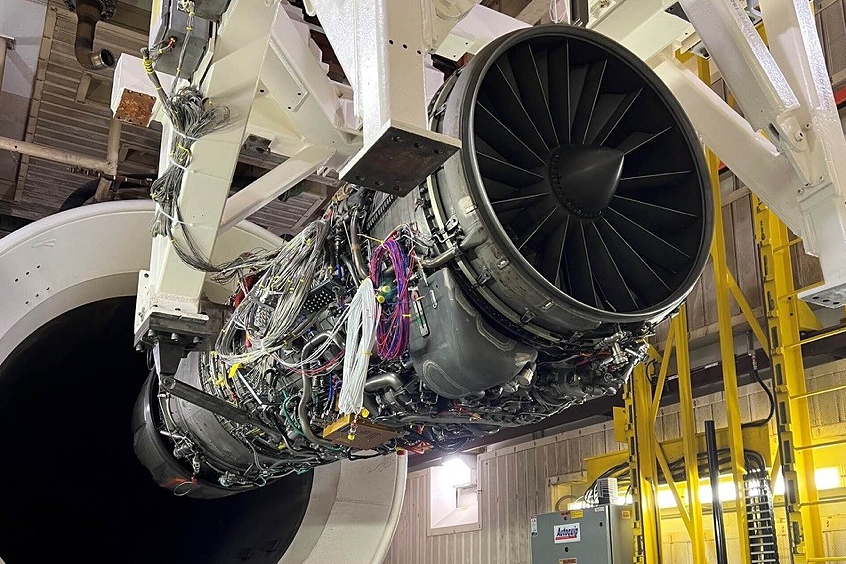
CFM reports that it is at a stage of the Revolutionary Innovation for Sustainable Engines (RISE) program in which it is doing real testing on real hardware and making real progress.
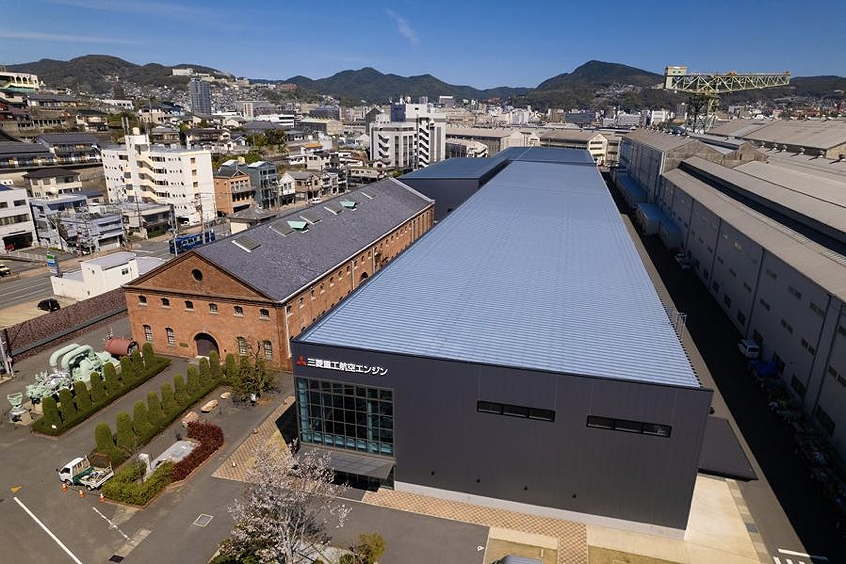
The company generated approximately $32 billion in adjusted revenue in 2023, with 70% generated by services and the strong economics of the engine aftermarket.
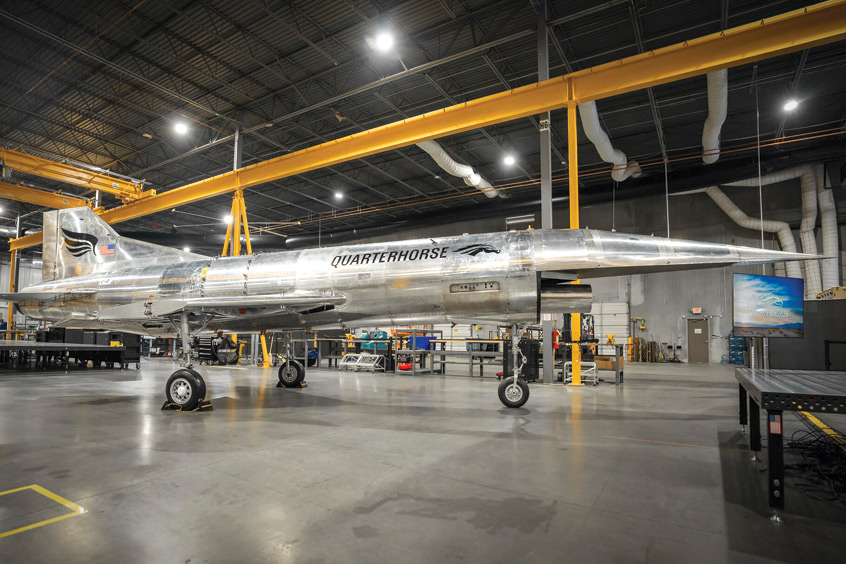
Designed, built and integrated in just seven months, this is the company's second fully-integrated vehicle in the past year, following Quarterhorse Mk 0 which completed its test campaign in November 2023.
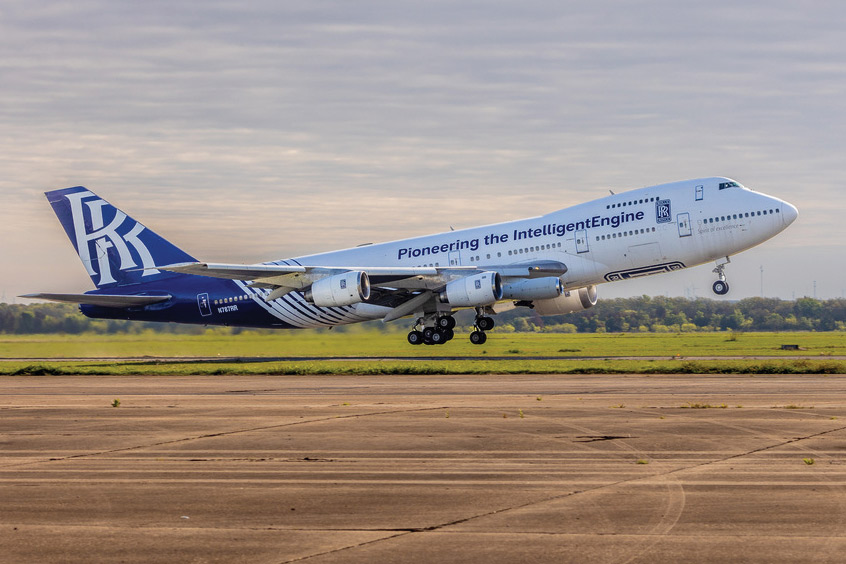
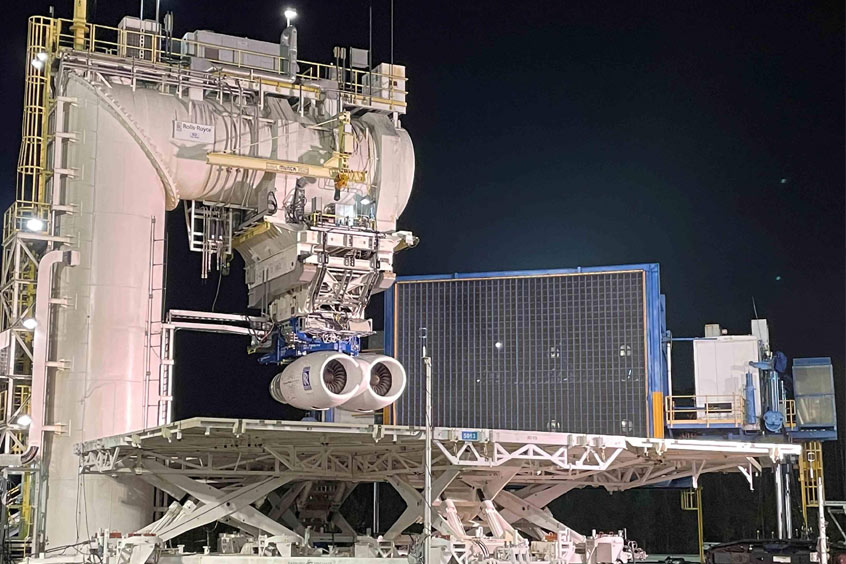
The flight test programme will include engine performance and handling checks at various speeds and altitudes, inflight relights, tests of the nacelle's anti-icing system and fan vibration tests at various altitudes.

A new contract covers conceptual studies of power and propulsion systems for the next-generation of combat air capabilities, based on exploring both existing and future technology and performing demonstrations.
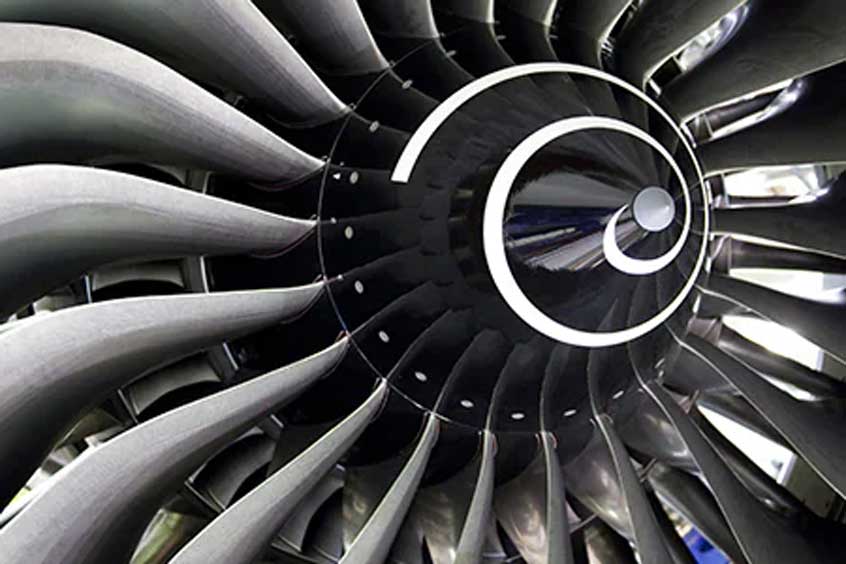
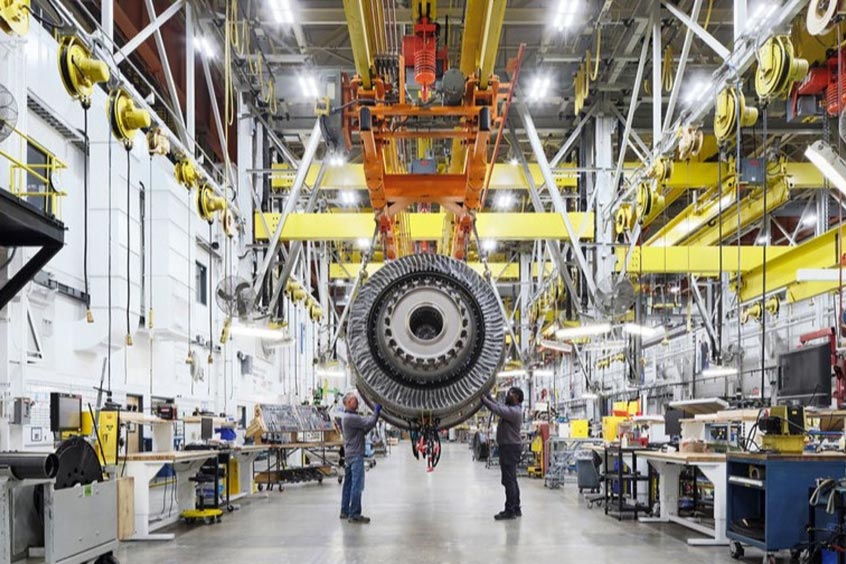
Rolls-Royce is investing £55m and recruiting more than 300 front-line staff, split between its operations in Derby, UK, and Dahlewitz, Germany. About two thirds of the jobs will be created in Derby.
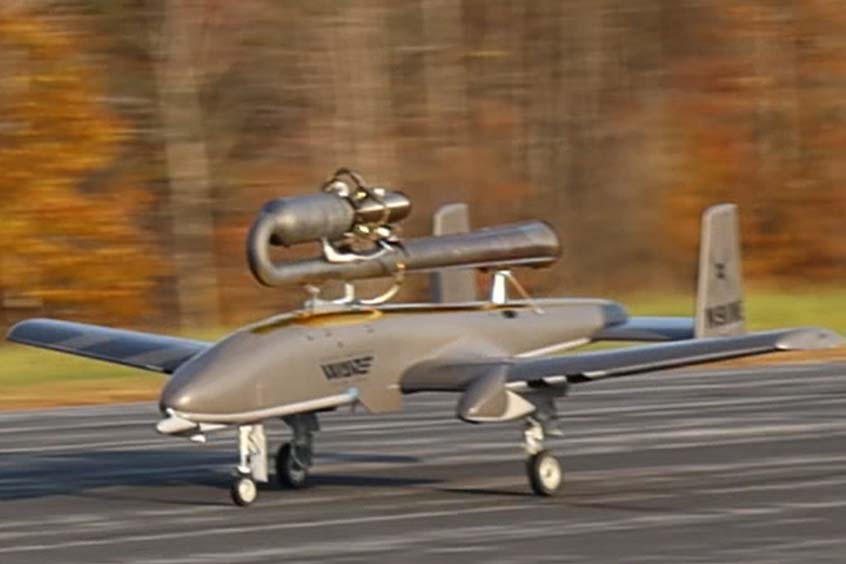
Wave engines operate using pressure waves instead of rotating machinery. Intermittent combustion inside a hollow tube produces pressure waves that push hot gases and produce thrust.
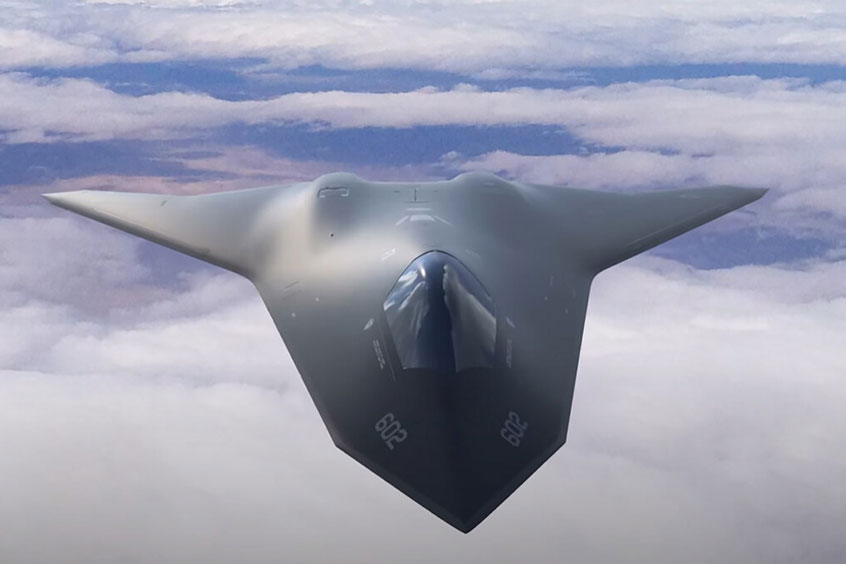

Airframe changes accommodate a more powerful engine, a Pratt & Whitney PT6A-52, including more efficient intake plenum to improve ram air recovery, new engine mount assemblies and improved exhaust stack design.
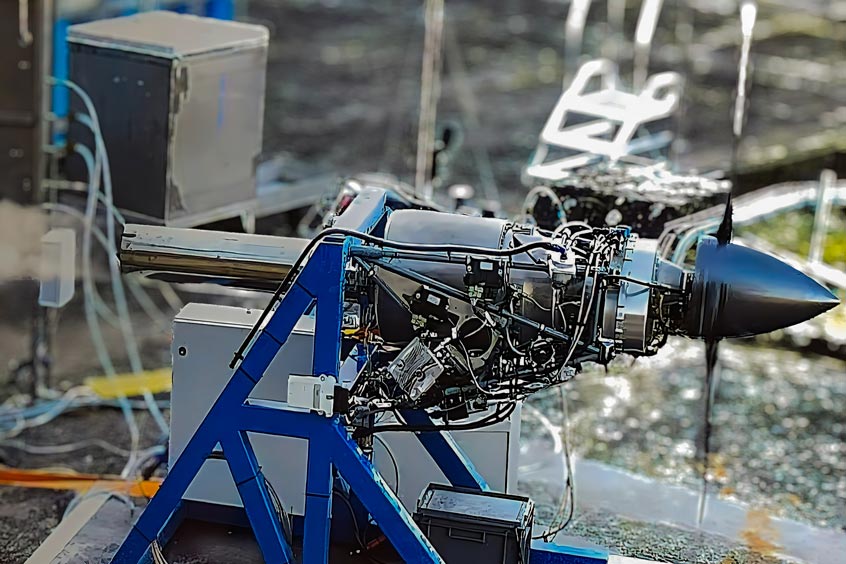
Turbotech and Safran have successfully tested the first hydrogen-fueled gas turbine engine for the light aviation market, as part of the BeautHyFuel project. Gas was used, but liquid hydrogen will be next.
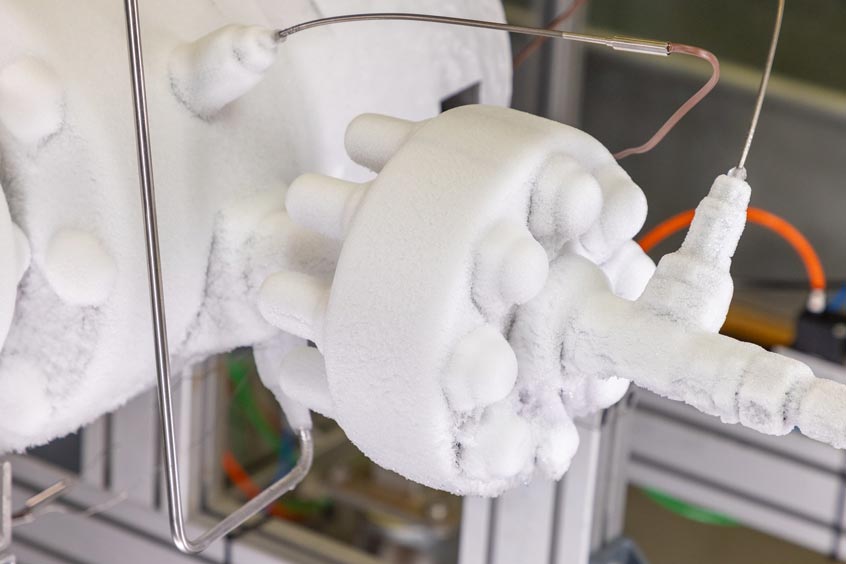
The ultimate goal of the test programme is a full gas hydrogen ground test on a Pearl engine, then transitioning to liquid hydrogen, and finally taking the technology to flight.
The HyTEC's Phase 2 Integrated Core Technology Demonstration is a cost-sharing contract with a maximum value of approximately $68.1 million and a five-year performance period.
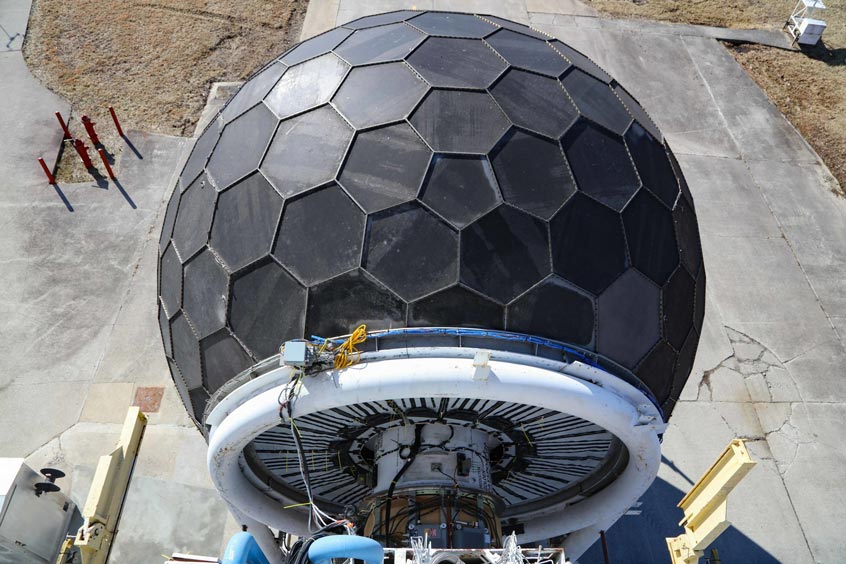
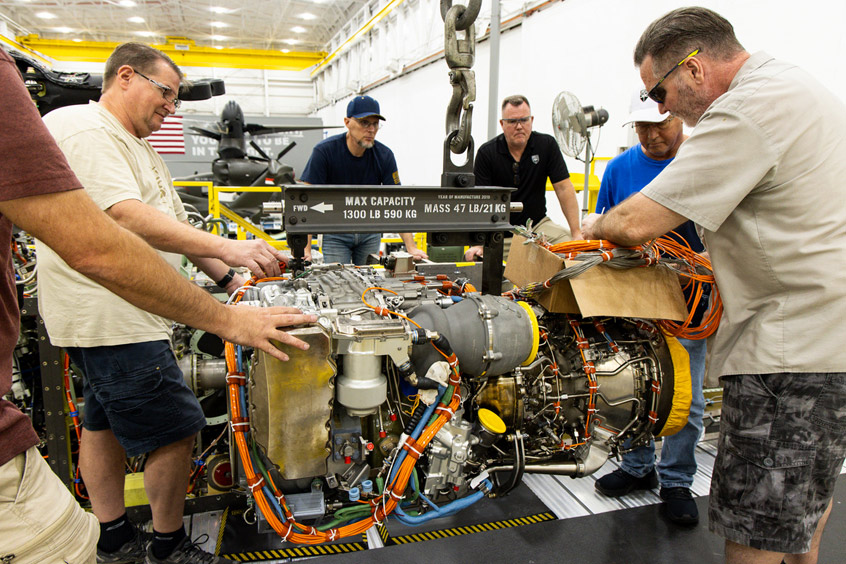
As Bell prepares for flight tests, the T901 engine, also a new development program, is still progressing through developmental testing with GE for the Army and has an expected clearance for flight in 2024.
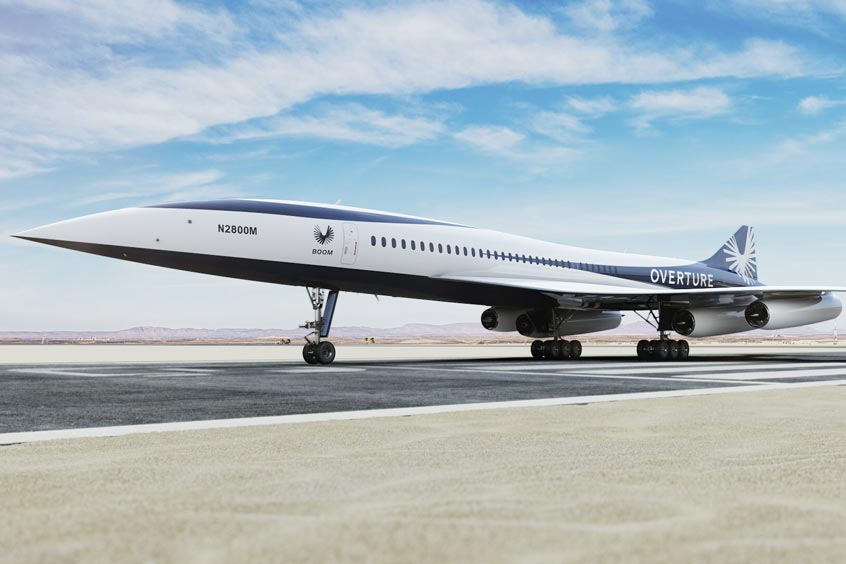
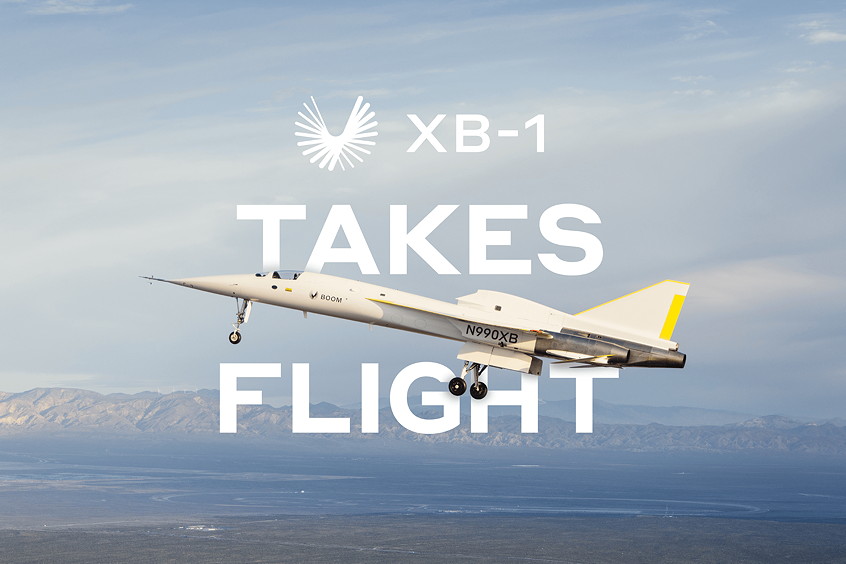
The XB-1 concept vehicle could be flying soon, the Overture aircraft's factory is on schedule, and its Symphony engines are on track for hardware rig tests.
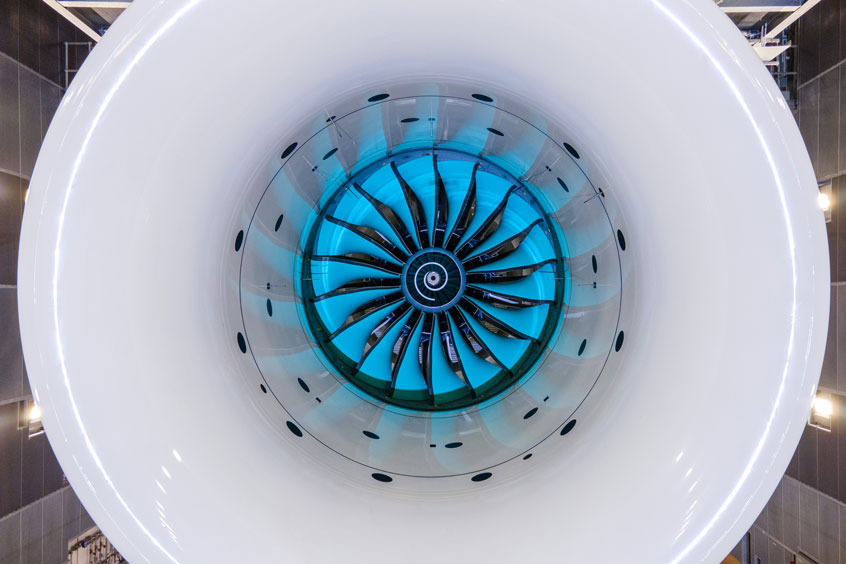
The company says that the UltraFan development will enable it to offer a portfolio of two-shaft, three-shaft, direct drive and geared propulsion solutions to power future aircraft.
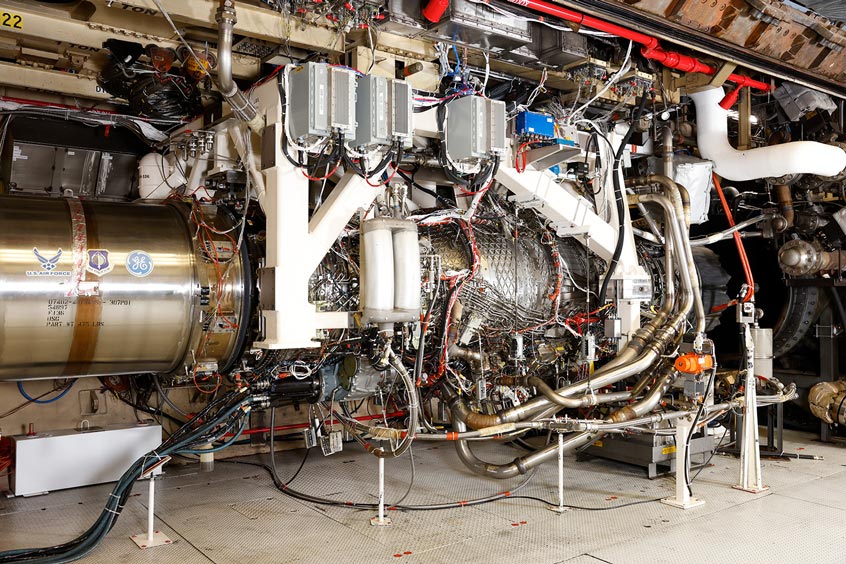
The XA100 engine is estimated to provide pilots up to 25 per cent greater fuel efficiency and 30 percent greater range to help the U.S. ensure its airpower advantage in contested environments.
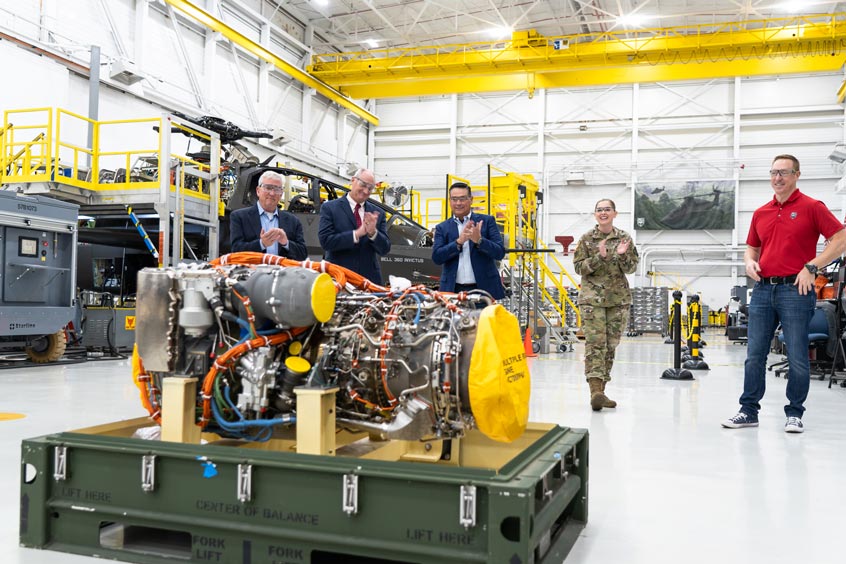
Once the aircraft has been functionally tested with the T901 installed, the next steps for the Bell 360 include completing the Test Readiness Review and a restrained ground run.
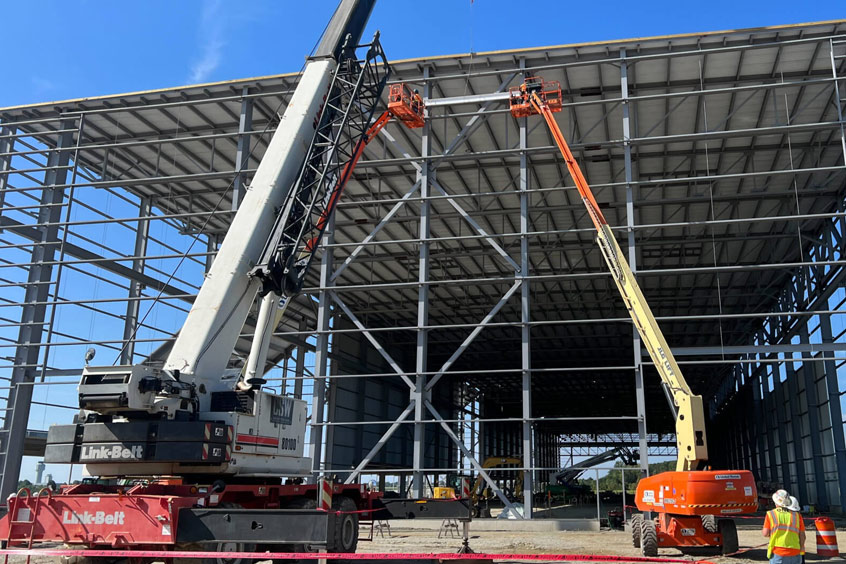
With a significant portion of the exterior building constructed, the Overture Superfactory continues to take shape and remains on track for completion in 2024.
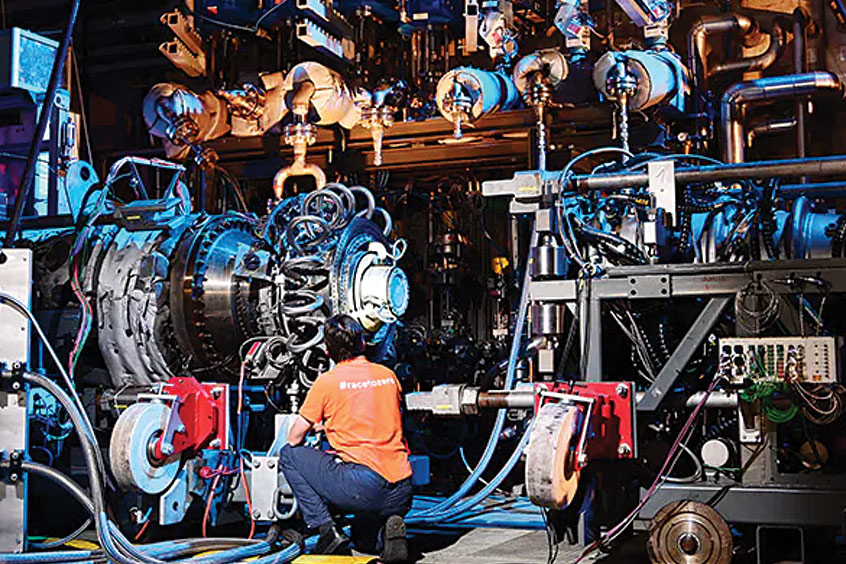
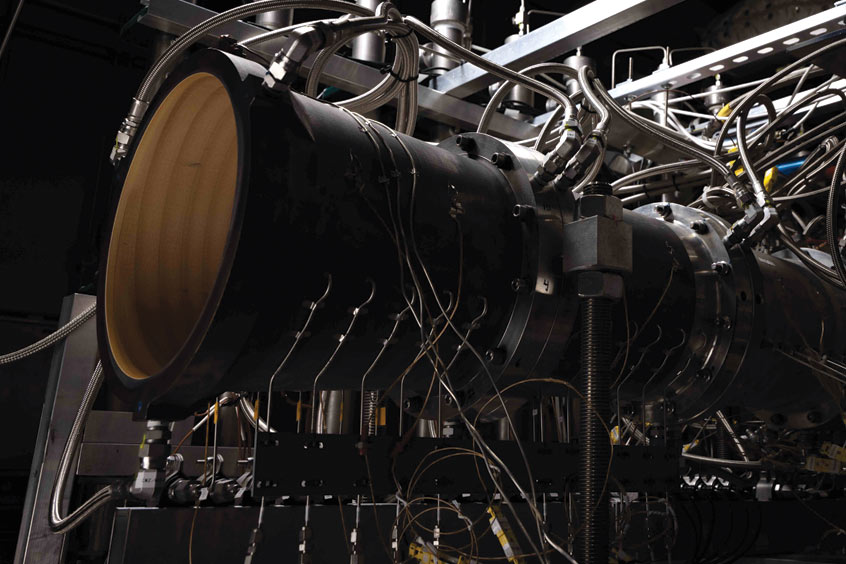
Hydrogen burns far hotter and more rapidly than kerosene, so new nozzles were needed to control the flame position using a new system that progressively mixes air with the hydrogen to manage the fuel's reactivity.
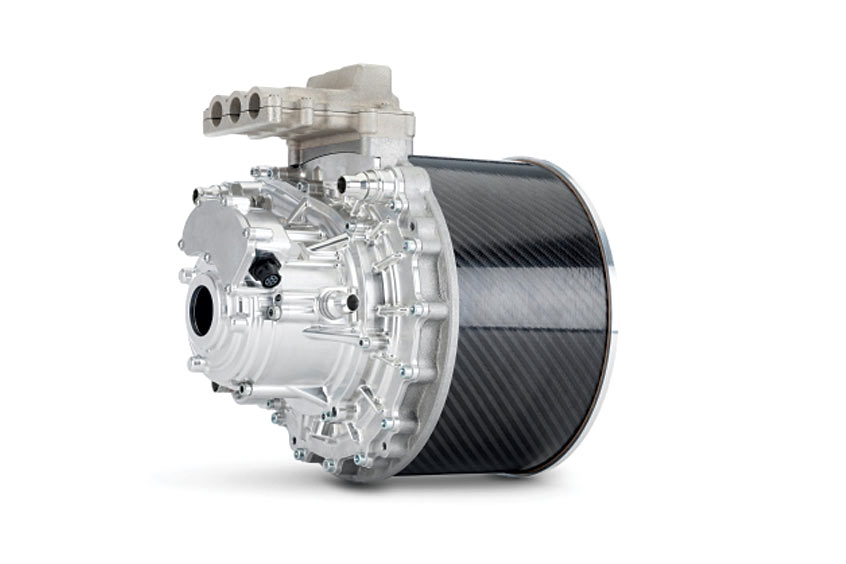
Compared to a piston aeroengine or turbine delivering power in a similar range, the XBS is reckoned to be an order of magnitude lighter, considerably smaller and virtually maintenance free.
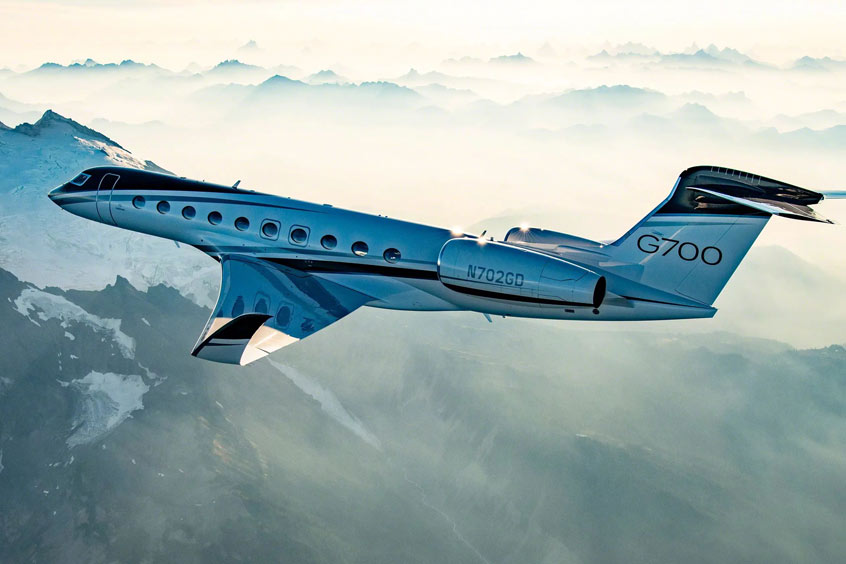
During the comprehensive indoor and outdoor test programme, the engine demonstrated its performance operating at sea-level and altitude conditions on both conventional jet fuel and 100% Sustainable Aviation Fuel.