Every Bulletin story and press release covering Design, newest first.
700 items · page 4 of 14

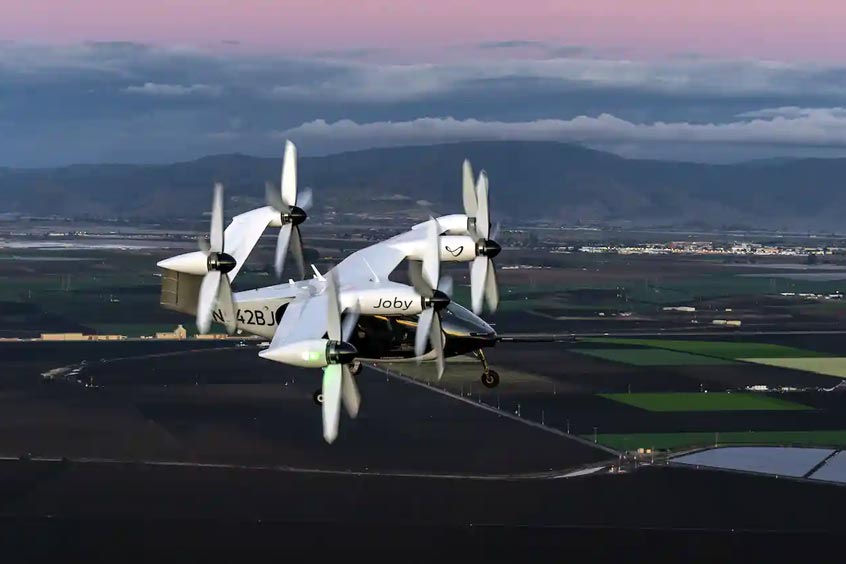
Joby is nearing completion of the third of five phases of the type certification process and has shifted its focus to the fourth stage, comprising detailed testing and analysis across the aircraft's components and systems.
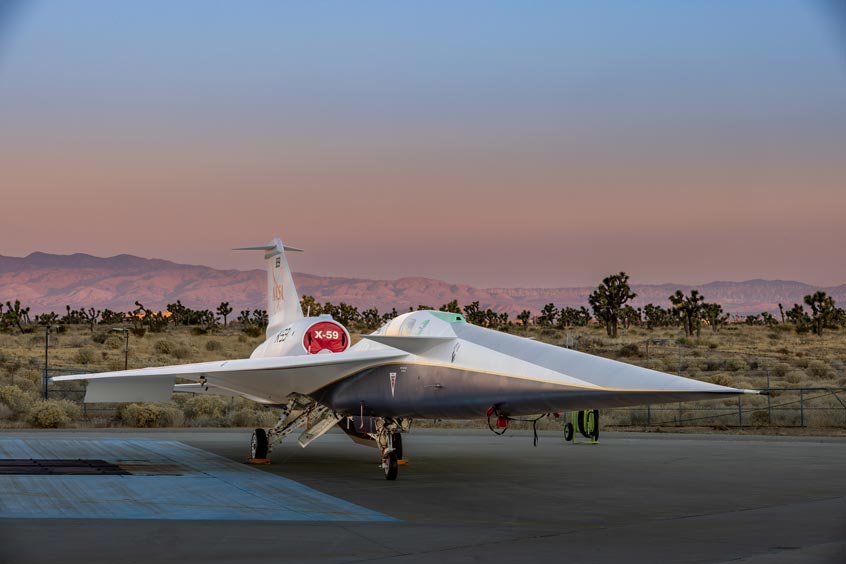
Years of research, development and production of this one-of-a-kind technology demonstrator aircraft should reduce the loudness of sonic booms to a gentle thump.
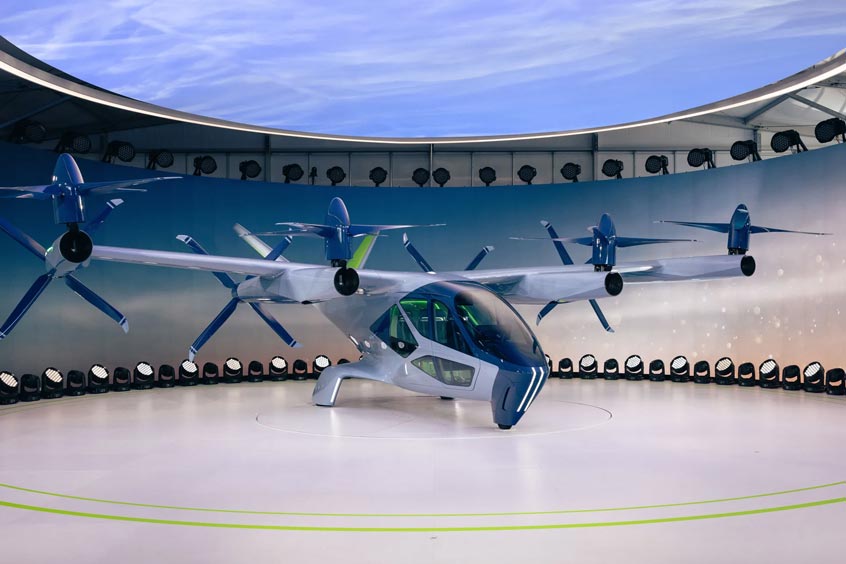
Supernal has returned to the biggest consumer electronics show to unveil its latest pilot-plus-four concept, which will fly low altitude for up to 40 mile trips. The Hyundai business has drawn on automotive design.
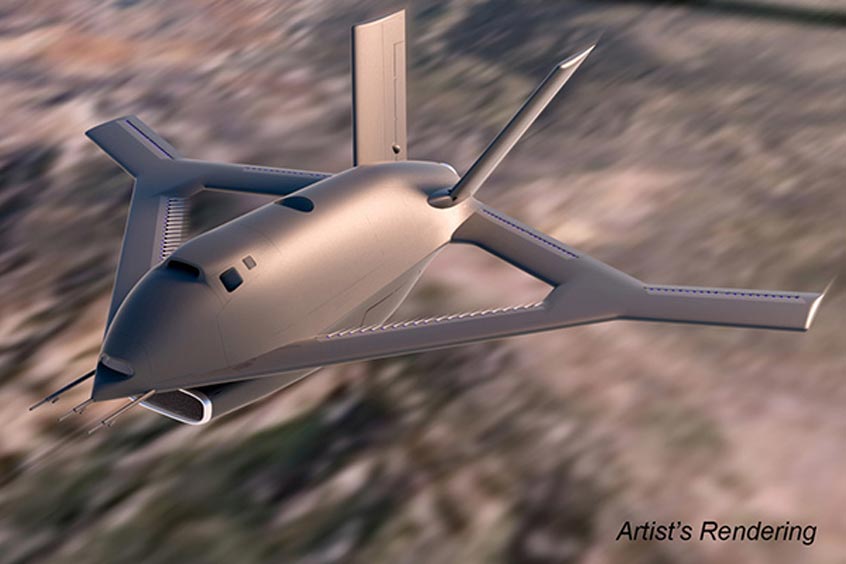
Active flow control could replace traditional flaps and rudders, which are used to manoeuvre most aircraft today. AFC may also deliver benefits in areas such as aerodynamics, weight and mechanical complexity.
The HyTEC's Phase 2 Integrated Core Technology Demonstration is a cost-sharing contract with a maximum value of approximately $68.1 million and a five-year performance period.

A typical air-breathing DMRJ propulsion system can only begin operating when the vehicle travels faster than Mach 3. GE engineers are aiming for lower Mach numbers, enabling more efficiency and longer range.
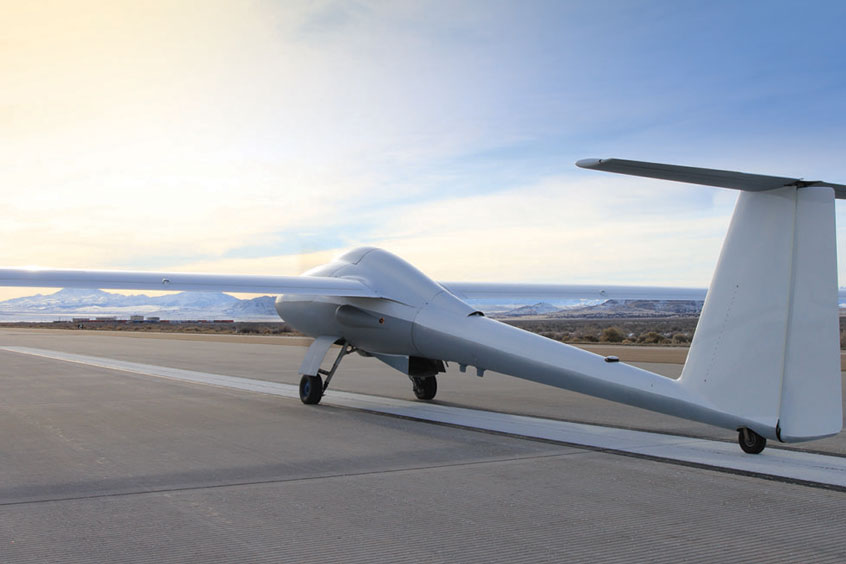
The company says it will now be able to expand payload capabilities and augment propulsion systems to deliver even greater utility and versatility to the Air Force Research Laboratory and beyond.
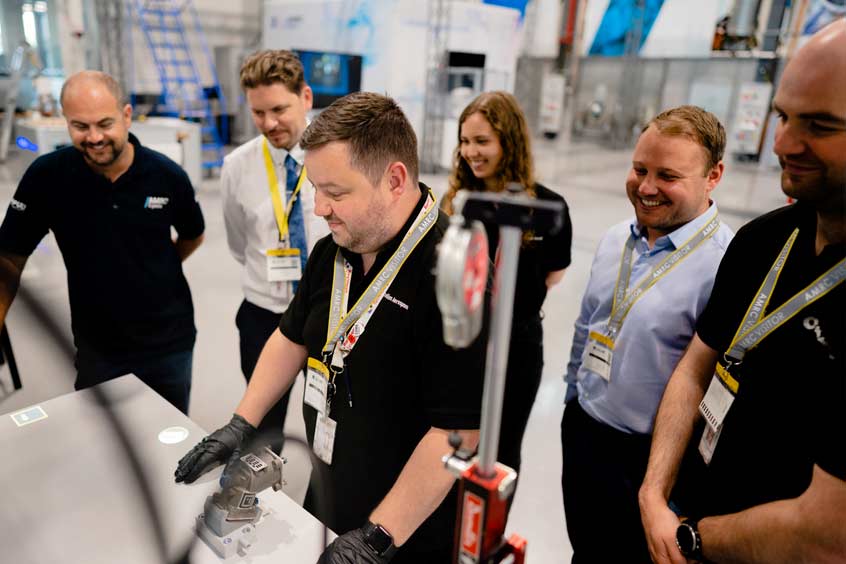
The Smart Workstation is designed to analyse processes to improve efficiency and provide insight into alternative, more efficient paths forward. A person can operate it with limited experience.
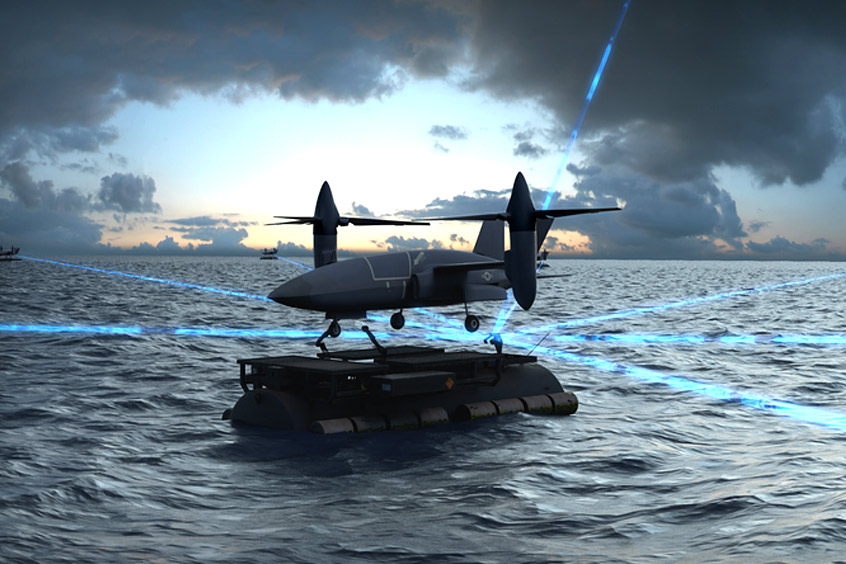
Bell is currently conducting risk reduction testing at Holloman Air Force Base in New Mexico to demonstrate its folding rotor, integrated propulsion, and flight control technologies using a dedicated test article.
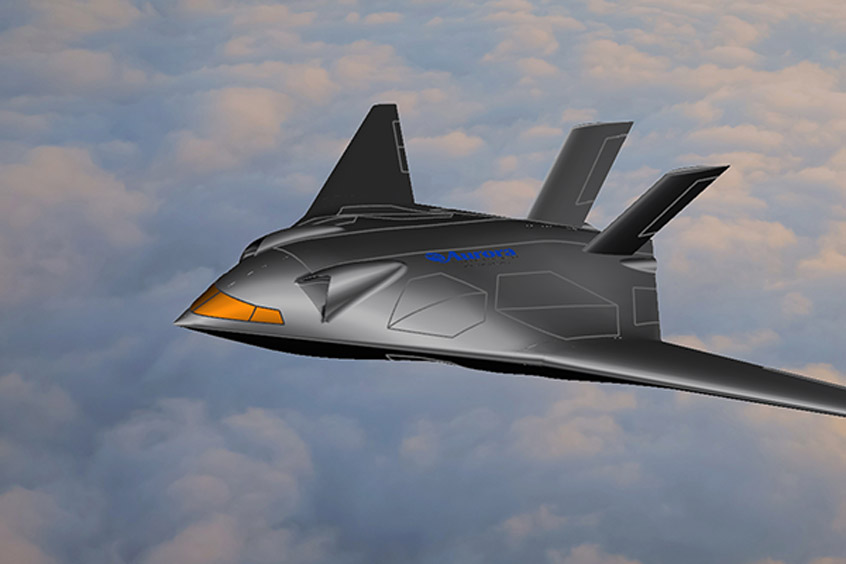
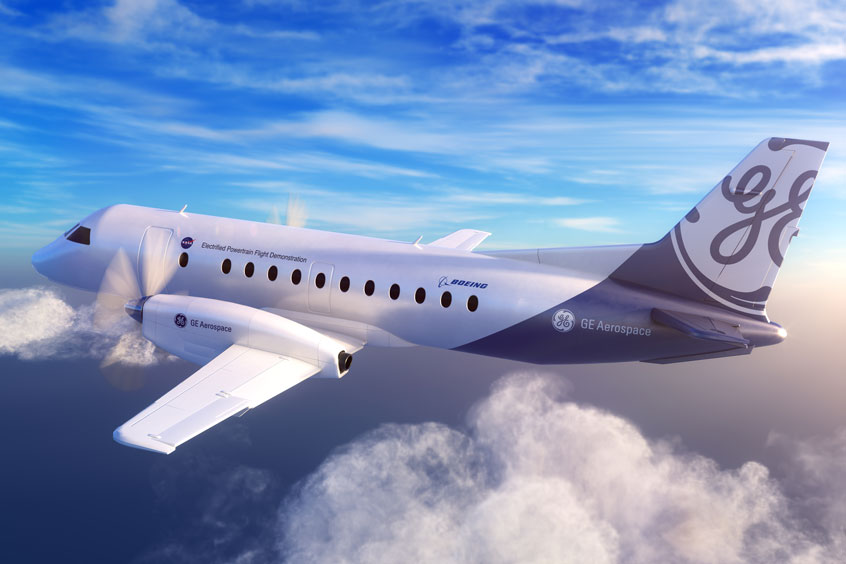
Design work will take place at Aurora Flight Sciences and Boeing facilities across states including Virginia, Massachusetts and Pennsylvania. The program is targeting first flight of the demonstrator within 42 months.

Structural buckling is generally avoided, but the Nabucco project no longer sees structural instability as a problem, but rather as a design opportunity to be explored for its revolutionary potential.
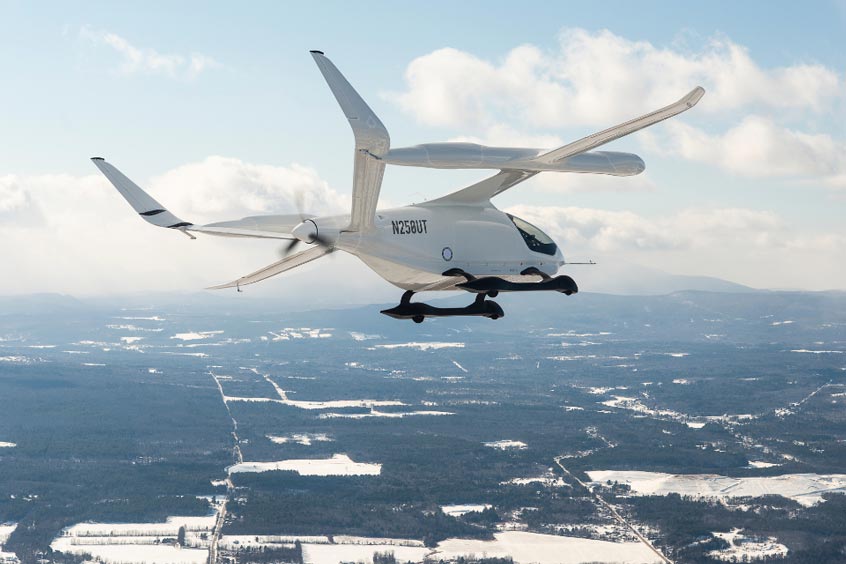
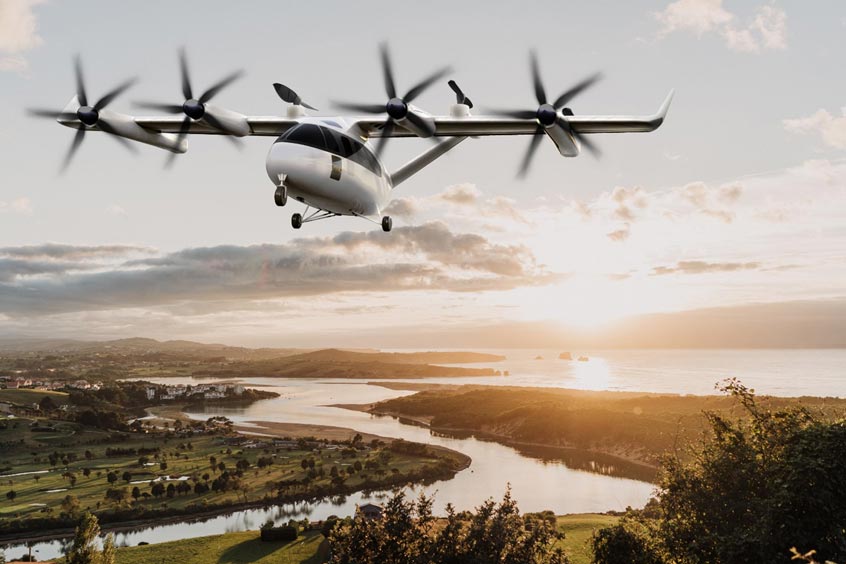
Production has begun with the installation of assembly tooling and the initiation of various system production lines, marking a significant milestone along BETA's path to delivering the ALIA CTOL and the ALIA VTOL.
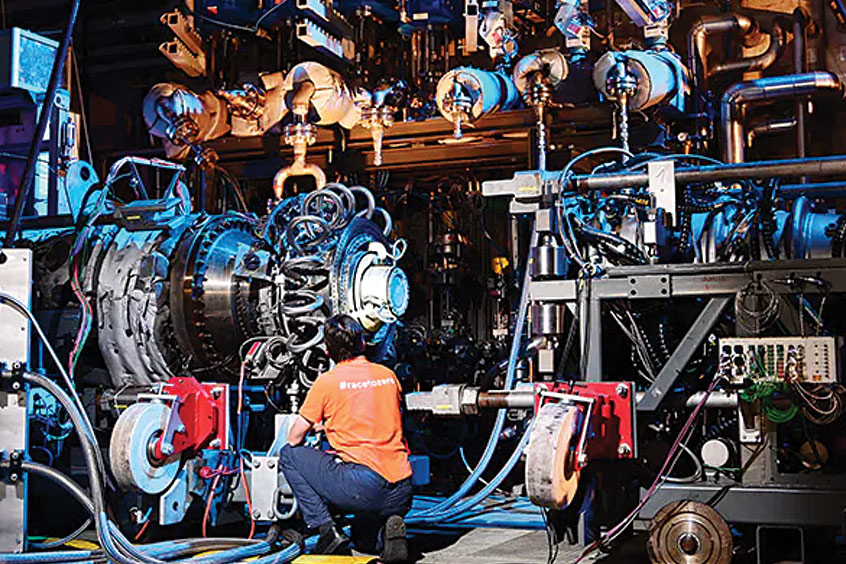
Hydrogen burns far hotter and more rapidly than kerosene, so new nozzles were needed to control the flame position using a new system that progressively mixes air with the hydrogen to manage the fuel's reactivity.
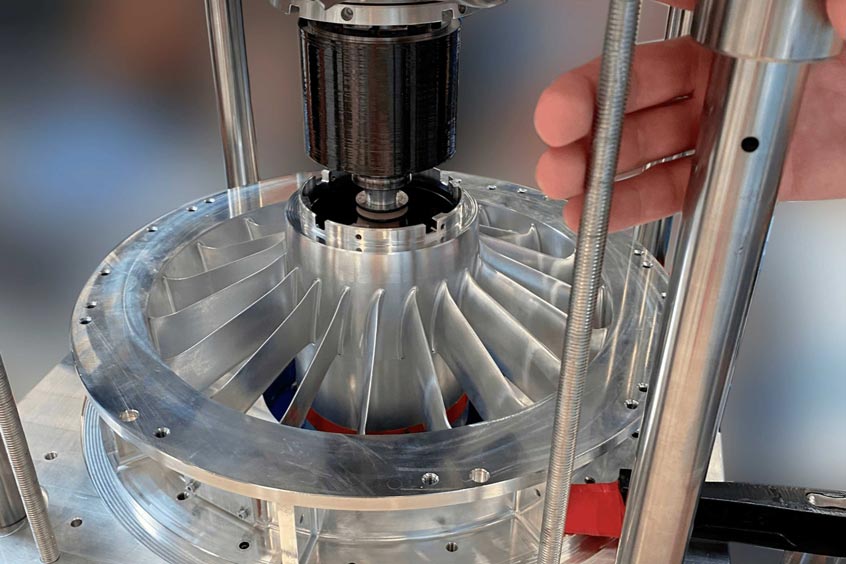
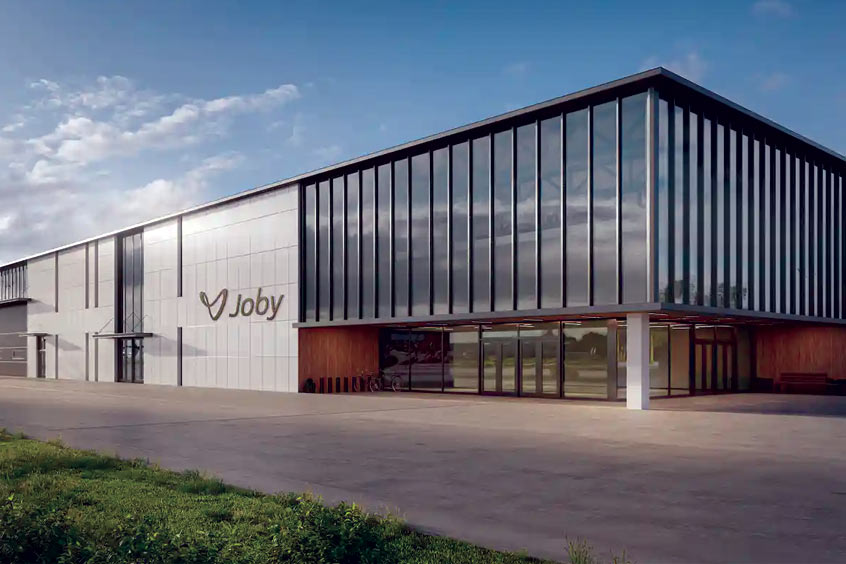
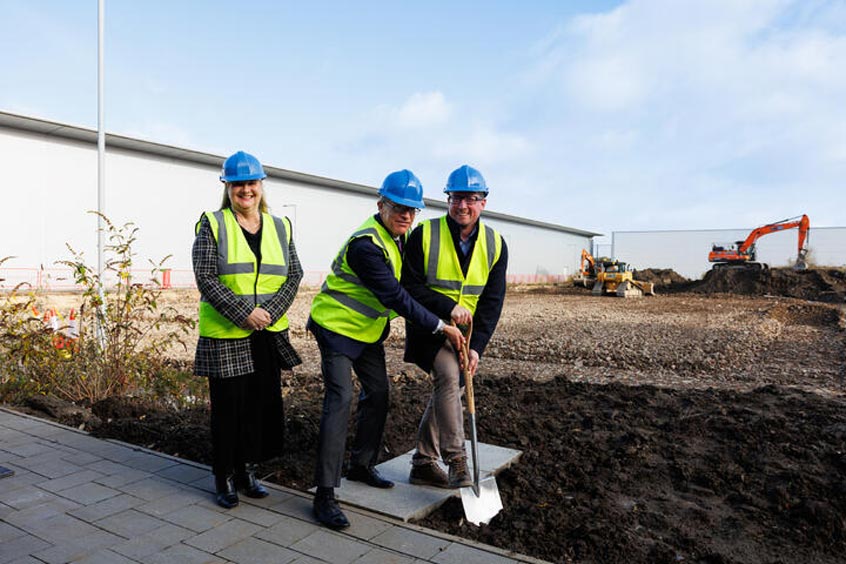
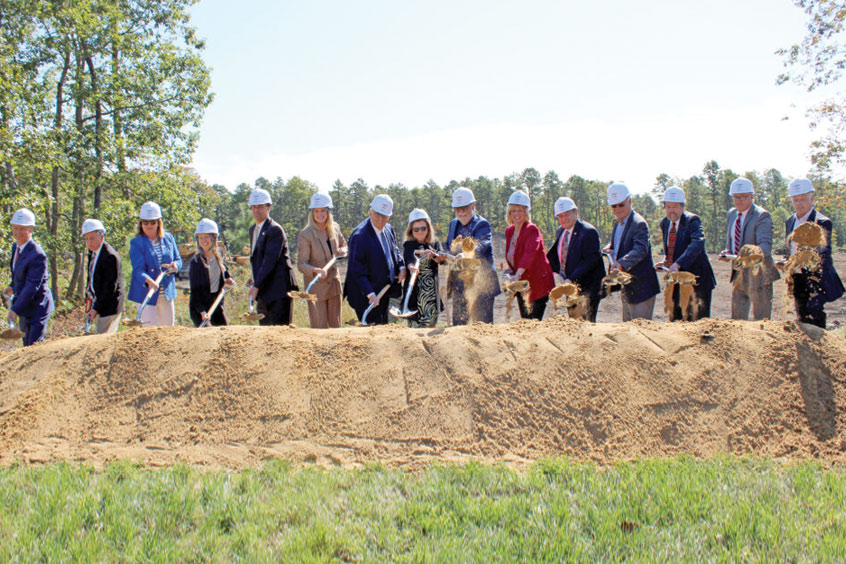
Construction of the scaled Ohio facility is expected to start in 2024 and it is expected to come online in 2025. Joby plans to use existing nearby buildings to begin near-term operations.
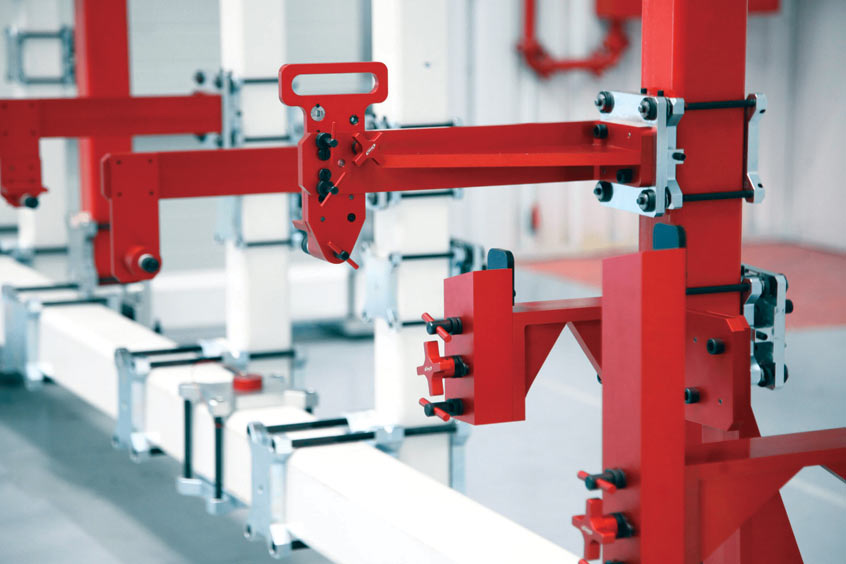
The fuselage is planned for delivery to Lilium facilities in Wessling, Germany in the fourth quarter 2023, prior to planned start of assembly of the first Lilium Jet by year end.
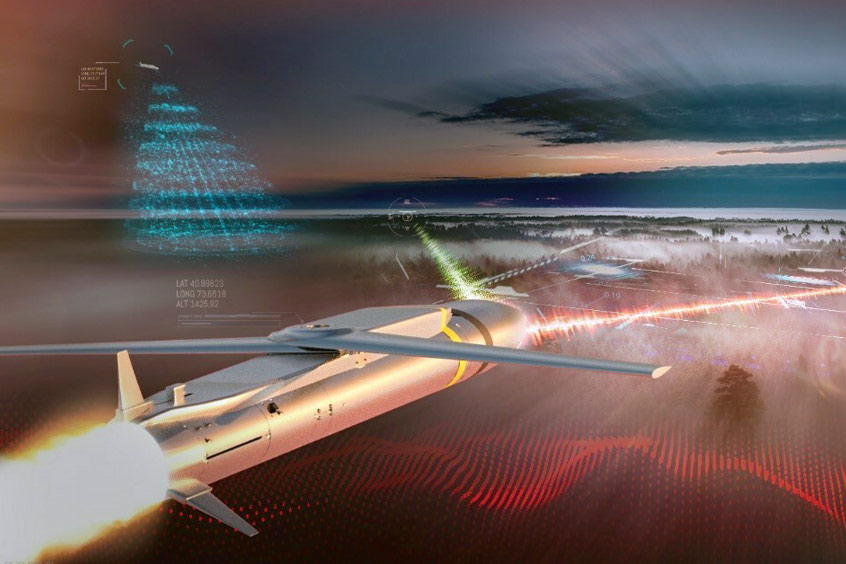
Smaller and more efficient systems will improve size, weight, power and costs to allow for full-spectrum signal processing closer to the edge, or on platforms operating in denied airspace.
Built from a clean-sheet design integrating magniX's industry-leading electric propulsion system, Alice produces zero carbon emissions and features lower operating costs per flight hour than light jets or high-end turboprops.
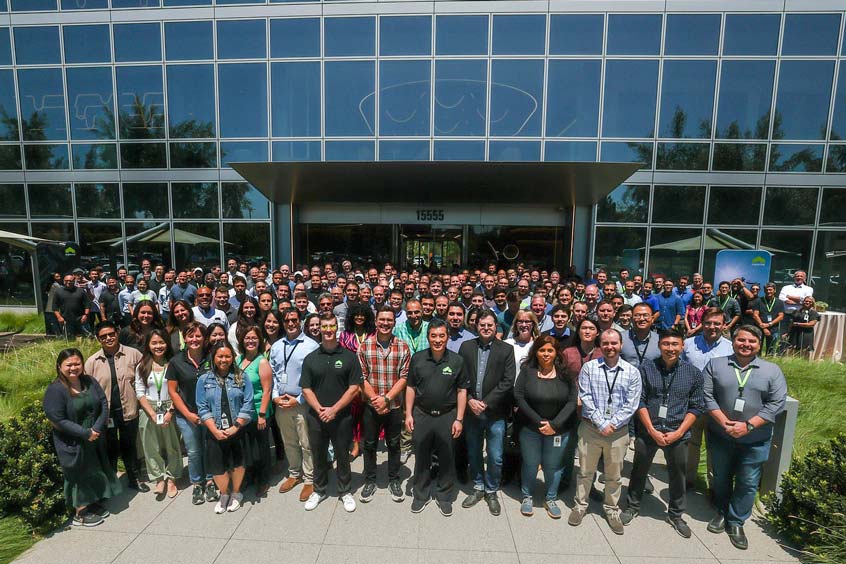
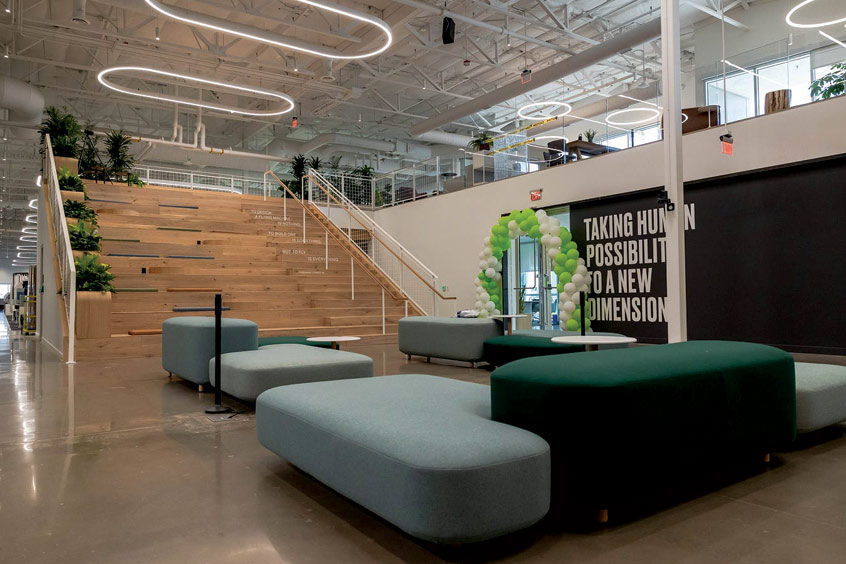
The four-story space pays homage to the aviation industry: Light fixtures throughout resemble clouds to create an ethereal ambiance, while flight paths guide employees throughout the space.
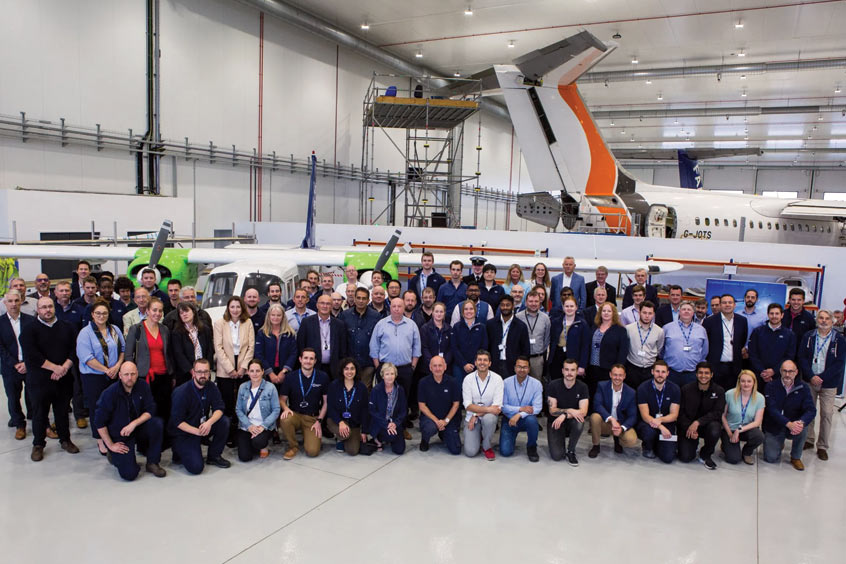
CAeS says a newly refurbished hangar will be a 'classroom of possibilities', where it will deliver the intricacies of zero emissions propulsion and also pioneer maintenance procedures for hydrogen-powered aircraft.