Every Bulletin story and press release covering Turbine Engines, newest first.
1,554 items · page 5 of 32
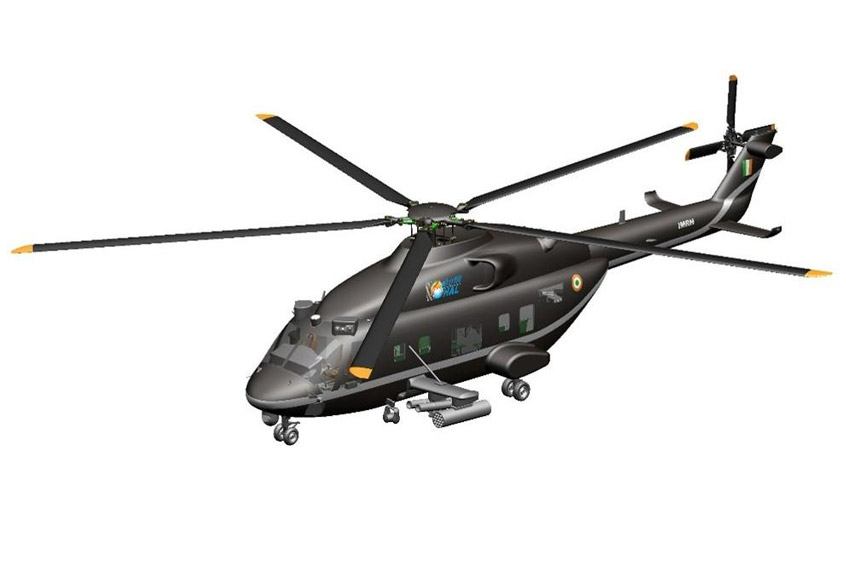
This joint venture will be India's first domestic engine design and manufacturing capability, and will work on the country's future 13-ton IMRH (Indian Multi-Role Helicopter) and naval version.
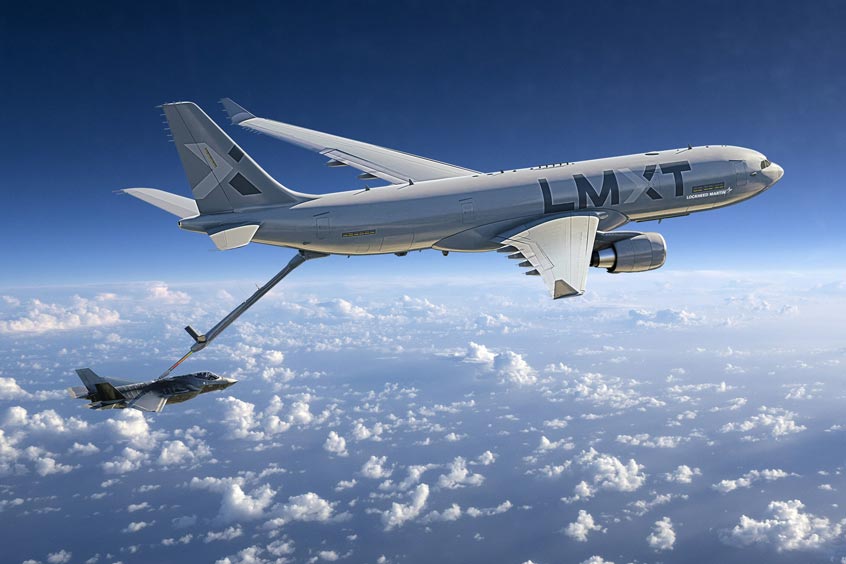
The LMXT will first be produced as an A330 airliner at Airbus' U.S. Manufacturing Facility in Mobile, Alabama, before being configured for strategic tanking at the Lockheed Martin Aeronautics facility in Marietta, Georgia.
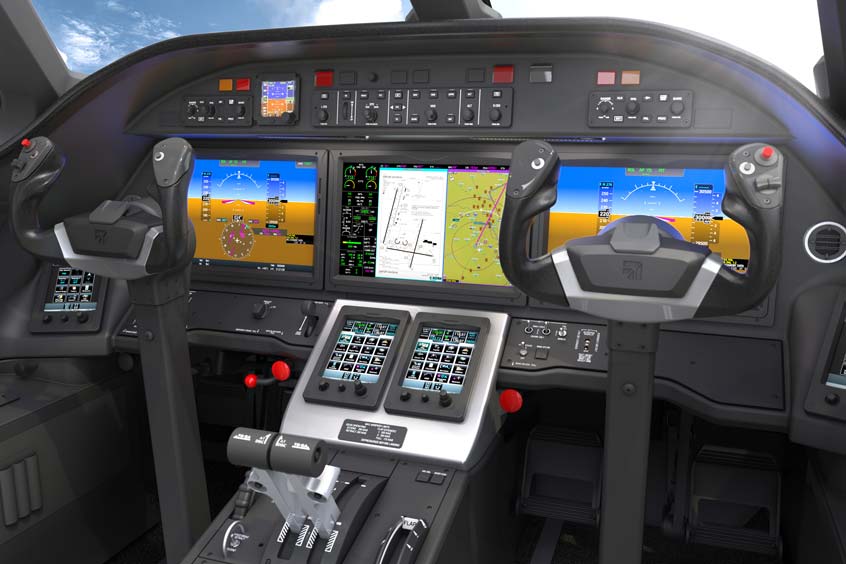
Amongst many enhancements, the Ascend will include all-new cabin windows that are nearly 15 per cent larger and offer more natural light with translucent and opaque shade settings and optional lighted window rings.
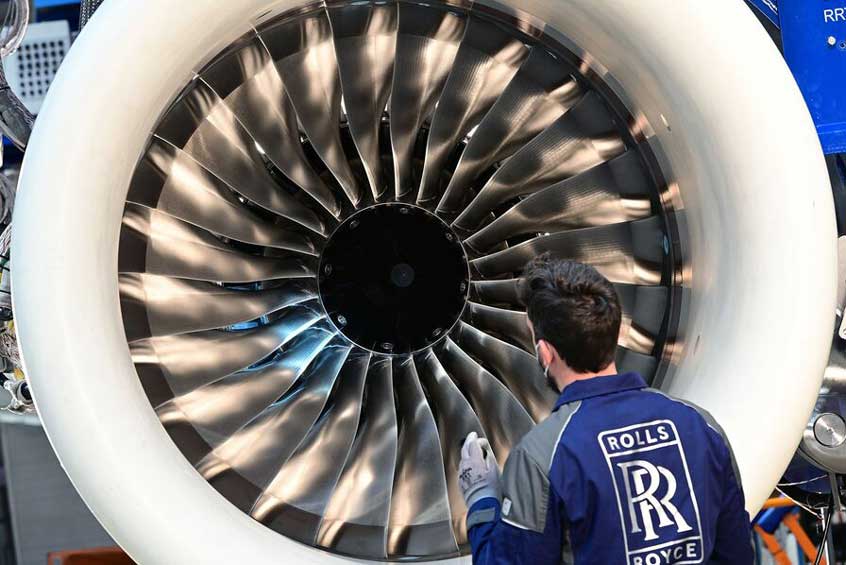
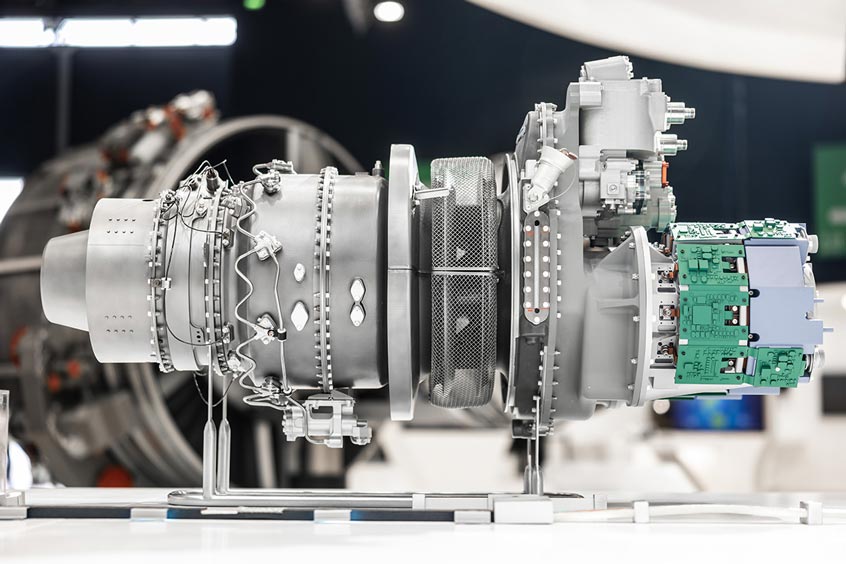
The development programme has included rigorous testing of the new ultra-low emissions ALM combustor, compatible with 100% SAF, and new accessory gearbox, which allows for higher additional power extraction.
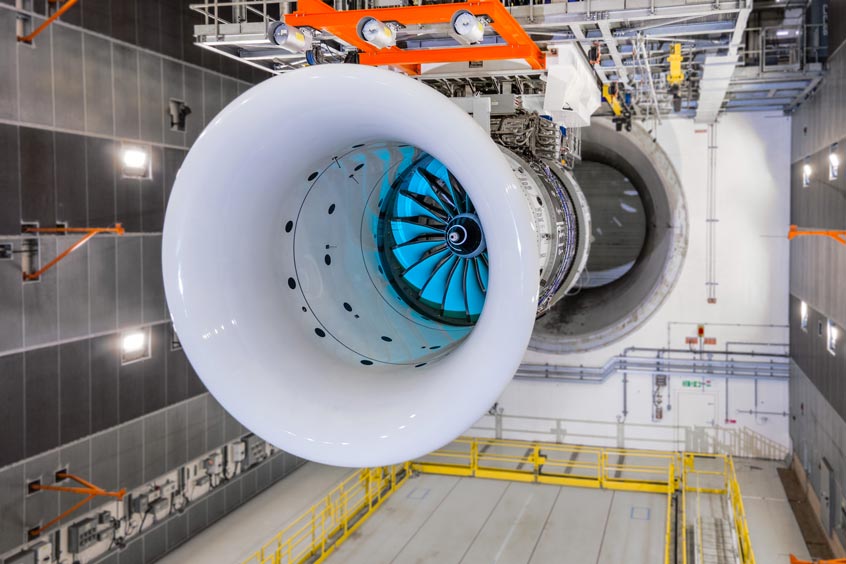
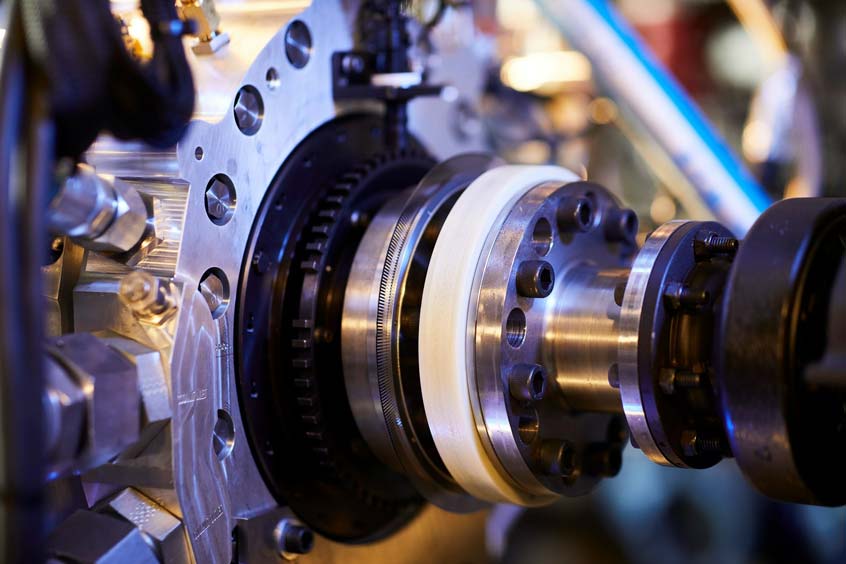
The demonstrator includes Advance3 core architecture, combined with ALECSys lean burn combustion system, carbon titanium fan blades and a composite casing. The power gearbox has run at 64MW, an aerospace record.
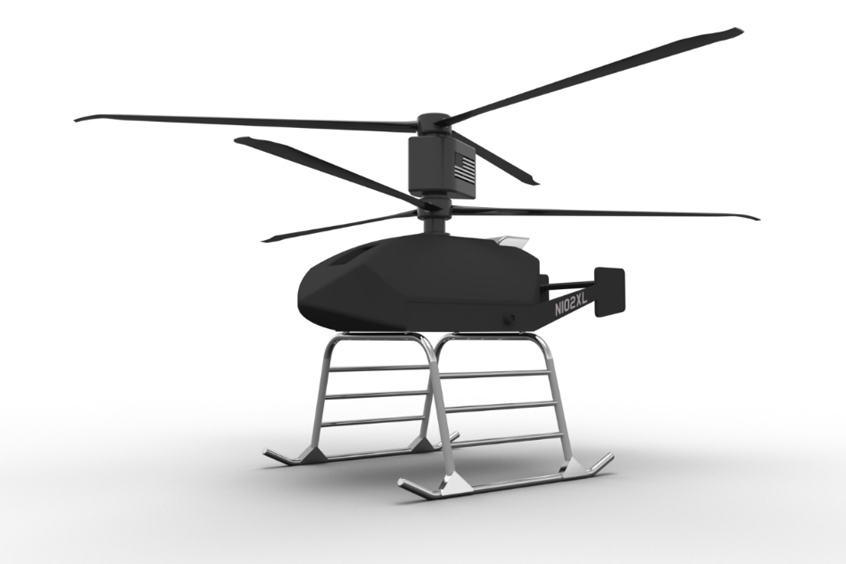
The proven track record of Rolls-Royce and pedigree of the RR300 made the selection easy; the engine has nearly two decades of operation in civilian aerospace and has exceeded over 1.6 million flight hours.
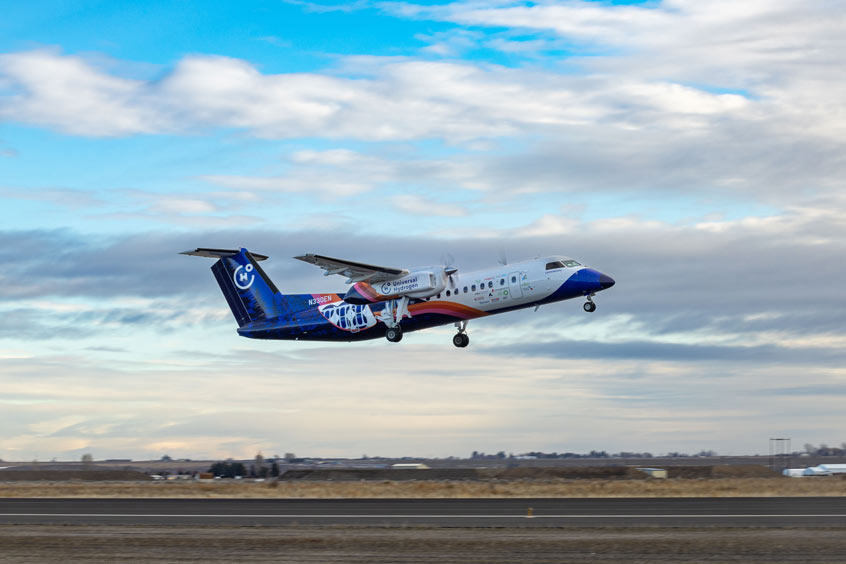
In this first test flight, one of the aircraft's turbine engines was replaced with Universal Hydrogen's fuel cell-electric, megawatt-class powertrain. The other remained a conventional engine for safety of flight.
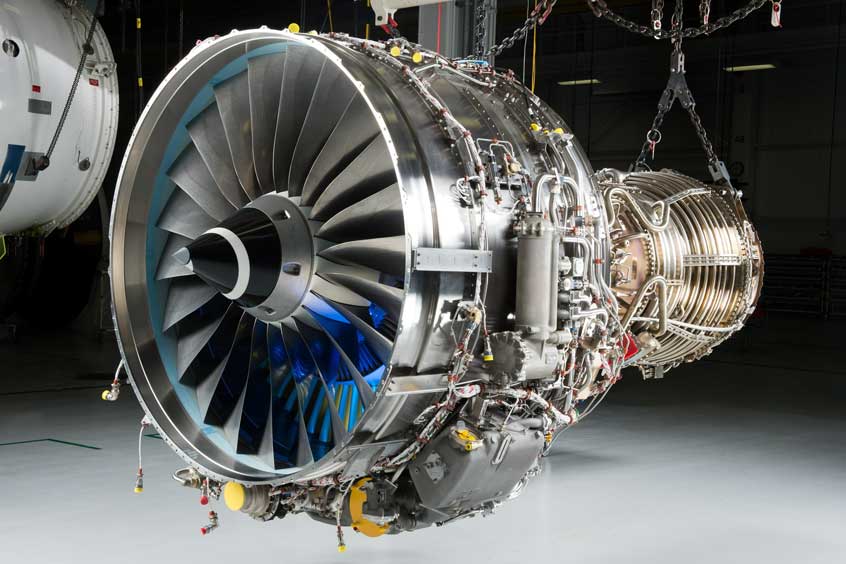
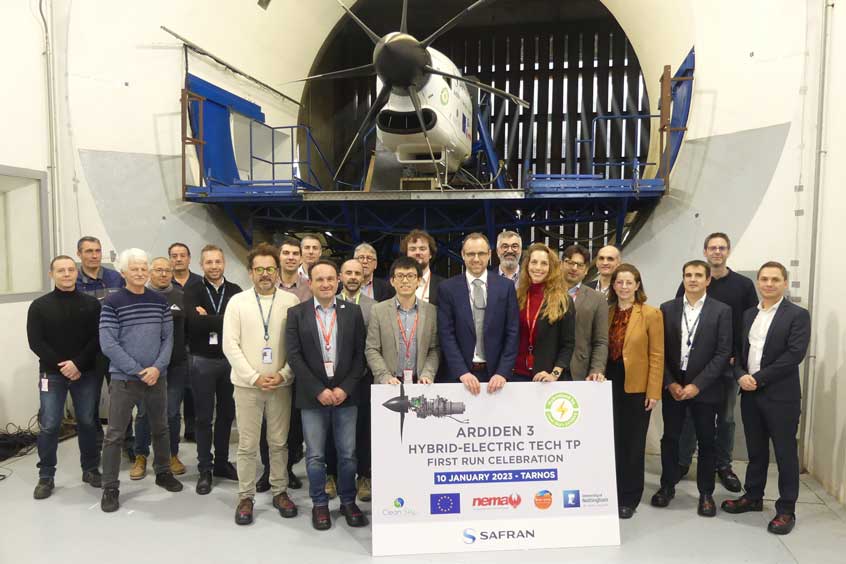
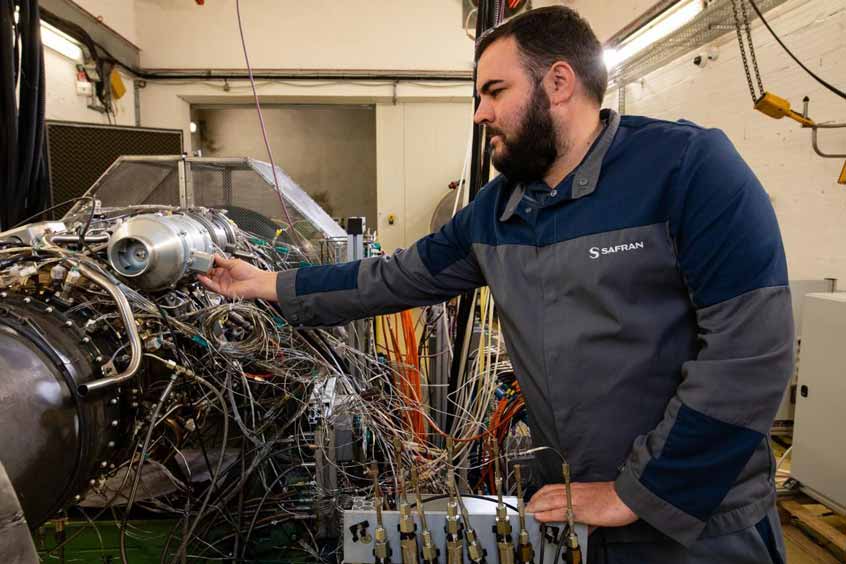
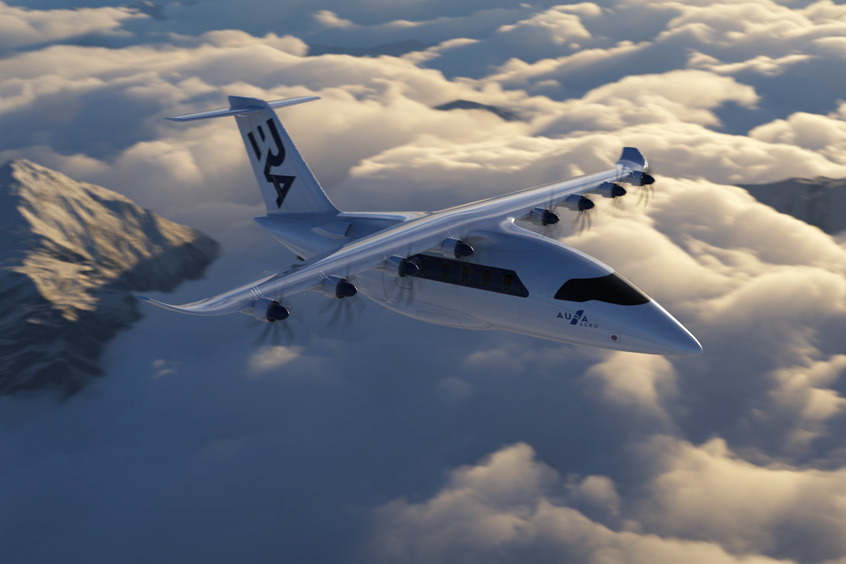
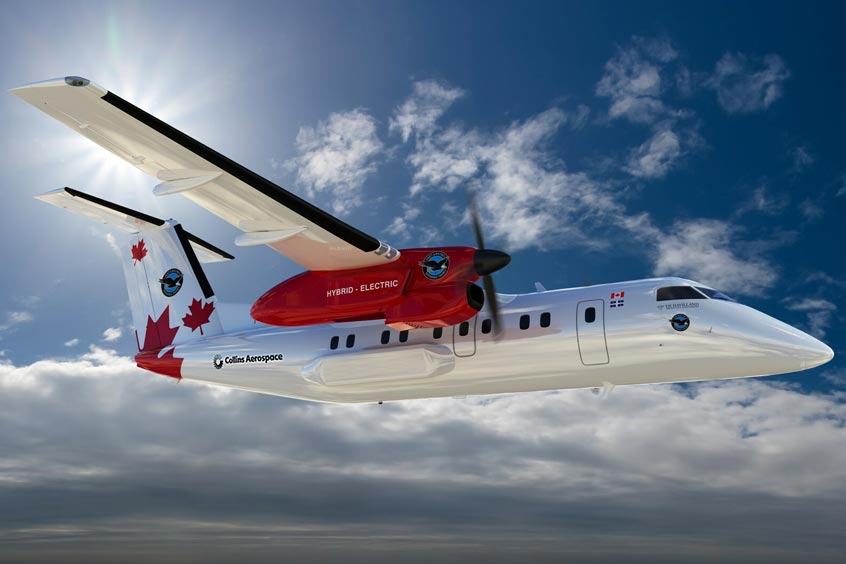
By 2025 HE-ART, which brings together 38 partners with Safran Helicopter Engines as technical coordinator, plans to ground test a hybrid electric propulsion engine intended for regional turboprop aircraft.
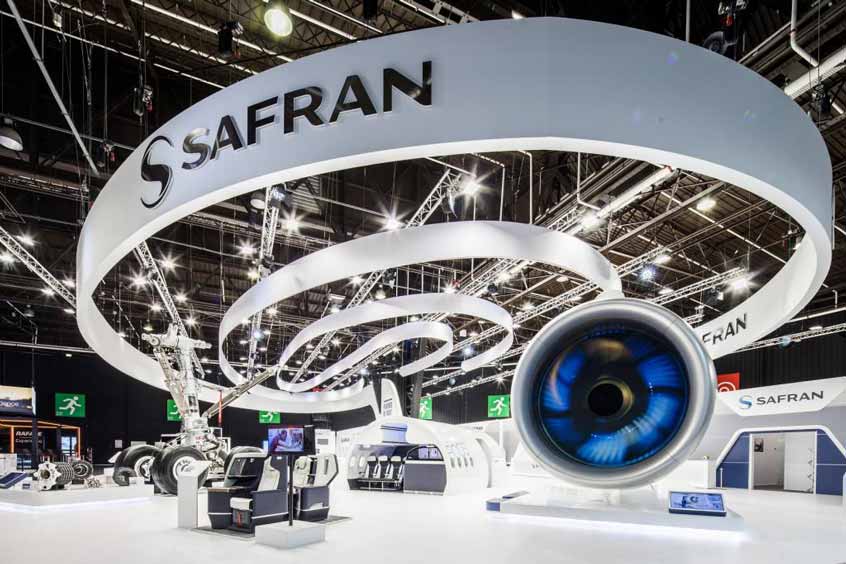
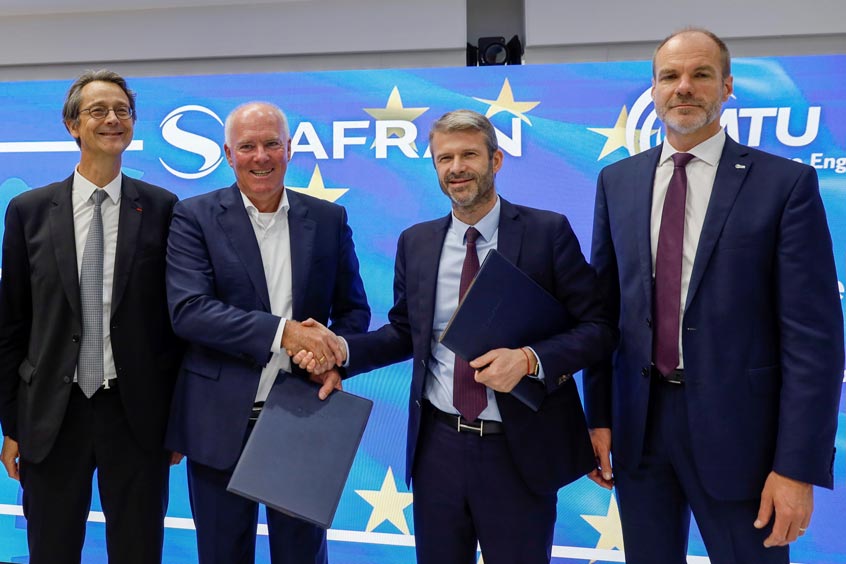
The two companies are building closer cooperation which will also include the manufacturing of seven critical forging and casting raw parts for the Shakti engine of Dhruv and the Light Combat Helicopter.
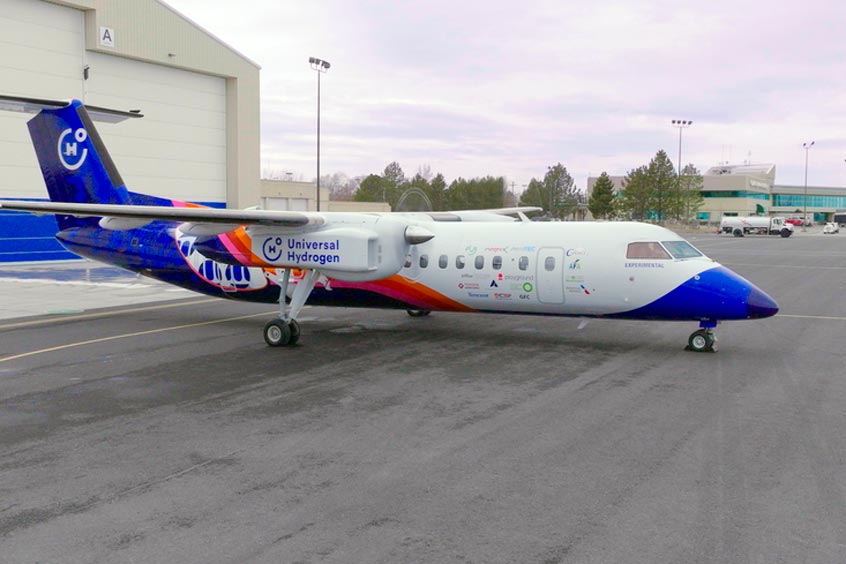
The Dash 8-300 will be the largest hydrogen fuel cell-powered aircraft to fly, and second as a hydrogen-powered aircraft only to the Tupolev Tu-155 tested in 1988 with one jet engine converted to burn hydrogen.
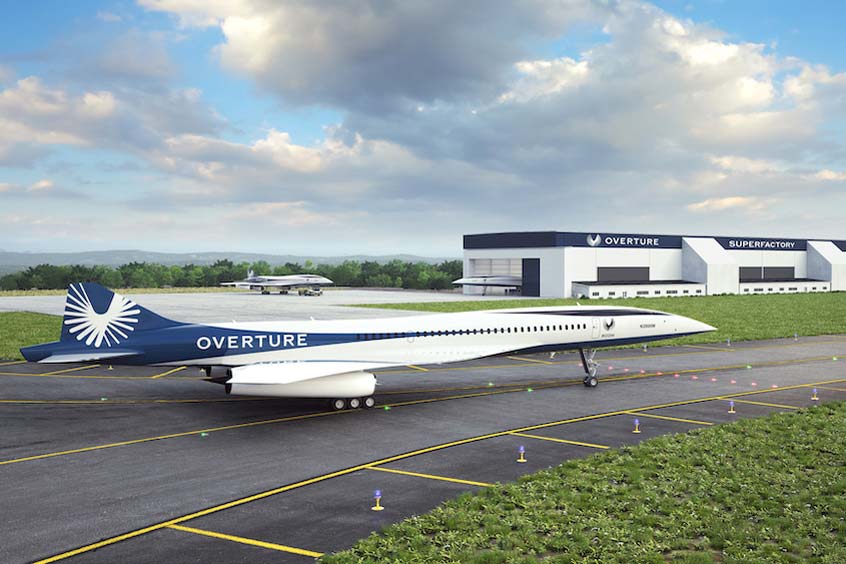
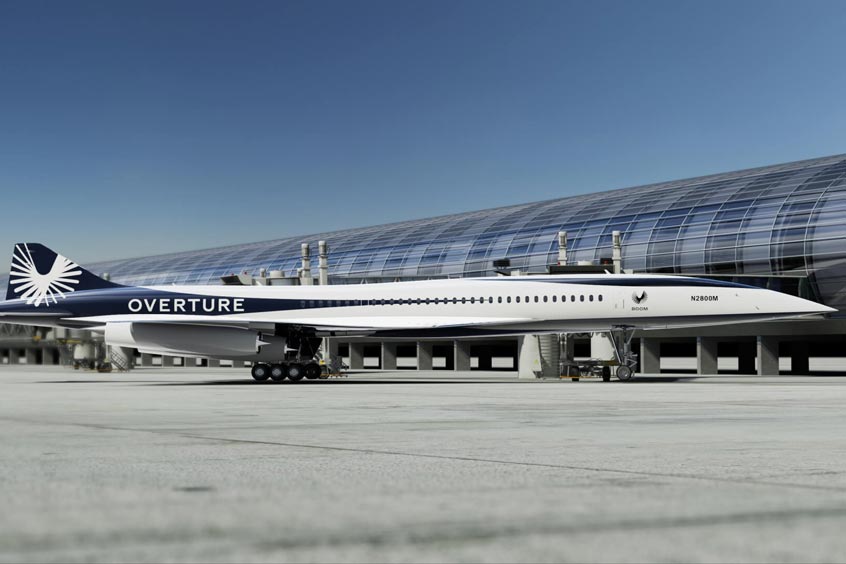
By 2032, Boom will hire more than 2,400 workers at the factory, and recruiting is already under way. The North Carolina location is close to several top-tier aerospace suppliers.
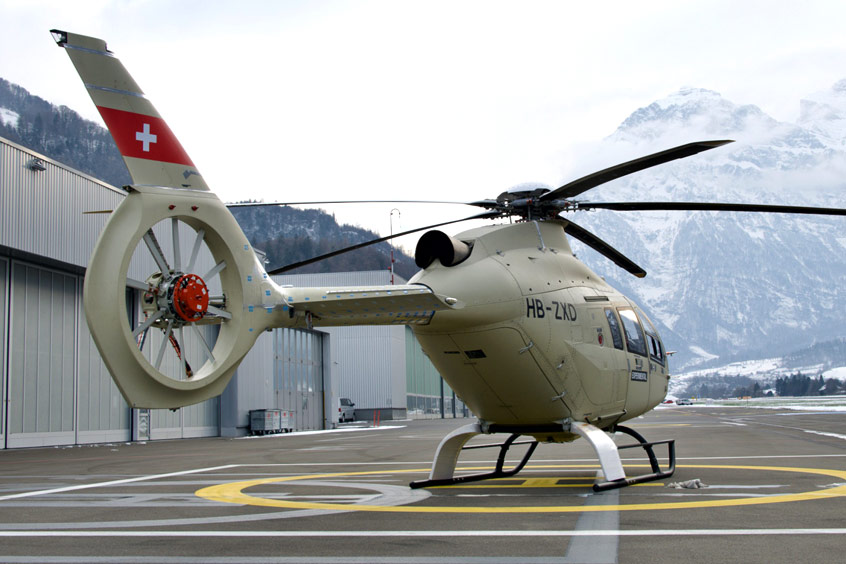
The new propulsion system is already installed on the latest AW09 prototype, PS4 (Pre Series 4), which is about to start flight test activities at Kopter’s facility in Mollis.
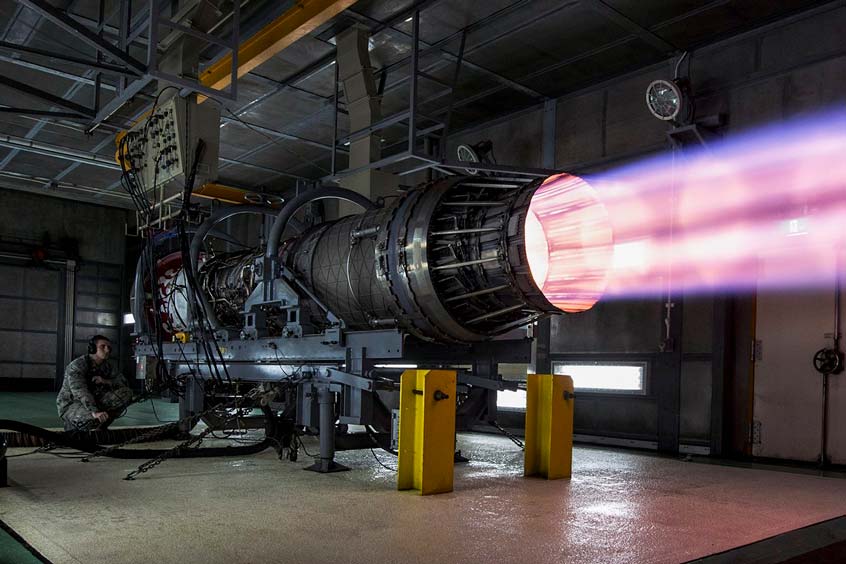
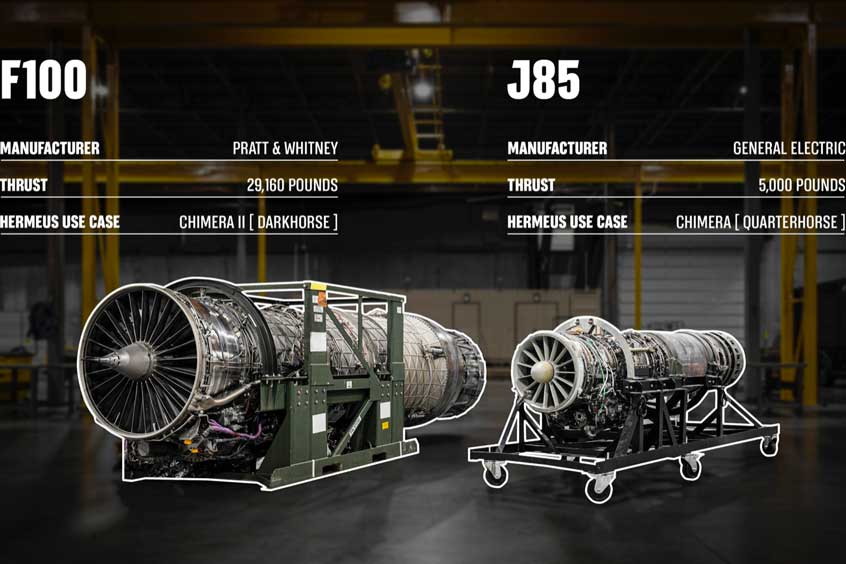
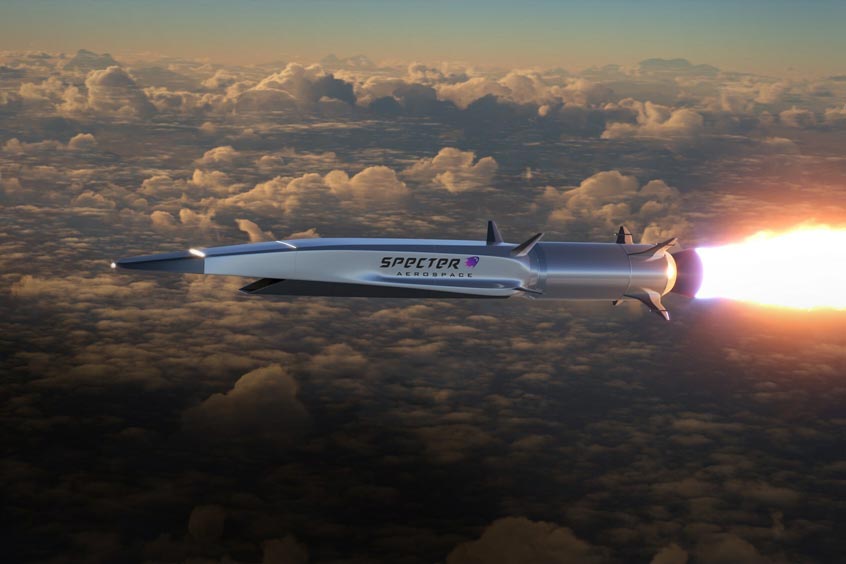
Chimera II is a hypersonic turbine-based combined cycle engine - a hybrid between a turbine engine and a ramjet. This allows for both low-speed and high-speed operation.
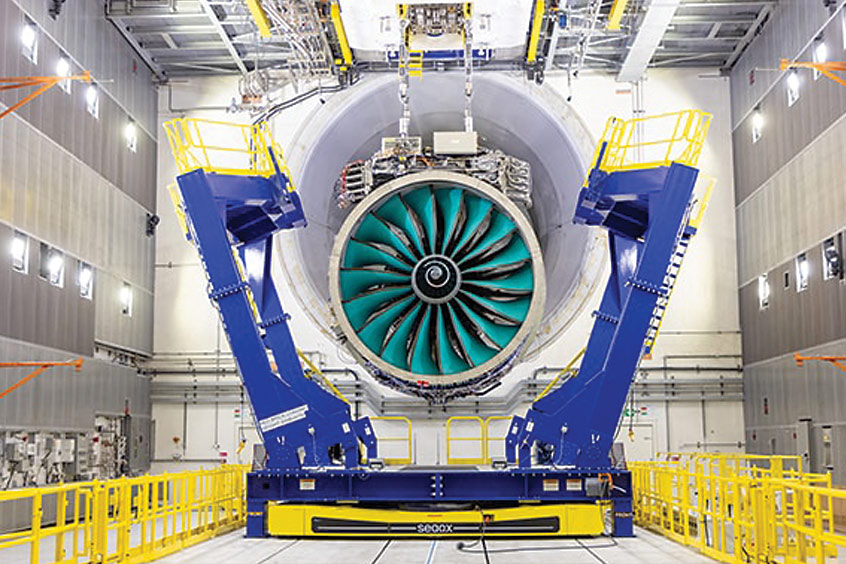
The UltraFan demonstrator has a fan diameter of 140 inches and offers a 25% fuel efficiency improvement compared with the first generation of Trent engine.
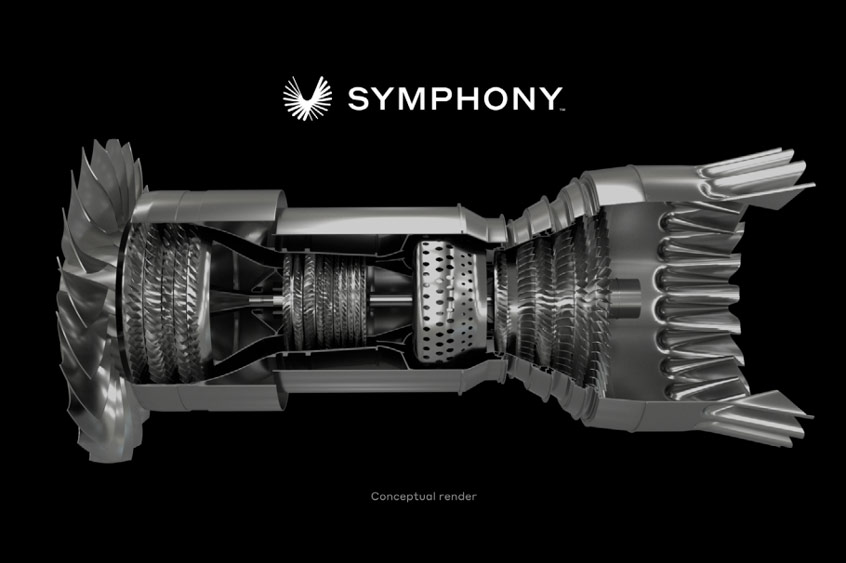
Symphony will be a conventional medium-bypass turbofan engine, but with a Boom-designed axisymmetric supersonic intake, a variable-geometry low-noise exhaust nozzle, and a passively cooled high-pressure turbine.
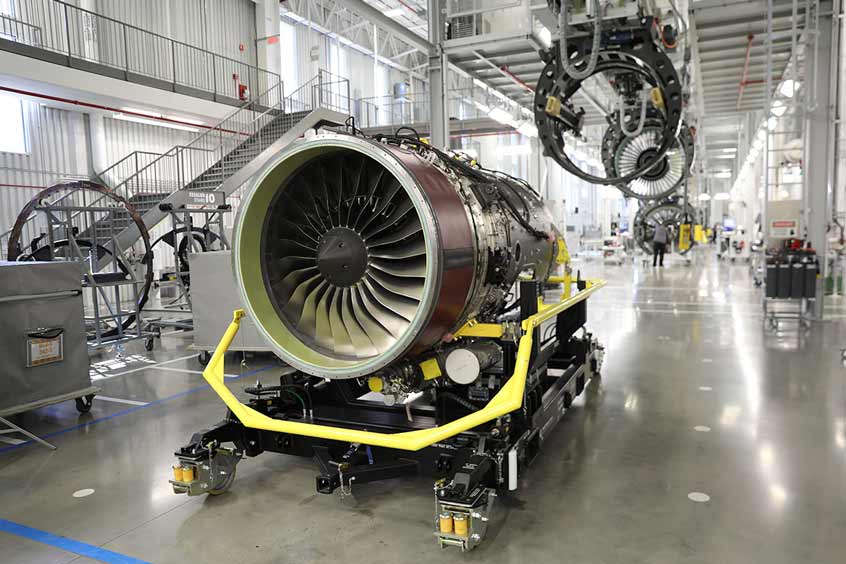
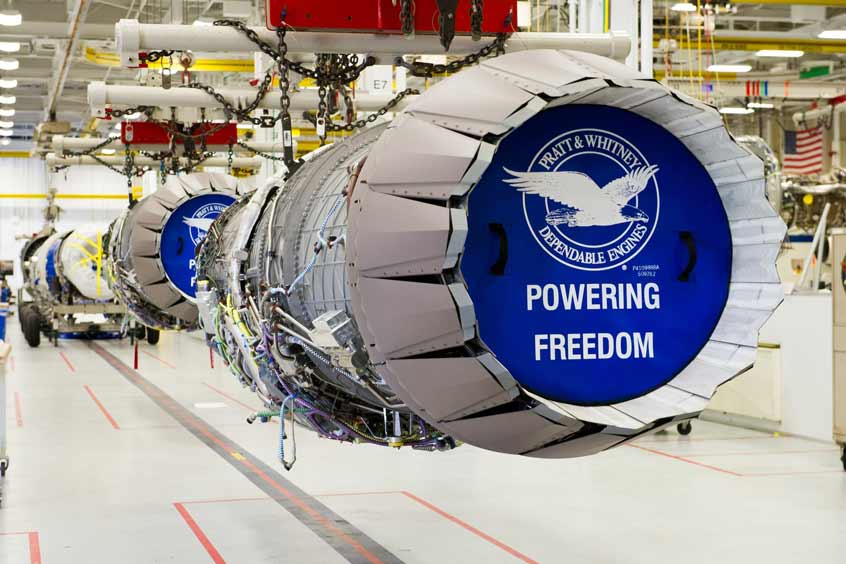
The FAA is the third aviation authority to give its stamp of approval for the PW812D engine, after Transport Canada and the European Union Aviation Safety Agency.
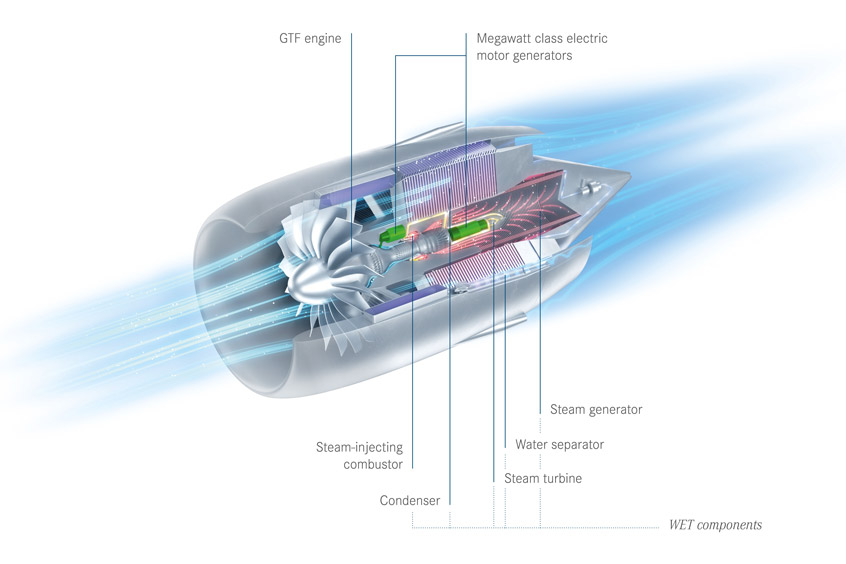
A new project will combine two innovative technologies - Water-Enhanced Turbofan and hybrid-electric propulsion - with Pratt & Whitney's GTFTM engine architecture.
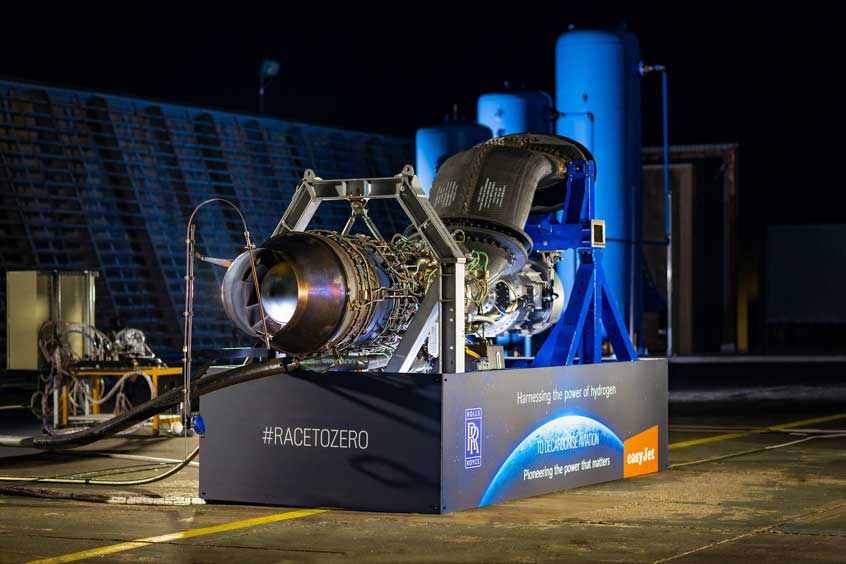
Following analysis of this early concept ground test, the partnership plans a series of further rig tests leading up to a full-scale ground test of a Rolls-Royce Pearl 15 jet engine.
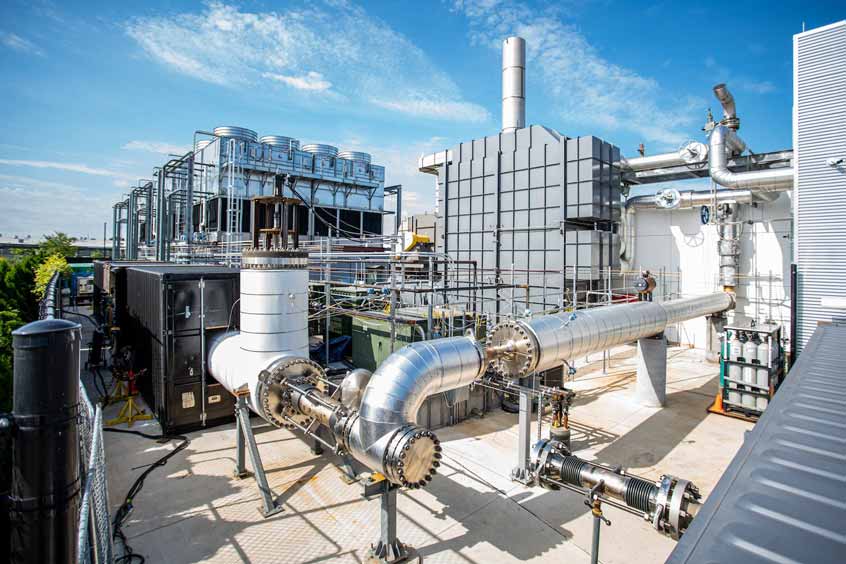
With mode transition successfully demonstrated, the Hermeus team is now racing to manufacture the first Quarterhorse aircraft that will begin flight testing in late 2023.
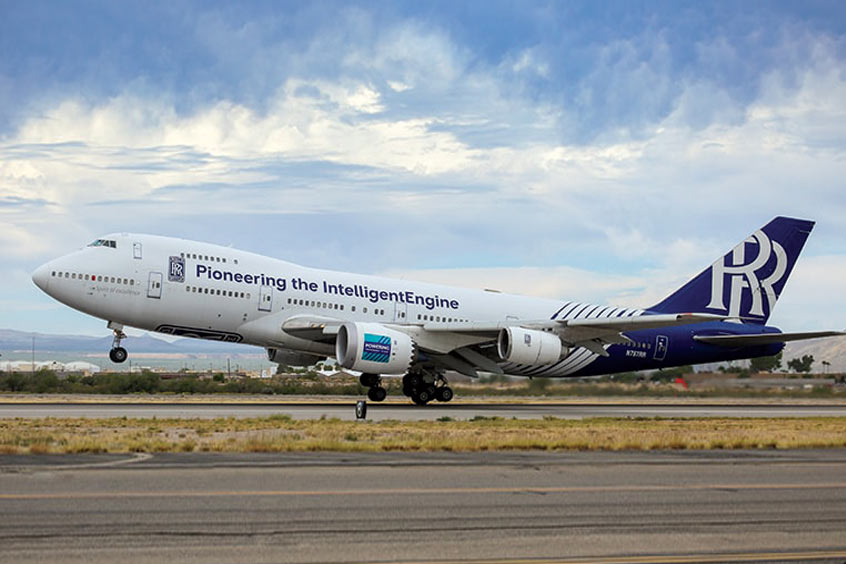
Rolls-Royce says testing ALECSys low-emissions technology in flight will allow the verification of altitude operability performance and provides experience of operating a lean-burn system ahead of entry into service.
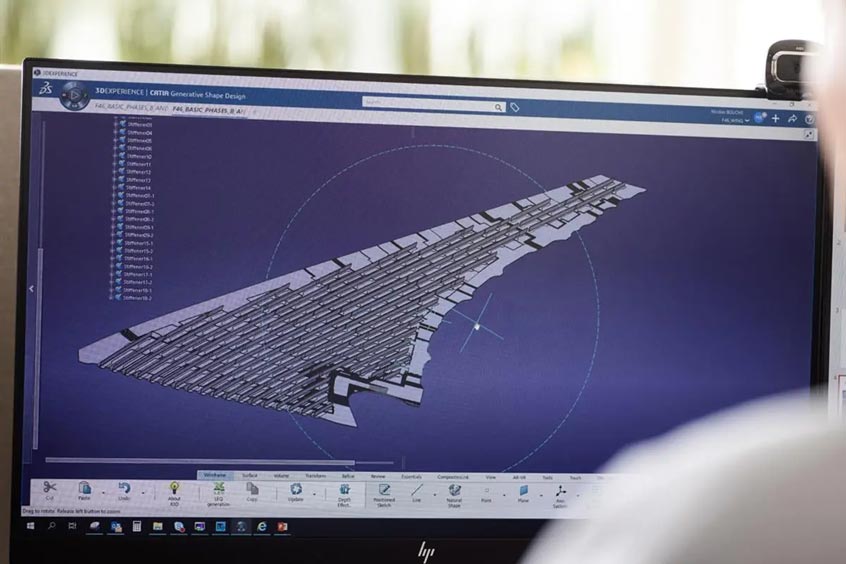
With the Falcon 10X, Dassault is taking a new approach to ground testing, which will be used to demonstrate the maturity of all systems well before the aircraft even takes to the air.