
Every Bulletin story and press release covering Electrical Power Systems, newest first.
700 items · page 5 of 14

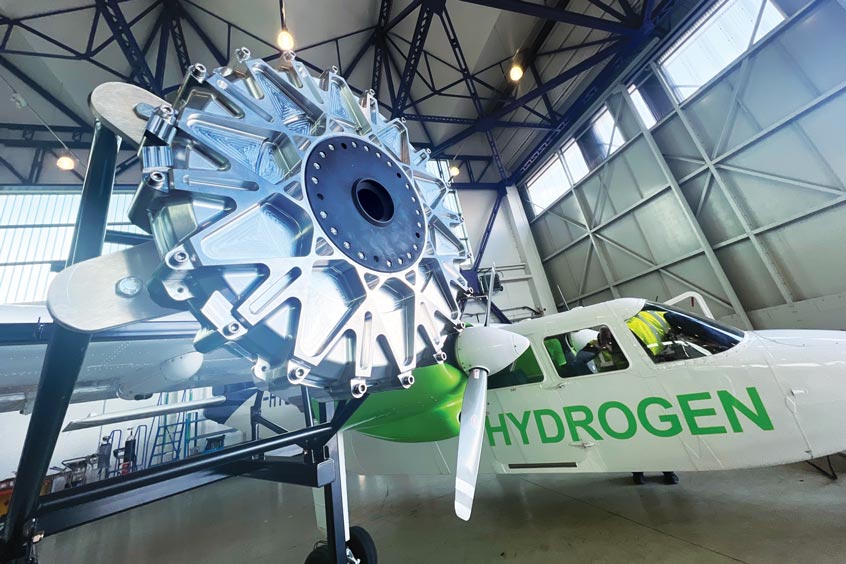
Evolito's motor is a compact solution that has allowed CAeS to integrate and package the technology efficiently as part of the 240kW Fresson fuel-cell propulsion system within the Islander engine nacelle.
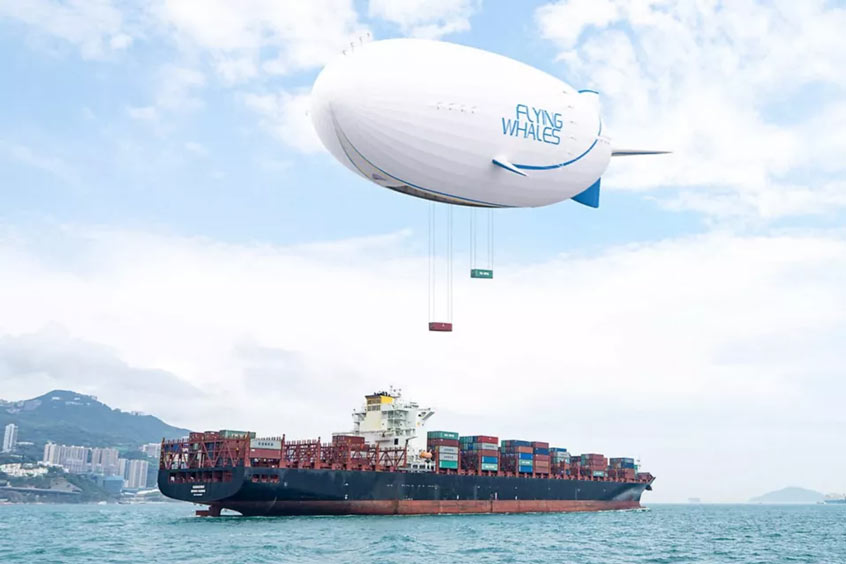
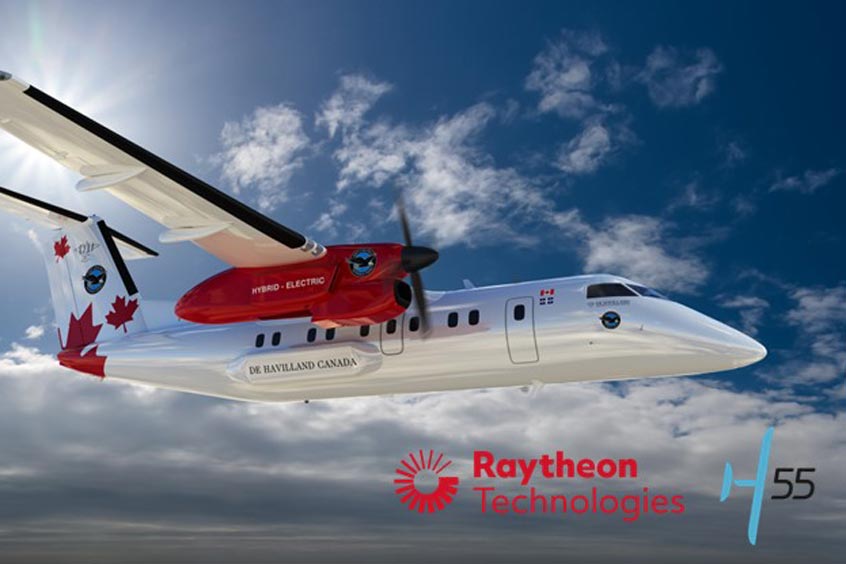
Aboard the LCA60T, the generator will create a hybrid propulsion system by being integrated with a gearbox and a turbine that uses jet fuel and sustainable aviation fuel (SAF).
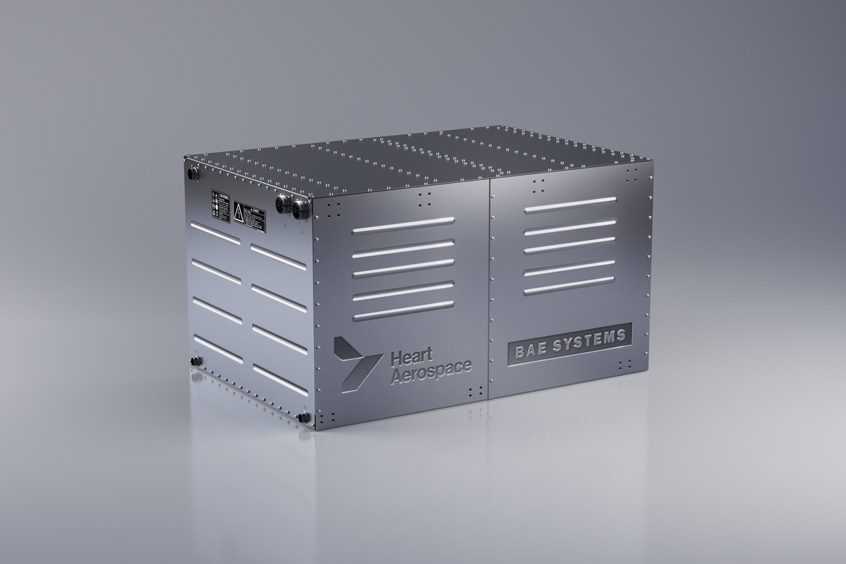
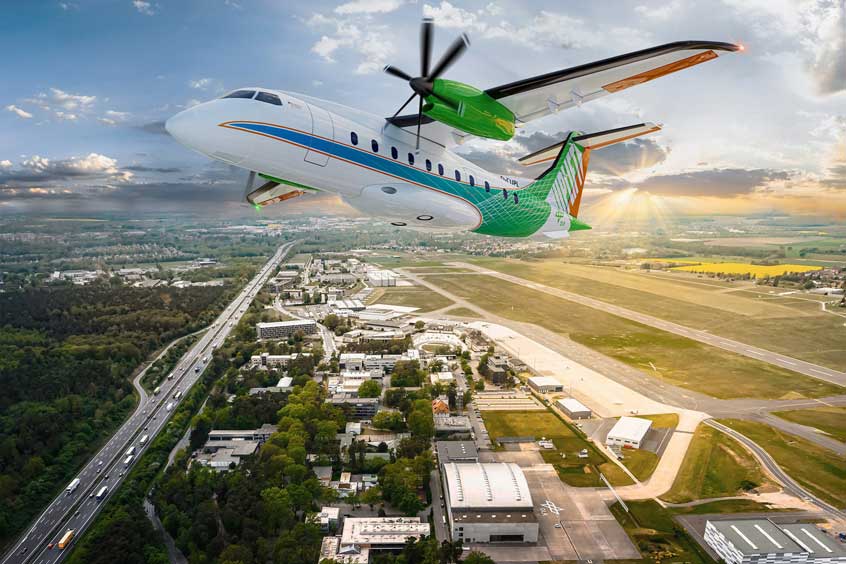
The battery will be the first-of-its-kind to be integrated into an electric conventional takeoff and landing (eCTOL) regional aircraft, allowing it to efficiently operate with zero emissions and low noise.
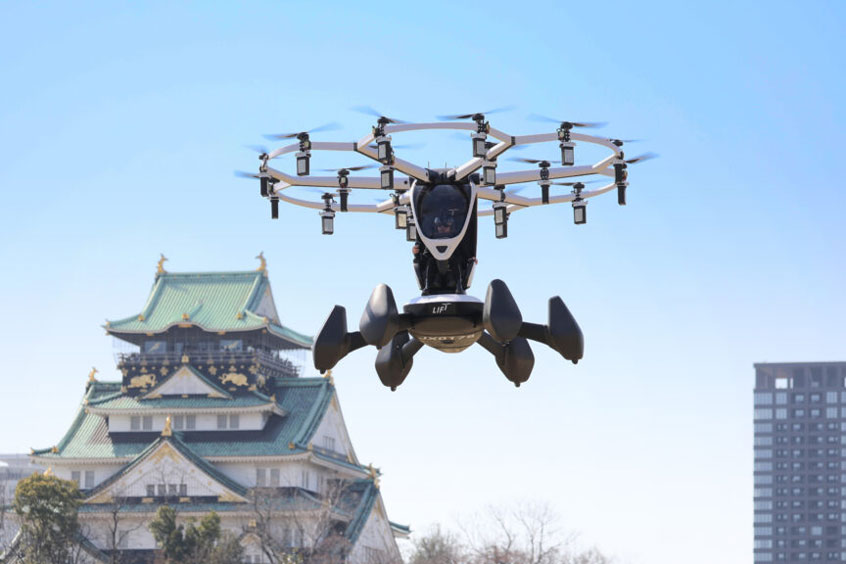
Lift has formally concluded Phase 1 flight test and beginner flight envelope development with the U.S. Air Force and has launched Alpha Flights, allowing people outside of their Flight Operations and Test teams to fly.
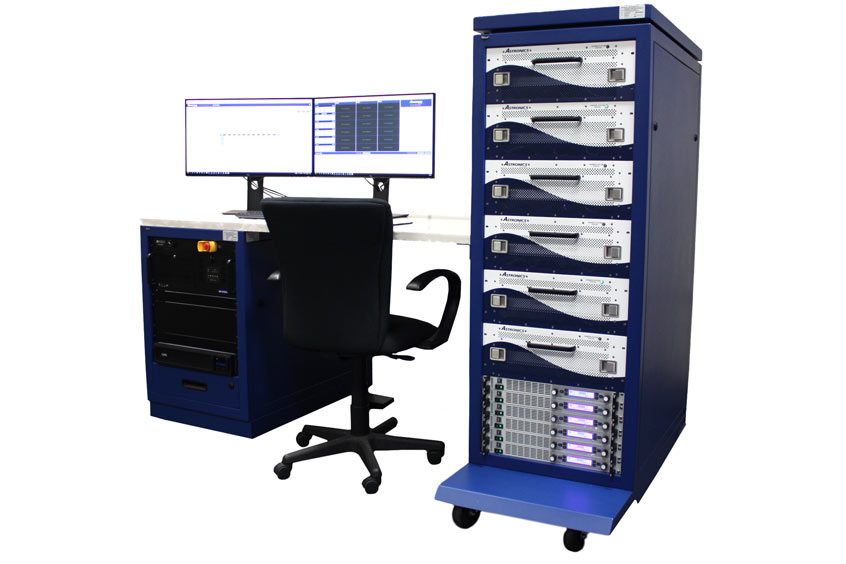
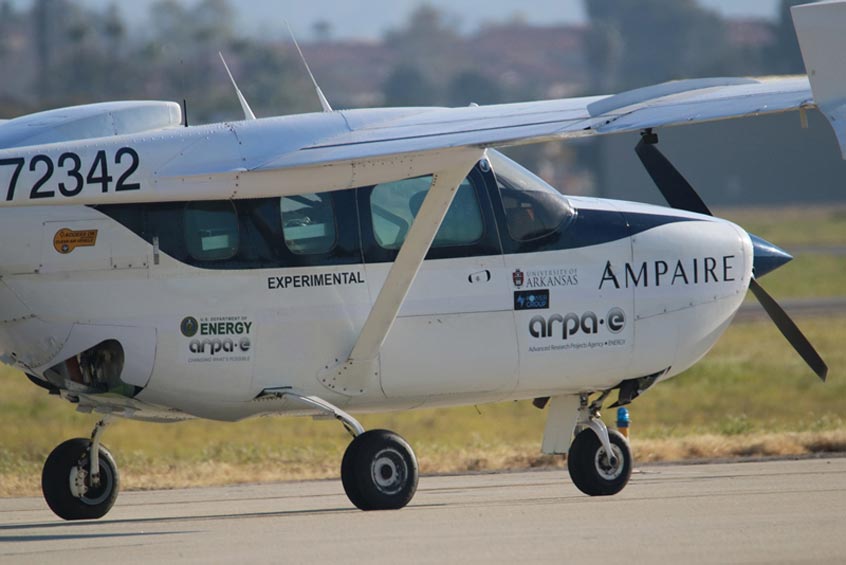
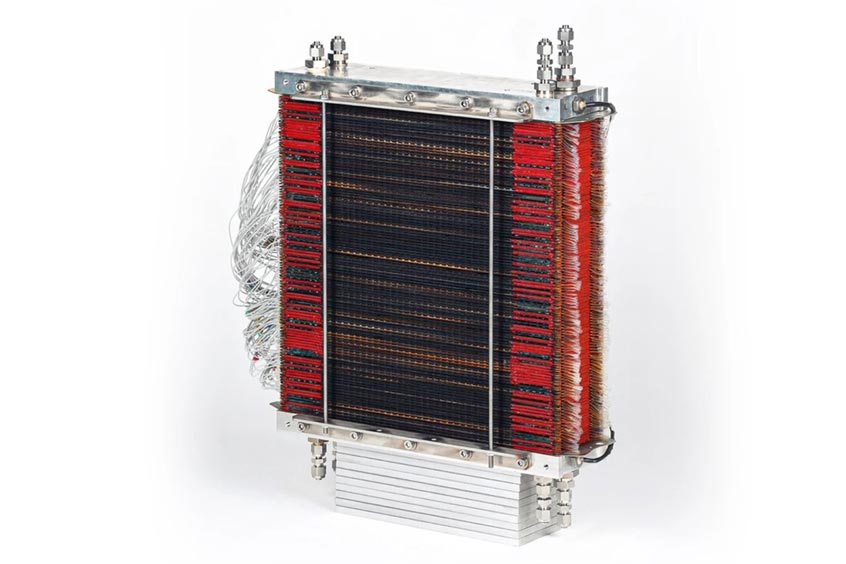
ZeroAvia's testing confirms the potential for HTPEM systems to accelerate the development of large hydrogen-electric powertrains for large aircraft.
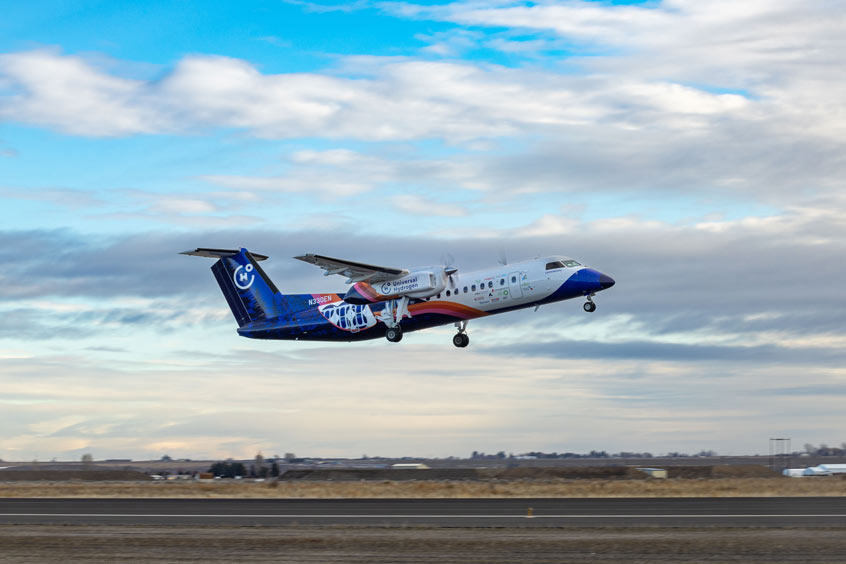
In this first test flight, one of the aircraft's turbine engines was replaced with Universal Hydrogen's fuel cell-electric, megawatt-class powertrain. The other remained a conventional engine for safety of flight.
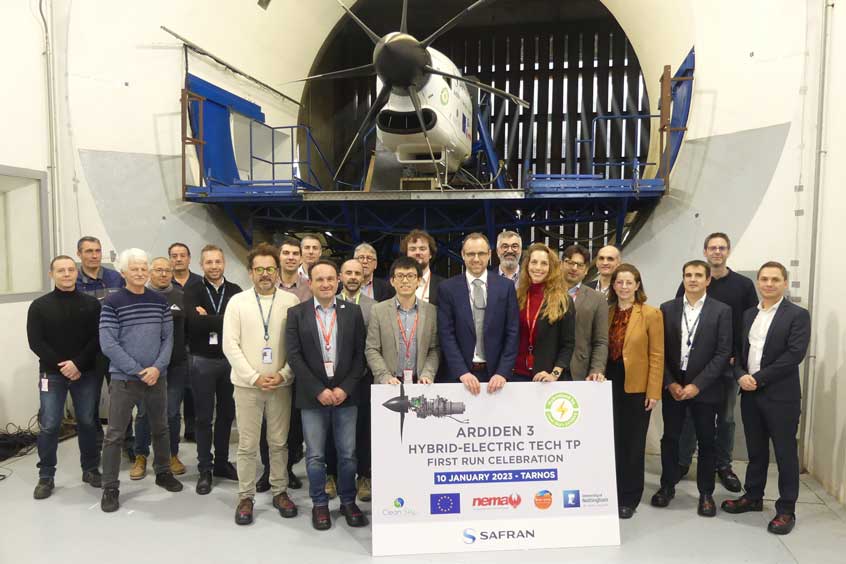
By 2025 HE-ART, which brings together 38 partners with Safran Helicopter Engines as technical coordinator, plans to ground test a hybrid electric propulsion engine intended for regional turboprop aircraft.
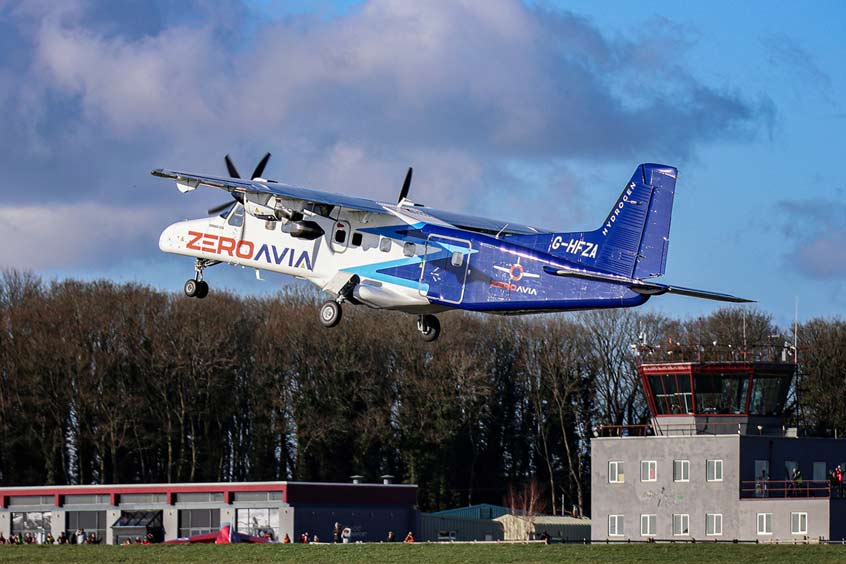
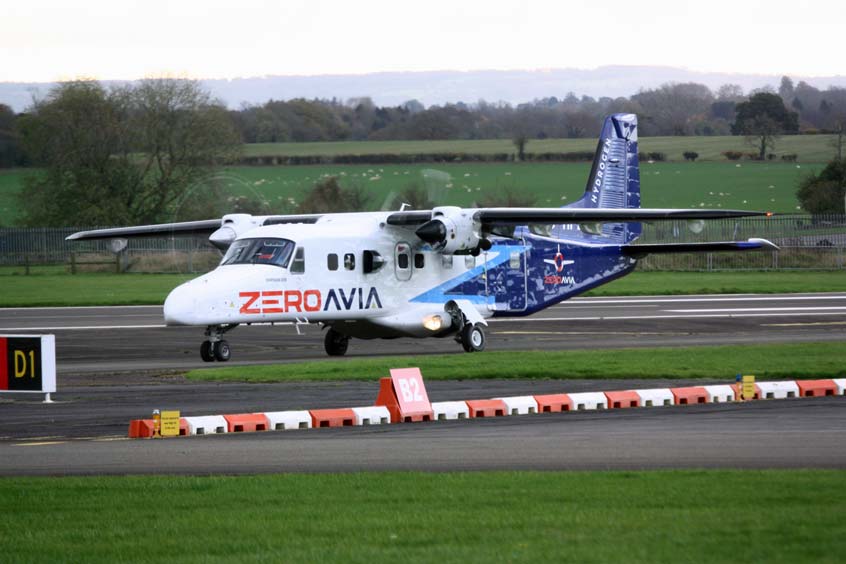
The permit will pave the way for a commercially certifiable configuration for ZA600 to be submitted by the end of 2023, ahead of delivering powertrains for the first commercial operation of 9-19 seat aircraft by 2025.
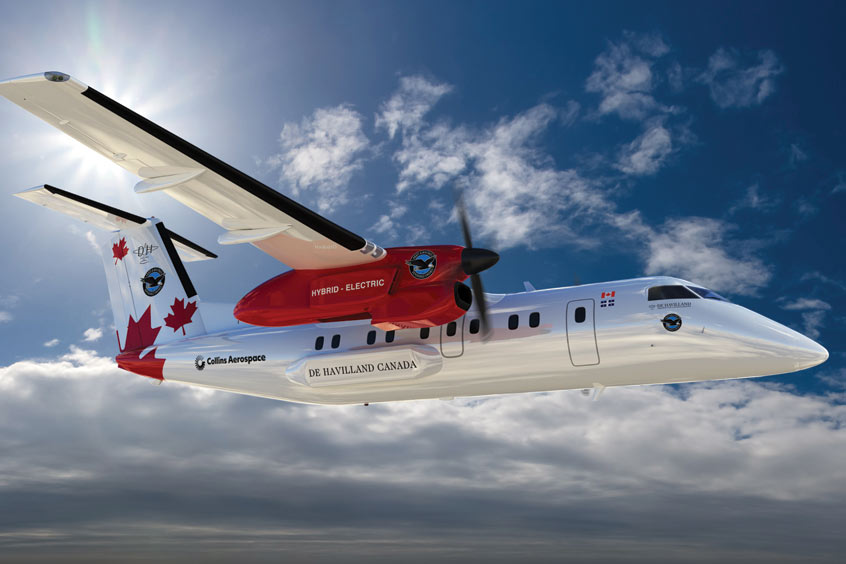
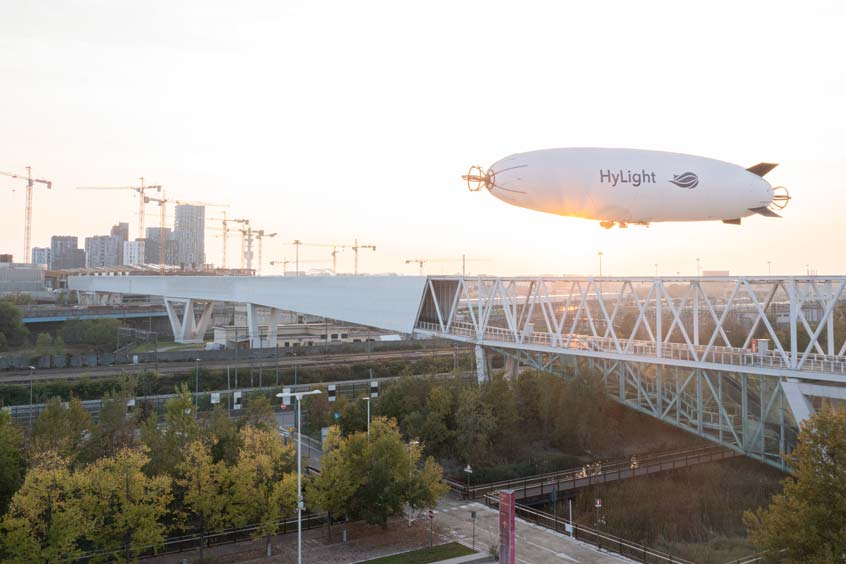
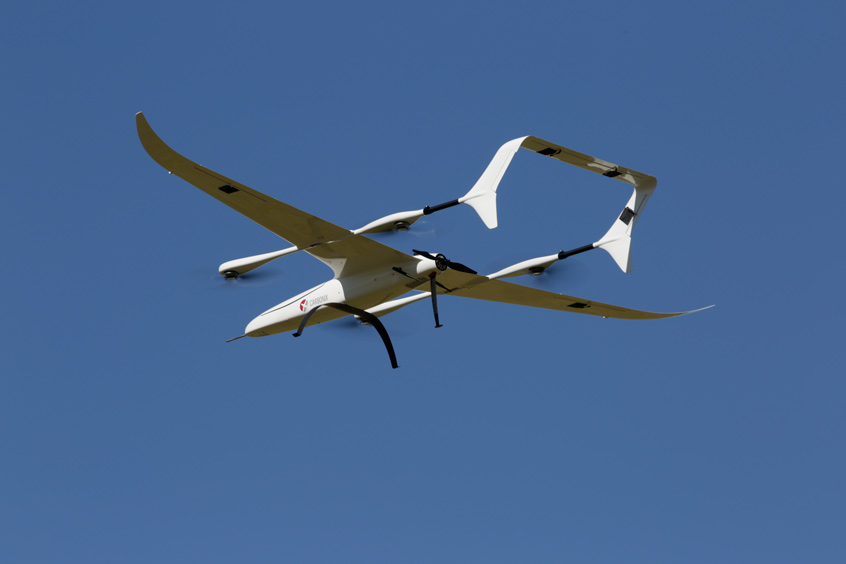
H3 believes Australia will be the first to use commercial electric-powered drones that use hydrogen instead of batteries, in order to fly for many hours at a time and reach remote locations.
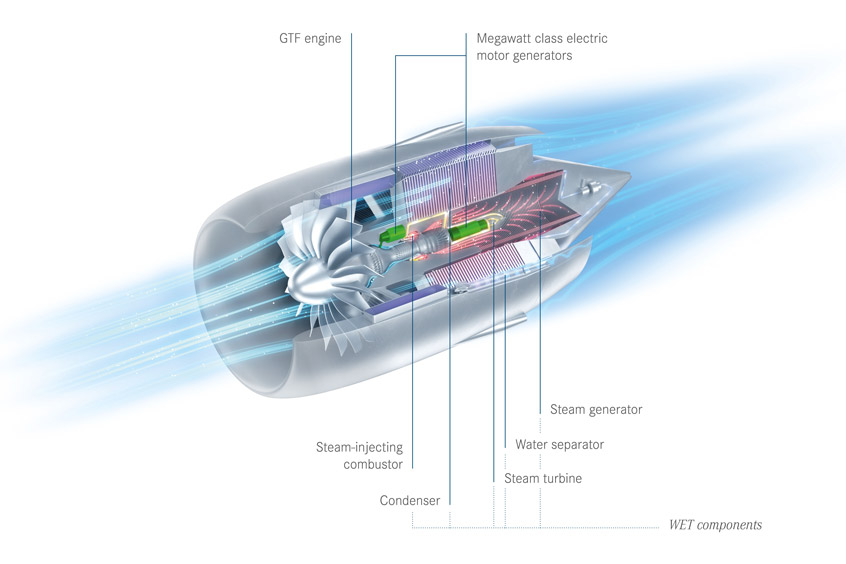
A new project will combine two innovative technologies - Water-Enhanced Turbofan and hybrid-electric propulsion - with Pratt & Whitney's GTFTM engine architecture.
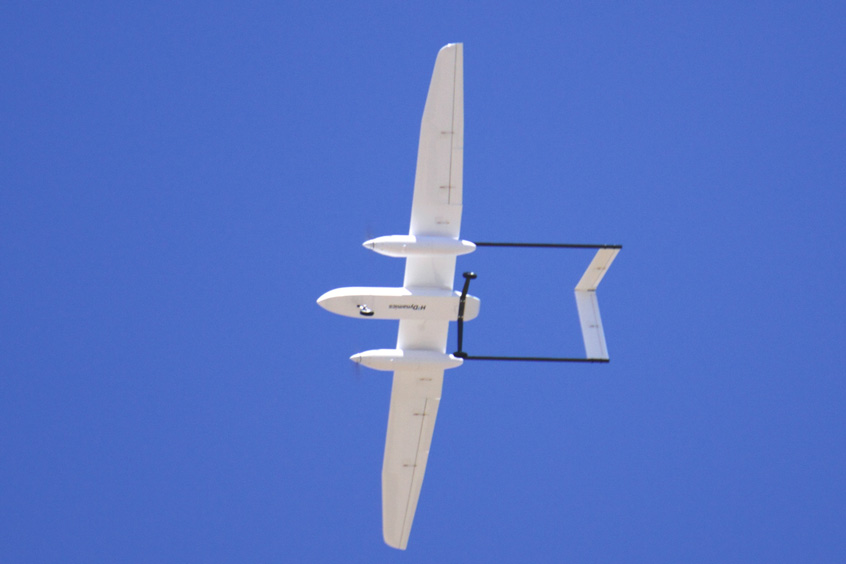
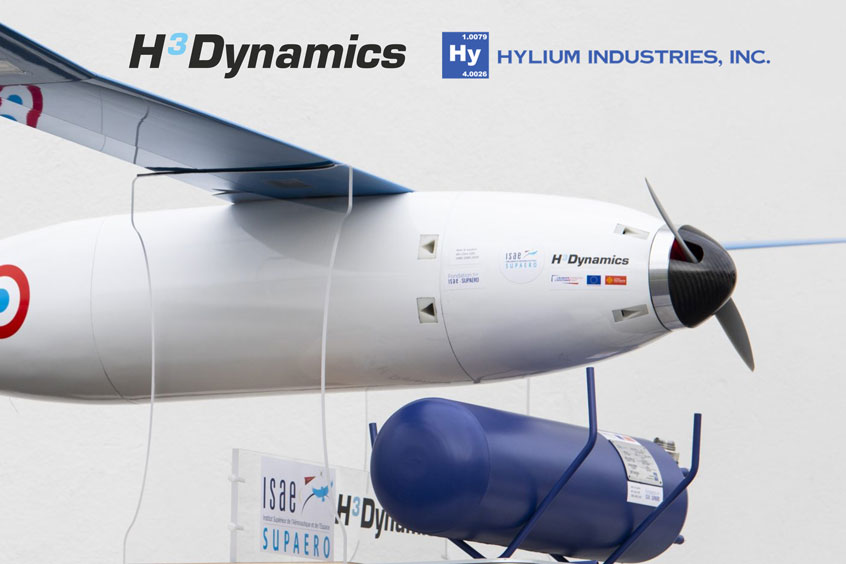
H3 Dynamics' 25kg test aircraft has electric flight range of up to 900km on liquid hydrogen, or 350km with pressurised hydrogen. Its externalised nacelle design also frees up 30 litres of fuselage volume.
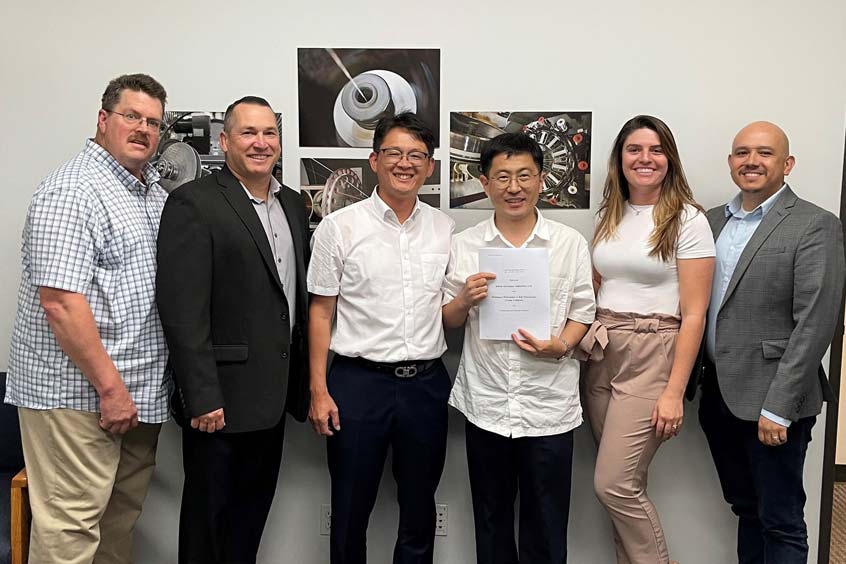
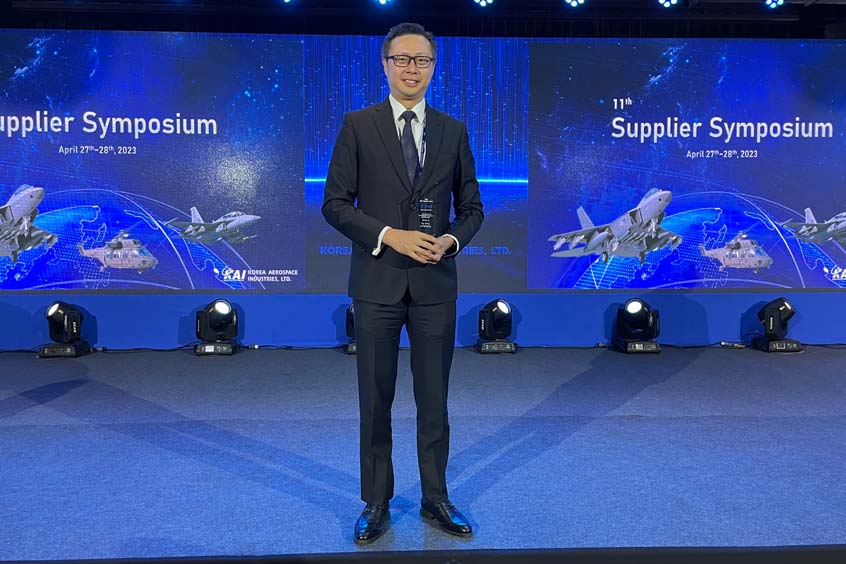
A new multi-year agreement with BJG will allow KAI to minimise inventory and assure consistent quality supply as program requirements dictate.
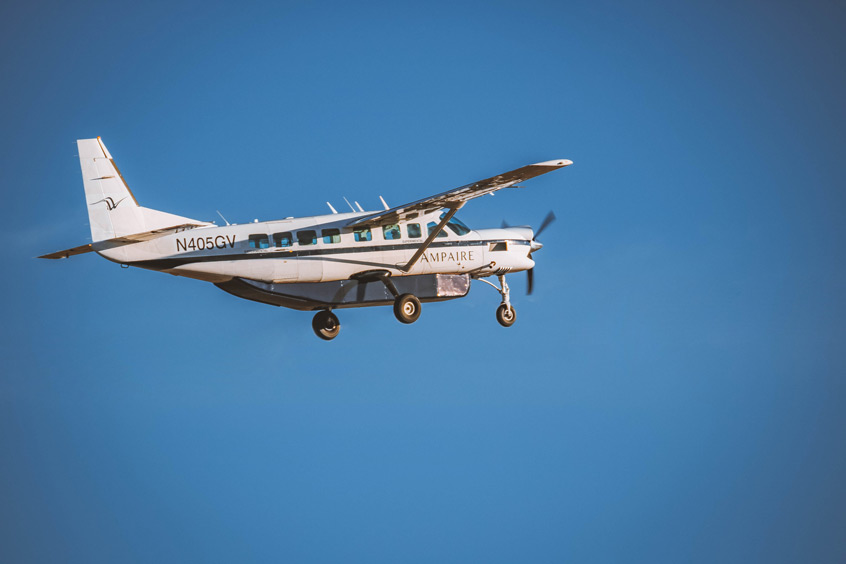
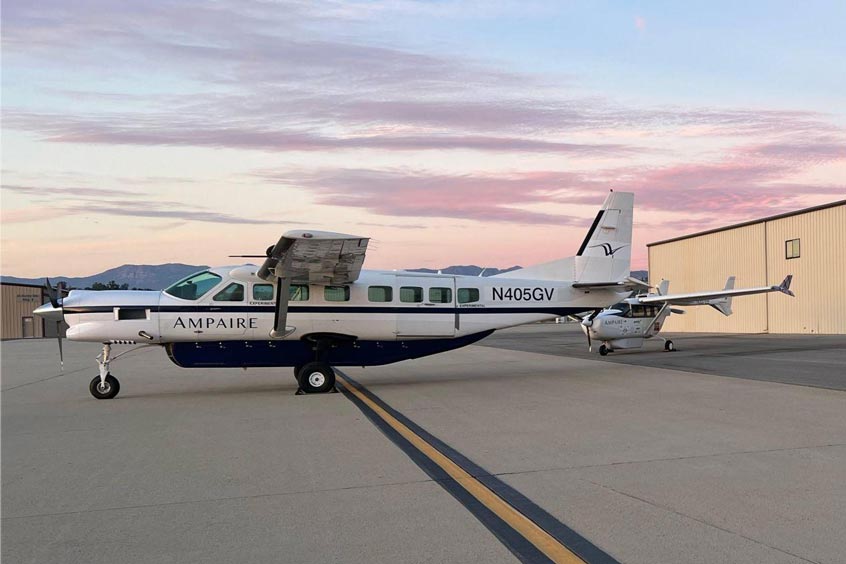
The hybrid-electric aircraft preserves the range/payload capability of the Grand Caravan, and in fact can fly farther than the Grand Caravan with eight passengers. Maximum range is beyond 1,000 miles.
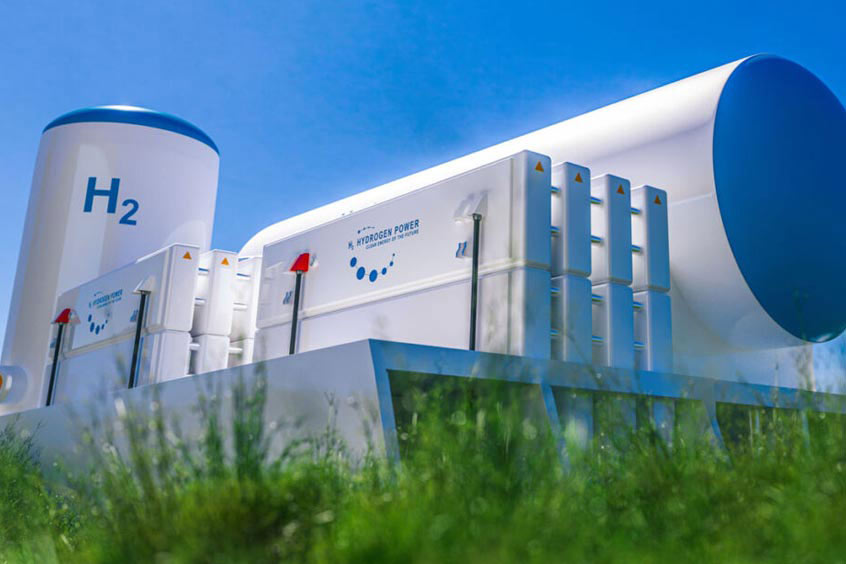
By offering this technology alongside battery electric and hybrid electric systems, magniX will be able to offer a wider range of electric solutions to operators transitioning to carbon-free fleets.