Every Bulletin story and press release covering Turbine Engines, newest first.
1,554 items · page 7 of 32
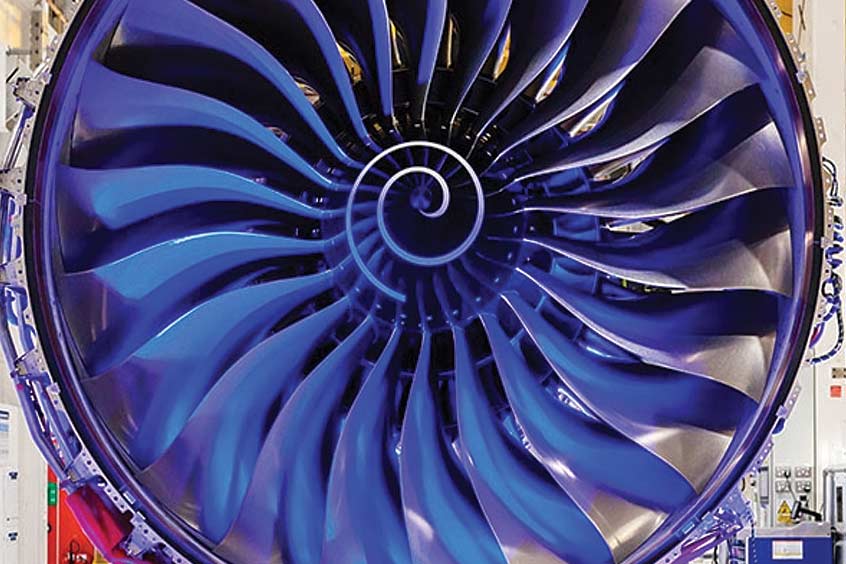
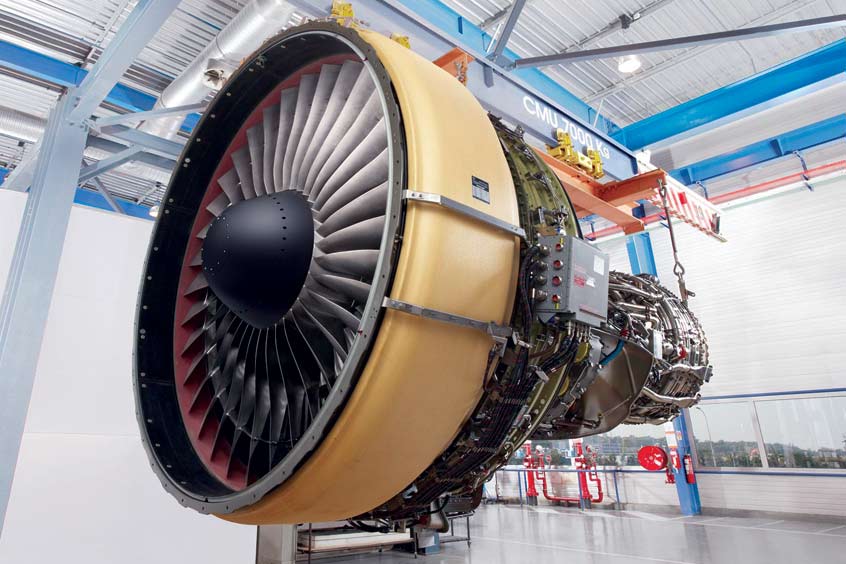
The Trent XWB-84 entered into service in 2015. The 1000th engine was produced at Rolls-Royce's Derby assembly line and will power an Airbus A350-900.
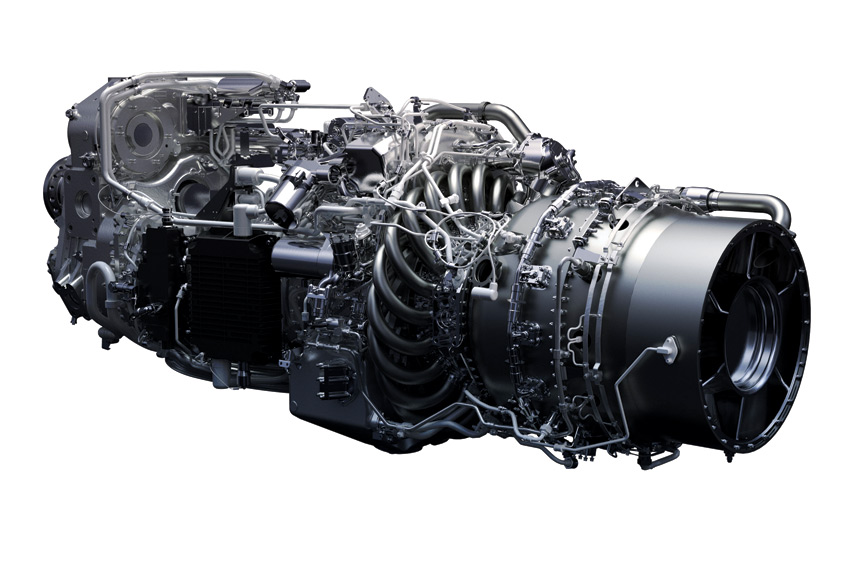
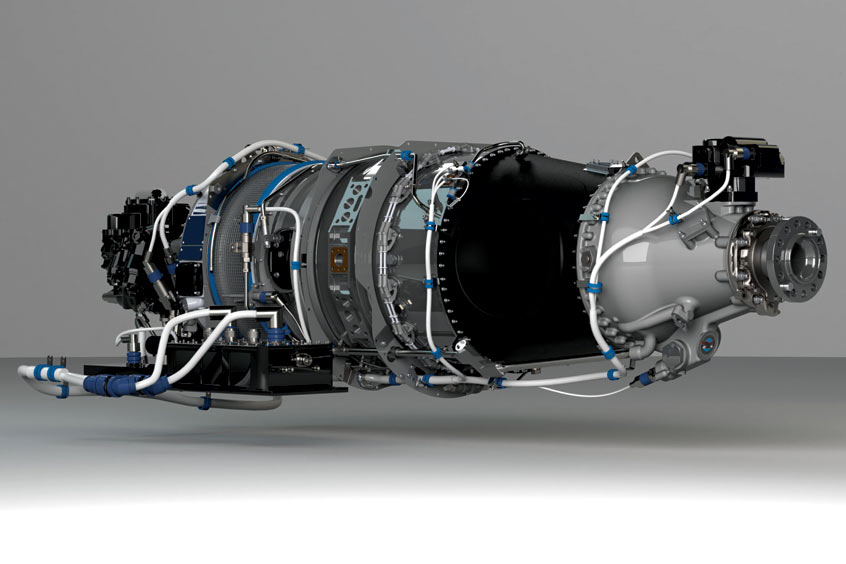
The PW127XT-M engine builds on the existing PW127M, with a three per cent improvement in fuel efficiency. It is certified for up to a 50% sustainable aviation fuel blend.
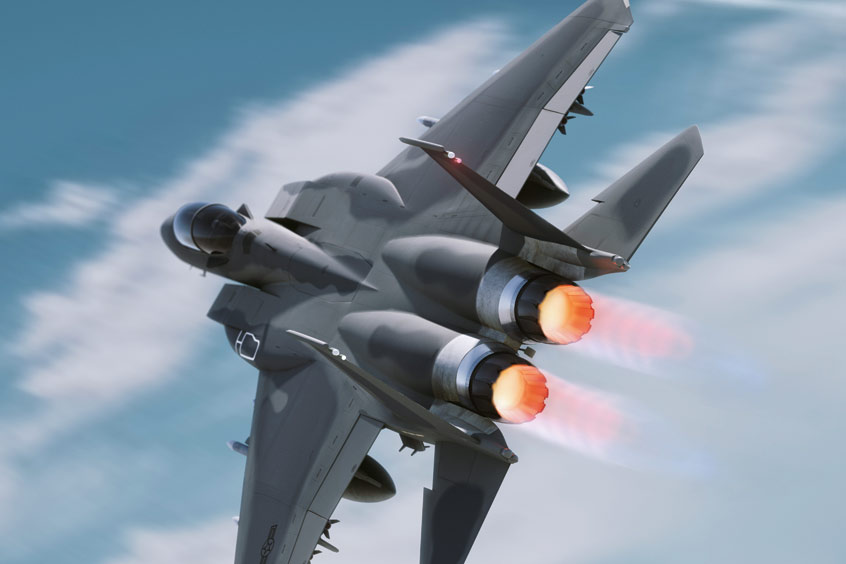
The F110 engine by GE be will continue to provide the power for the U.S. Air Force's F-15EX fleet. To date, over 3,400 F110 engines have been delivered worldwide, accruing over 10.5 million engine flight hours.
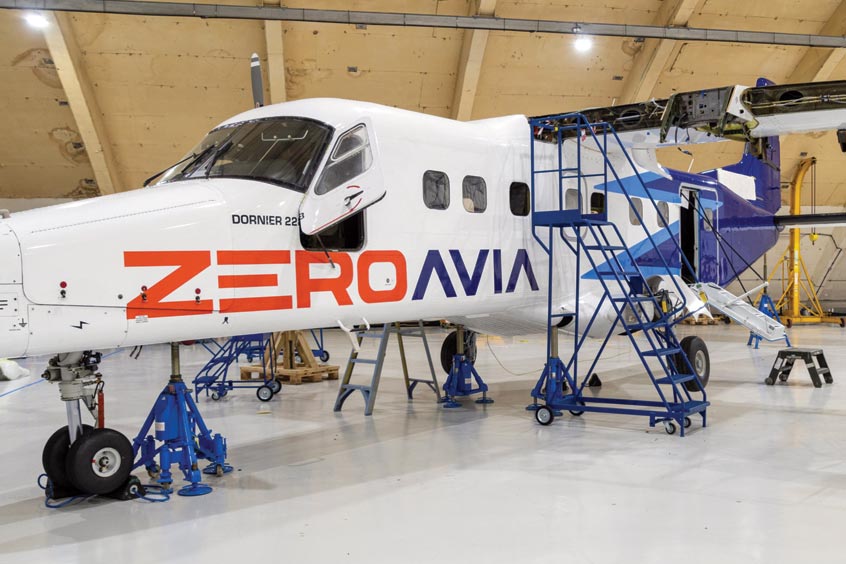
MHIRJ will support ZeroAvia by providing engineering services to aid the certification of the engines to Part 33 and will provide advisory services evaluating the feasibility of a green retrofit programme.
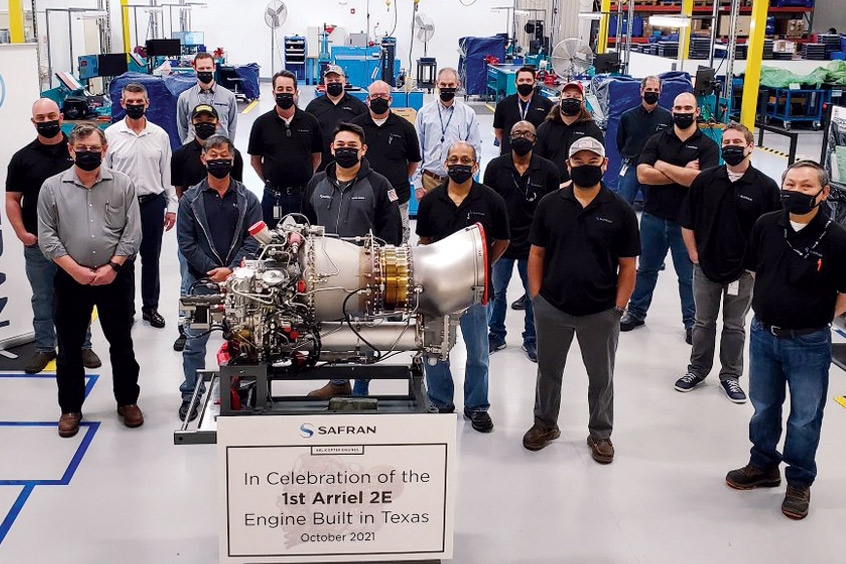
Safran assembles, tests and supports several Arriel variants at its facility in Texas, including the 2D for the Airbus H125 and the 1E2 for the UH-72A Lakota.

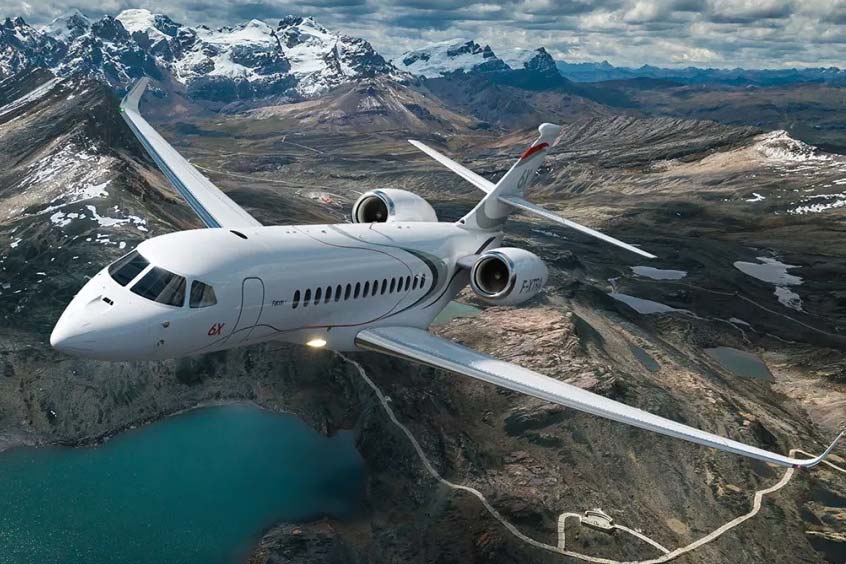
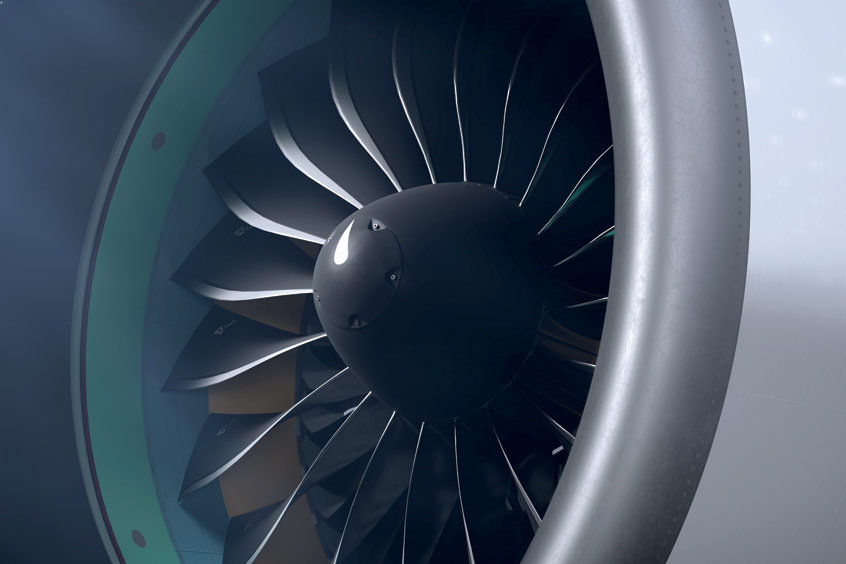
Pearl 700 engines have already powered Gulfstream's G700 beyond its maximum operating speed and cruise altitude, flying nearly as fast as the speed of sound at Mach 0.99 while reaching an altitude of 54,000ft.
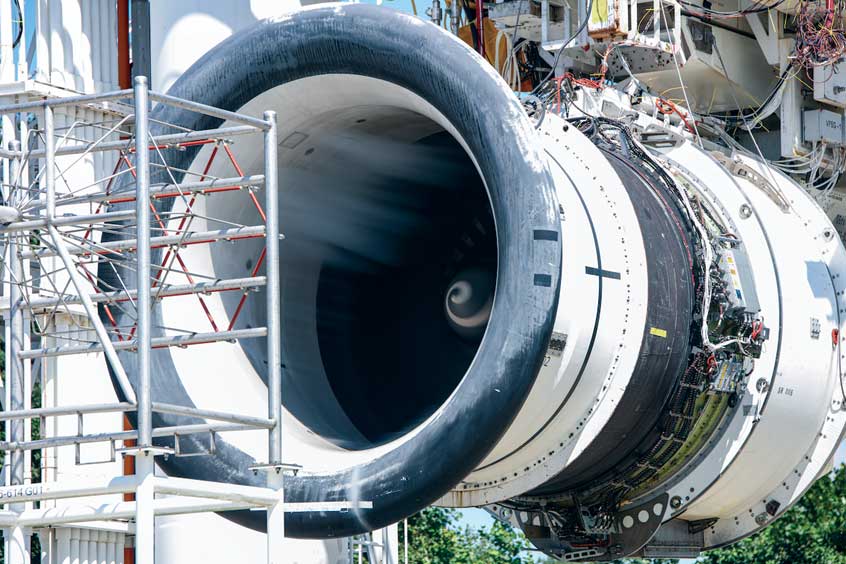
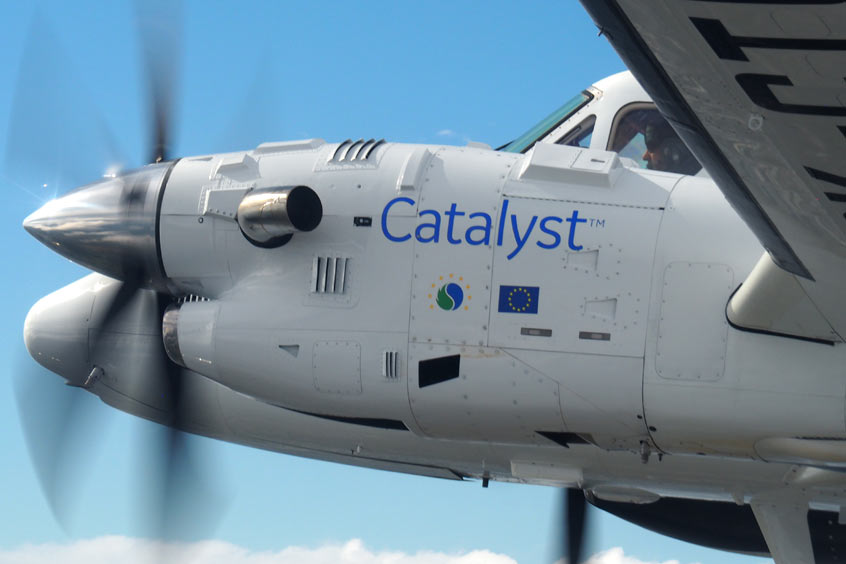
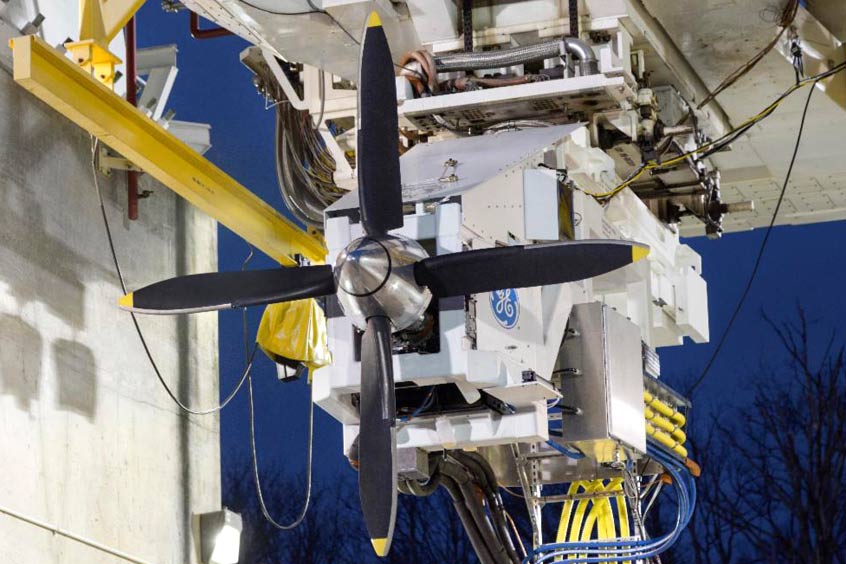
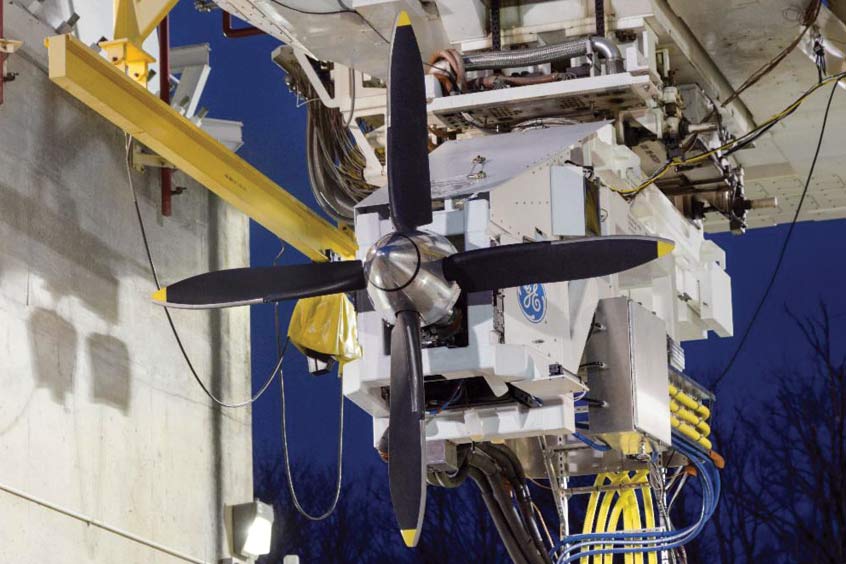
The Catalyst engine took part in a test flight which lasted for one hour and 40 minutes. The turboprop features a 16:1 overall pressure ratio, enabling it to achieve 20% lower fuel burn compared to the competition.
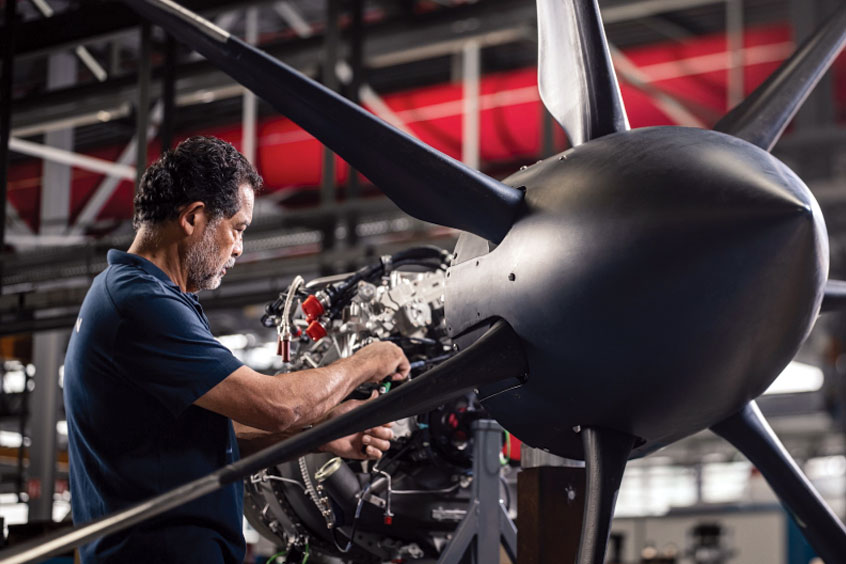
The Ardiden 3 is a core engine in the 1,700 to 2,000 shaft horsepower range. With two EASA-certified models it features compact modular architecture, a high power to weight ratio and a low cost of ownership.
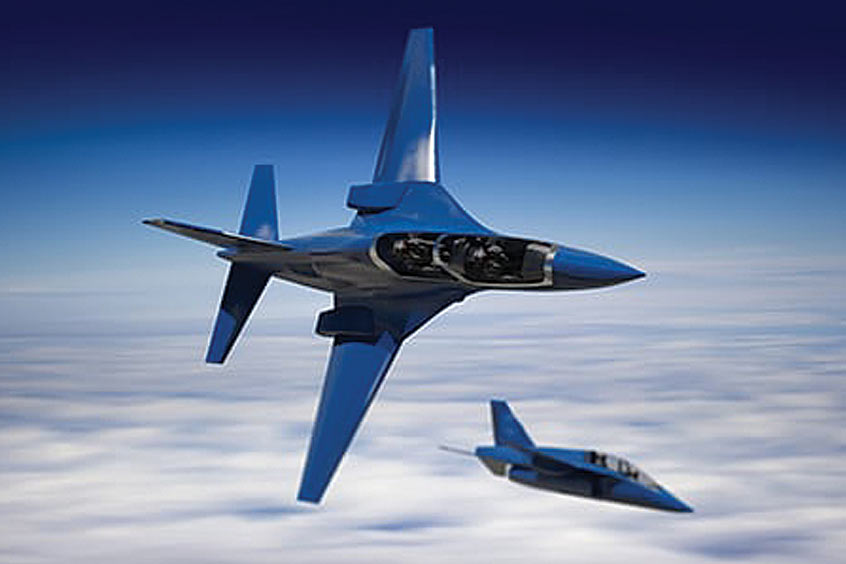
Using Rolls-Royce Defence's family of small propulsion systems will provide power for a pre-production prototype, as well as establishing a digital design pathway.
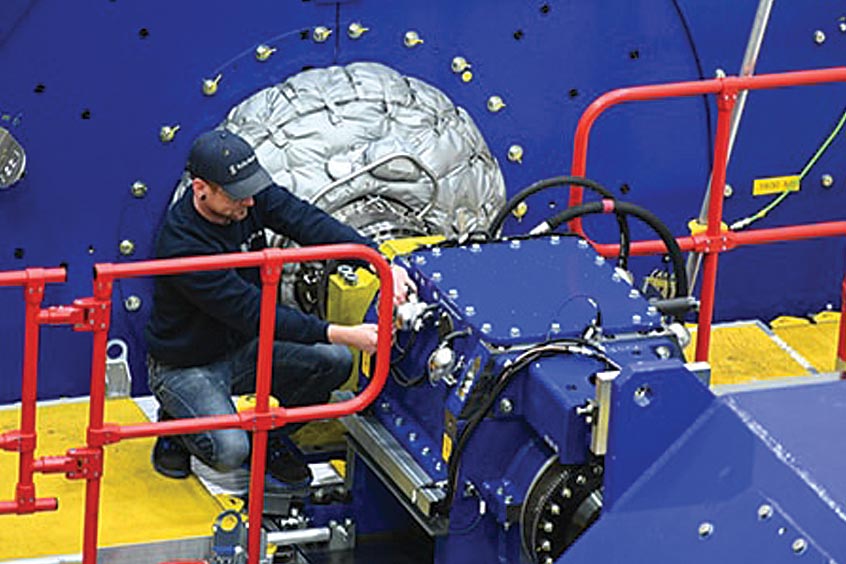
With over 650 hours of testing, the Rolls-Royce UltraFan power gearbox has set a new aerospace world record, reaching 87,000 horsepower. The UltraFan engine should be 25% more fuel efficient.
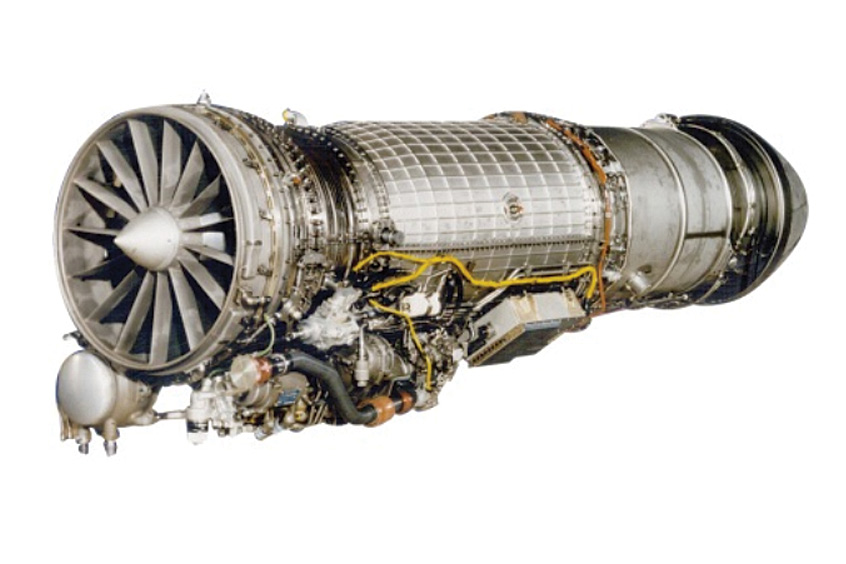
GE Aviation has committed to supply 99 F404-GE-IN20 engines by 2029, in a deal worth $716 million. The engines will be used to power the Tejas Light Combat Aircraft.
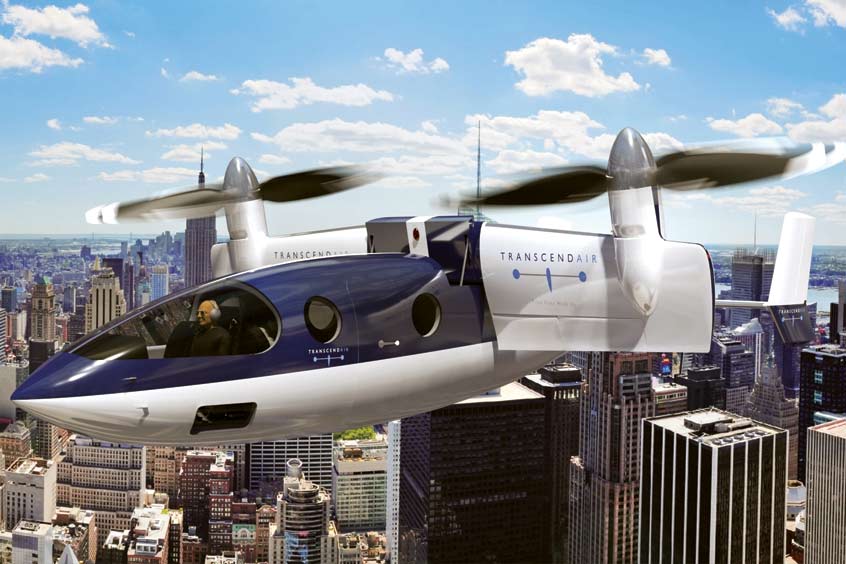
Transcend Air says that, on the day it is certified, the Vy 400 will simultaneously become the world's fastest helicopter and the world's fastest single-engine civil turboprop. The CT7-8 will power this achievement.
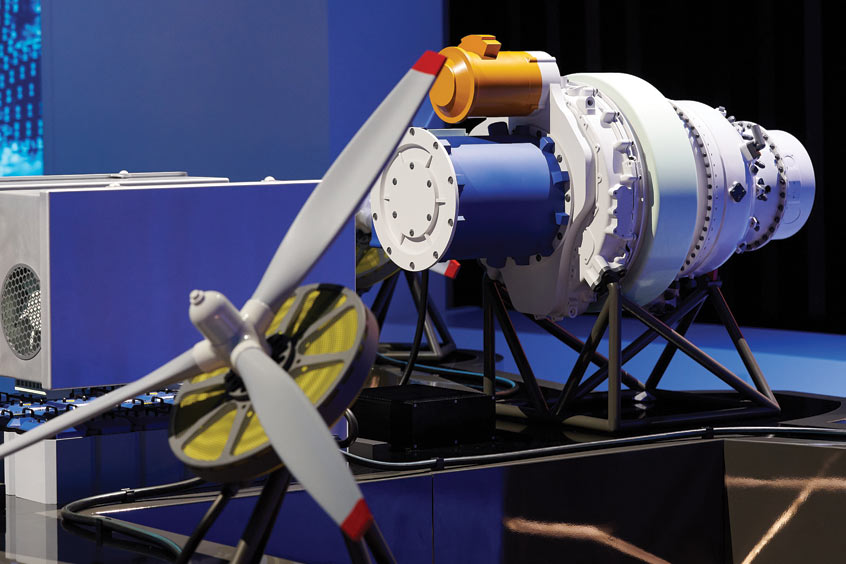
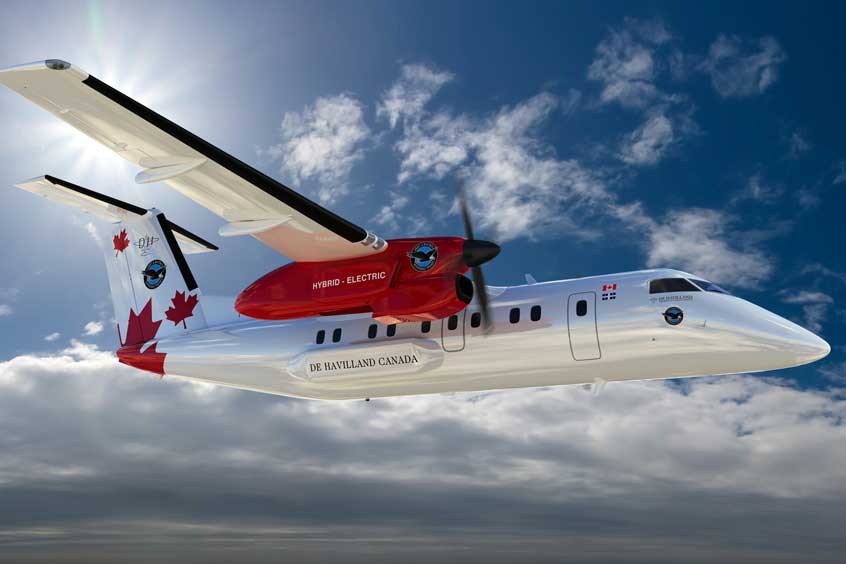
The advantages of a hybrid power plant include increased fuel efficiency and flight safety, reduced emissions, increased thrust-to-weight ratio, as well as increased service life and reliability.
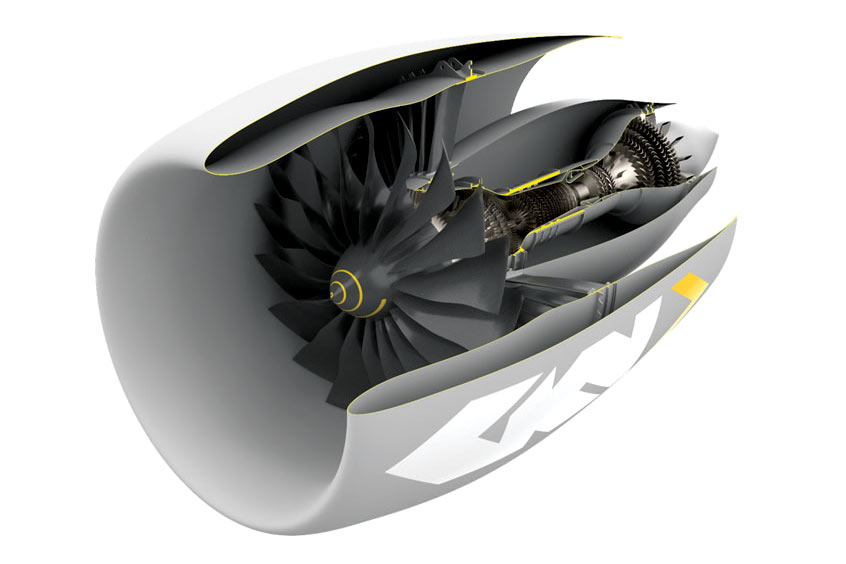
Hydrogen is expected to play a key role in the decarbonisation of aviation as it can power aircraft efficiently, leaving water as the only by-product. GKN's plans involve electricity both from fuel cells and combustion.
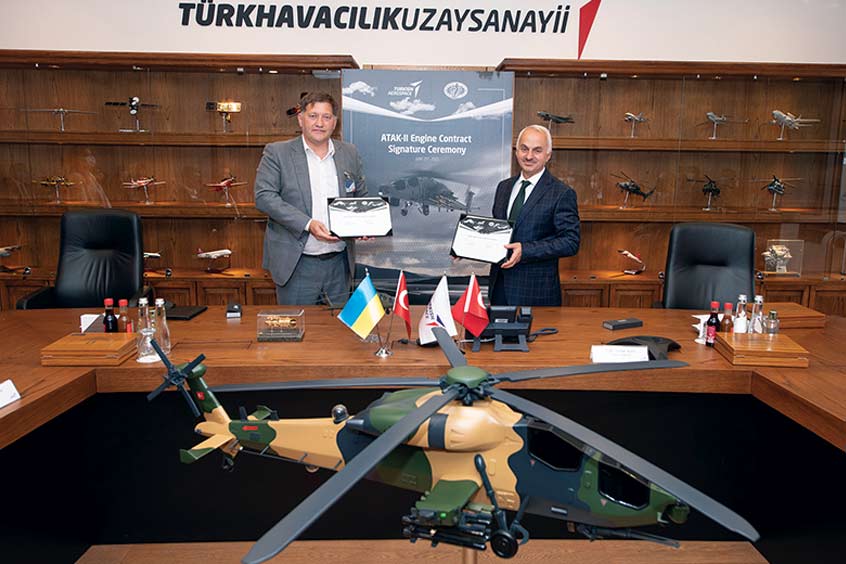
The ATAK 2 helicopter will have approximately twice the take-off weight of the current model, and is expected to fly during 2023. The first engines are scheduled to arrive in September 2022.

Wave engines are a class of aircraft engines that operate using pressure waves instead of rotating machinery. Intermittent combustion inside a hollow tube produces pressure waves that push hot gases and produce thrust.
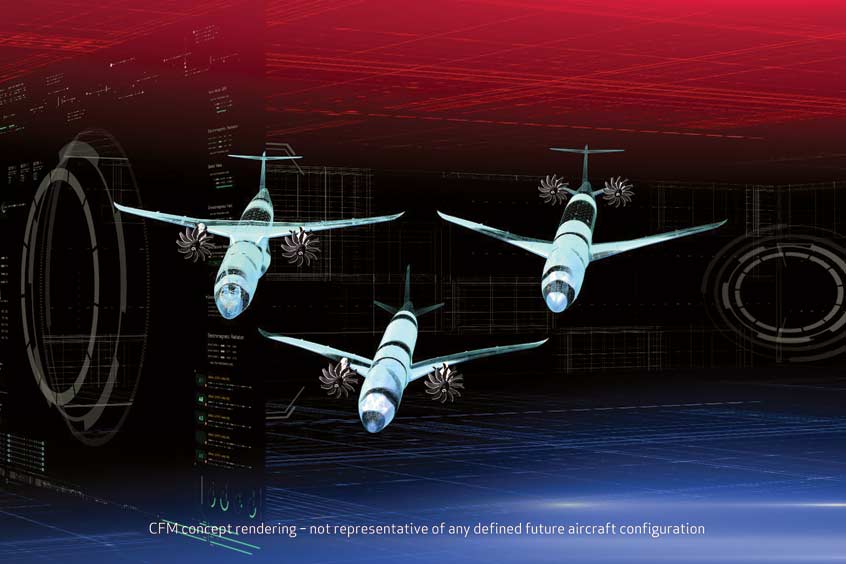
GE Aviation and Safran's partnership in CFM is to continue to 2050, enabling ongoing work on developments to reduce emissions and fuel consumption. The Rise program promises disruptive technologies.
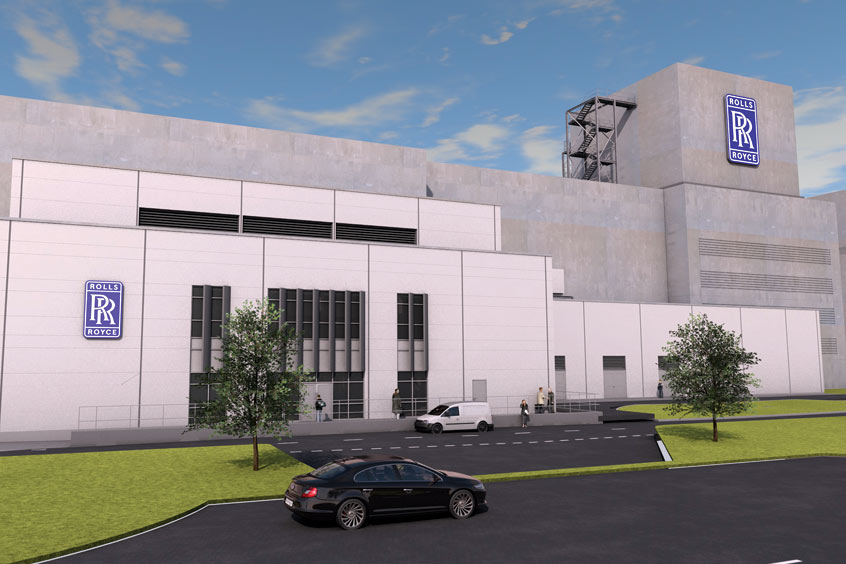
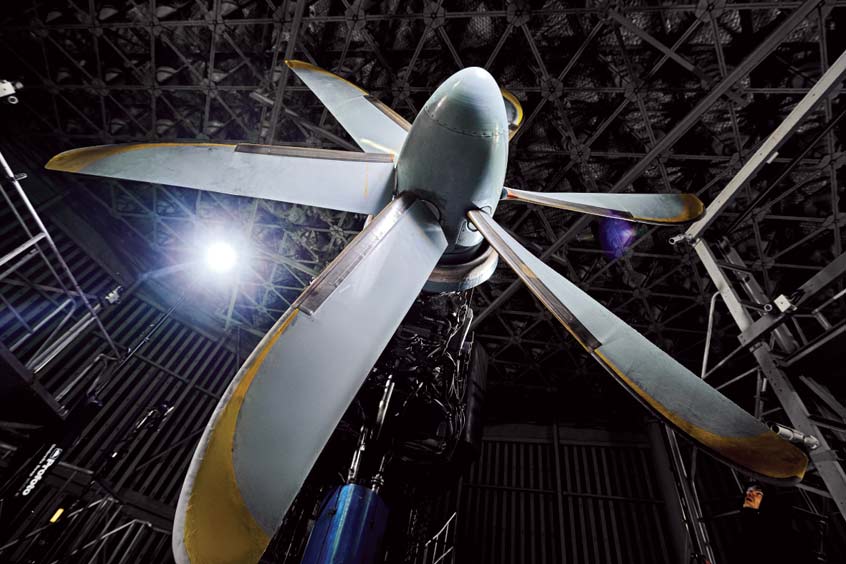
Larger than a football pitch, Testbed 80 was designed with distinctive technologies and systems which are more capable and complex. It has conducted its first run on a Trent XWB engine earlier this year.
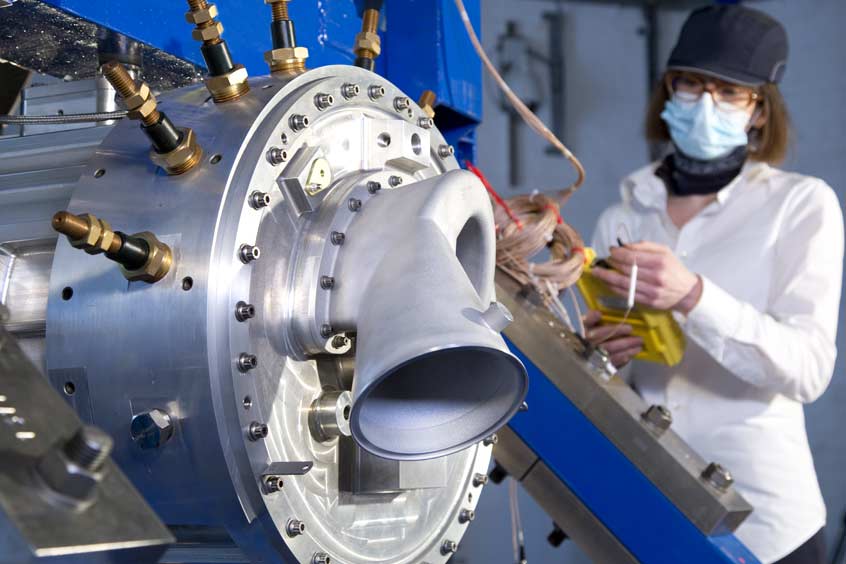
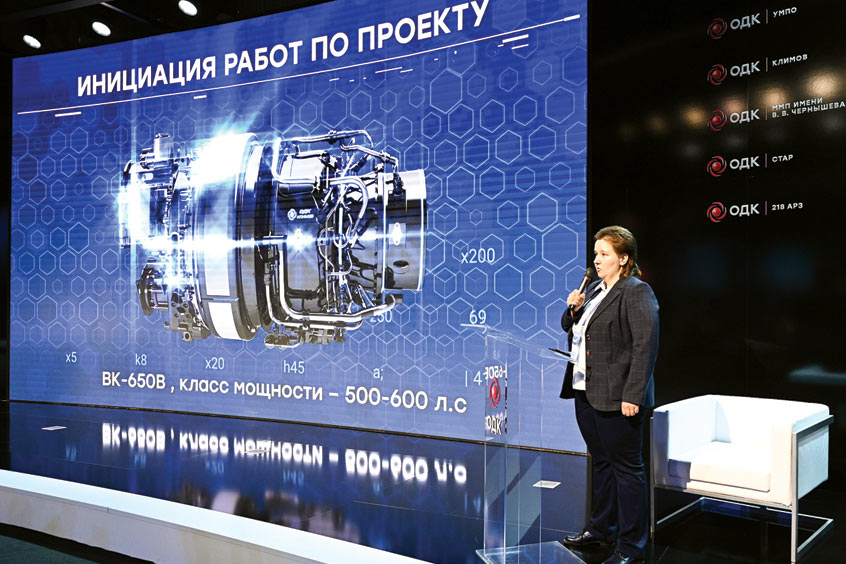
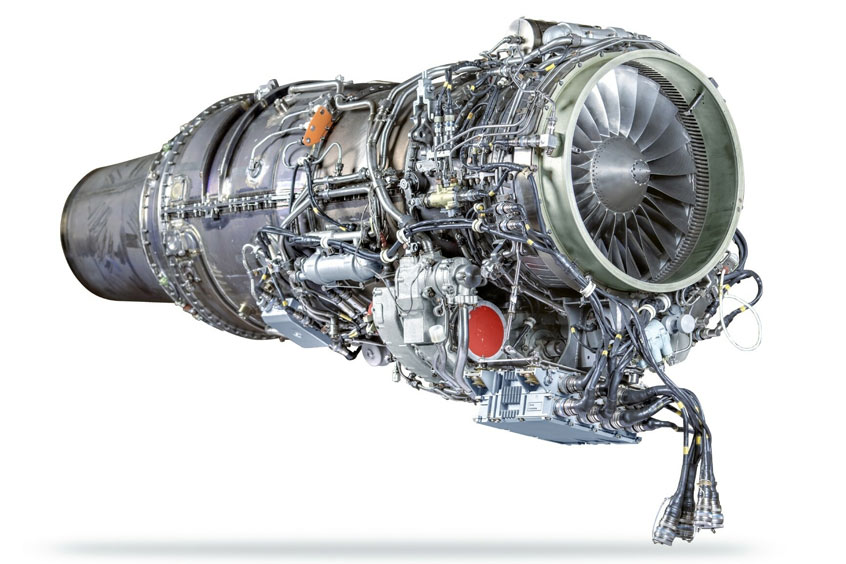
Unmanned aerial vehicles, regional airliners and light multipurpose helicopters could all be powered by a new hybrid power unit now under development by UEC-Klimov. The company has a target date of 2028.
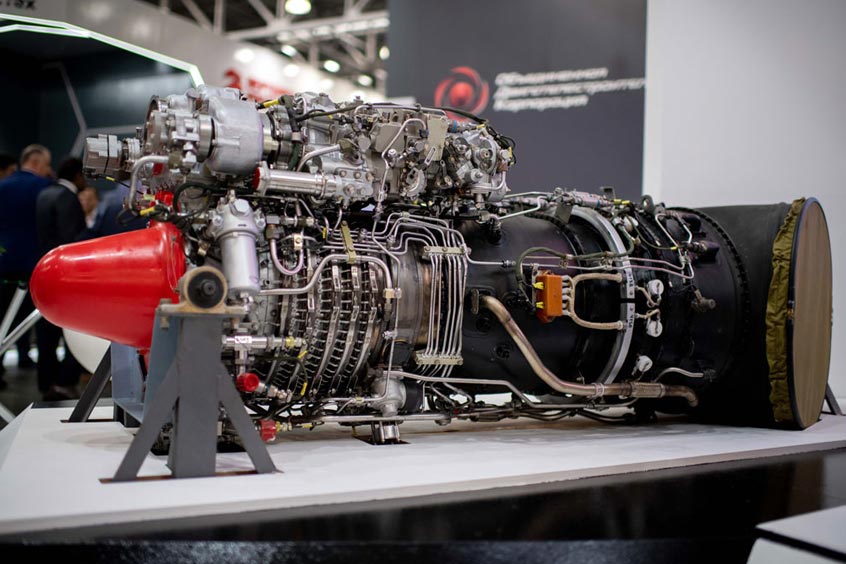
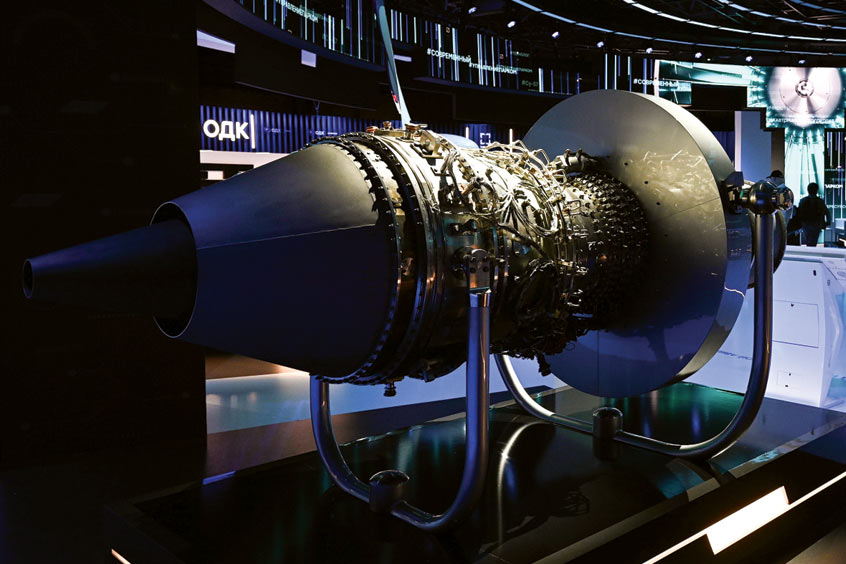
UEC Klimov ramps up production of the VK-2500P turboshaft engines designed for the Mi-28NM helicopter