Every Bulletin story and press release covering Electrical Power Systems, newest first.
700 items · page 7 of 14
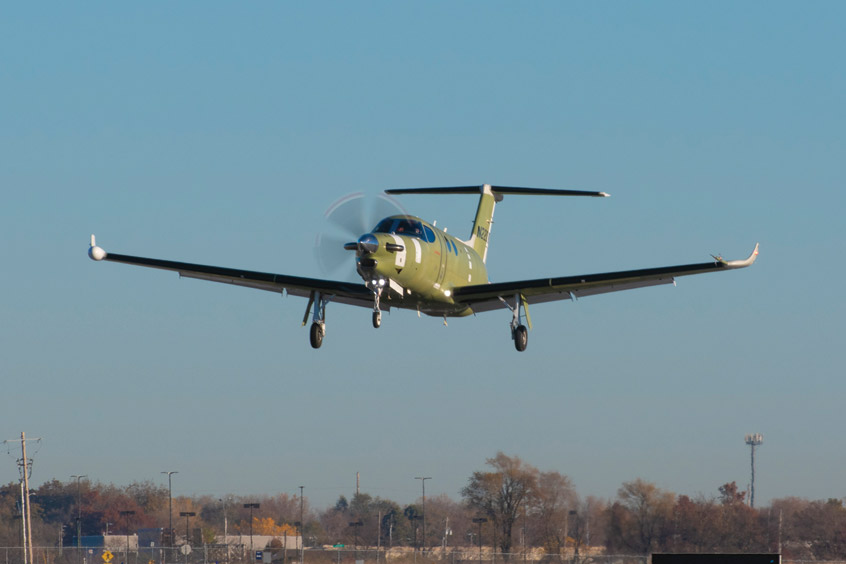
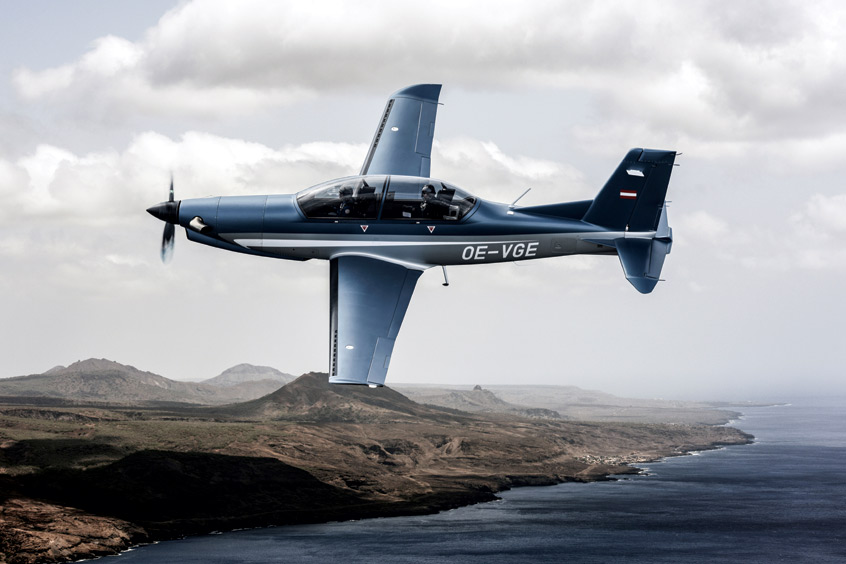
The aerobatic trainer powered by the PT6A-25C turboprop engine will be named DART-750 and will, as previously envisaged, come with the state-of-the-art Garmin G3000 avionics suite and optional ejection seats.
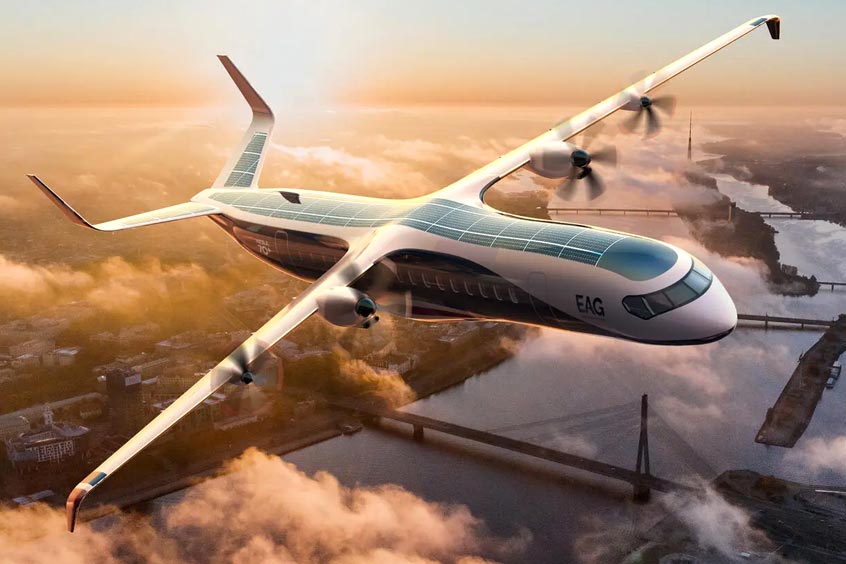
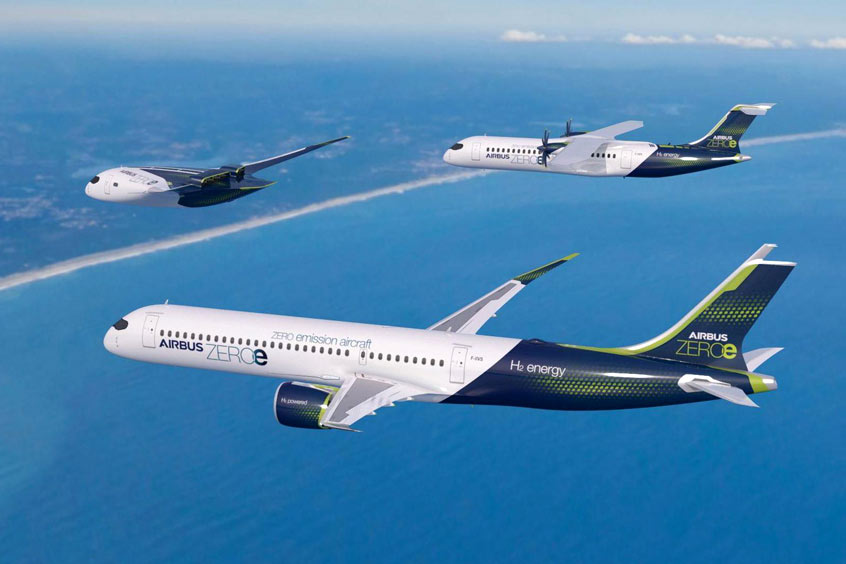
EAG hopes its aircraft and the enabling technologies will become a blueprint for future larger and smaller green aircraft. It could be the foundation to secure a leading share in the sustainable mass air transportation market.
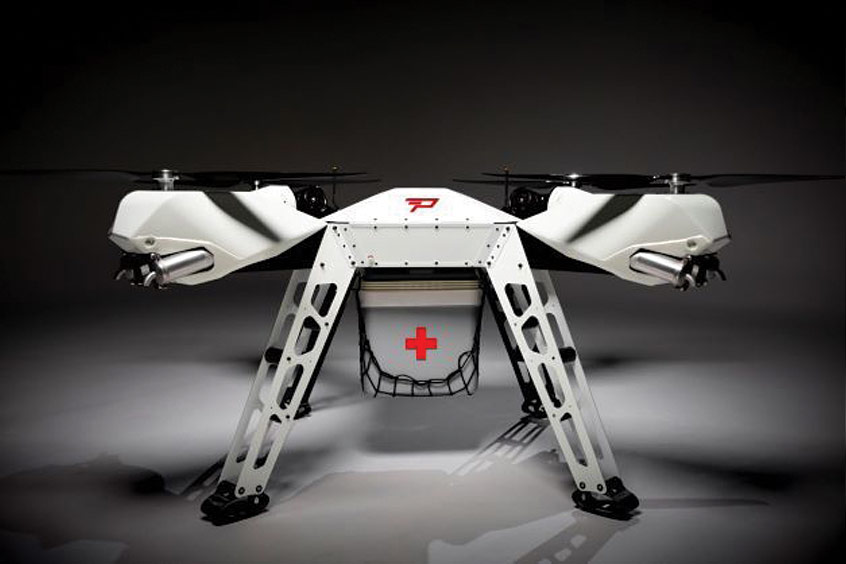

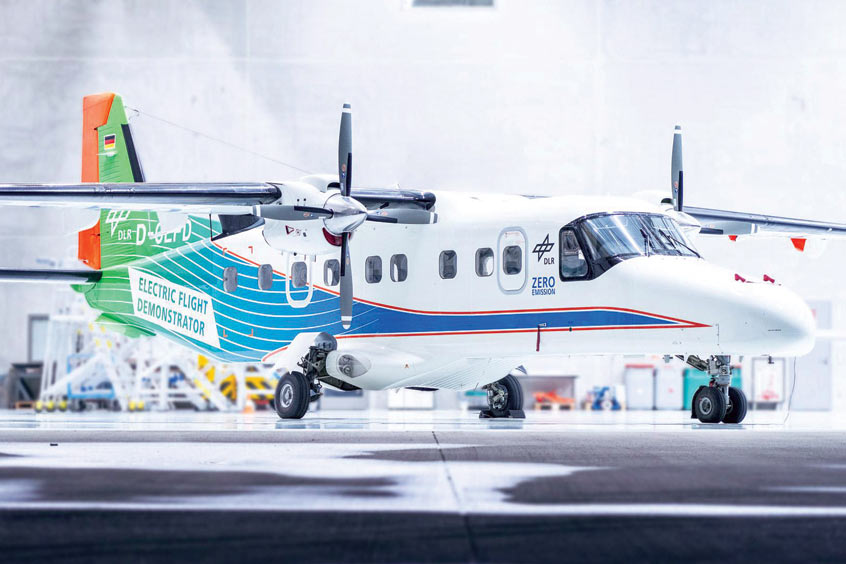
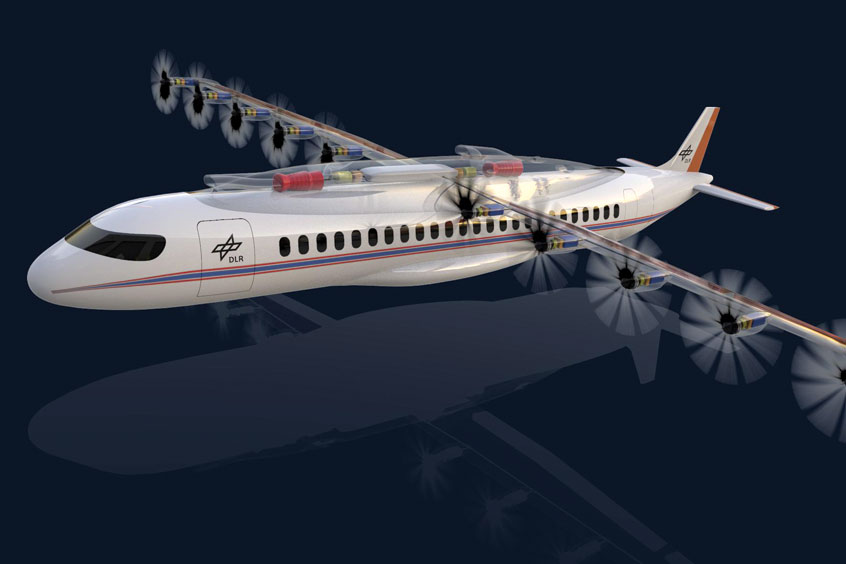
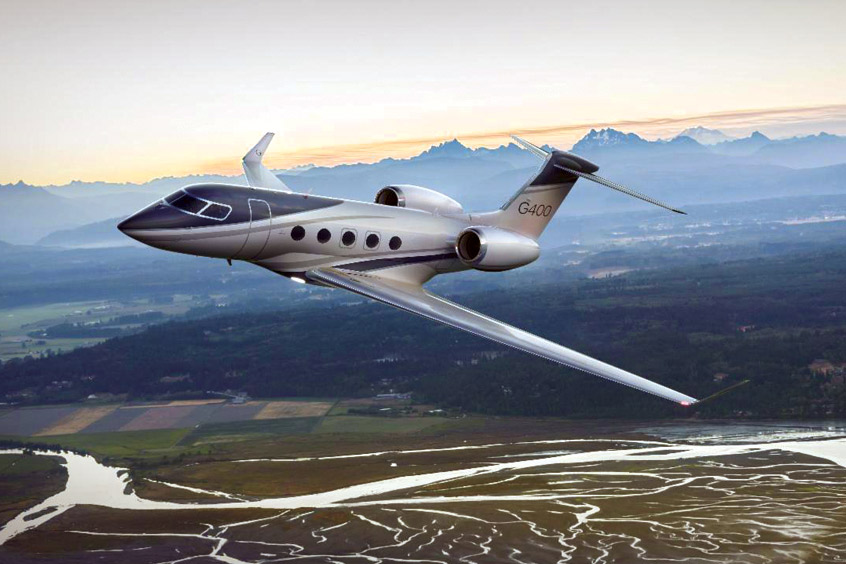
The power management system provides more configuration control through GE's tool suite and its pre-designed flexible architecture can significantly reduce integration risk across the aircraft life cycle.
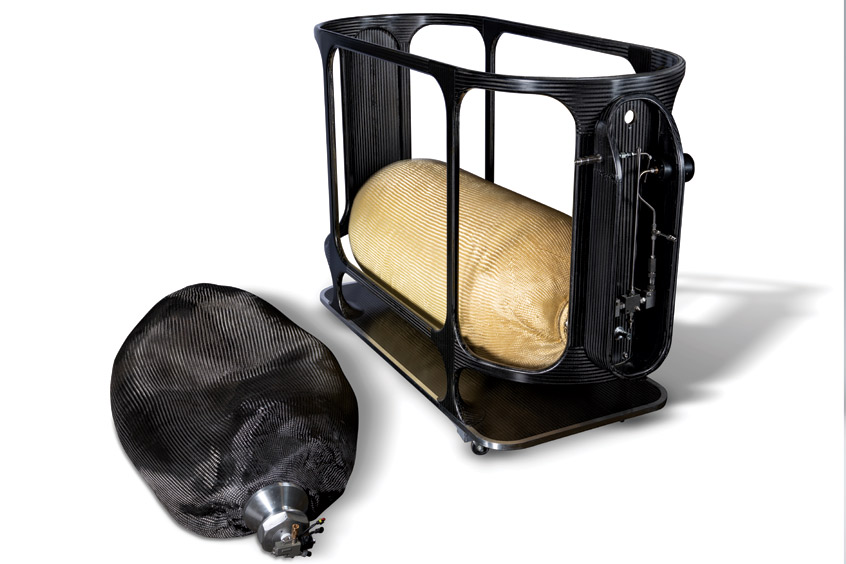
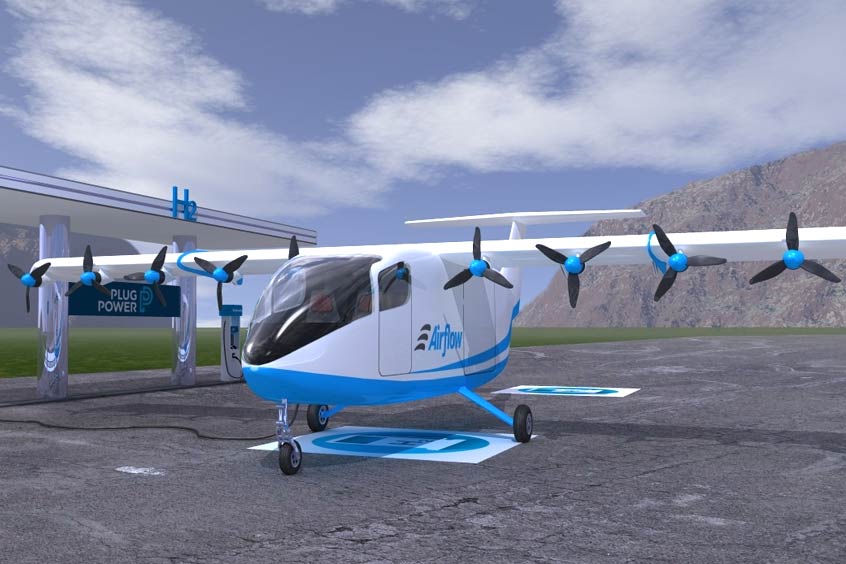
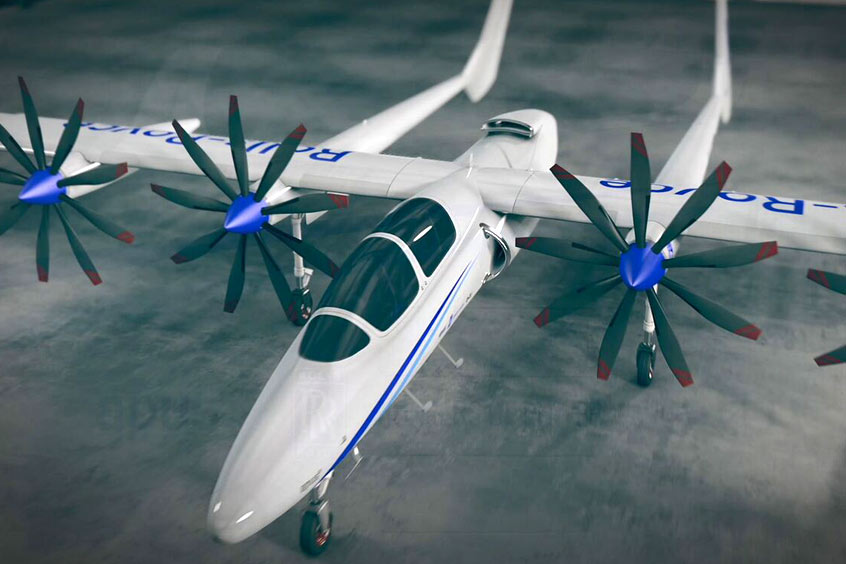
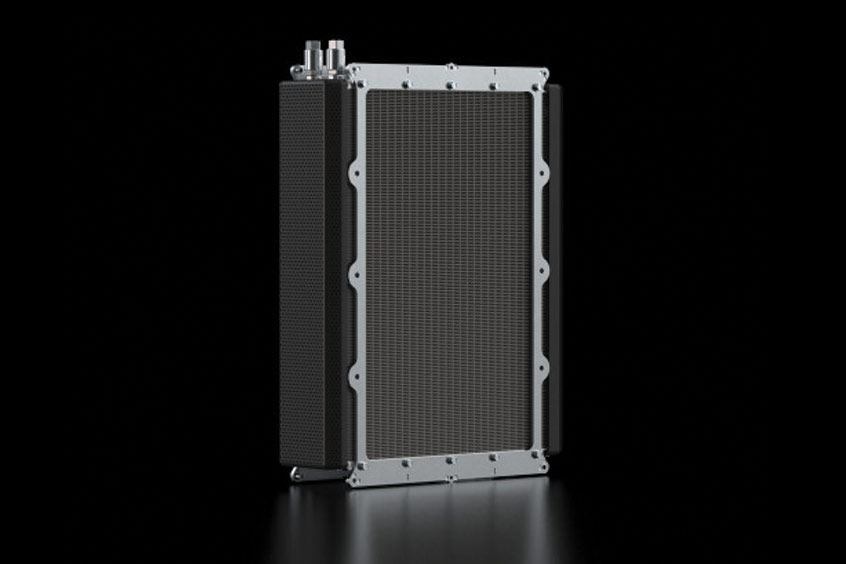
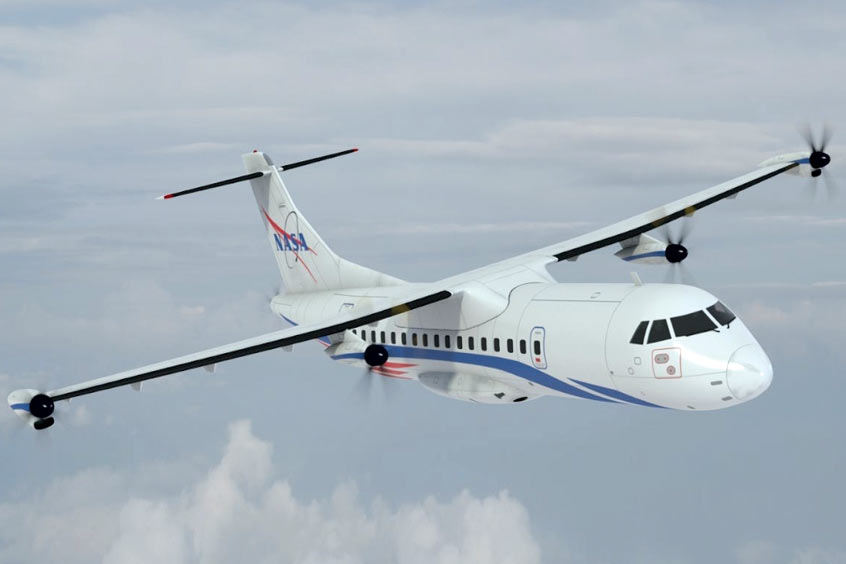
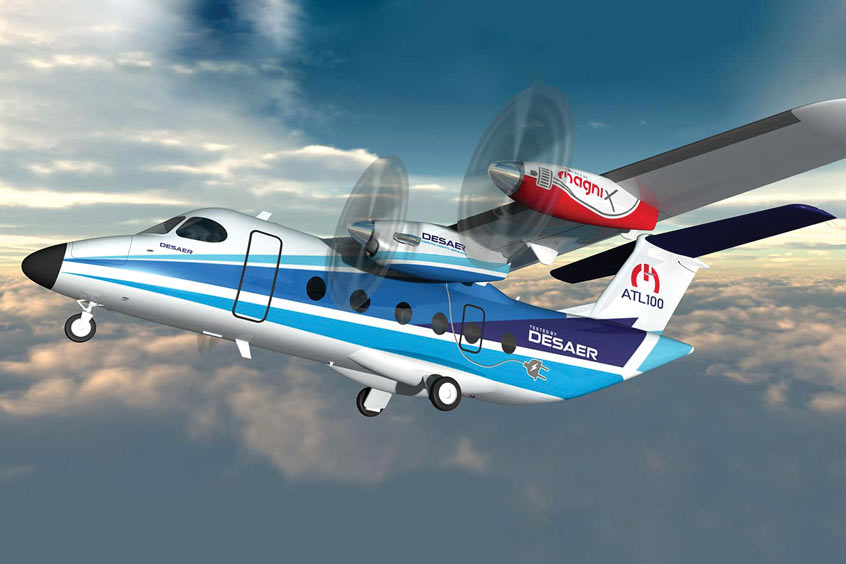
NASA has chosen GE Aviation and MagniX as partners to support its electric powertrain flight demonstration. Each company will be awarded a share of $253.4 million for the work over the next five years.

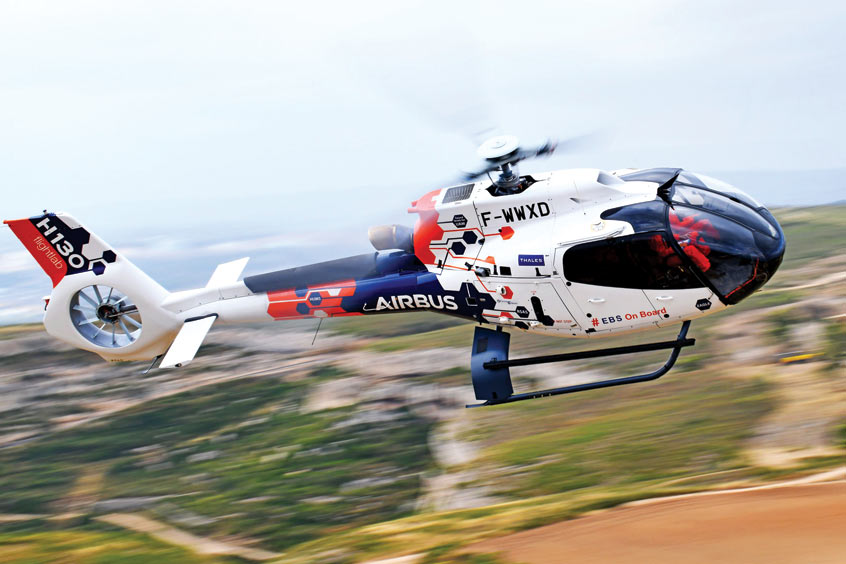
The Flightlab helicopter was equipped with an electric motor connected to the main gearbox, providing electrical power for 30 seconds in the event of engine failure, giving the pilot extra time to react.
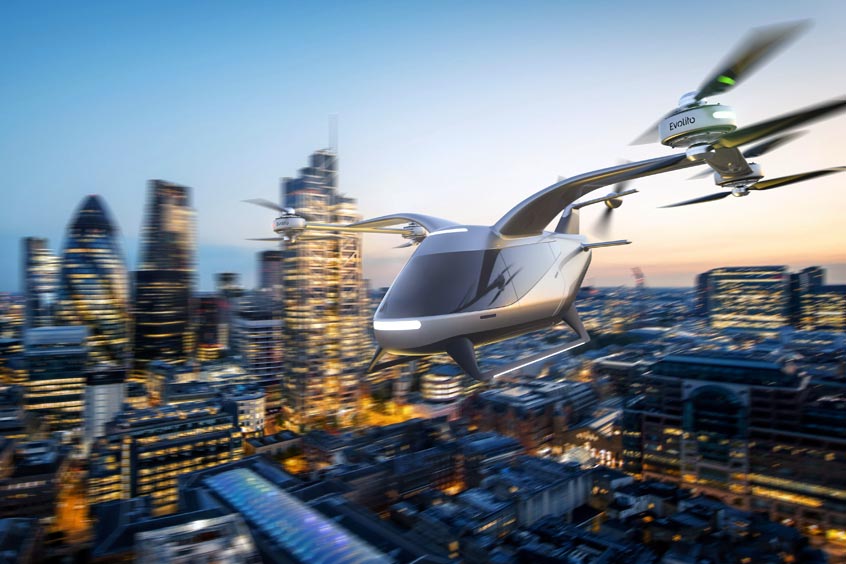

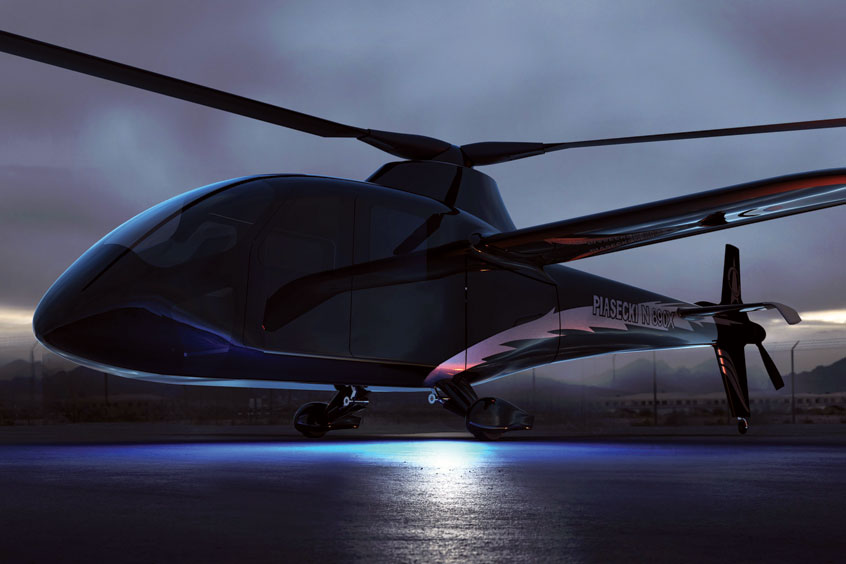
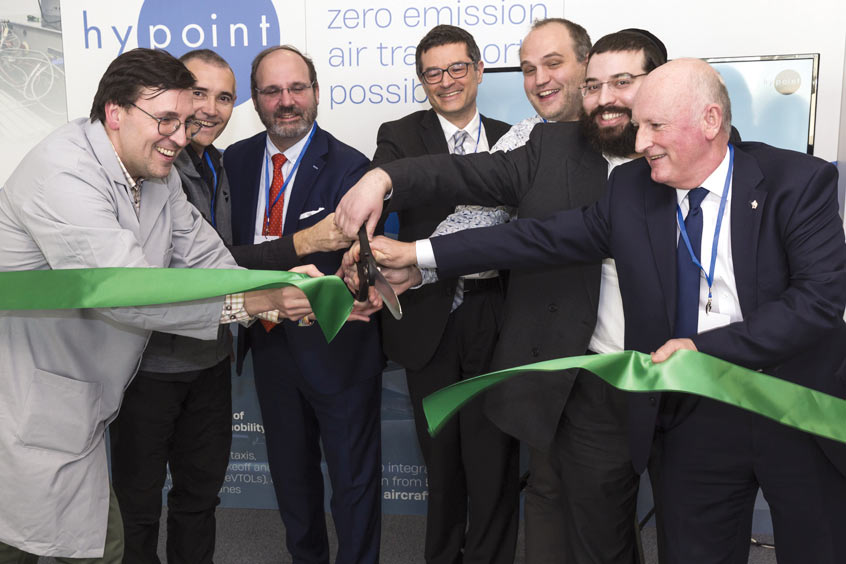
HyPoint and Piasecki are working together to develop the world's first manned hydrogen-powered helicopter. Testing shows that HyPoint's fuel system can achieve up to 2,000 watts per kg of specific power.
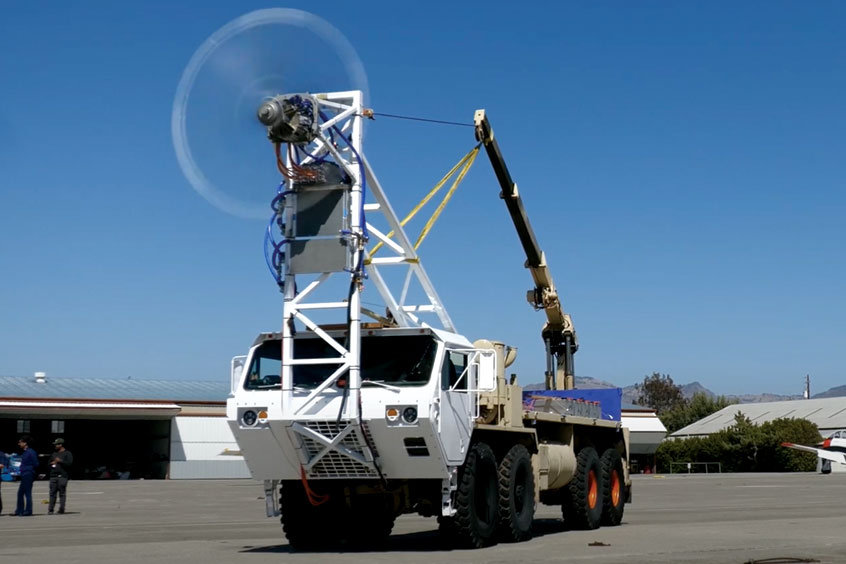
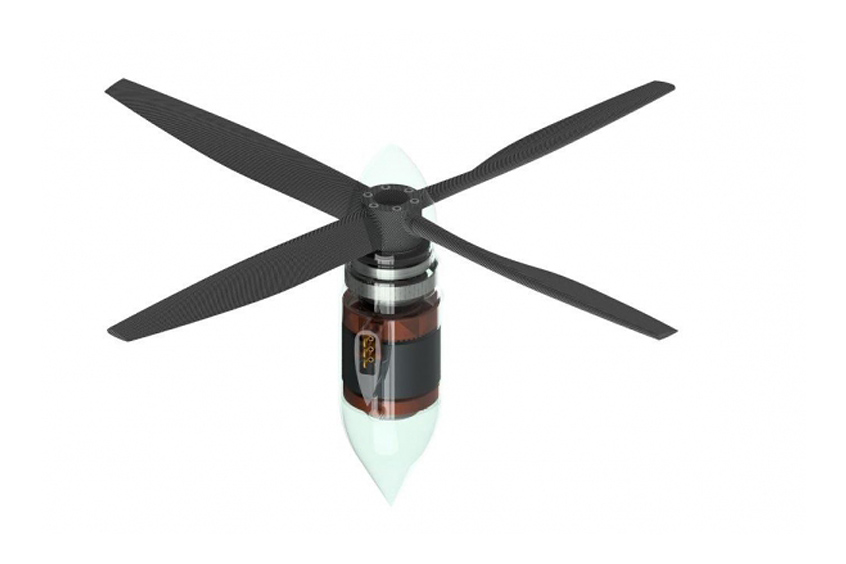
Drive System Design can simulate the performance over a range of mission profiles to determine energy usage. Characterisation of subsystems and components allows the process to model propulsion system variants.
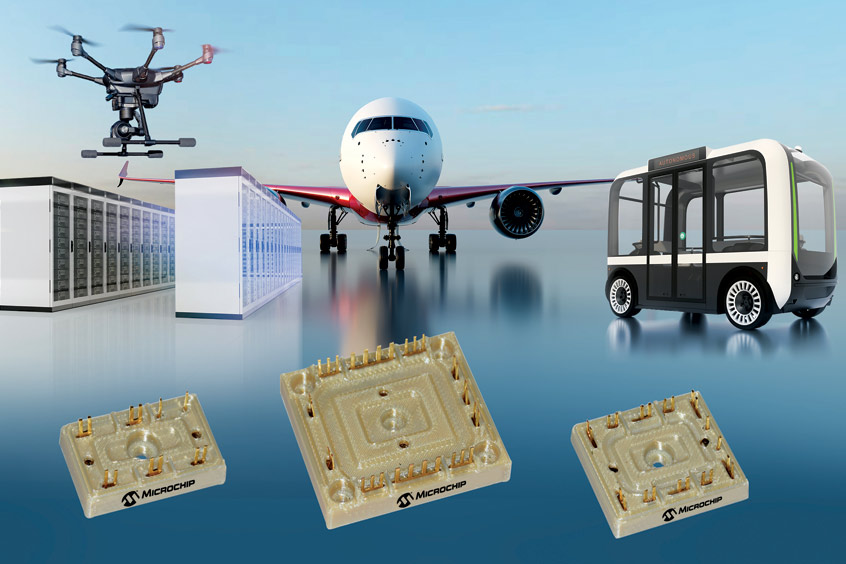
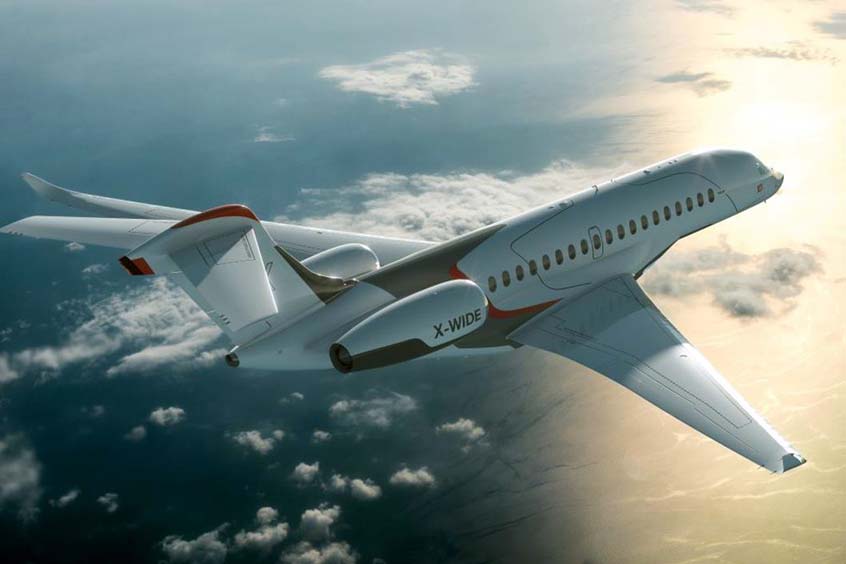
The primary and secondary power distribution system on Dassault's Falcon 10X is a next generation design providing significant weight savings over conventional architecture with equipment reduction.
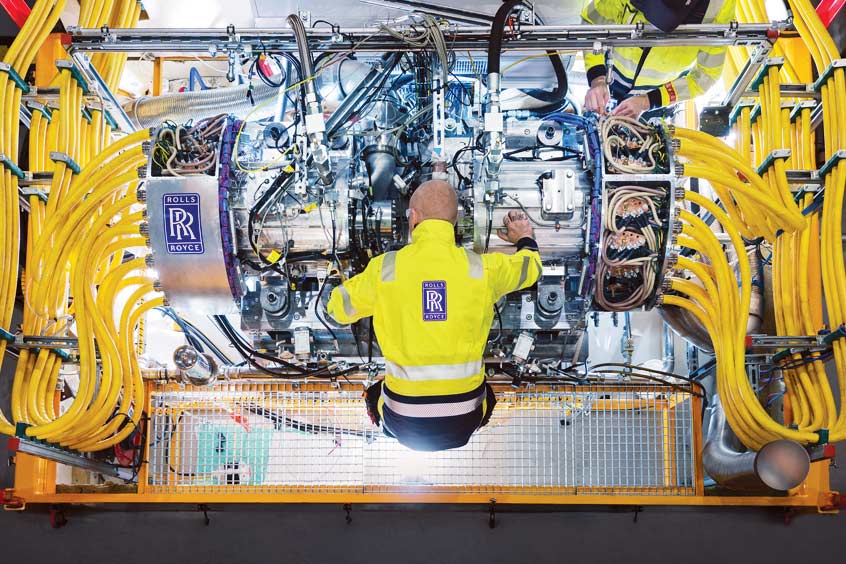
Rolls-Royce has already tested the AE2100 engine element, specialist controls and thermal management system at Testbed 108. Now the PGS1 hybrid-electric system will come under scrutiny there.
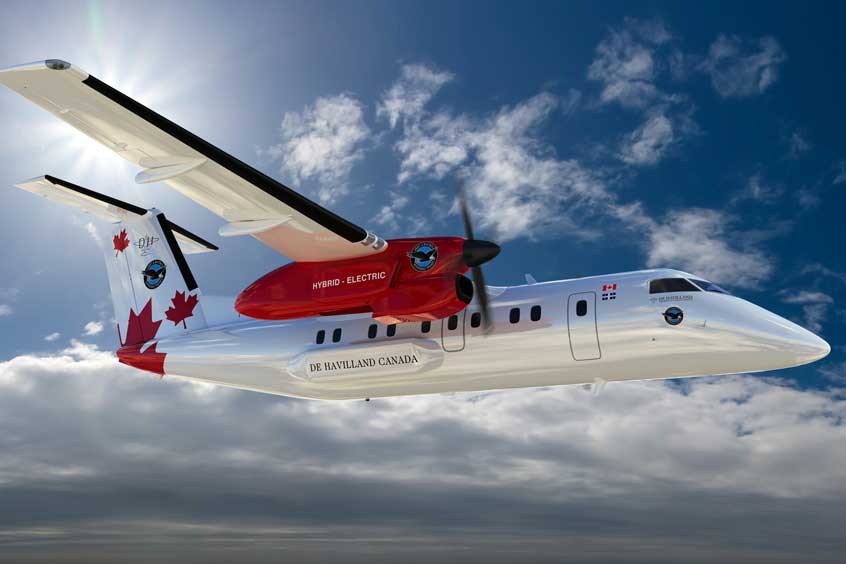
Collins is designing and testing the motor at its Electronic Controls and Motor Systems Center of Excellence in Solihull, where it invested $18 million to expand and add power electronics and motor development capabilities.
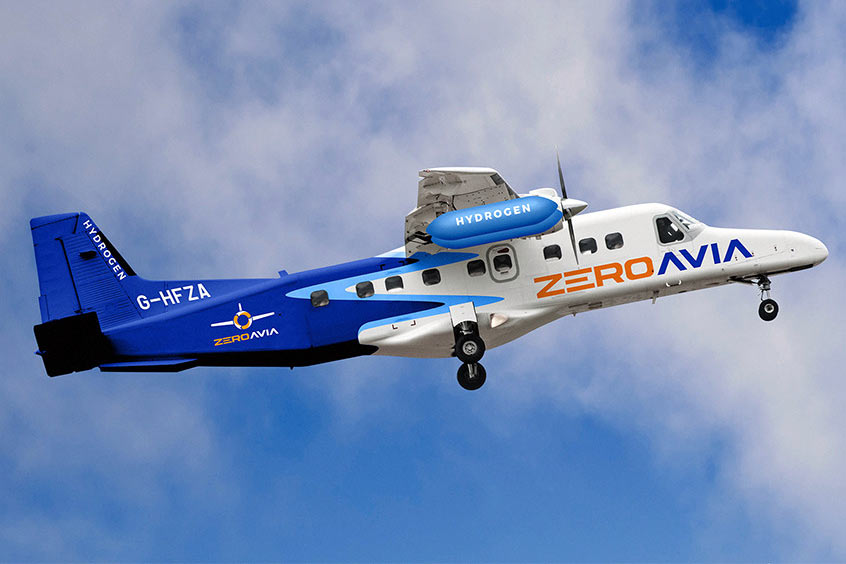
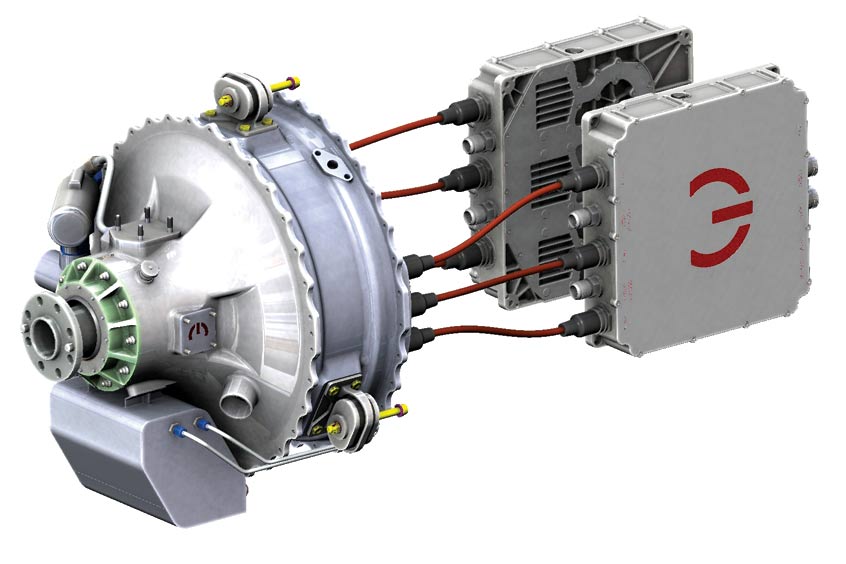
These latest direct-drive EPUs are liquid cooled and designed for 30,000 feet altitude unpressurised. Both can drive a propeller governor and standard aircraft accessories, all from the front cone of each motor.
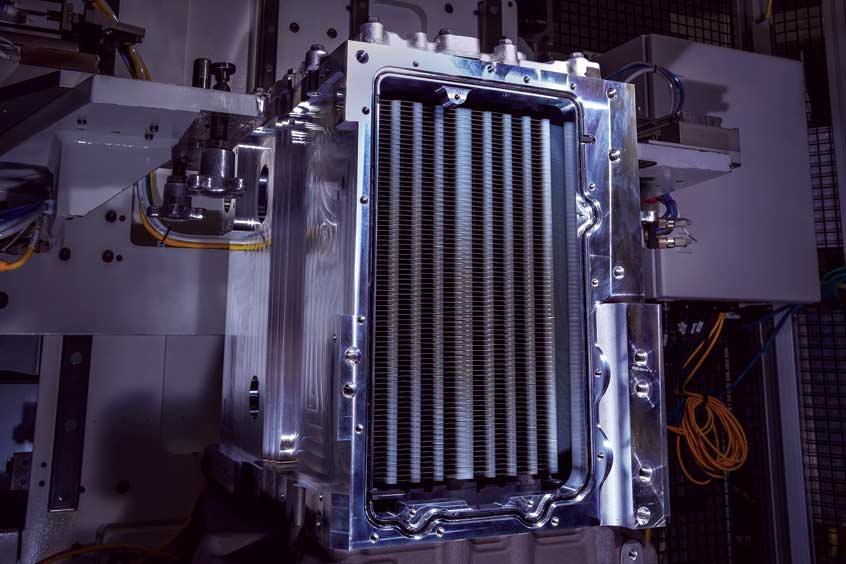
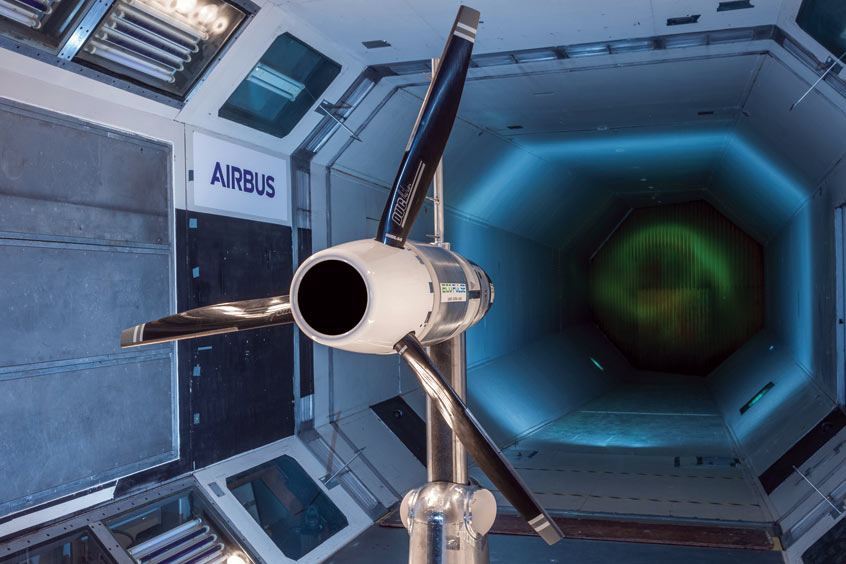
Distributed Propulsion Systems consist of breaking down thrust generation into many small engines spread out along the span of the wing. Wind tunnel work will now reveal its final energy performance.