

Every Bulletin story and press release covering Eve 100, newest first.
47 items
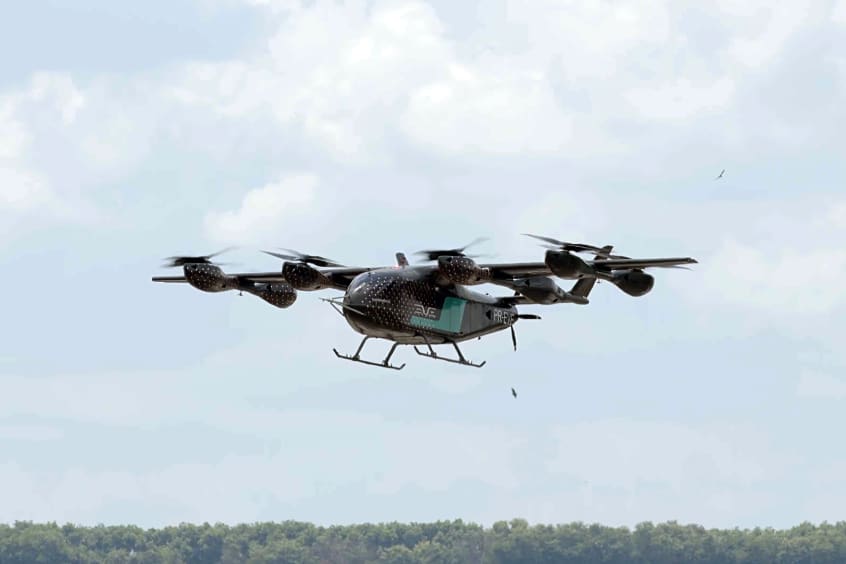
Hover and low-speed trials have delivered data on propulsion, aerodynamics and handling, before wingborne testing begins later this summer.
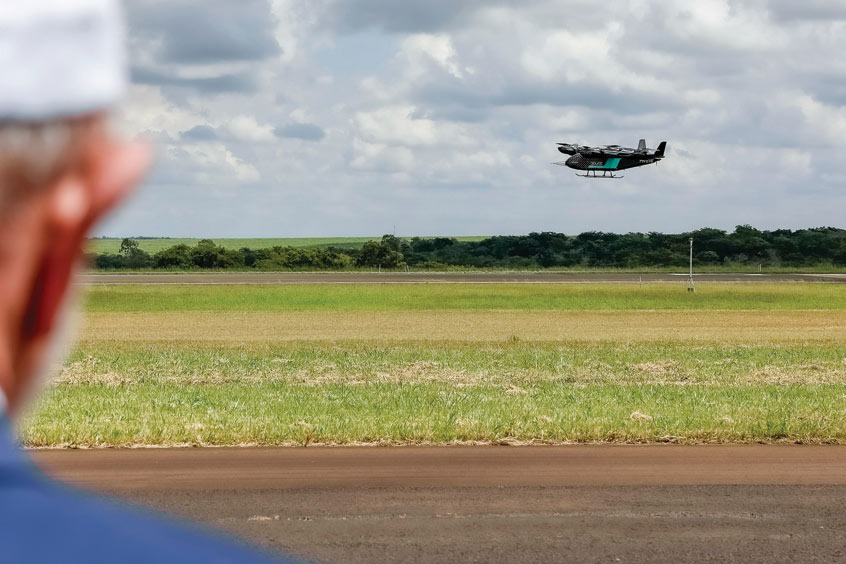
Demonstration for senior Brazilian officials highlights steady testing progress, with early performance data supporting confidence in the aircraft's design and future certification pathway.
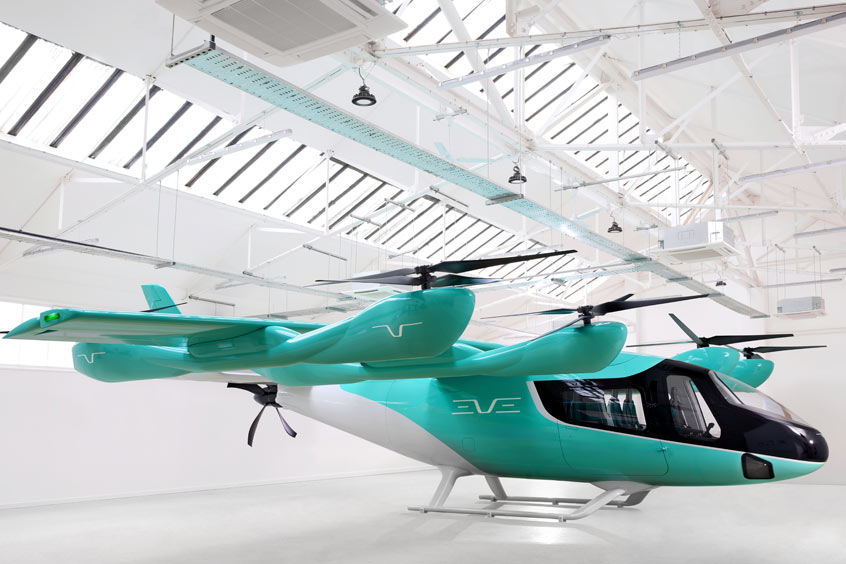
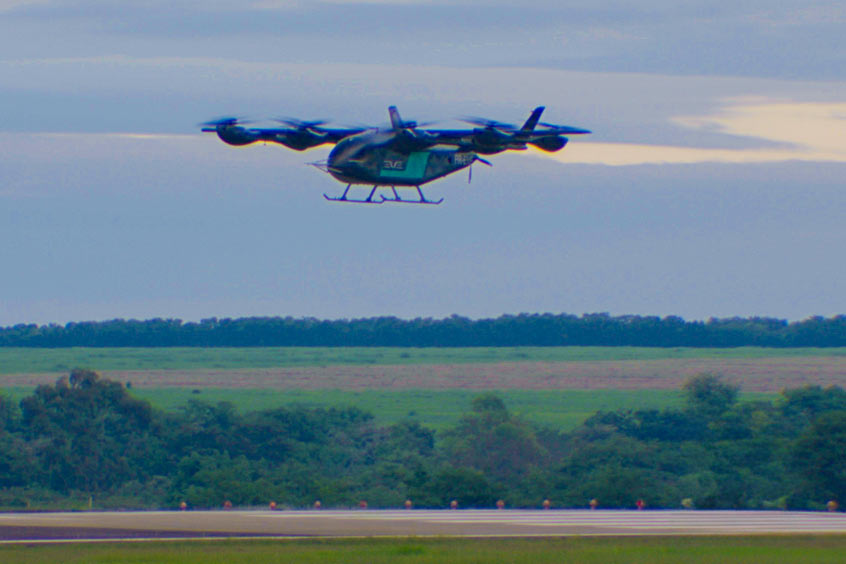

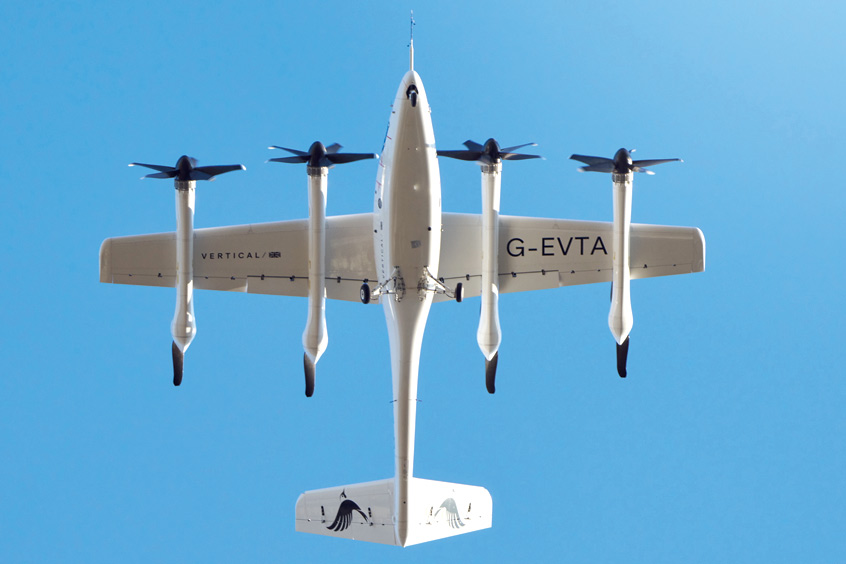
The company has agreed to manufacture and engineer the full VX4 airframe as part of Vertical’s wider Flightpath 2030 production and certification strategy.

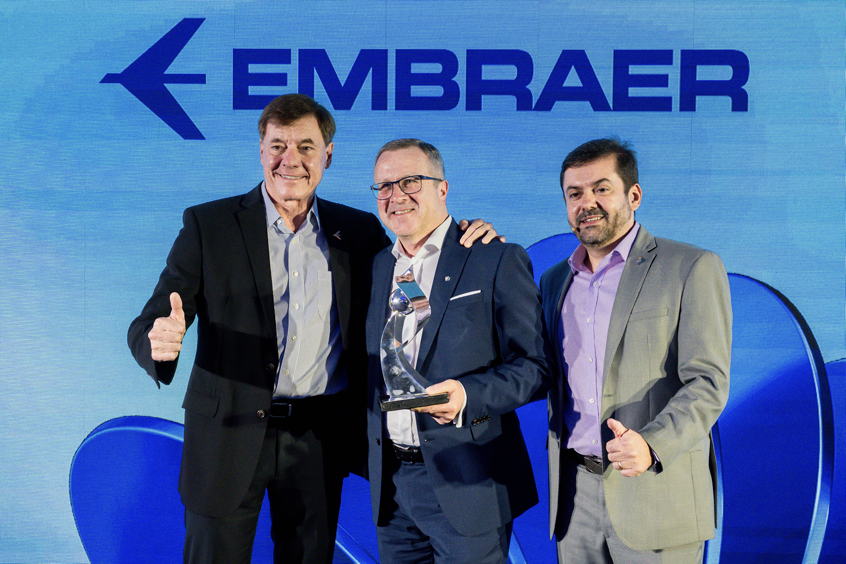
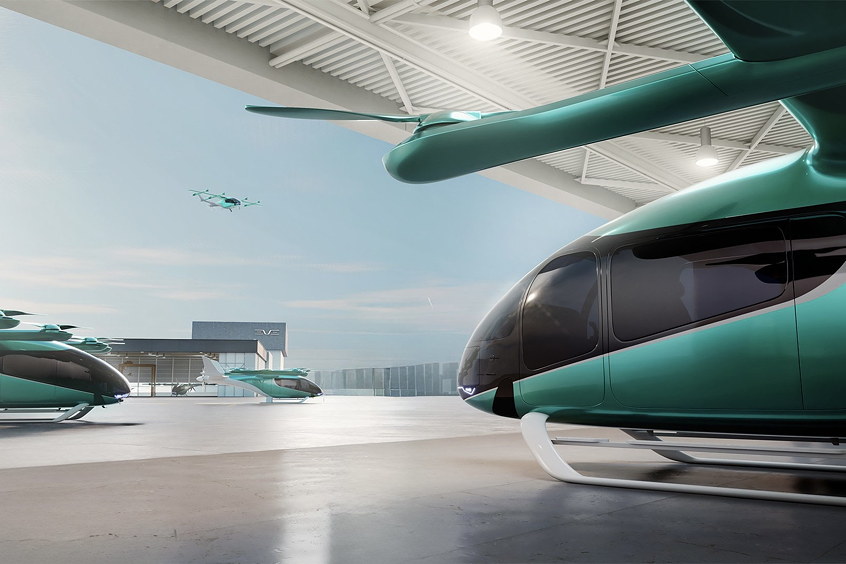


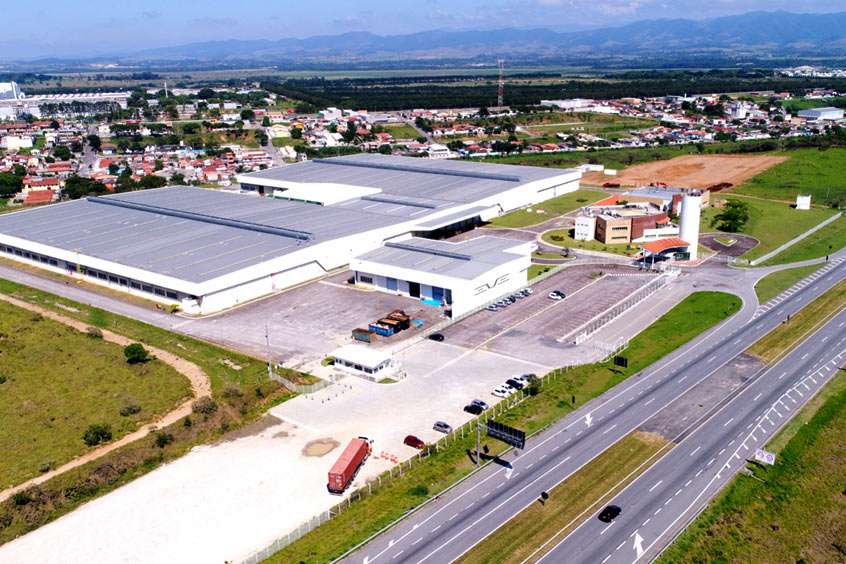
Eve's first eVTOL production facility will be located in São Paulo, Brazil, and has called on the services of domestic businesses RALLC and Alltec, as well as Germany's KRD and France's Latecoere.
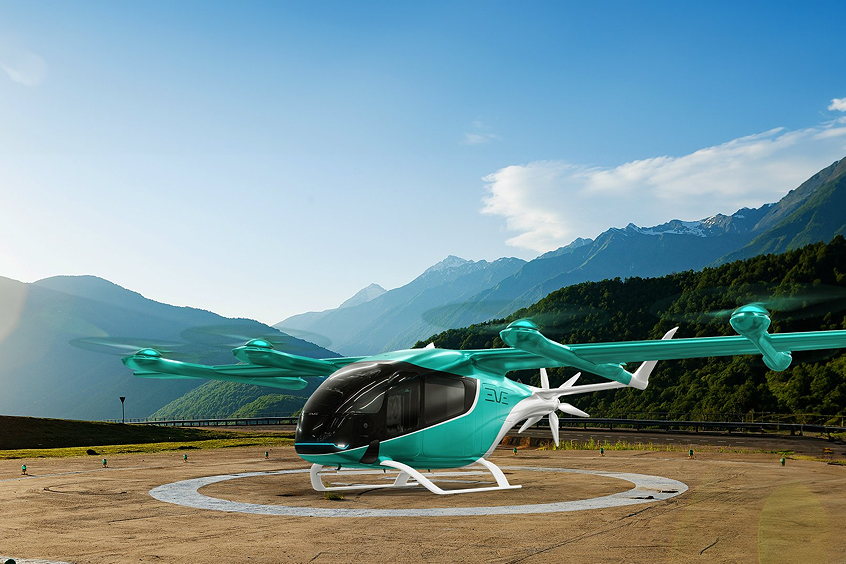
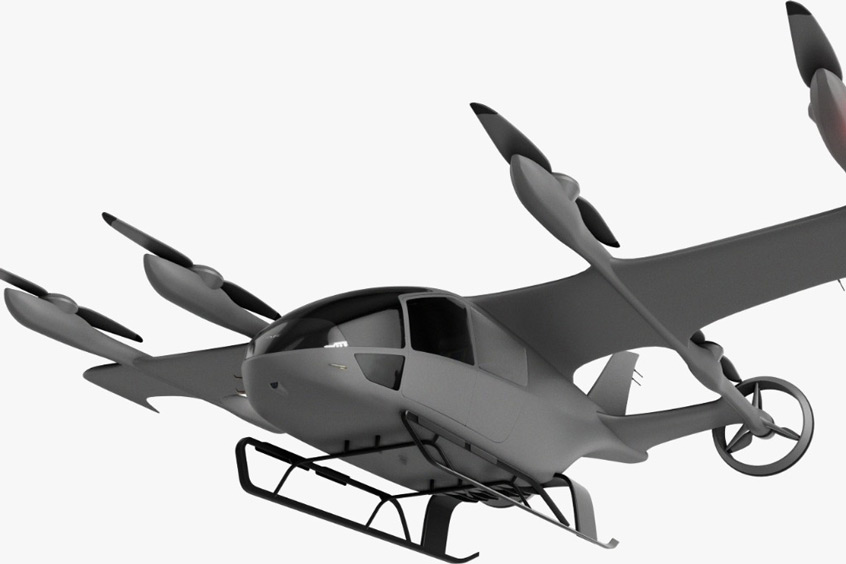
The pylons are a key component of the airframe that provide support for its electric power units and eight lift propellers. KAI supplies major aerostructure components to global aircraft manufacturers.
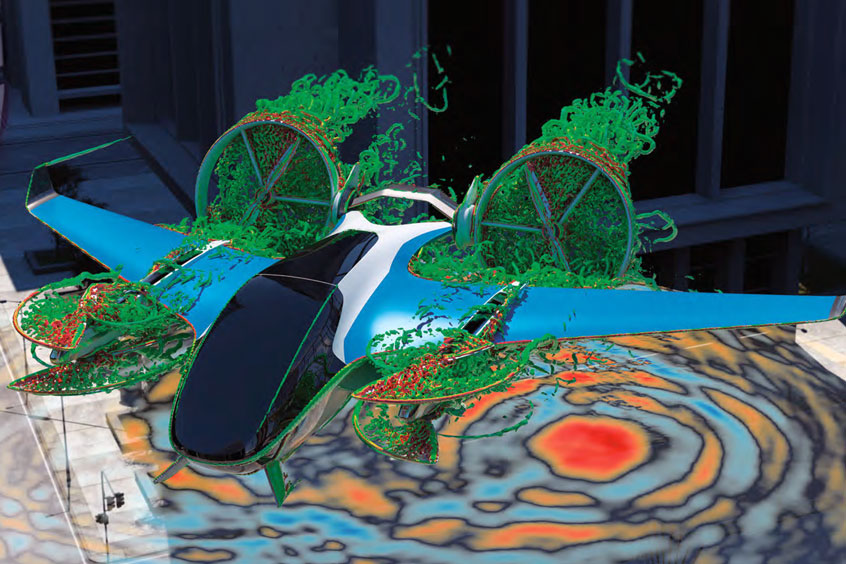
The SIMULIA PowerFLOW application has provided fluid dynamics simulation to predict real-world operating conditions, allowing Embraer and Eve's engineers to evaluate how the aircraft flies and test its sound emission.
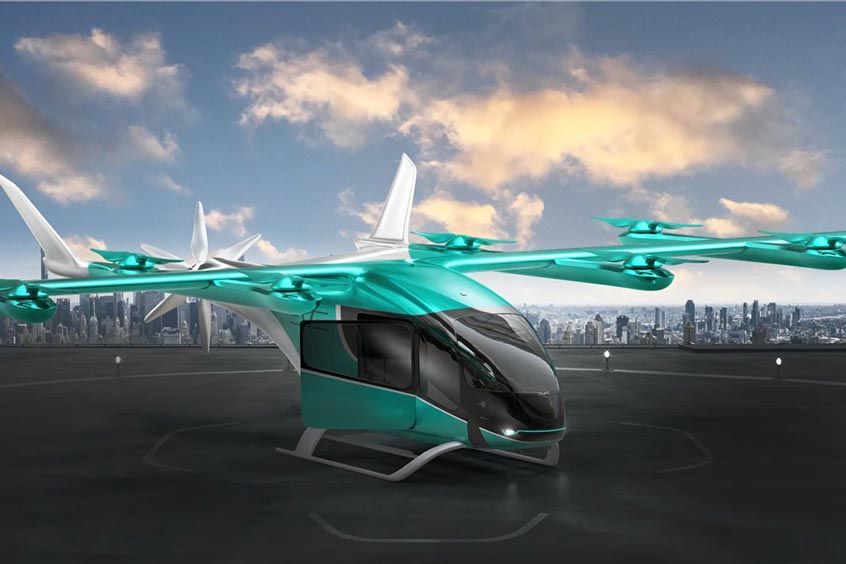
Crouzet will manufacture and supply the pilot controls, specifically the inceptor, while Aciturri will develop and manufacture the wing skins and spars as well as the leading and trailing edges of the wing.
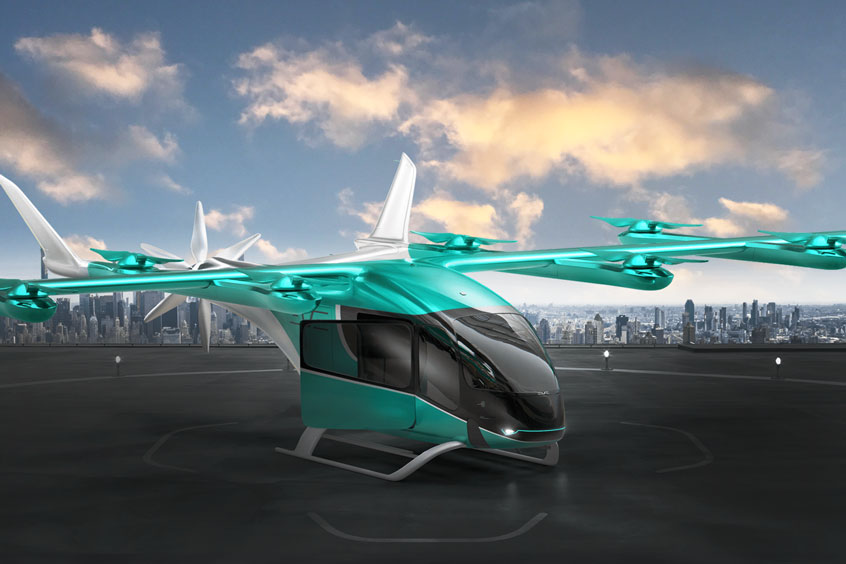
Meanwhile, Thales will provide air data sensors and a computer, Honeywell will supply guidance, navigation and external lighting for the aircraft, and FACC will supply the horizontal and vertical tail.
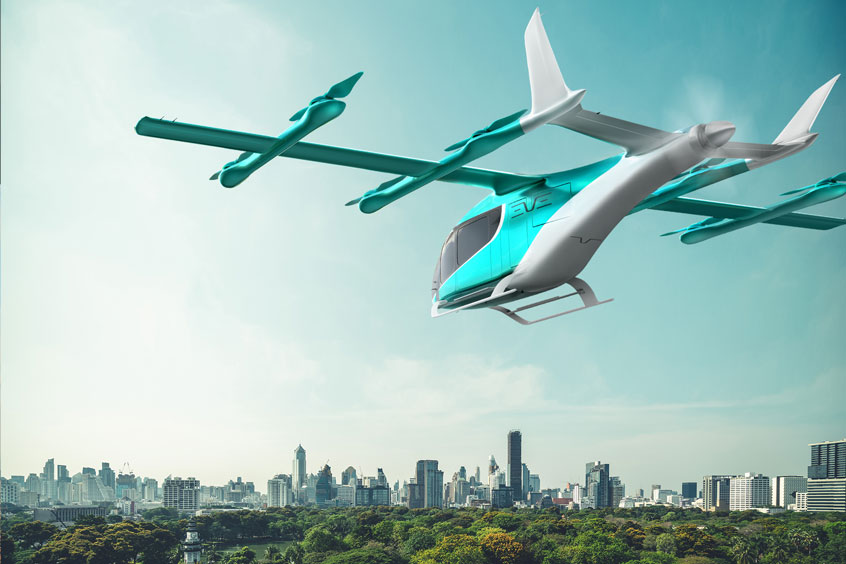
Garmin will supply the avionics for the aircraft while Liebherr-Aerospace will supply the flight controls actuators. Intergalactic will provide the thermal management system.
Eve expects to conclude the selection of main equipment suppliers in the first half of 2023 and start the assembly of our first full-scale eVTOL prototype during the second half of the year.
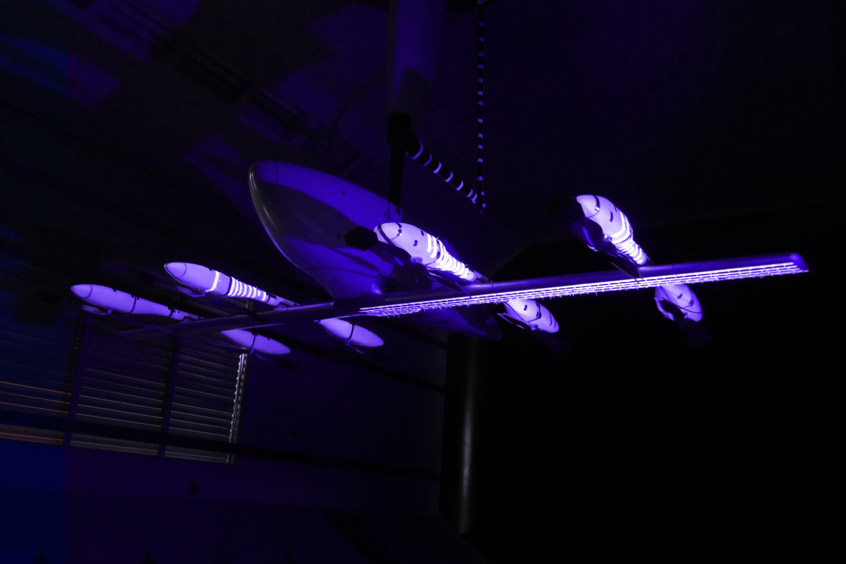
The testing, which was conducted at a wind tunnel near Lucerne, Switzerland, used a scale model of Eve's eVTOL which is projected to enter service in 2026.
Both Thales Technological Space Centre in São José dos Campos, and its recently opened Avionics Centre in São Bernardo do Campo, will provide support to Eve's and Embraer's teams working on the project.
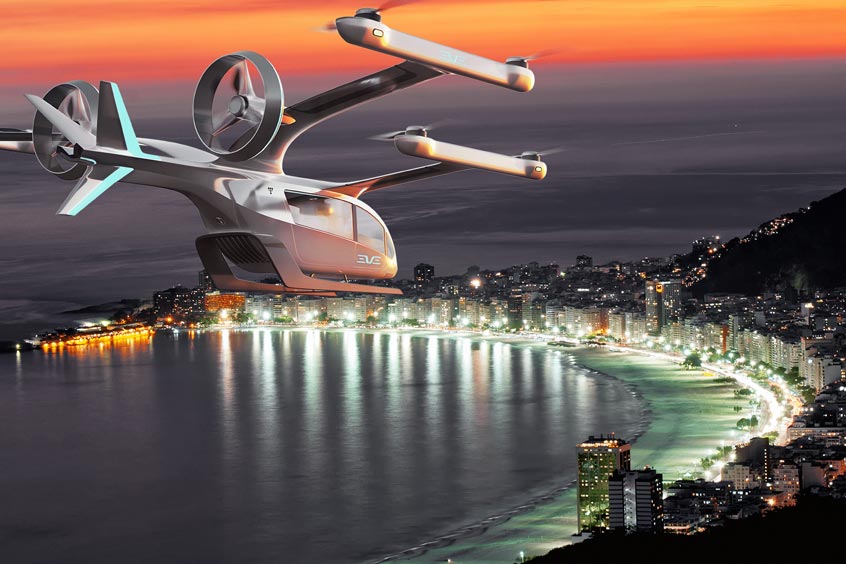
The US-based Near Earth Autonomy, Iris Automation, and Ansys, as well as Switzerland's Daedalean and Brazilian's Motora.ai, are working with Embraer to accelerate the creation of innovative technologies.
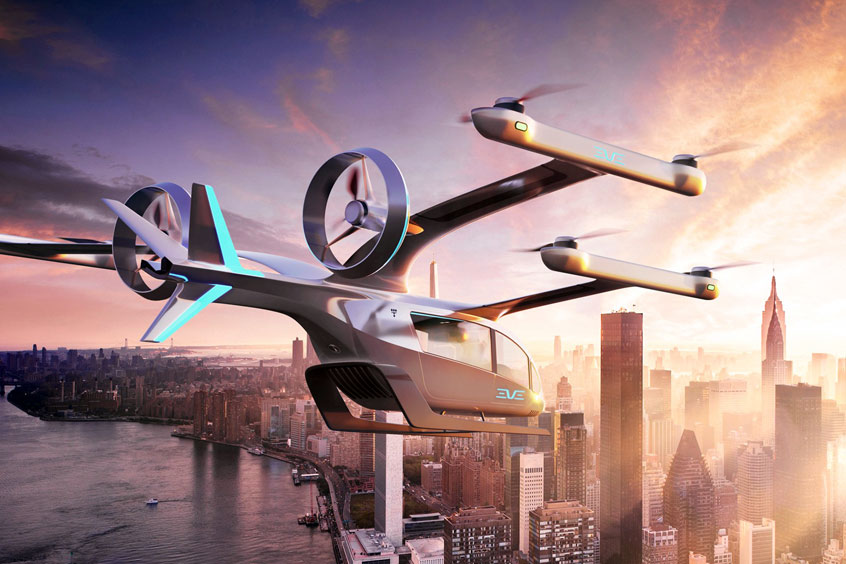
Engineers from BAE Systems' Air sector in Lancashire, UK, will work together with the Embraer Defense & Security team based Sao Jose dos Campos, in Brazil to explore the potential for a defence variant.
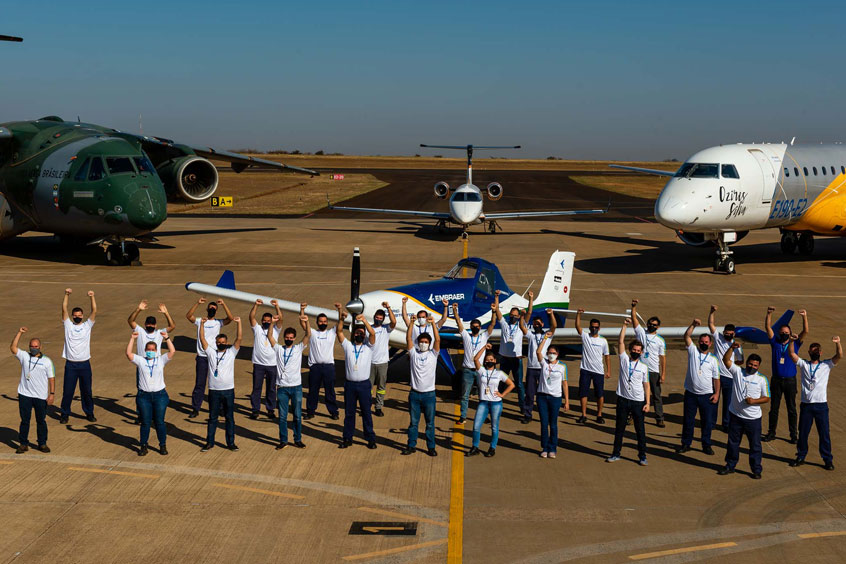
This project uses an electric powertrain system from WEG and a set of batteries funded by EDP, integrated into an EMB-203 Ipanema - which previously made its mark by flying while powered by ethanol.

Established rotary operator Halo has made a major commitment to the UAM market, with its first eVTOL aircraft deliveries to take place in 2026. Product support backing from Embraer made the difference.
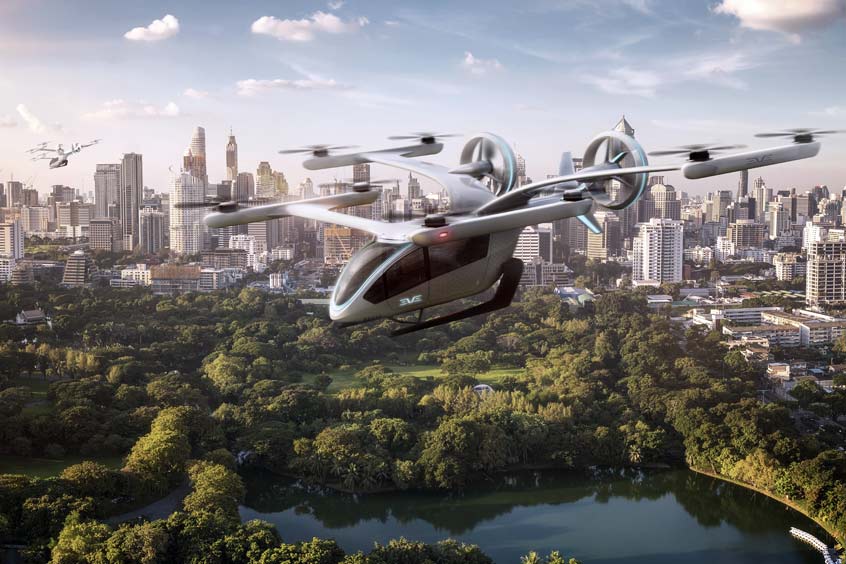
After four years of development within EmbraerX the Eve urban air mobility project has been spun out into its own independent company. Head of strategy Andre Stein leads on as chief executive.