
Airframer
Track the aircraft, companies and sectors you follow — log in to start, or see how it works ›
Quintus Technologies Quintus Technologies
The Airframer Bulletin › Archive

News archive: Airbus ZEROe

Every Bulletin story and press release covering Airbus ZEROe, newest first.

Whole archive

16 items

8 July Hydrogen is seen as having the potential to substantially reduce aviation's long-term climate impact, comparable to the effect of electric vehicles on the automotive sector.

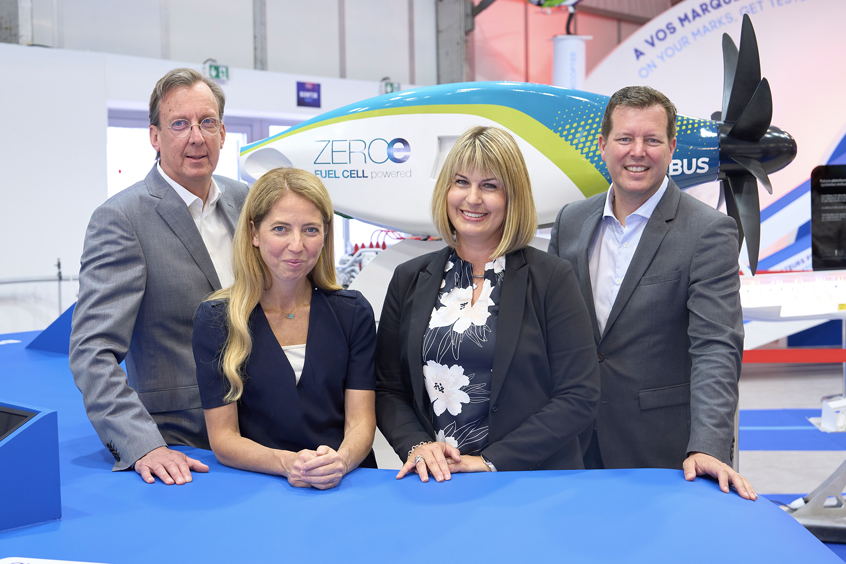
Airbus and MTU plan hydrogen engine venture

A non-binding agreement building on last year’s Paris Air Show memorandum sets out plans for a dedicated organisation to develop and commercialise hydrogen fuel cell engines.
2 April

ReleaseFAA publishes special conditions for ZeroAvia’s 600kW electric engine for aircraft

30 September 2025

ReleaseConflux Technology collaborates with Airbus on hydrogen aircraft thermal management

18 June 2025

ReleaseAirbus and MTU Aero Engines advance on hydrogen fuel cell technology for aviation

17 June 2025

Release£250m for green aerospace projects ahead of Industrial Strategy

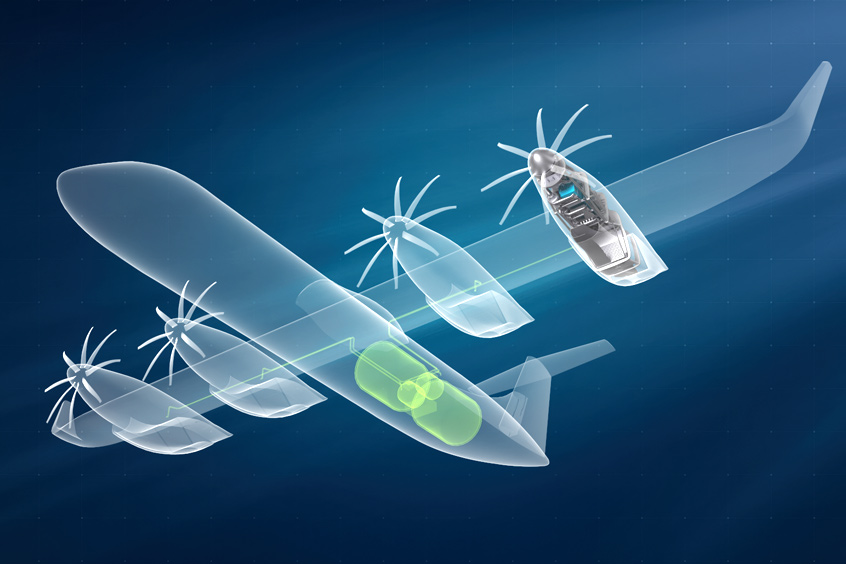
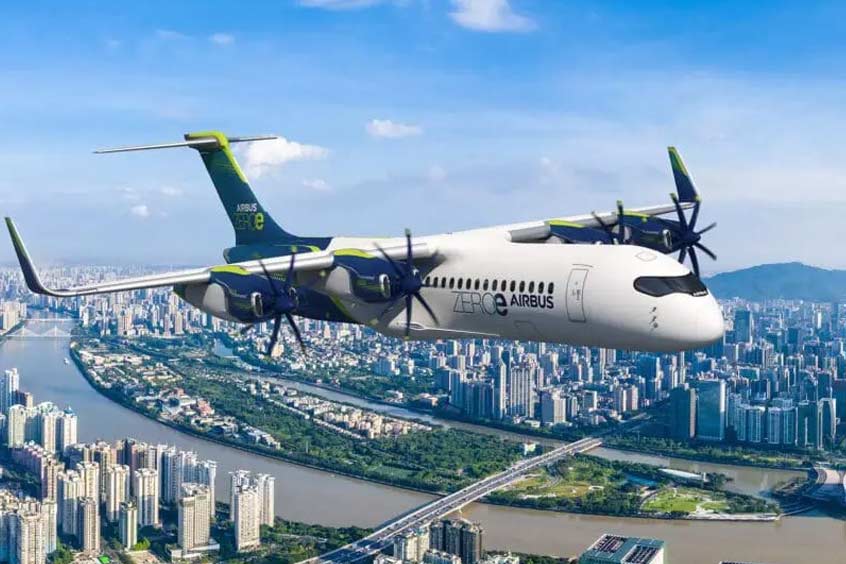
27 March 2025 Airbus’ ZEROe hydrogen-electric aircraft concept, featuring four electric propulsion engines each powered by fuel cells and twin liquid hydrogen tanks.

Airbus presents roadmap for hydrogen and single-aisle aircraft

Hydrogen-electric fuel cell development and SAF-ready design studies were both announced during the 2025 Airbus Summit in Toulouse.
16 July 2024

ReleaseTrelleborg partners with Airbus on hydrogen-powered air travel

25 January 2024 The centre will complement the other activities from Airbus sites in Bremen (Germany), Nantes (France), Madrid (Spain) and Filton (UK) to get a hydrogen powered aircraft in the sky by 2035.

ZEROe Development Center opens doors for hydrogen technologies

A priority for the Stade ZEDC is the development of cost-competitive lightweight Hydrogen systems such as cryogenic Hydrogen tanks, in composites.
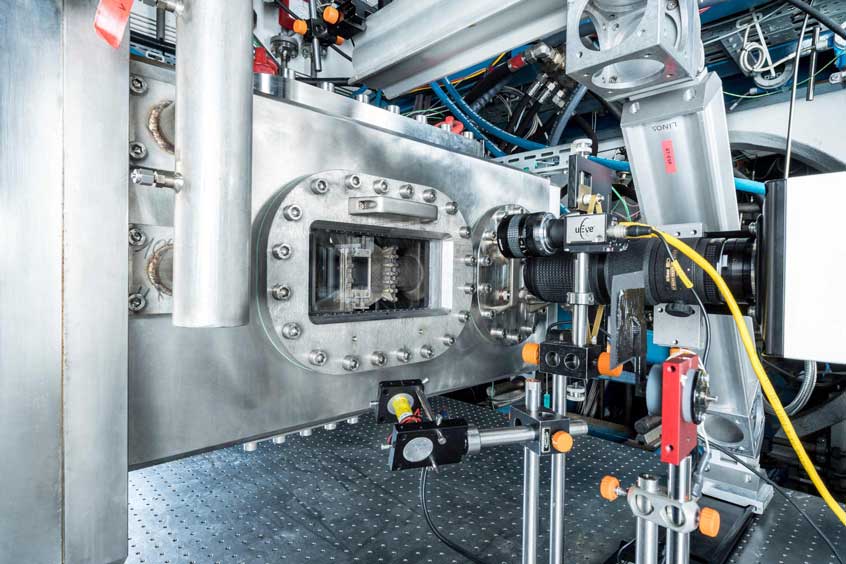
13 July 2023 Laser measurement technology in front of the combustion chamber. The Institute of Propulsion Technology draws on decades of experience in the use of complex laser-optical measurement methods in aircraft gas turbines to enable rapid adaptation to new measurement objectives.

DLR breaks new ground with hydrogen combustion testing

The combustion behaviour of hydrogen is significantly different from that of conventional aviation fuels such as kerosene, and the infrastructure at DLR enables experiments in a realistic environment.
20 June 2023

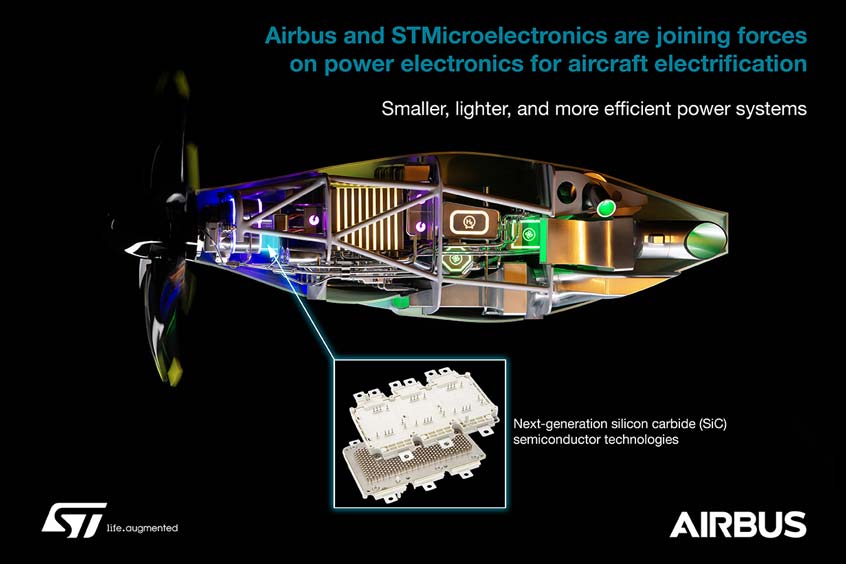
ReleaseAirbus and STMicroelectronics collaborate on power electronics for aircraft electrification

31 January 2023

ReleaseAirbus Commercial selects Altair SimSolid in ZEROe sustainable aircraft initiative

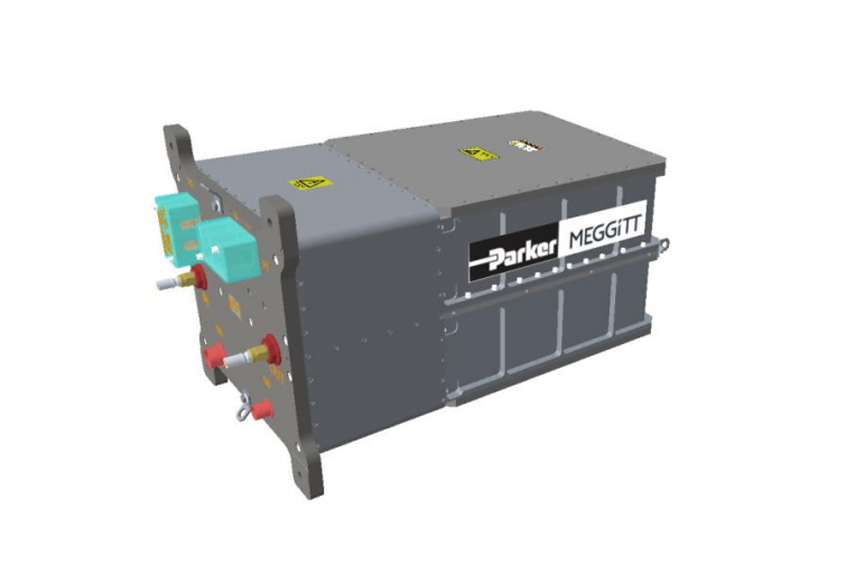
19 January 2023 Parker Meggitt Energy Buffer

Airbus partners Parker Meggitt for energy buffer

The eBuffer will maximize safety, efficiency and weight while balancing electric and mechanical constraints, as a piece of the electrical system that will complement the Fuel Cell primary power source.
25 May 2022

ReleaseAirbus increases its UK innovation footprint to develop new hydrogen technologies

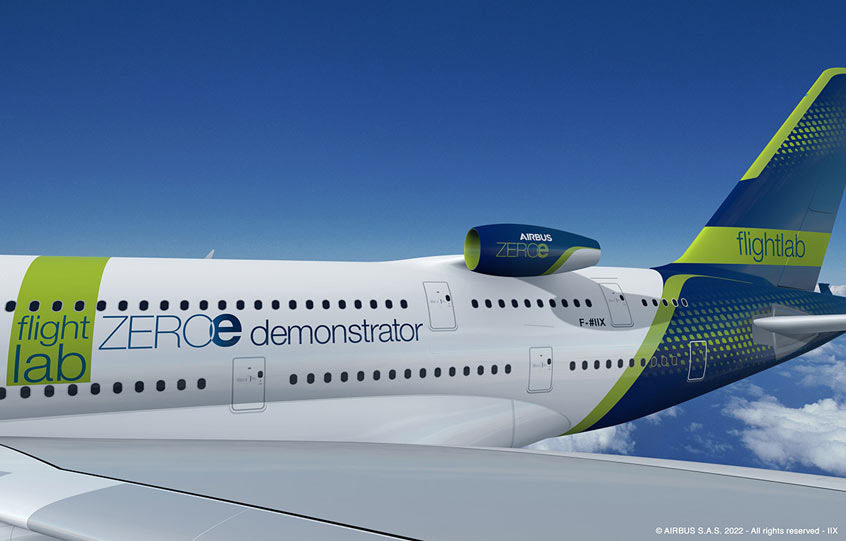
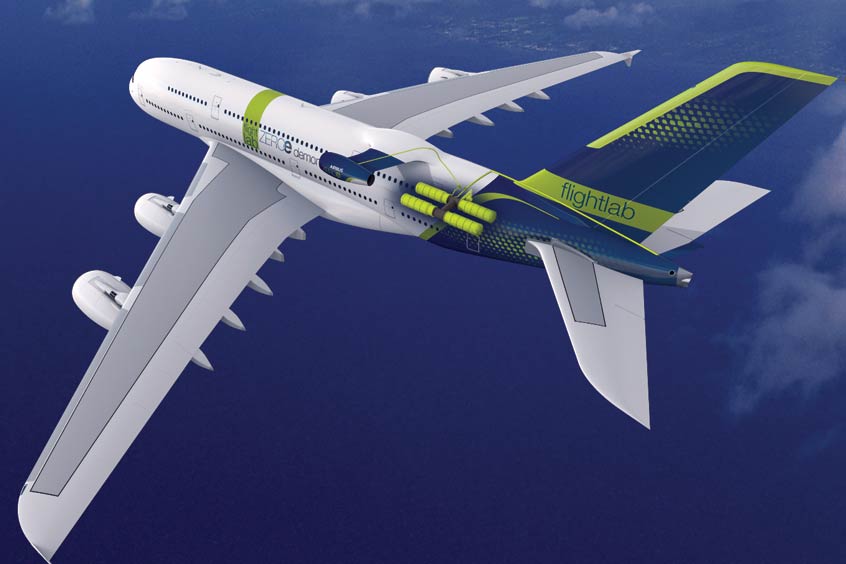
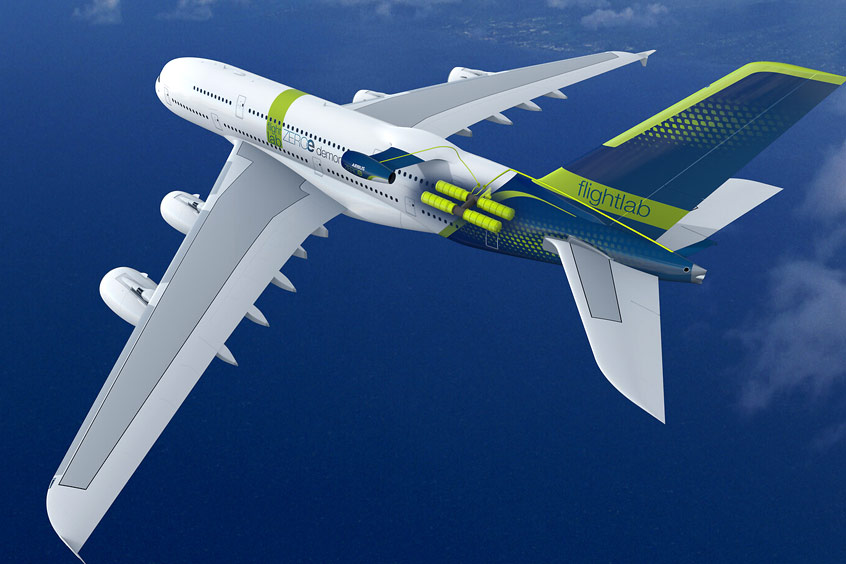
3 March 2022 Hydrogen combustion technology for Airbus' ZEROe will be tested on the original prototype A380.

First A380 returns to the limelight with ZEROe hydrogen engine

The A380 will have four liquid hydrogen tanks in a caudal position, as well as a hydrogen combustion engine mounted along the rear fuselage. The hydrogen will be transformed into gas before supply to the engine.
16 June 2021 The ZEROe range will need hydgrogen tanks that can withstand  repeated thermal and pressure cycling.

Airbus assigns sites to cryogenic tank development

The design and integration of tank structures is crucial to the performance of a future hydrogen aircraft, so Airbus has established two Zero-Emission Development Centres dedicated to this vital task.

21 September 2020

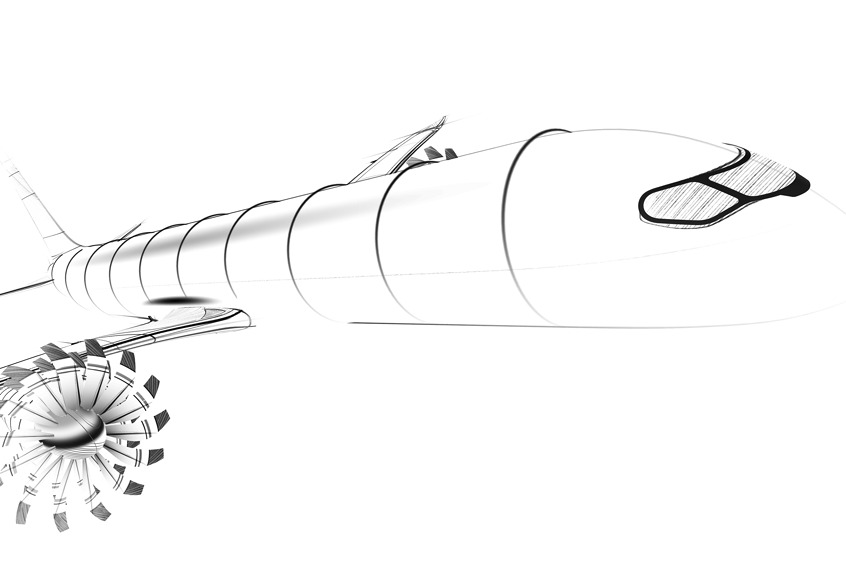
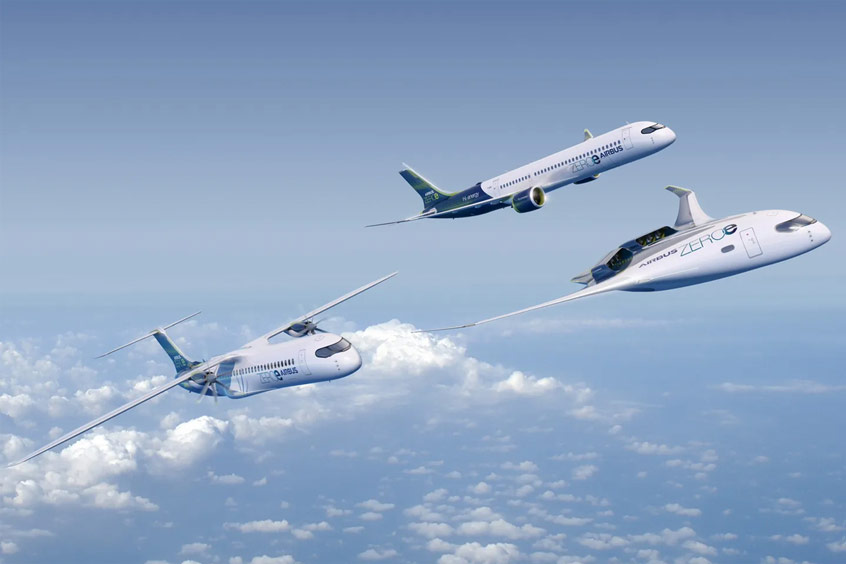
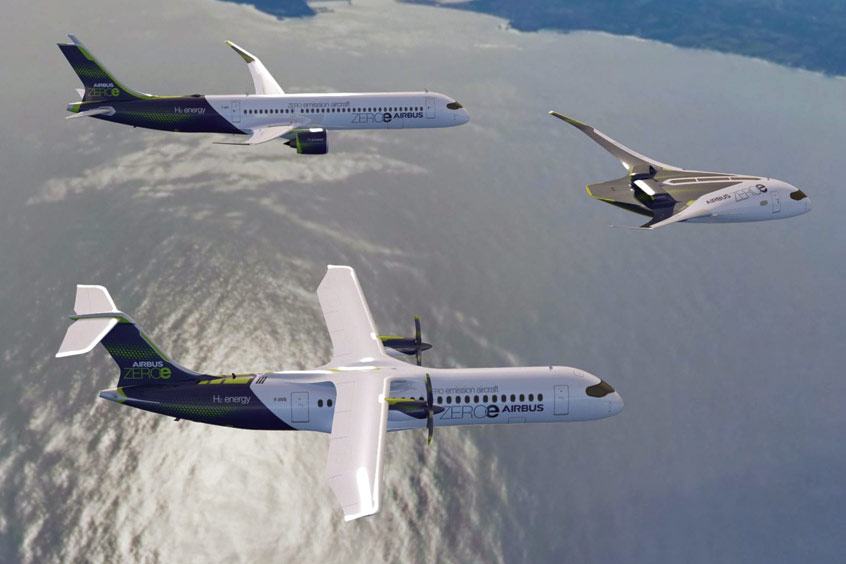
Airbus unveils bold concept for zero-emission flight

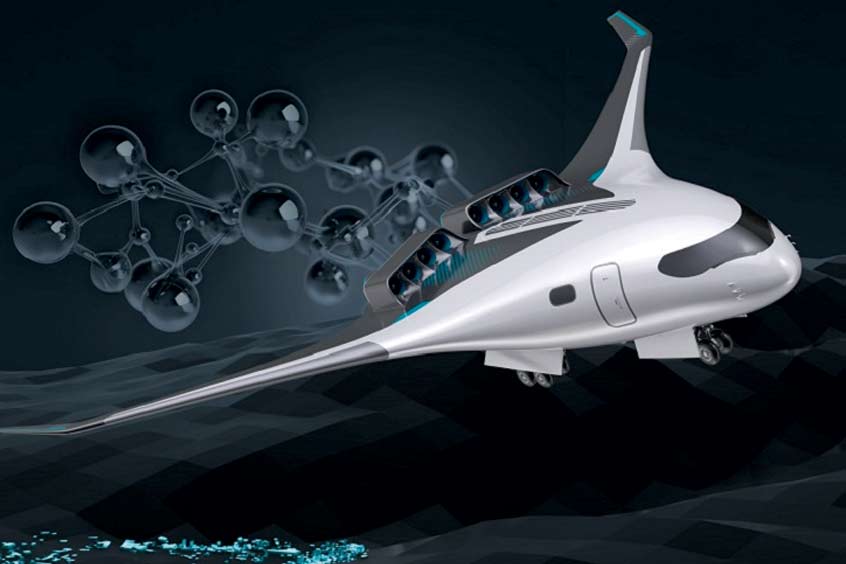
A trans-continental airliner, a regional turboprop and a blended-wing airliner are all powered by hydrogen. Airbus aims to have one of them in service by 2035, although airport infrastructure will need huge investment.