
Airframer news
24/02/2021
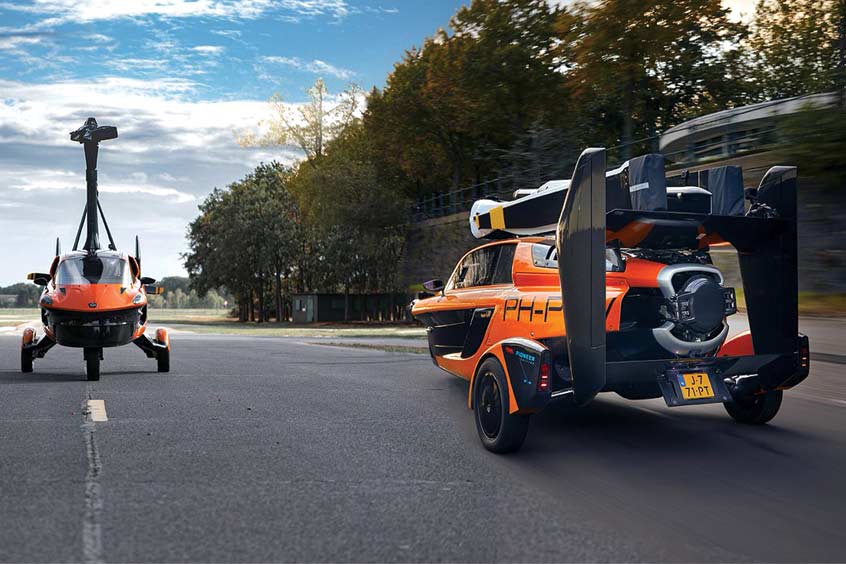
More than 10 years of analysis, test data, flight tests, and drive tests, have led to this important milestone for PAL-V Europe. In parallel, the company has started compliance demonstration to obtain the type certificate.
After being the first flying car to get road permission for Europe, PAL-V is now also the first to complete the full certification basis with EASA. Based on PAL-V's 10 years of test results, EASA specialist teams finalised the requirements for the PAL-V Liberty. The issuance last week, after industry consultation, shows the confidence of the European authorities and the maturity of the design and the company. The final phase is compliance demonstration before CarFlying becomes reality for PAL-V's customers.
“Getting a flying car to the market is hard. It takes at least 10 years”, says Robert Dingemanse, PAL-V's CEO: “Although we are experienced entrepreneurs, we learned that in aviation everything is exponentially stricter. Next to the aircraft, all aspects of the organization, including suppliers and maintenance parties must be certified.”
In 2009 PAL-V agreed with EASA (European Union Aviation Safety Agency) to use the Certification Specifications for Small Rotorcraft, CS-27, as a starting point for the development of the Certification Basis. PAL-V worked together with EASA to amend the complete list of over 1,500 criteria to make it applicable for the PAL-V. The list was published last year for review by industry experts and the final version was published last week.
CTO, Mike Stekelenburg adds: “Safety is key in developing the Liberty, we are privileged to work with top experts of EASA. Their high safety standards also allow the Liberty to be used professionally. From the start, we built the Liberty to comply with existing regulations. This strategy provides the fastest route to market.”
PAL-V Head of Airworthiness, Cees Borsboom says: “I'm proud to see the results of our work. We can now speed up the completion of the compliance demonstration phase. It's hard to grasp the amount of work required to certify an aircraft. The sign-off of 1,500 requirements already in 2012, before starting manned test flights, was the beginning. The development of the requirements started in 2009. More than 10 years of analysis, test data, flight tests, and drive tests, led to this important milestone. In parallel, we already started compliance demonstration to obtain the type certificate, which will be followed by delivery of vehicles to our customers.”
The EASA type certificate is valid for Europe and is also accepted in 80% of the world market, including the US and China.
Where we hold a LinkedIn profile it’s marked — the links come with a subscription.
The week’s aerospace manufacturing news, reported by our editors and delivered free to your inbox. Sign up ›
Subscribers see the confirmed supply chain behind every story — complete supplier lists for each aircraft program, sector and company. See the plans ›
Corrections go straight to the editorial team that maintains this directory.