
Every Bulletin story and press release covering Airbus S.A.S., newest first.
71 items · page 2 of 2
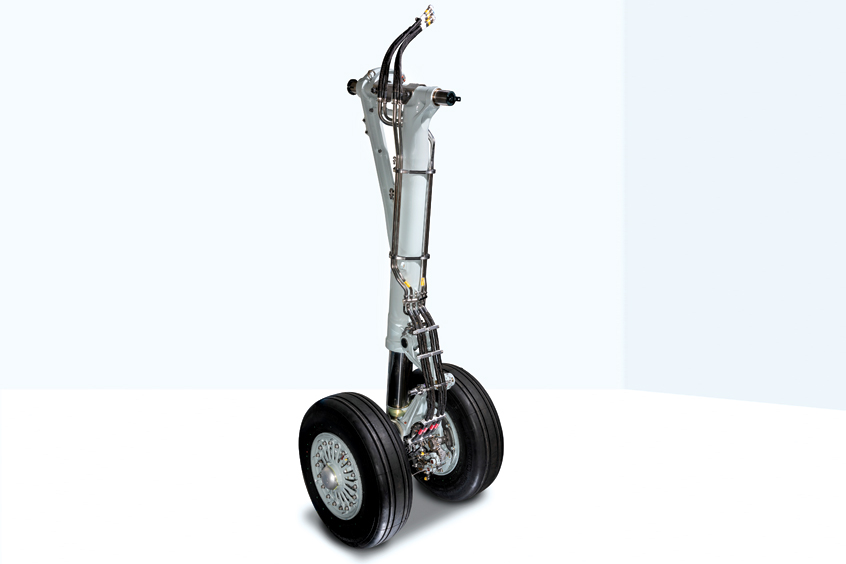
Liebherr already supplies the A220 landing gears and the A350 nose landing gear. Now it looks set to continue as a major supplier to Airbus for future aircraft models.
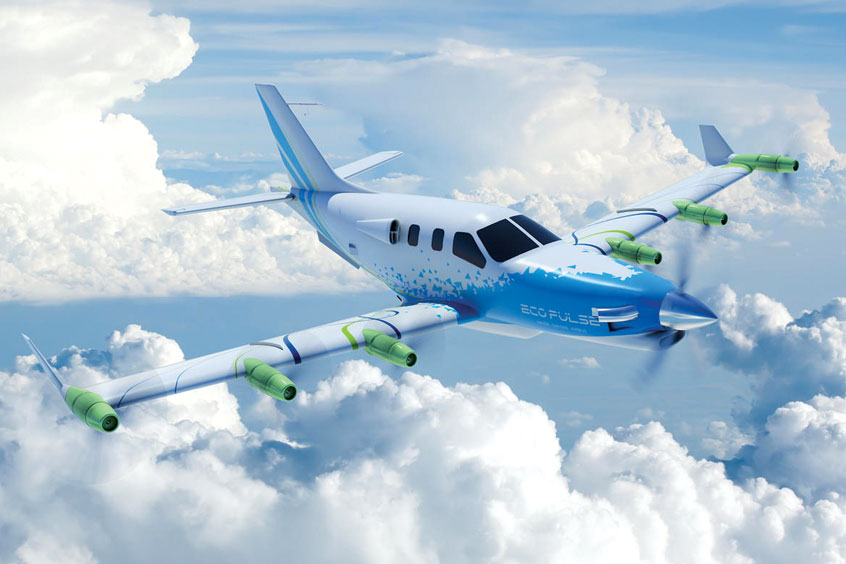
Following cell selection and subsequent design integration for EcoPulse, several prototype/specimen batteries will soon be subjected to testing in Toulouse according to stringent aeronautical standards.
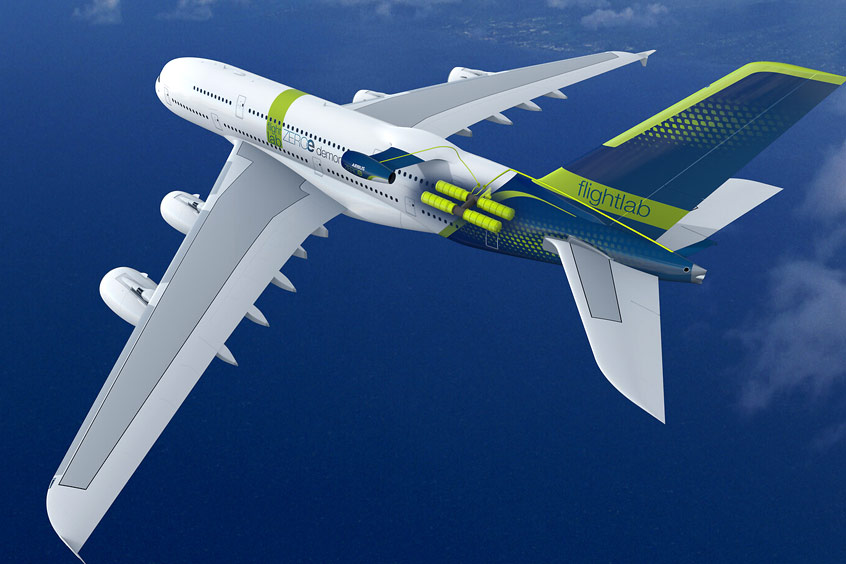
The A380 will have four liquid hydrogen tanks in a caudal position, as well as a hydrogen combustion engine mounted along the rear fuselage. The hydrogen will be transformed into gas before supply to the engine.
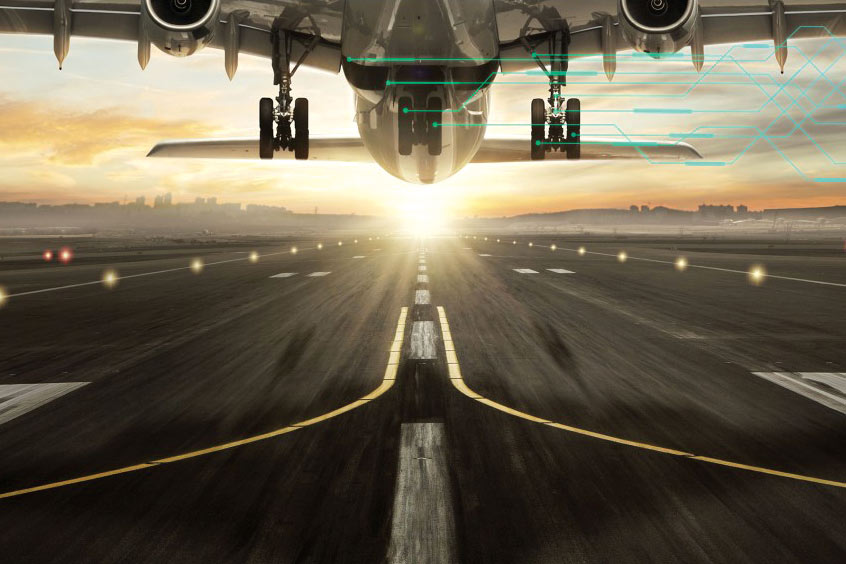
The Capital platform will enable Airbus to develop electrical and electronic systems for aircraft more efficiently using digital twins on a backbone that integrates easily with other systems.
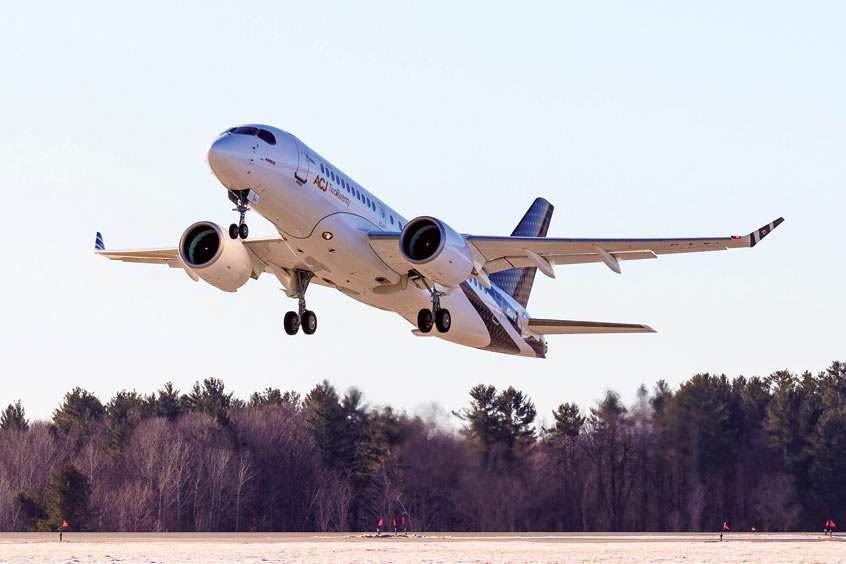
The corporate variant of the Airbus A220 will shortly be in the hands of cabin completion specialists Comlux, who will be outfitting the first fifteen off the line.
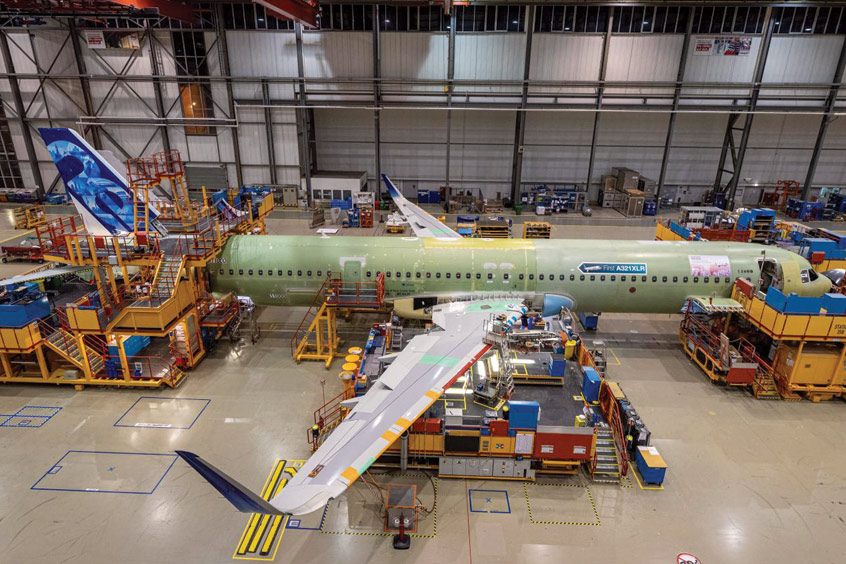
Construction of the A321XLR is complete, so now Airbus can concentrate on installing the sophisticated flight-test instrumentation suite followed by CFM LEAP engines and nacelles.
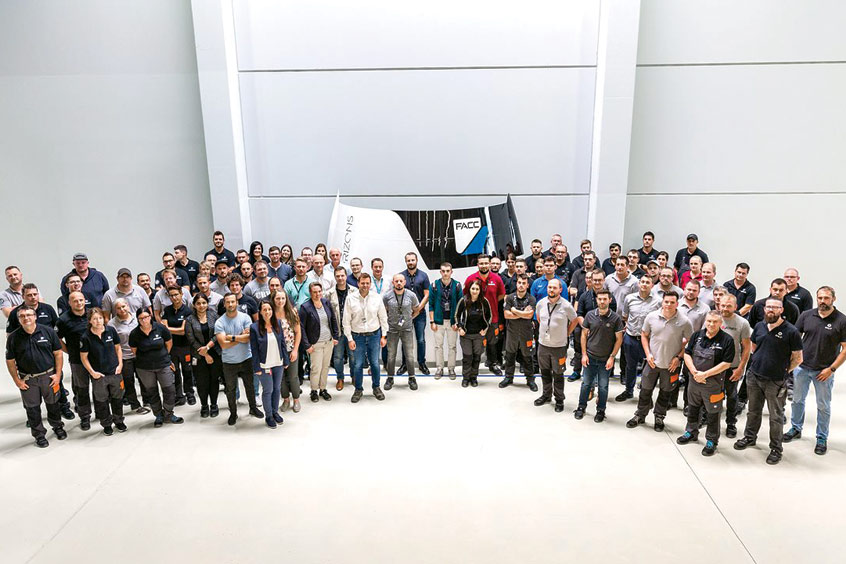
Since the start of the project FACC has invested around 50 million euros in the development and manufacture of the components and it says newly developed composite materials result in considerable weight savings.
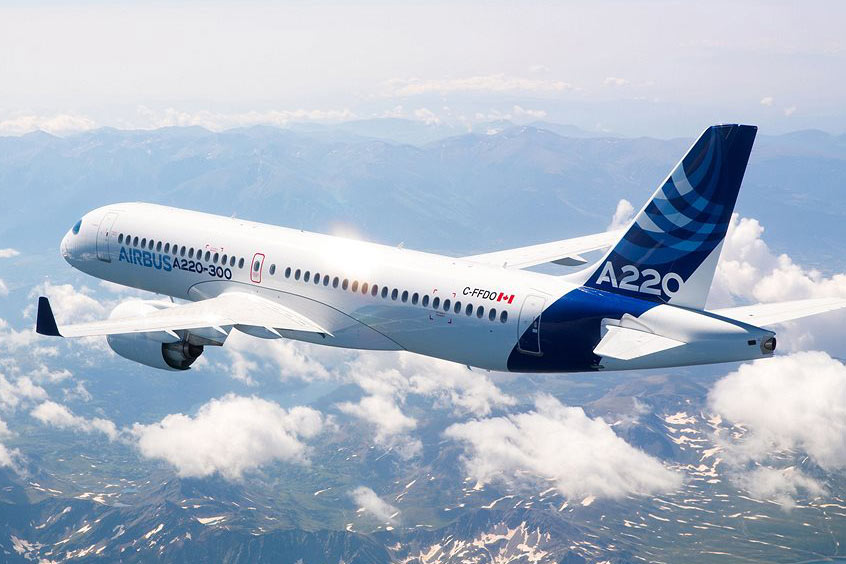
FACC is to be the sole supplier of rudders and elevators to Airbus for the A220. The agreement to manufacture the empennage components expands on four decades of partnership.
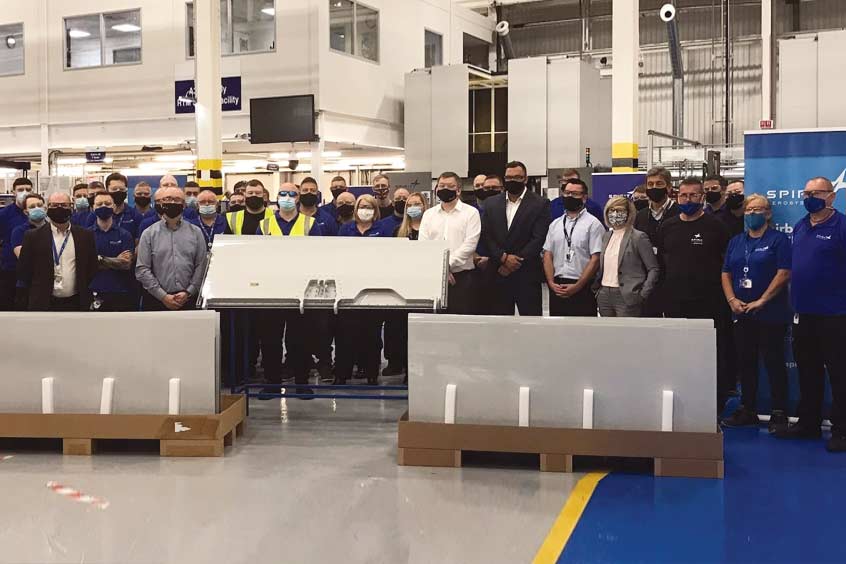
A320 spoilers are produced by Spirit AeroSystems using resin transfer moulding to increase efficiency, with a lower cost compared to the traditional process - a significant first in the UK.
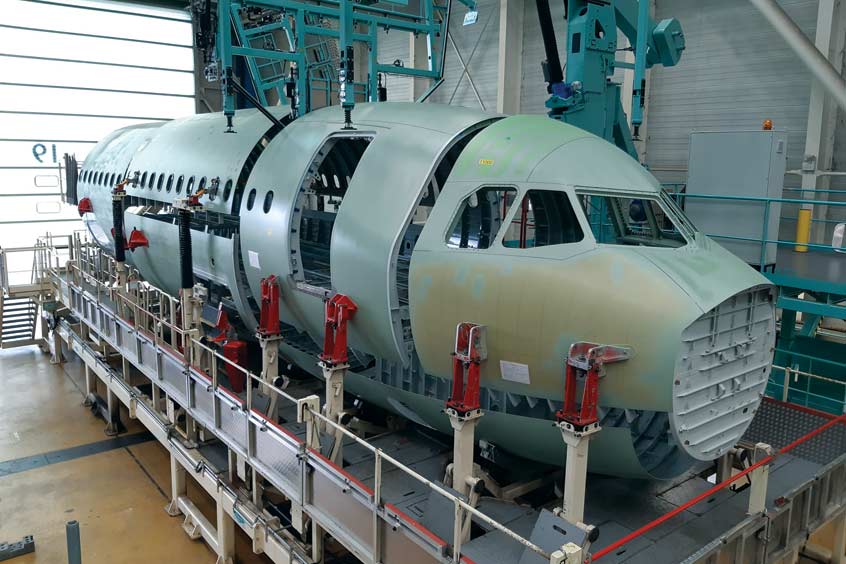
Less than two months after the start of structural assembly of the rear and centre fuselages in Germany, Airbus teams are assembling nose and front fuselages at the Saint-Nazaire facility in Western France.
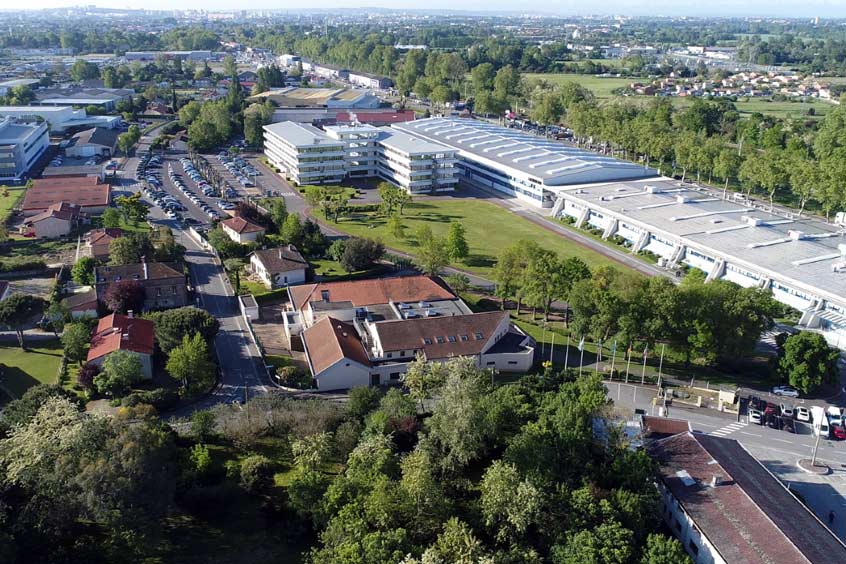
Every civil Airbus aircraft model flies with Liebherr technology on board, but now this equipment list will include stand-alone power electronics alongside the current broad systems and components portfolio.
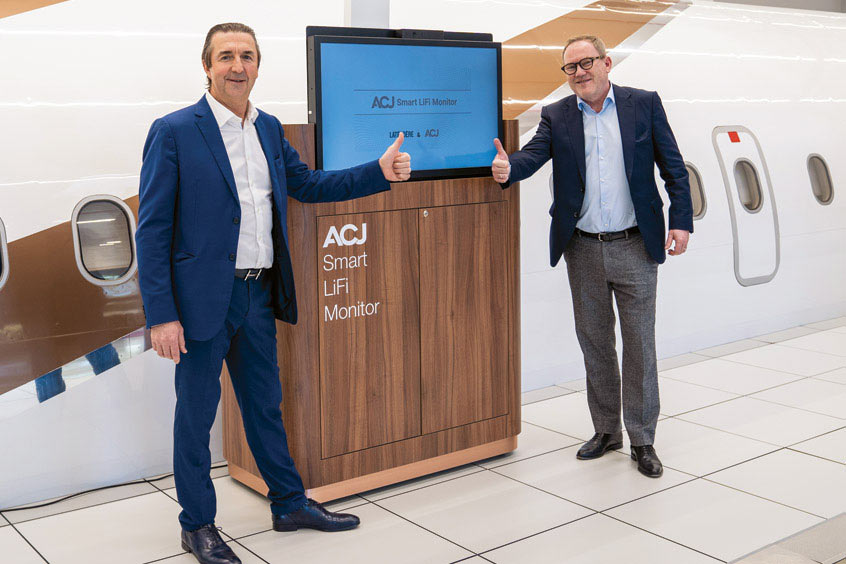
Latecoere Interconnection Systems is developing a smart in-flight entertainment monitor for the ACJ 320 and is on target to deliver its first electromechanical passenger staircase for the aircraft this year.
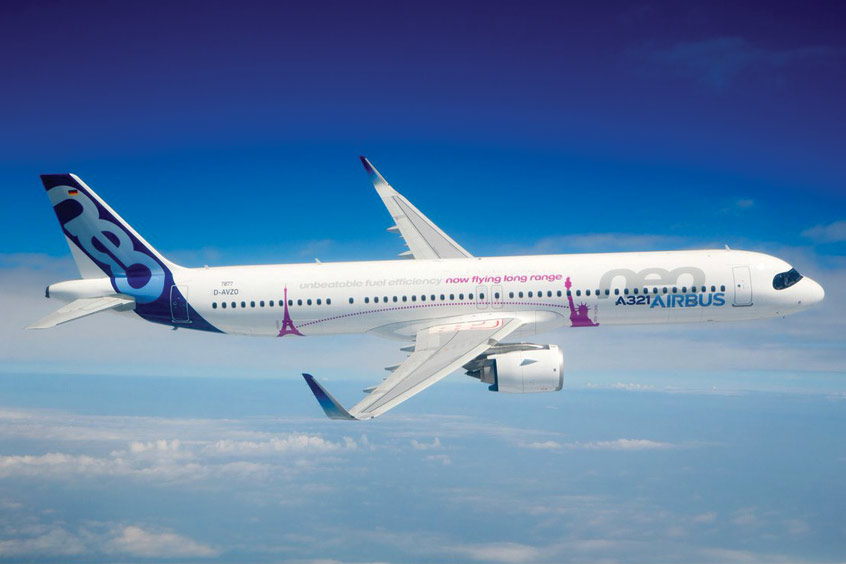
A huge backlog of orders for the A320 series means that Airbus is prioritising further work on final assembly lines. The latest, in the former A380 Lagardere facility, should be operational by the end of 2022.
Reorganising its aerostructures activity into two major companies, in France and Germany, Airbus aims to focus more closely on assembly and less on the manufacture of detail parts.

Parts of the centre wing box are reinforced, such as the spars, frames and upper and lower panels. Its arrival in Hamburg, along with fuselage panels from TAI, marks the start of aircraft structural assembly.
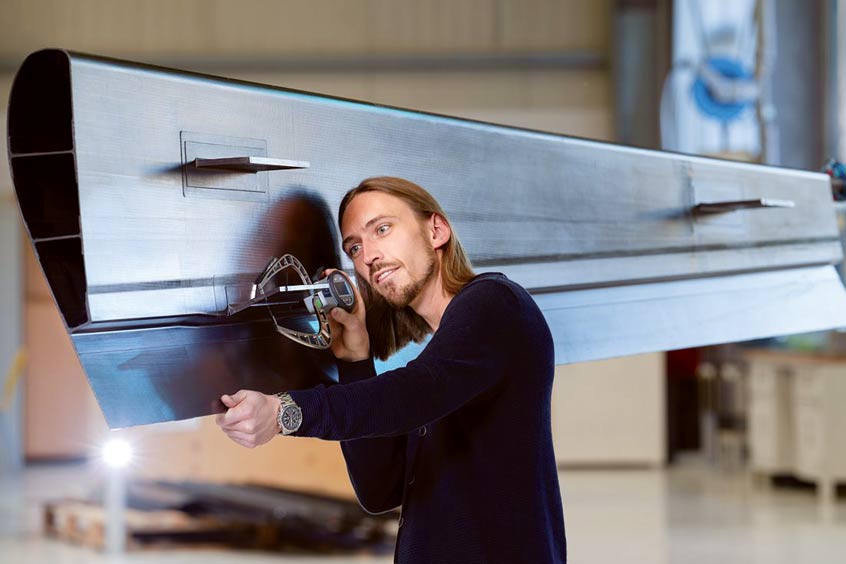
FACC has recently constructed a flap prototype by means of resin transfer moulding. Not a new technique, but never before applied on this scale and with such a high degree of complexity, the company says.
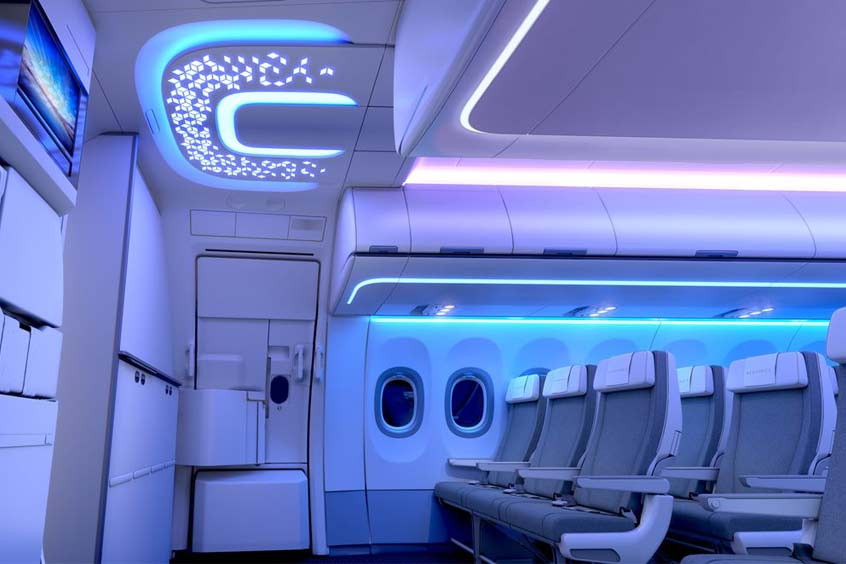
After two years in development the first shipset comprising an Airspace entrance area and Hero Lights has now been delivered to Airbus in Hamburg, where it will be installed in a serial aircraft.
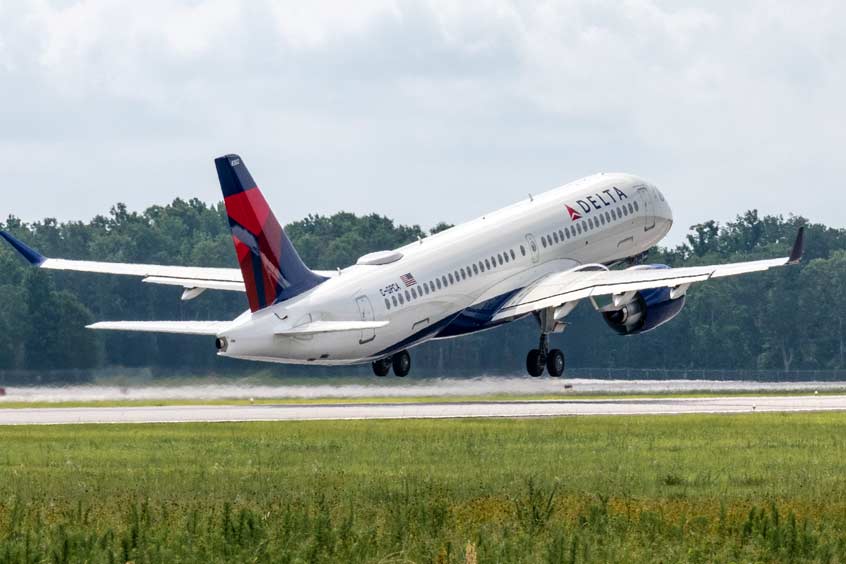
Having made its first flight in June this year, the first A220 assembled in Mobile, Alabama, has been handed over to Delta Air Lines. 400 U.S. employees have been trained on A220 production
ElringKlinger has been actively pursuing research and development in the area of fuel cell technology for around 20 years, and has now found a willing partner in Airbus as it embarks on its ZEROe concept aircraft range.
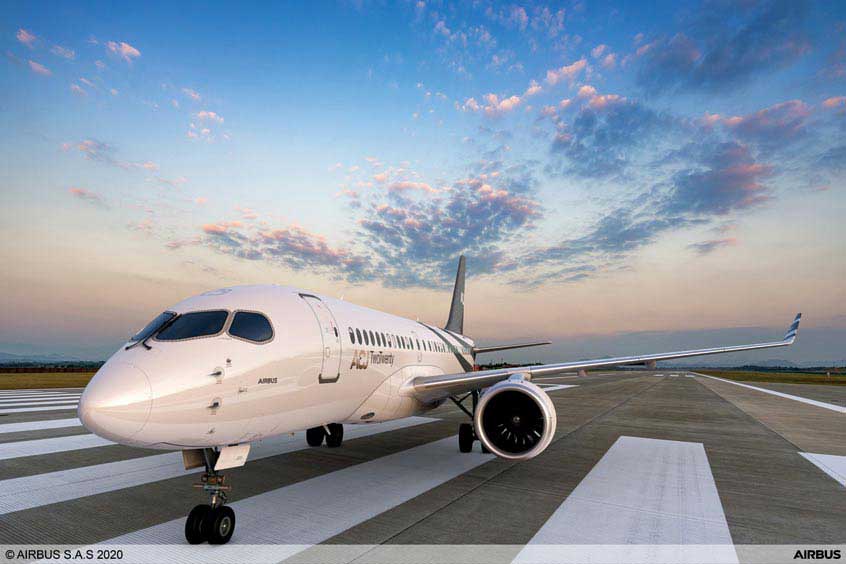
Since acquiring the A220 program earlier this year Airbus has wasted no time throwing its weight behind the project, with a new production line in Alabama, and now a fully-featured long-range business jet variant.
A trans-continental airliner, a regional turboprop and a blended-wing airliner are all powered by hydrogen. Airbus aims to have one of them in service by 2035, although airport infrastructure will need huge investment.