


Every Bulletin story and press release covering Rolls-Royce Deutschland, newest first.
21 items
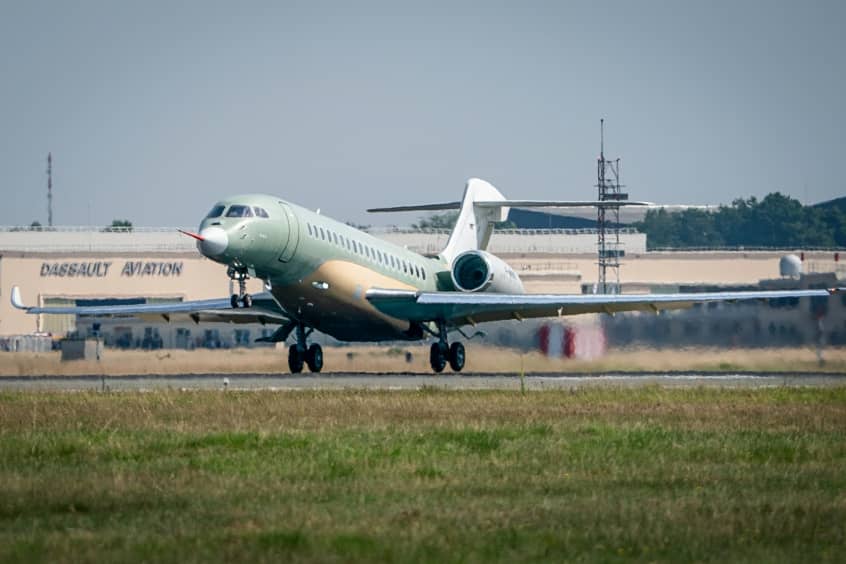
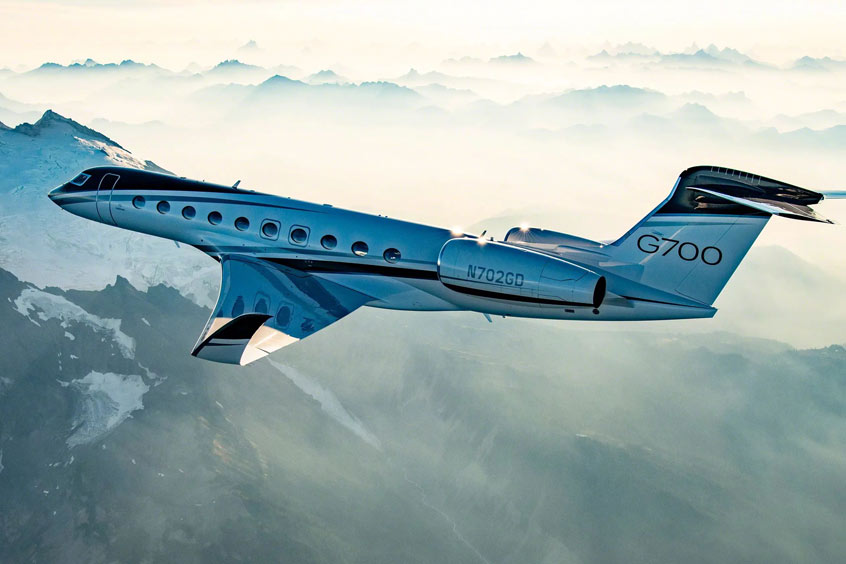
The flagship business jet has completed its maiden flight as airframe and engine certification campaigns gather pace.
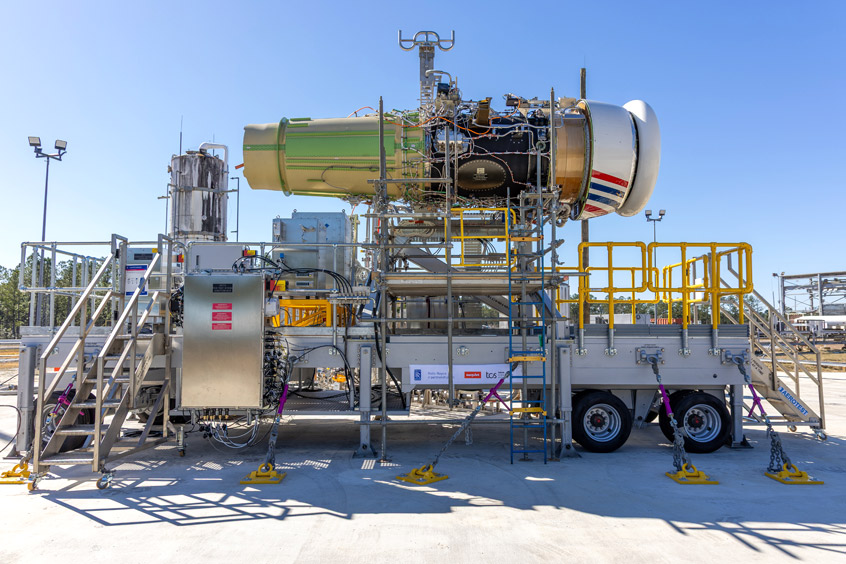
Testing at NASA Stennis has demonstrated a hydrogen-fuelled jet engine operating through a complete simulated commercial flight cycle.
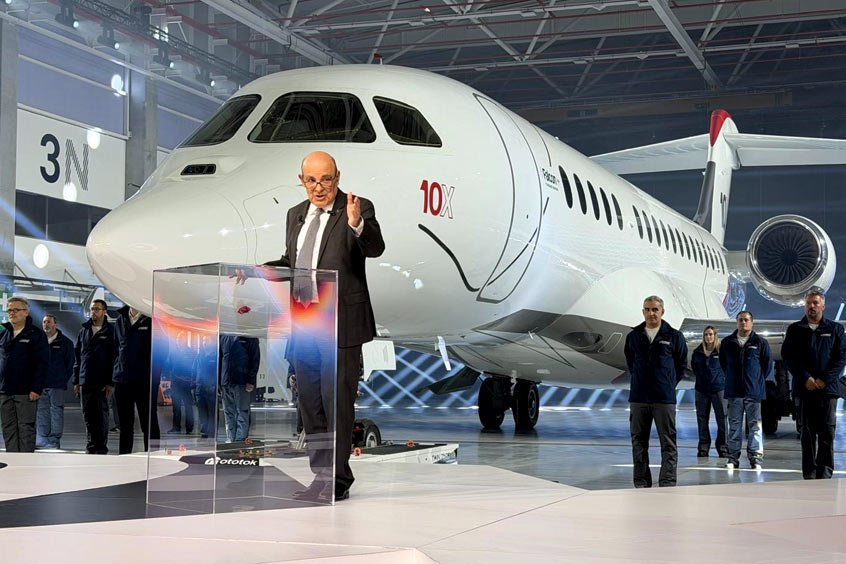
The next-generation flagship Falcon has been introduced with an all-composite wing built using Hexcel materials alongside a wider cabin and ultra-long-range performance.
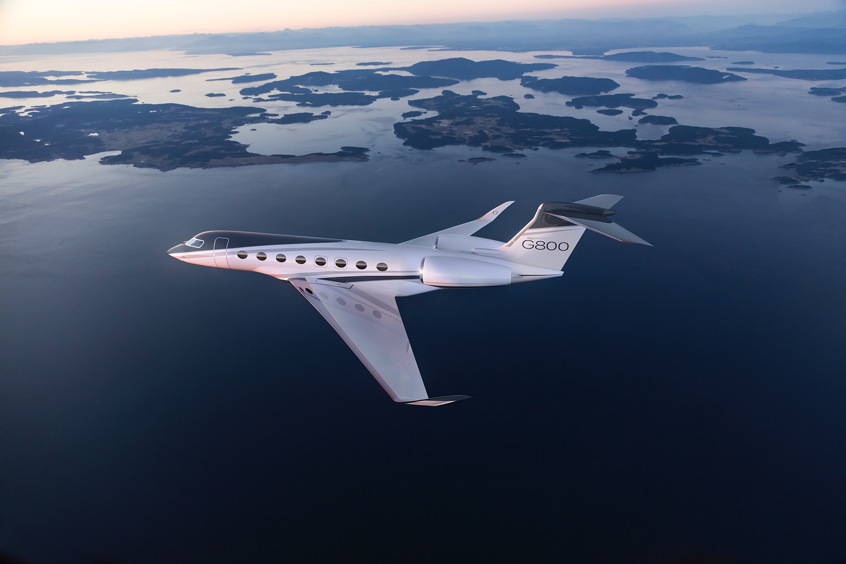
Final certifications have confirmed longer range and higher cruise speeds, along with shorter take-off and landing distances than expected.
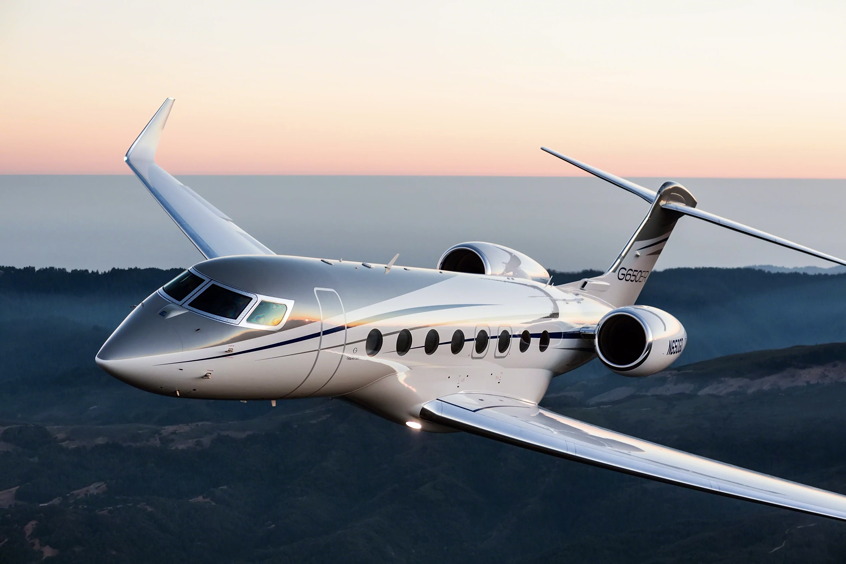
The last G650 has moved to Gulfstream’s Appleton facility for completions before delivery, while the fleet continues to set records and influence the next generation of aircraft.

Applying winglets to the blade tips significantly changes the geometry of the blade and hence the flow around it, giving rise to improvements in both turbine and overall engine efficiency.
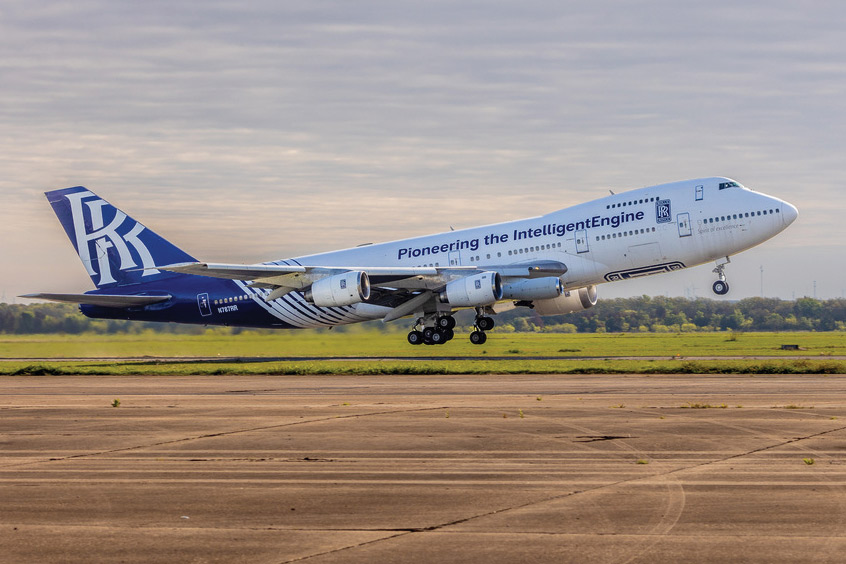
The flight test programme will include engine performance and handling checks at various speeds and altitudes, inflight relights, tests of the nacelle's anti-icing system and fan vibration tests at various altitudes.
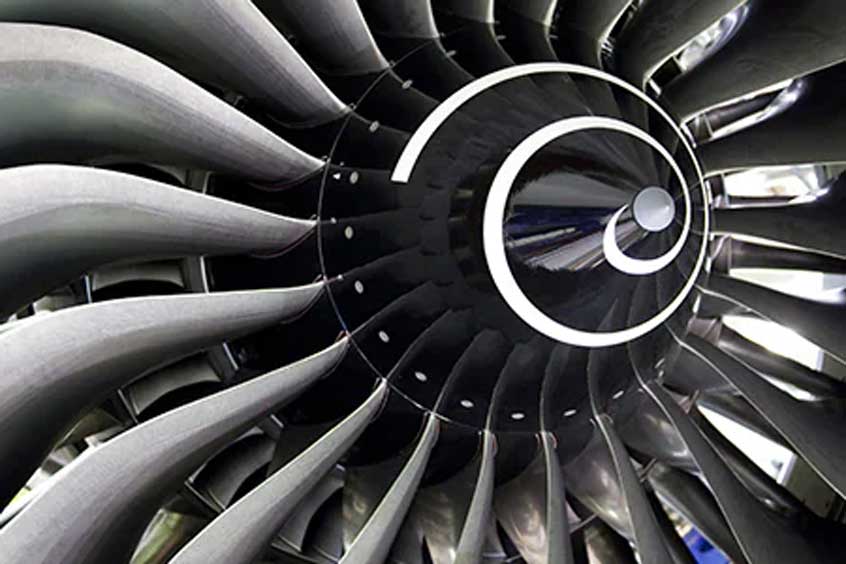
Rolls-Royce is investing £55m and recruiting more than 300 front-line staff, split between its operations in Derby, UK, and Dahlewitz, Germany. About two thirds of the jobs will be created in Derby.
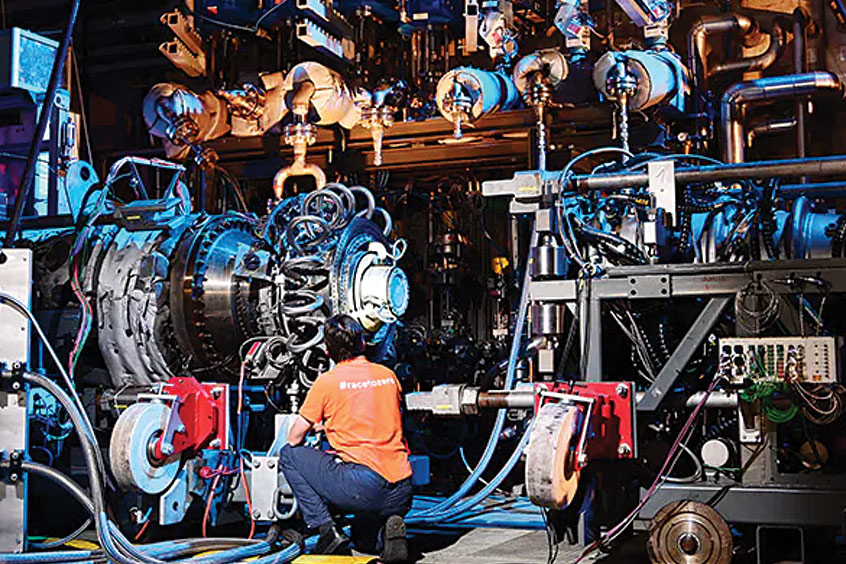
Hydrogen burns far hotter and more rapidly than kerosene, so new nozzles were needed to control the flame position using a new system that progressively mixes air with the hydrogen to manage the fuel's reactivity.
During the comprehensive indoor and outdoor test programme, the engine demonstrated its performance operating at sea-level and altitude conditions on both conventional jet fuel and 100% Sustainable Aviation Fuel.
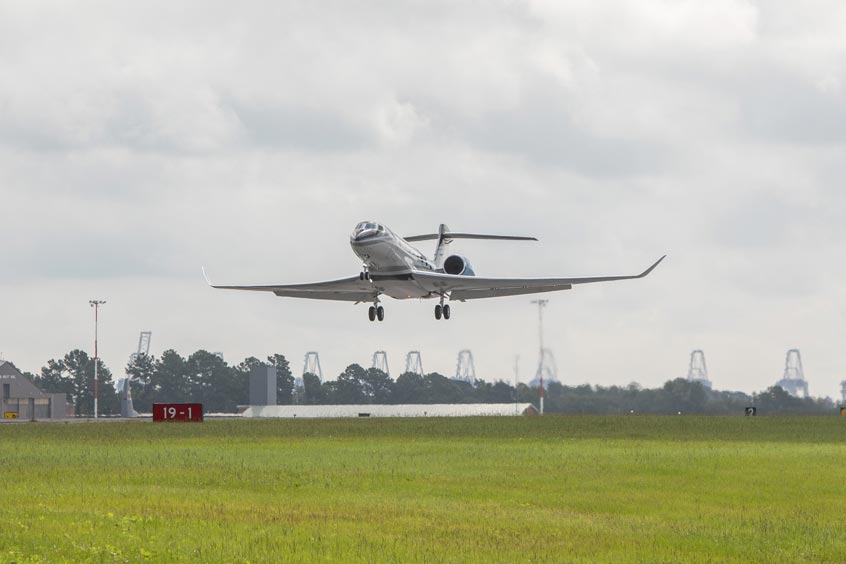
The second test aircraft is dedicated to environmental control systems, avionics and flight controls and builds on the more than 1,600 test points already accomplished by the first G800 flight test article.
The development programme has included rigorous testing of the new ultra-low emissions ALM combustor, compatible with 100% SAF, and new accessory gearbox, which allows for higher additional power extraction.
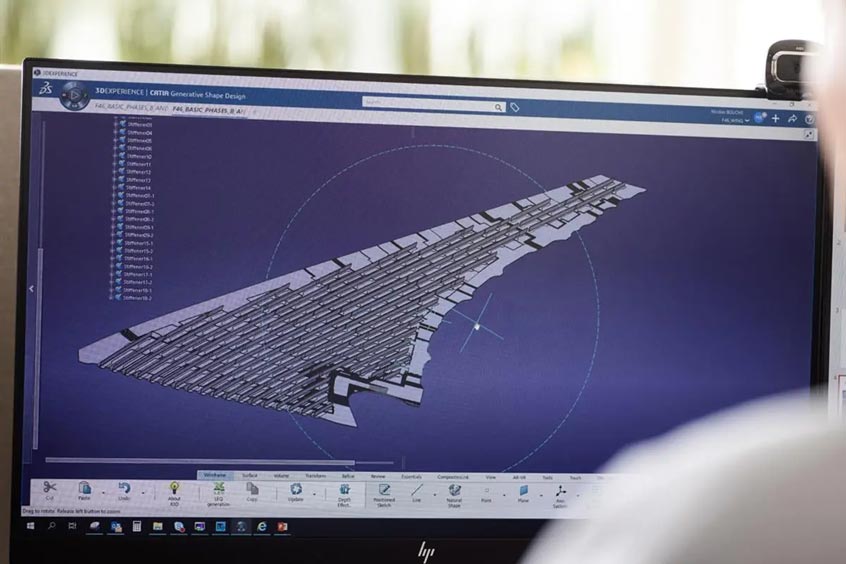
With the Falcon 10X, Dassault is taking a new approach to ground testing, which will be used to demonstrate the maturity of all systems well before the aircraft even takes to the air.
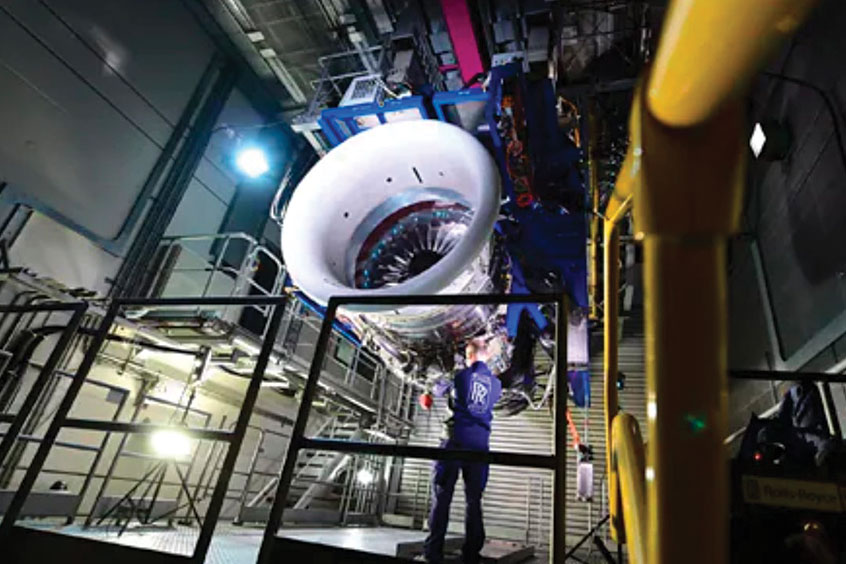
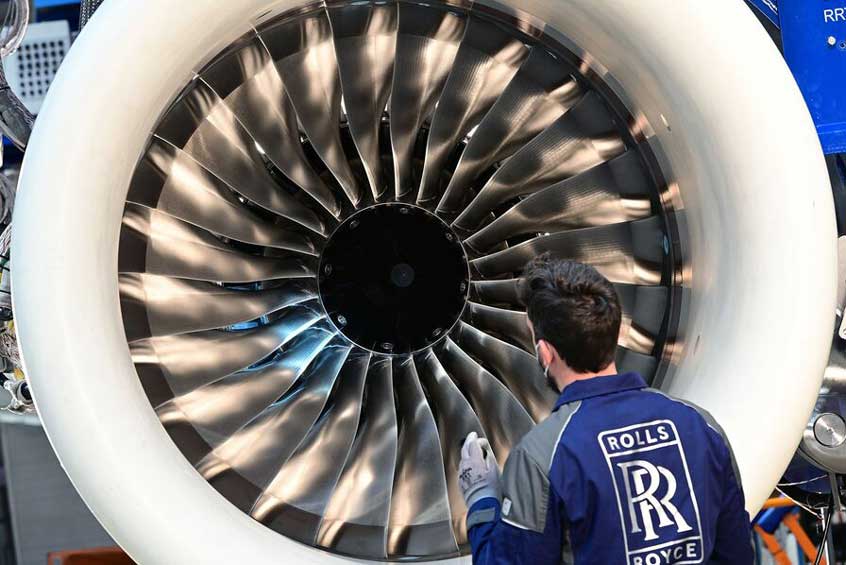
The first dedicated Pearl 10X test engine ran for the first time earlier this year and surpassed its target thrust levels on the first test run, making it the most powerful business aviation engine in the Rolls-Royce portfolio.
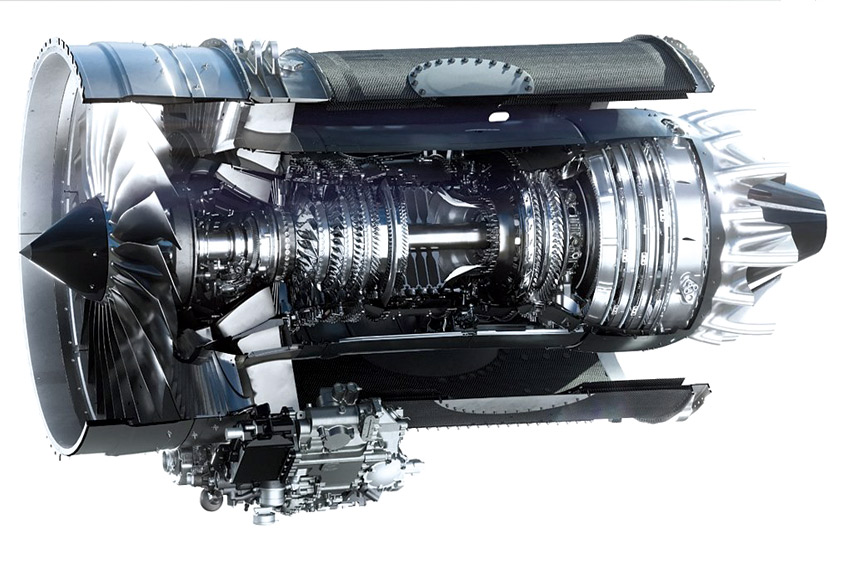
FACC has been commissioned by Rolls-Royce - a customer of twenty years standing - with the development and manufacture of composite components for the new Pearl 10X engine.

Pearl 700 engines have already powered Gulfstream's G700 beyond its maximum operating speed and cruise altitude, flying nearly as fast as the speed of sound at Mach 0.99 while reaching an altitude of 54,000ft.
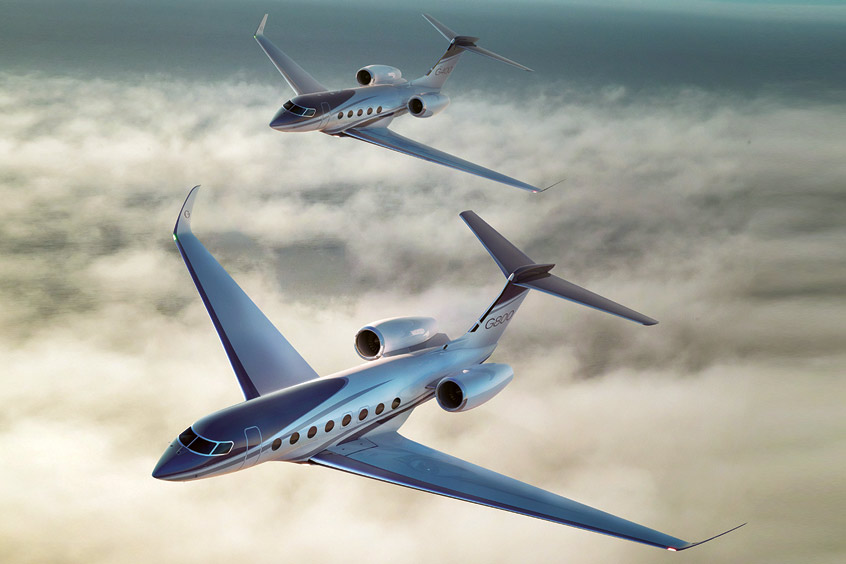
The G800 is the longest range aircraft in Gulfstream history and will be powered by Rolls-Royce Pearl 700 engines, while the G400 aims for comfort and high speed, with PW812GA Pratt & Whitney engines.
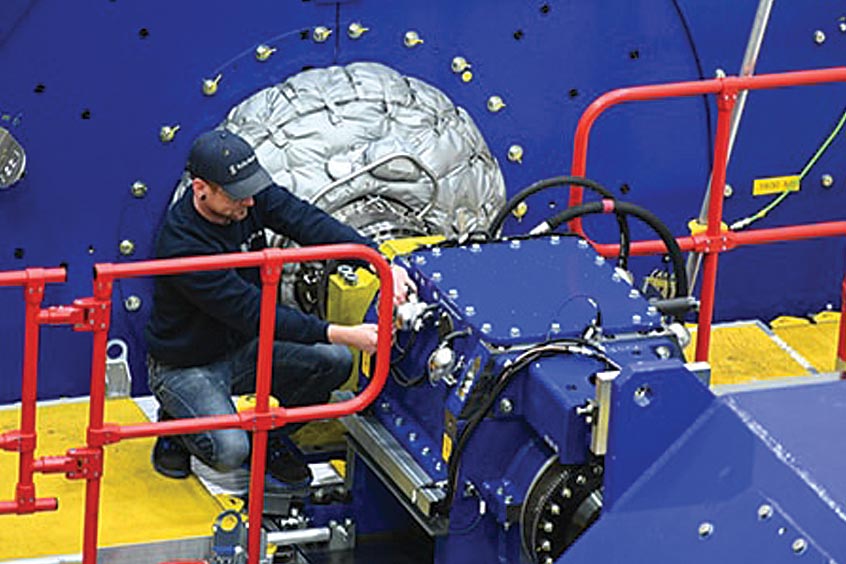
With over 650 hours of testing, the Rolls-Royce UltraFan power gearbox has set a new aerospace world record, reaching 87,000 horsepower. The UltraFan engine should be 25% more fuel efficient.
Spirit will leverage its composite and fabrication capabilities at its Wichita facility to support the program, then provide competitive aerostructures with kits that Rolls-Royce can seamlessly install during final assembly.
With a non-stop range of 7,500nm or more than 15 hours, Dassault has ensured that its future Falcon will have the most comfortable cabin possible - large, exceptional pressurisation, and with pure filtered air.
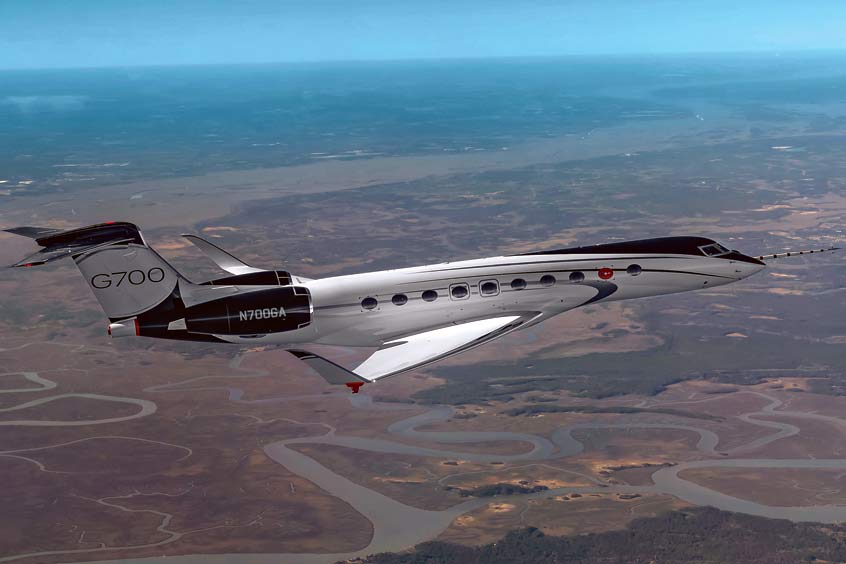
Gulfstream's new flagship G700 has flown in excess of its maximum operating speed and altitude as flight testing passes the hundred mission mark. Flutter testing has been completed.