
Every Bulletin story and press release covering DARPA Defense Advanced Research Projects Agency, newest first.
20 items
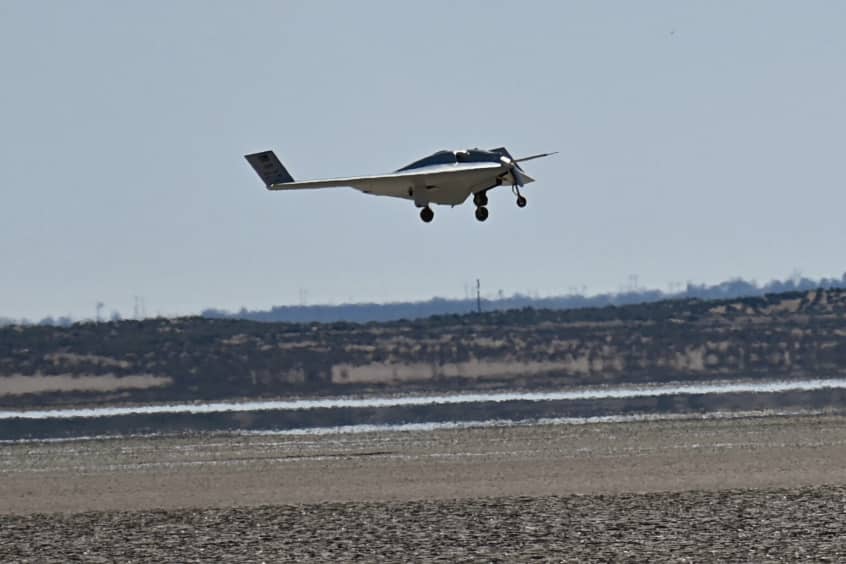
The remotely piloted SHEPARD demonstrator completed its April flight at Edwards Air Force Base as propulsion research continued.
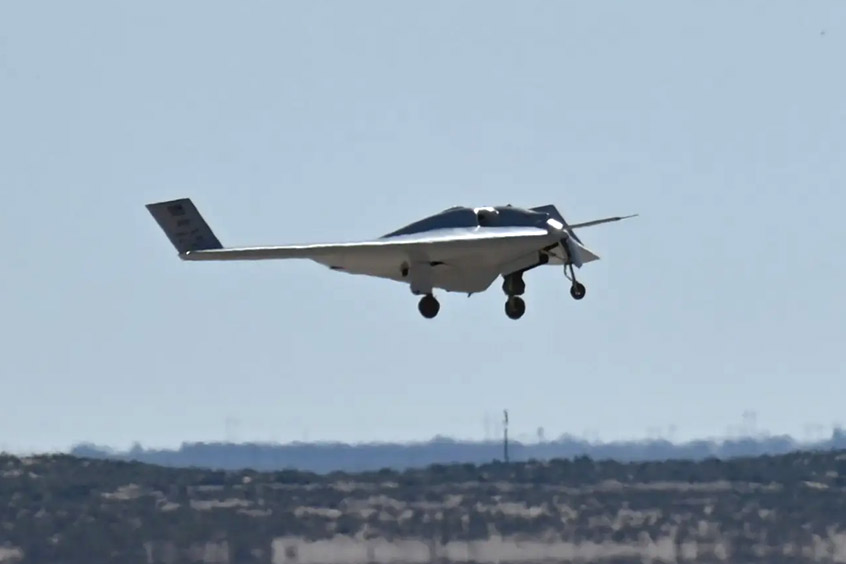
Hybrid-electric flight testing at Edwards Air Force Base has advanced efforts to develop lower-emission military aircraft with greater operational flexibility.
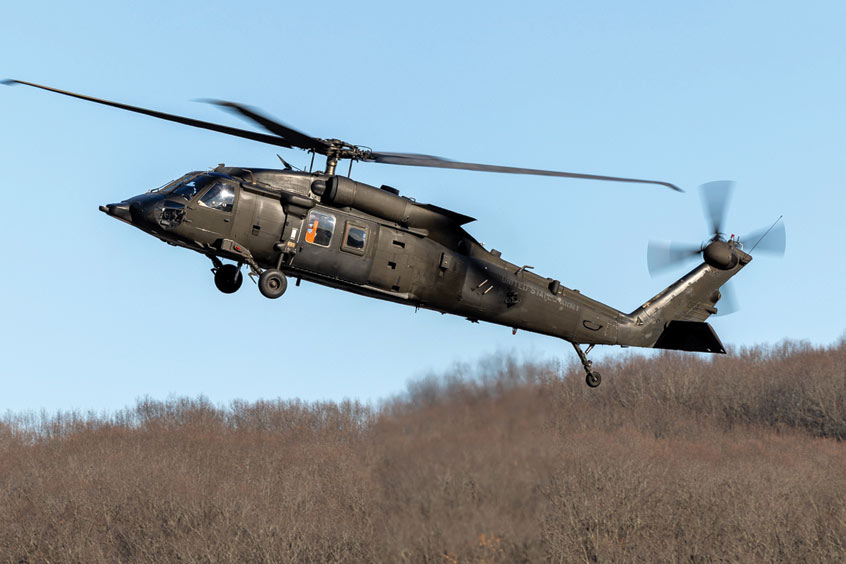
The UH-60MX becomes the U.S. Army’s first Black Hawk equipped with full-authority fly-by-wire controls, enabling seamless operation in both piloted and optionally piloted modes.
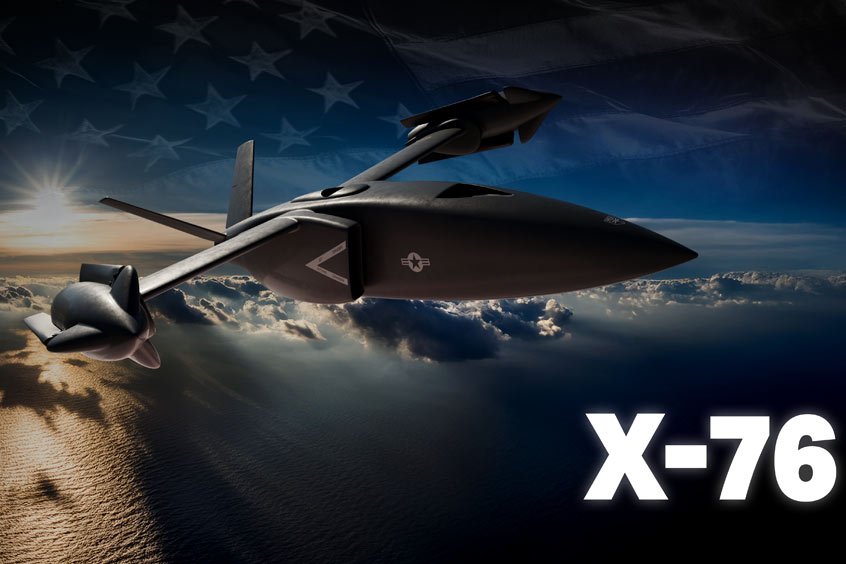
Completion of the critical design review allows Bell to begin building the high-speed demonstrator designed for jet-like cruise.
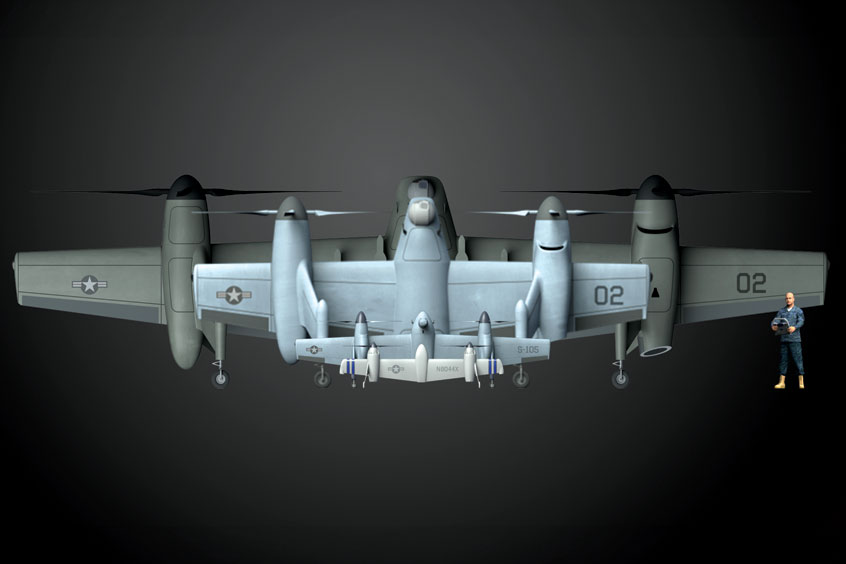
Designed to blend helicopter agility with fixed-wing range, the hybrid-electric Nomad family advances autonomous flight across defence and civilian domains.
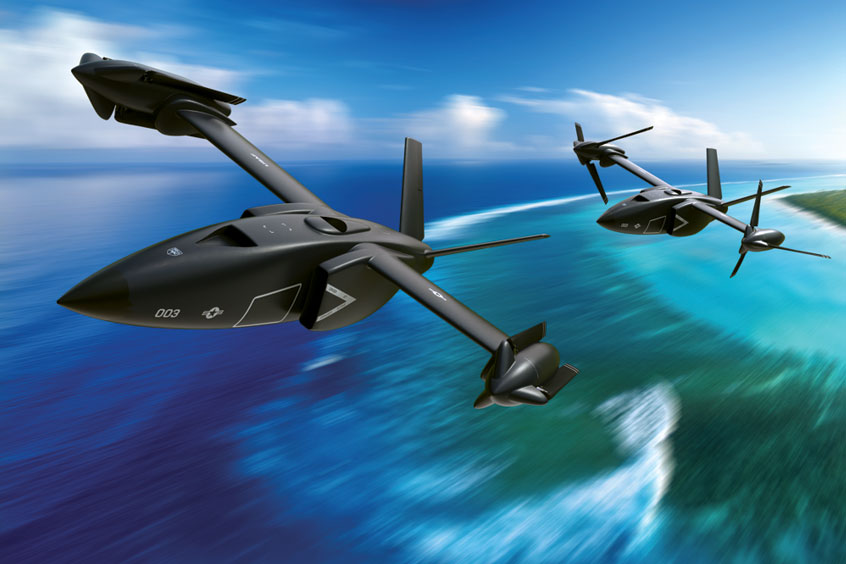
Detailed design and construction has followed conceptual work completed in Phases 1A and 1B under Bell’s decade-long development effort.
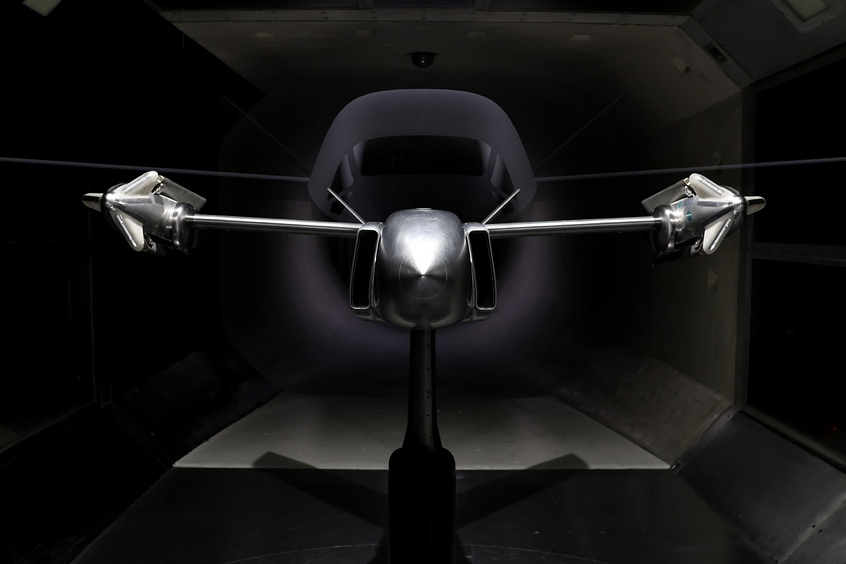
Building upon the previous folding rotor testing, the wind tunnel program validated the stability and control of the aircraft through the rotor fold and unfold sequence in flight.
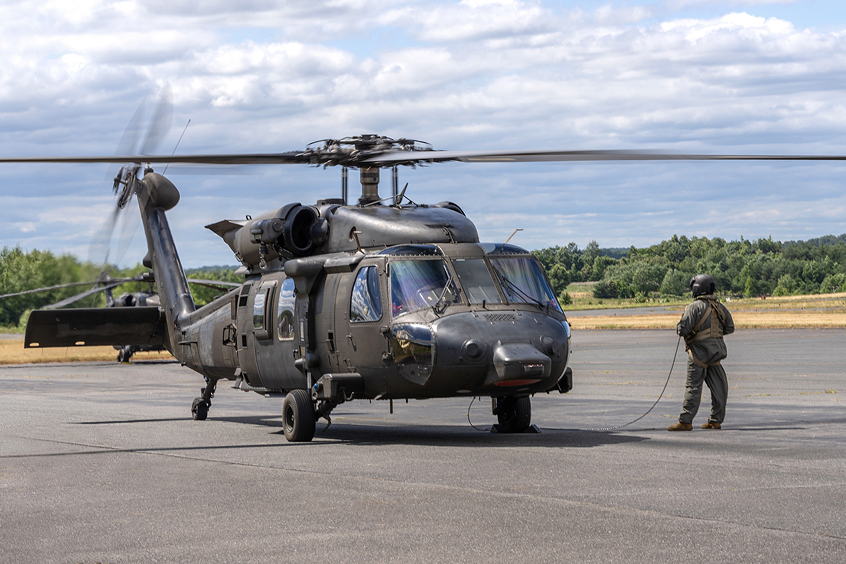
Designated MX, the upgraded aircraft will enable the U.S. Army to test and evaluate a wide range of autonomy capabilities, from single pilot operation to fully uninhabited flight.
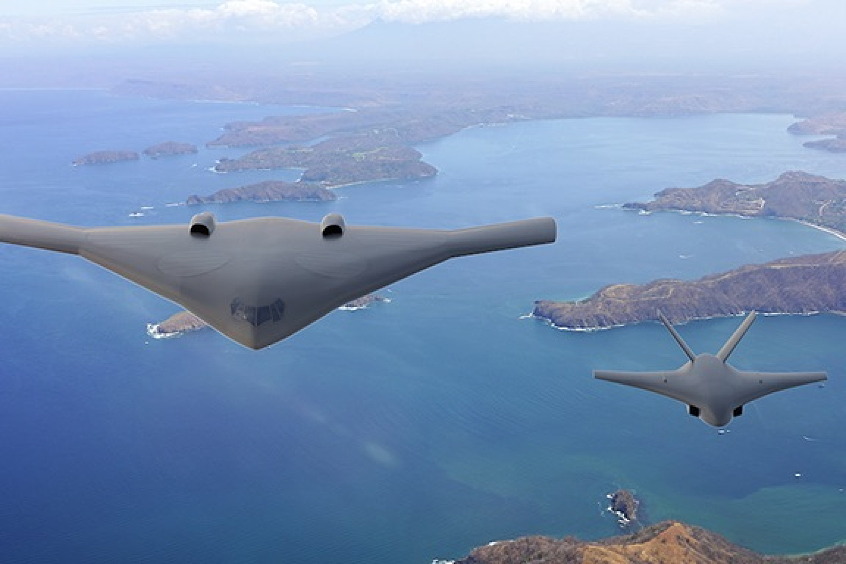
Fan-in-wing technology combines an embedded lift fan with a blended wing body design to enable vertical lift agility without sacrificing the payload capacity and aerodynamic efficiency.
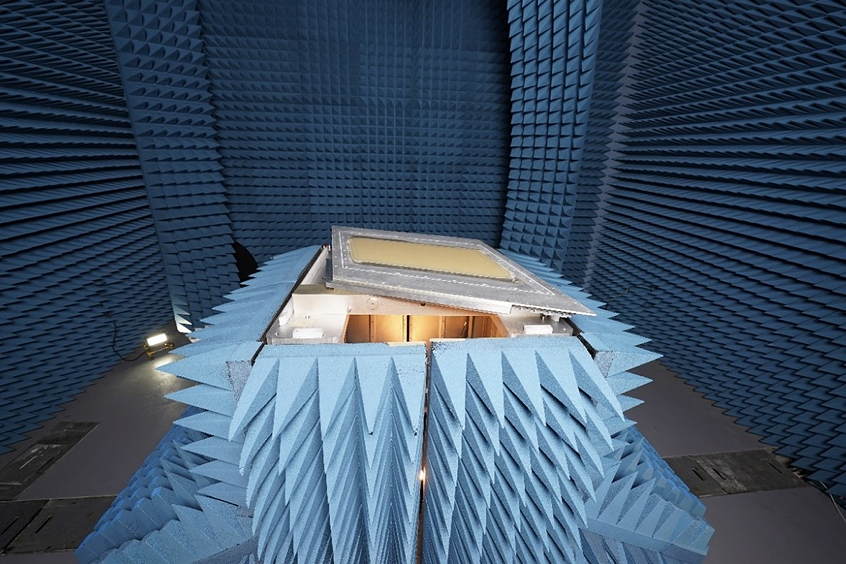
The flights demonstrated the open architecture nature of EMRIS by using third-party integration and operation. New software was rapidly deployed during flights, demonstrating the reconfigurable nature of the sensor.
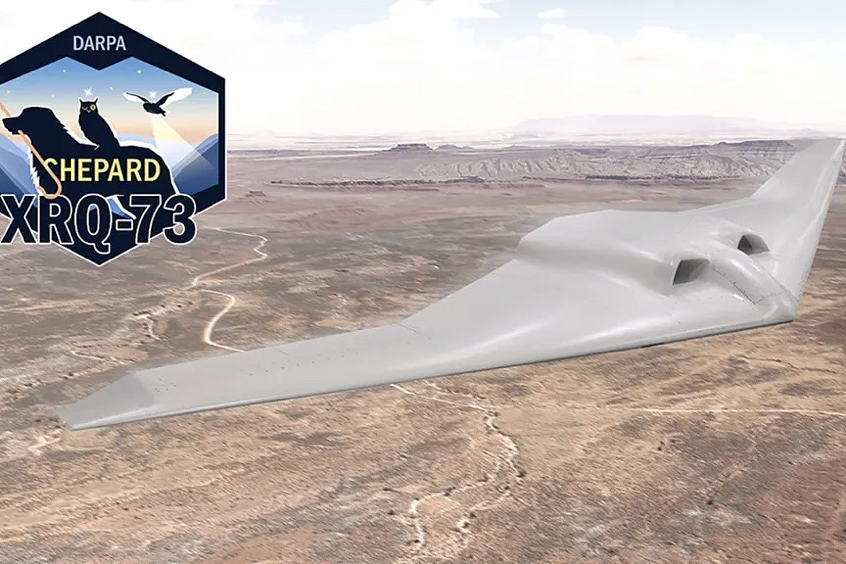
The XRQ-73 aircraft will be a Group 3 UAS weighing approximately 1,250 pounds, which draws on the earlier AFRL/IARPA Great Horned Owl (GHO) project. First flight is expected by year-end 2024.
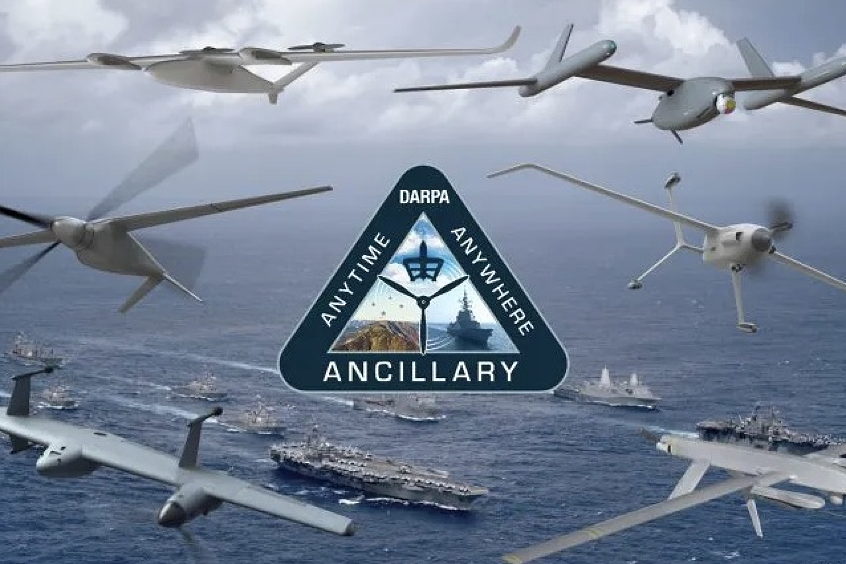
In Phase Ib, six companies - AeroVironment, Griffon Aerospace, Karem Aircraft, Method Aeronautics, Northrop Grumman and Sikorsky - will mature their X-plane designs.
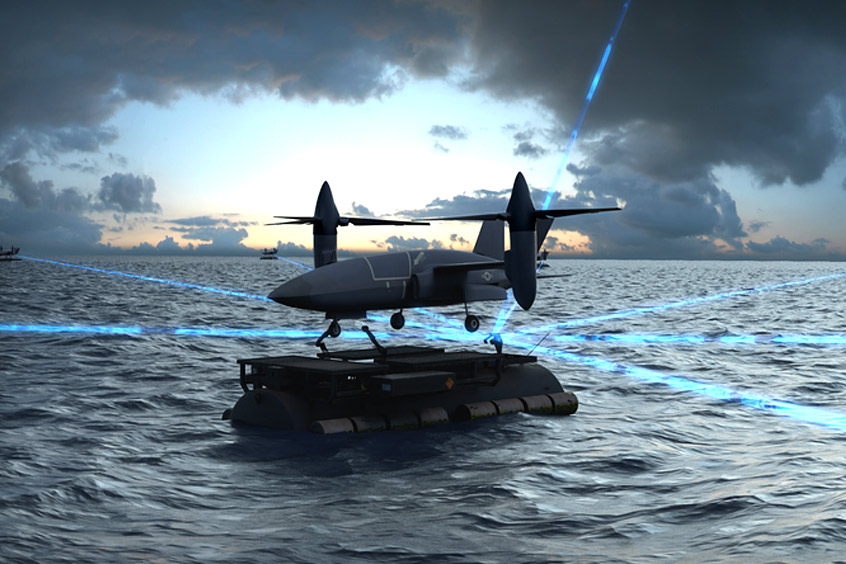
Bell is currently conducting risk reduction testing at Holloman Air Force Base in New Mexico to demonstrate its folding rotor, integrated propulsion, and flight control technologies using a dedicated test article.
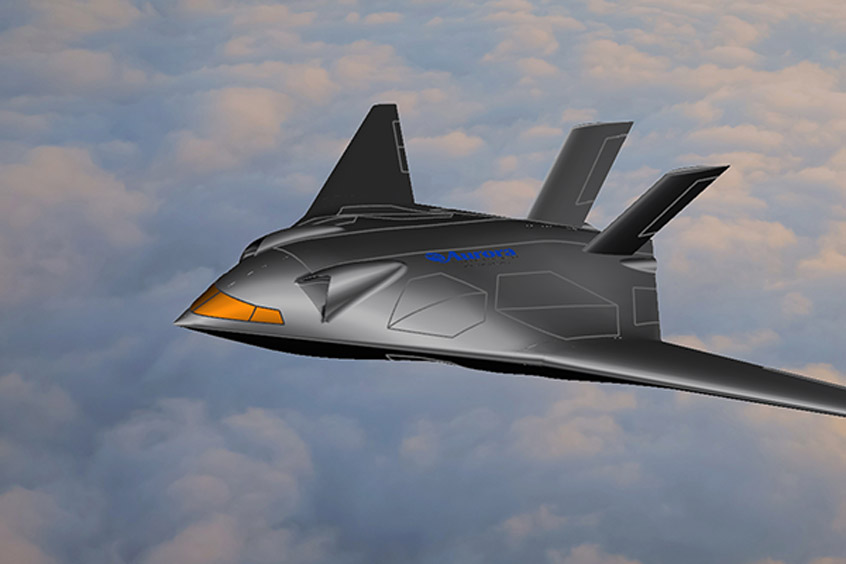
Design work will take place at Aurora Flight Sciences and Boeing facilities across states including Virginia, Massachusetts and Pennsylvania. The program is targeting first flight of the demonstrator within 42 months.
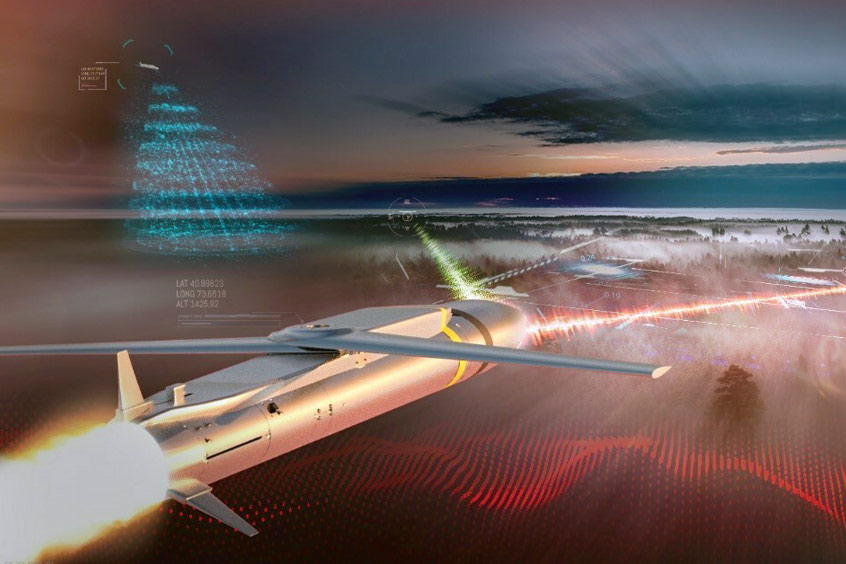
Smaller and more efficient systems will improve size, weight, power and costs to allow for full-spectrum signal processing closer to the edge, or on platforms operating in denied airspace.
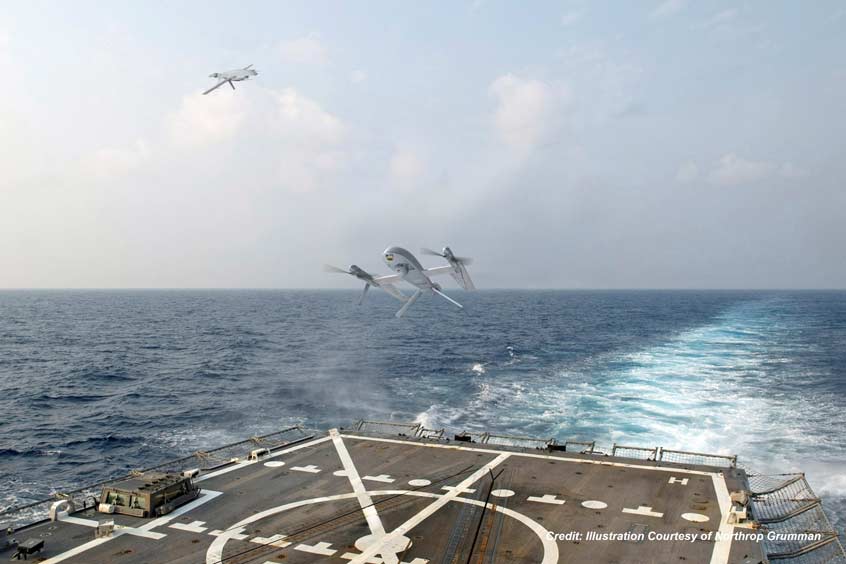
Northrop Grumman has been entrusted with the task to design an autonomous vertical takeoff and landing (VTOL) uncrewed aircraft system capable of operating from a moving Navy ship at sea.
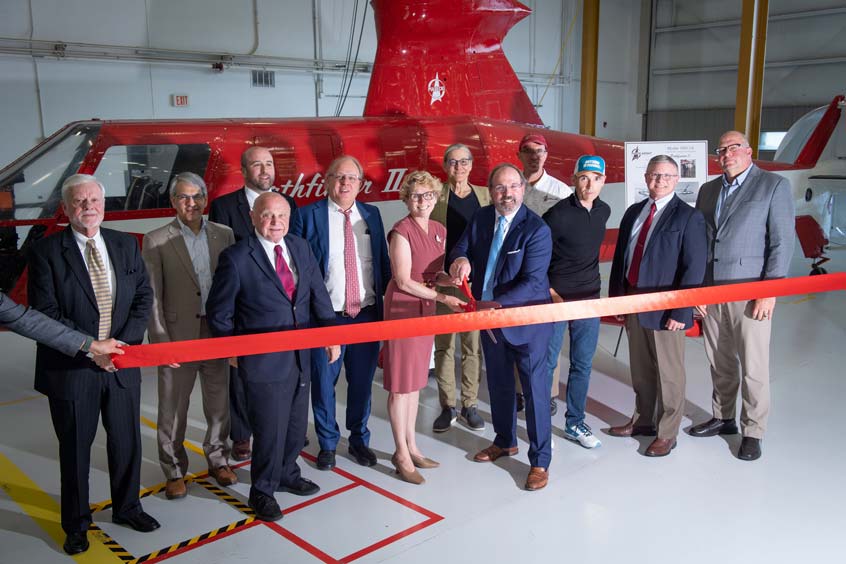
The company will transform the 219,000 square foot state-of-the-art facility into an advanced R&D centre for next-generation VTOL aircraft, Unmanned Aerial Systems and related enabling technologies.
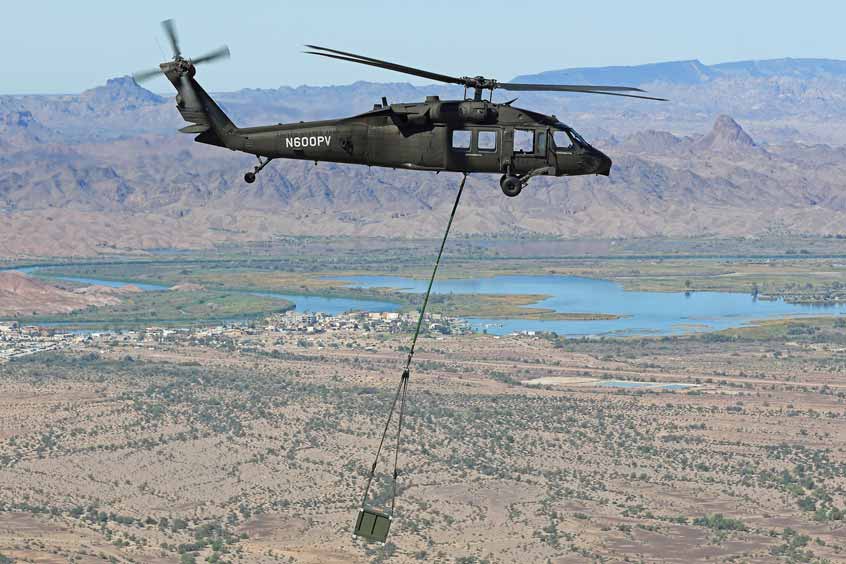
Sikorsky is partnered with DARPA to develop autonomy technology to improve the flight safety and efficiency of rotary and fixed-wing aircraft. Sikorsky's MATRIX technology forms the core of DARPA's ALIAS project.
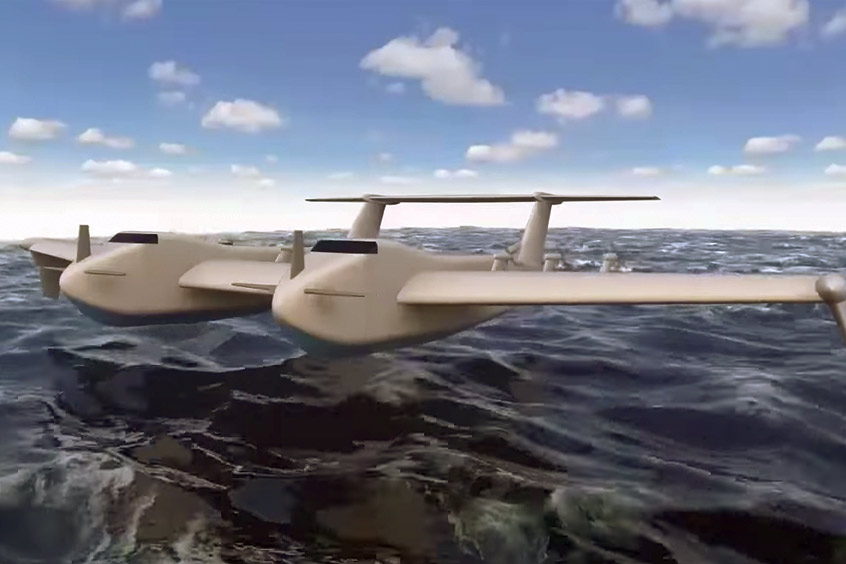
The Liberty Lifter will operate in turbulent seas by creating high-lift abilities at low speeds to reduce wave impact load during takeoff/landing, and innovative design solutions to absorb wave forces.
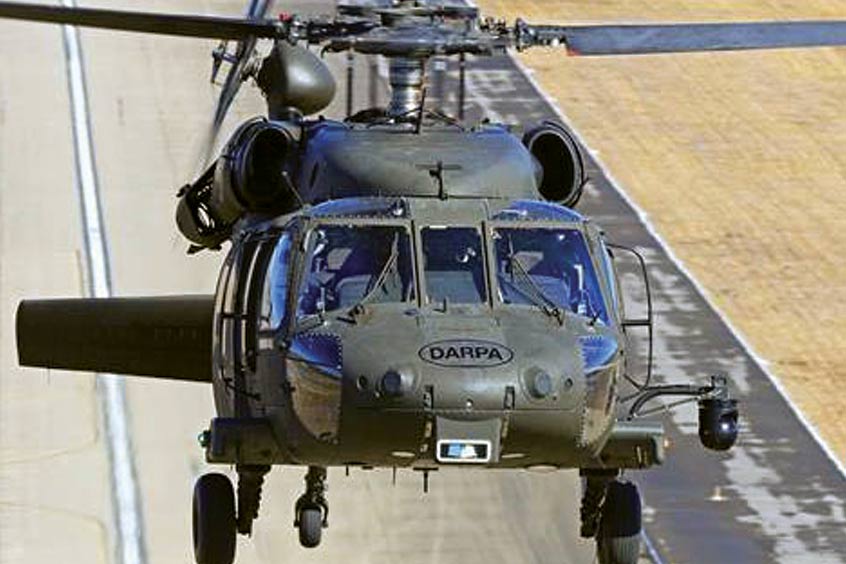
ALIAS is designed for existing manned aircraft, enabling safe reduced crew operations. Adding high levels of automation, it also provides a platform for integrating autonomous capabilities tailored for specific missions.