Gulfstream Aerospace Corp., a wholly owned subsidiary of General Dynamics (NYSE: GD), announced today that it has successfully demonstrated aircraft control using fiber-optic "Fly-By-Light" (FBL) technology. This is the first time FBL has been tested on a primary flight-control surface of a Gulfstream business aircraft.
During a nearly 75-minute flight originating out of Savannah in the Gulfstream GV test aircraft, a fiber-optic harness transferred pilot-control input from a Flight Control Computer (FCC) to spoilers on the wing. The harness, which carries flight-control signals on optical fiber, performs an electrical-optical conversion at each avionics system endpoint, combining multiple signals onto a common optical backbone that spans the aircraft. The electrical-optical conversion uses inline signal concentrators from Defense Photonics Group of South Plainfield, N.J. Each concentrator can condense thousands of dual-path electrical signals into a single optical bus.
FBL technology provides significant weight savings and increased safety over fly-by-wire systems. The system streamlines a bulky wire bundle into just four fiber-optic wires. The fiber-optic harness transmits a redundant signal for enhanced integrity and system safety. The redundancy is inherent to the design of the harness. A fly-by-wire system would require an additional harness to achieve the same level of safety.
"When you consider the benefits Fly-By-Light technology delivers to its users in terms of weight and safety, the system Gulfstream tested was better than expected," said Pres Henne, senior vice president, Programs, Engineering and Test, Gulfstream. "We're pleased with the system's performance and will continue to research its use in future applications."
| Contact details from our directory: | |
| Gulfstream Aerospace Corporation | Airframer |

Weekly news by email:
See the latest Bulletin, and sign up free‑of‑charge for future editions.
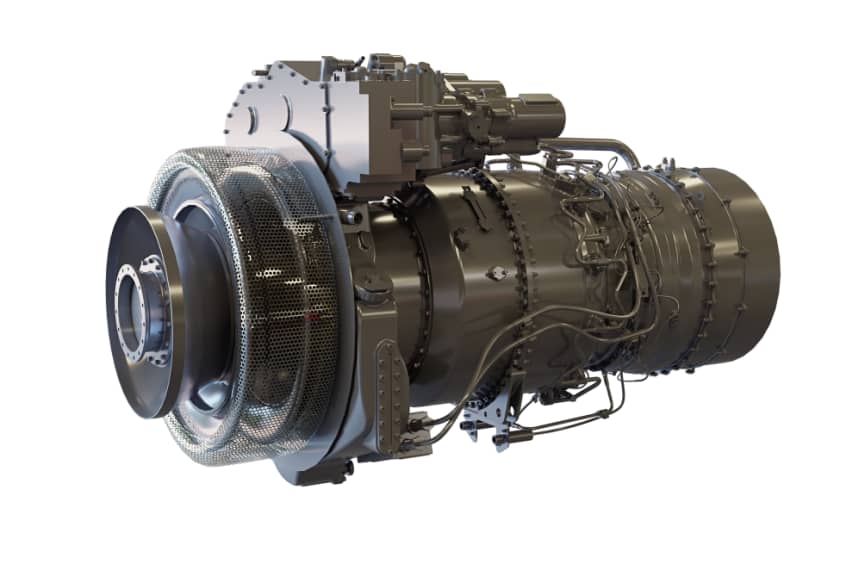
HAL and Safran finalise Aravalli engine deal

JetZero raises $100m as Z4 nears flight test
Bombardier acquires MHI Canada Aerospace assets