PRESS RELEASE
Issued by: ATI Aerospace Technology Institute

Photo:
FlyZero's fleet of development scout aircraft models incorporate zero-carbon emissions technologies. (Photo: ATI)

Photo:
FlyZero's fleet of development scout aircraft models incorporate zero-carbon emissions technologies. (Photo: ATI)

Photo:
FlyZero's fleet of development scout aircraft models incorporate zero-carbon emissions technologies. (Photo: ATI)

Photo:
FlyZero's fleet of development scout aircraft models incorporate zero-carbon emissions technologies. (Photo: ATI)

Photo:
FlyZero's fleet of development scout aircraft models incorporate zero-carbon emissions technologies. (Photo: ATI)
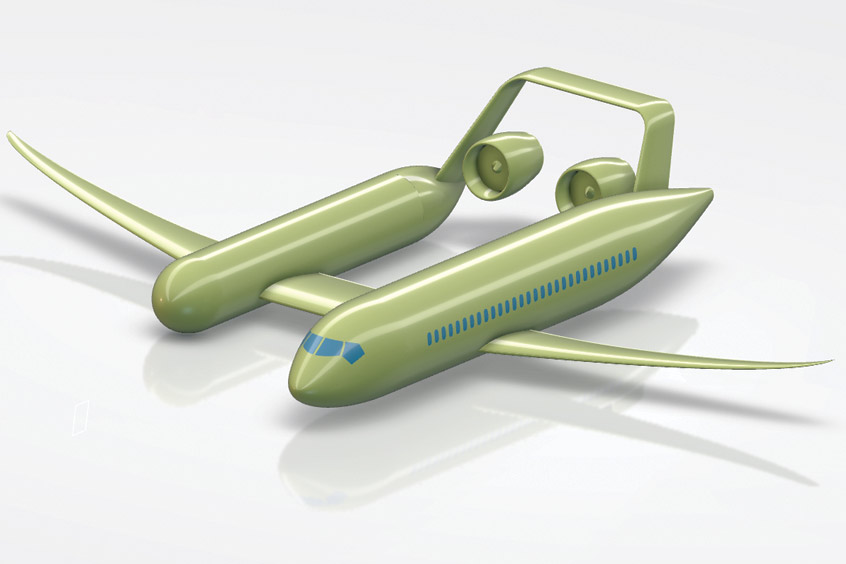
Photo:
FlyZero's fleet of development scout aircraft models incorporate zero-carbon emissions technologies. (Photo: ATI)
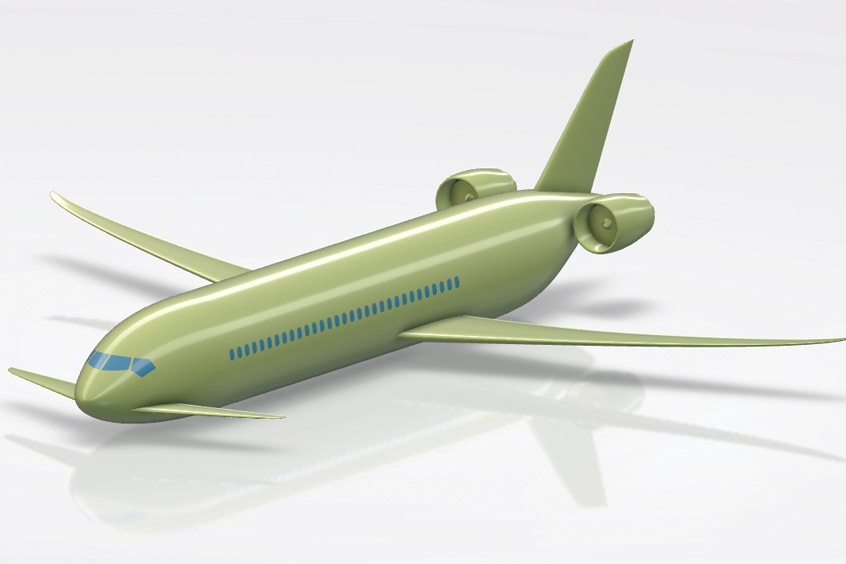
Photo:
FlyZero's fleet of development scout aircraft models incorporate zero-carbon emissions technologies. (Photo: ATI)
The team behind the UK Government-backed project to eliminate carbon emissions from commercial aviation has unveiled a fleet of ground-breaking new aircraft concepts developed as part of the FlyZero study.
By fusing technologies together to create scout aircraft, the FlyZero team has assessed the capability of novel technologies investigating how each scout aircraft meets requirements such as payload, range, speed, materials, economics, operations and non-CO2 emissions.
The scouts unveiled represent a wide range of innovative aircraft configurations each incorporating zero-carbon emissions technologies with the potential to propel the next generation of aircraft into our skies. Technologies being investigated by the FlyZero team include, tanks, cryogenic systems, hydrogen fuel cells, hydrogen combustion turbines, battery electric, thermal and fluid management and aerodynamic structures including dry wing, joined wing and blended wing body.
Project Director Chris Gear said: "Our fleet of development scout aircraft represent the wide ranging and innovative approach we've taken to assess the options for delivering FlyZero's aim of zero-carbon emission commercial aviation.
"Although these scouts will remain as concepts they have galvanised the ideas put forward by the experts from across UK aerospace working on FlyZero and offer a glimpse of the technologies we could see from the airplane window in future."
Business Minister Lee Rowley said: "These exciting concept designs gives us a window seat with a possible view into the future of zero-carbon flight.
"FlyZero is showing what can be achieved through our brilliant UK aerospace sector and by deploying the innovation and knowledge which they are so famous for. It is this combination of ambition and cutting-edge technology which will keep us moving towards net zero by 2050."
FlyZero has also assessed the zero-carbon emission energy sources including battery, hydrogen and ammonia. The project has identified liquid hydrogen as having the highest potential to power the next generation of commercial aircraft owing to its very high power to weight ratio and zero-carbon emission credentials.
In the first output document published, Primary Energy Source Comparison and Selection, FlyZero calculates hydrogen to have approximately three times the available energy content per kg of fuel carried on board an aircraft compared to kerosene, approximately six times that of ammonia and approximately sixty times that compared to a battery.
Project Director Chris Gear said: "Our analysis shows liquid hydrogen has massive potential in terms of energy density as a primary fuel source for commercial aviation. This reconfirms there is real value in overcoming the challenges around storing and utilising cryogenic hydrogen on board an aircraft which also presents an opportunity for the UK aerospace sector to secure a share of this market.
"It's also essential to develop battery capability at pace and investigate hybrid options incorporating fuel-cells, batteries and electric motors as this has the potential to decarbonise regional and sub-regional air travel while batteries will continue to play a crucial part in providing auxiliary power."
FlyZero is also investigating the production and distribution of hydrogen at scale which would be required to replace conventional aviation fuel at airports in the UK and overseas with findings set to be included in the end of project reports.
The full Primary Energy Source Comparison and Selection is available to download on the ATI website.
| Contact details from our directory: | |
| ATI Aerospace Technology Institute | Airframer, Research/Consulting Services, Technical/Eng/Scientific Studies |
| Related directory sectors: |
| Technical Consultants |
| Design |

Weekly news by email:
See the latest Bulletin, and sign up free‑of‑charge for future editions.
HAL and Safran finalise Aravalli engine deal

JetZero raises $100m as Z4 nears flight test
Bombardier acquires MHI Canada Aerospace assets