Photo: GA-ATS
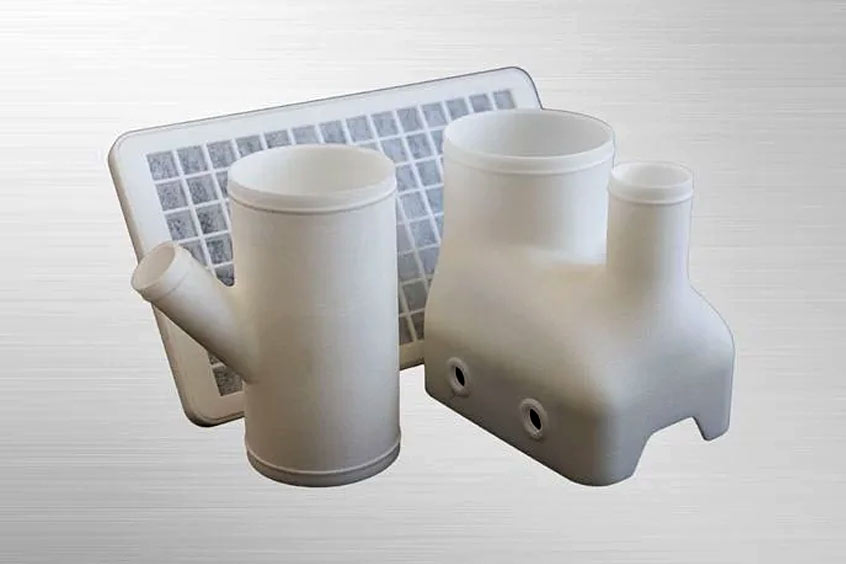
For the ongoing series production of the Do228 NXT multi-role aircraft we are integrating state-of-the-art manufacturing processes like sinter-based 3D printing. It is used in the production of the turboprop aircraft's air distribution system. A wide variety of components are 3D printed.
We intentionally chose these manufacturing process because it offers many key advantages for our supply chain and our new aircraft:
- Cost efficiency: It makes small series production economically viable, while production, tooling and storage costs are reduced. At the same time material waste is minimized.
- Faster development cycles: Parts and prototypes can be quickly printed, tested and optimized – significantly shortening development times. This will bring our much anticipated Do228 NXT to market faster and make it available to customers around the world.
- Certified materials: The materials used in our 3D printing process meet strict aviation and fire protection standards, ensuring lightweight, durable and reliable components.
- Flexibility: Complex geometries, integration of multiple functions into one part and tailor-made solutions are now possible – making production more adaptable and efficient.
With sinter-based 3D printing, the Do228 takes another step into the future of aviation technology: faster, more flexible and more sustainable.
A special thank you to our supplier The Aviation AM Centre GmbH for their excellent cooperation and for contributing their extensive expertise in sinter-based 3D printing to our project.
| Contact details from our directory: | |
| General Atomics AeroTec Systems GmbH (GA-ATS) | Airframer |
| Related aircraft programs: |
| Dornier 228 |

Weekly news by email:
See the latest Bulletin, and sign up free‑of‑charge for future editions.
CubCrafters secures EASA approval for 215 HP XCub
Airbus expands Belfast wing plant ahead of A220 production increase
GKN displays UAV demonstrator and engine