Aurora, one of the world’s first exascale supercomputers, is being used at Argonne National Laboratory to run large-scale simulations aimed at improving aircraft efficiency. The University of Colorado Boulder team is using Aurora’s vast processing power to study airflow around commercial aircraft and improve tail design.
Standard vertical tails are sized to handle rare worst-case scenarios, like crosswind takeoffs with one engine out. Most of the time, this results in more drag and fuel use than needed. Riccardo Balin, assistant computational scientist at ALCF, says: “The vertical tail on any standard plane is as large as it is precisely because it needs to be able to work effectively in such a situation. The rest of the time, however, that vertical tail is larger than would be necessary, thus adding unnecessary drag and fuel consumption.”
The team is using Aurora, which can perform over a quintillion calculations per second, to run fluid dynamics simulations with HONEE and generate data for machine-learning-based subgrid stress models. Their method also uses online learning during simulation, removing the need for massive datasets and long analysis times.
| Contact details from our directory: |

Weekly news by email:
See the latest Bulletin, and sign up free‑of‑charge for future editions.
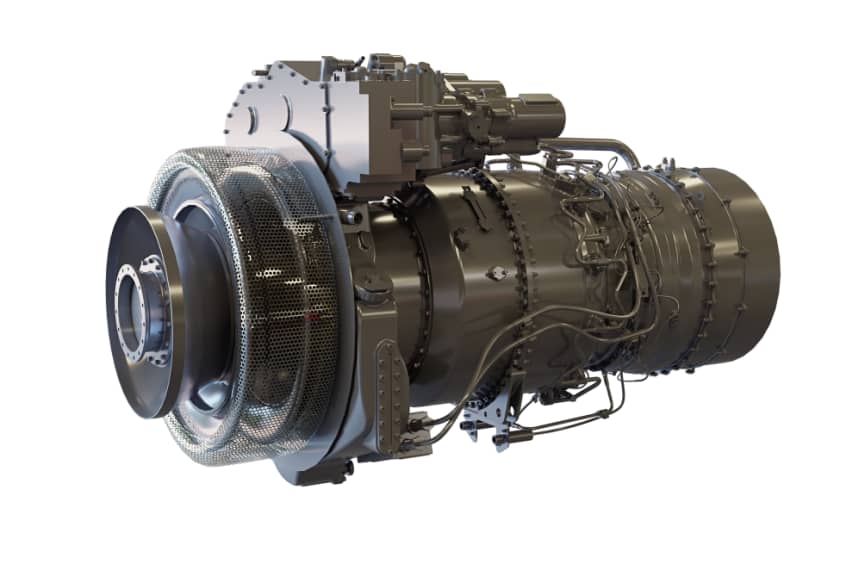
HAL and Safran finalise Aravalli engine deal
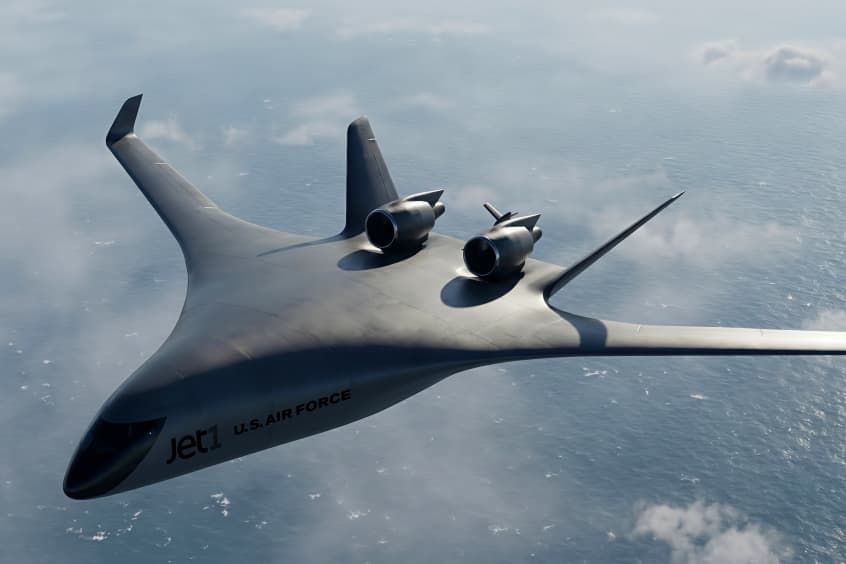
JetZero raises $100m as Z4 nears flight test
Bombardier acquires MHI Canada Aerospace assets