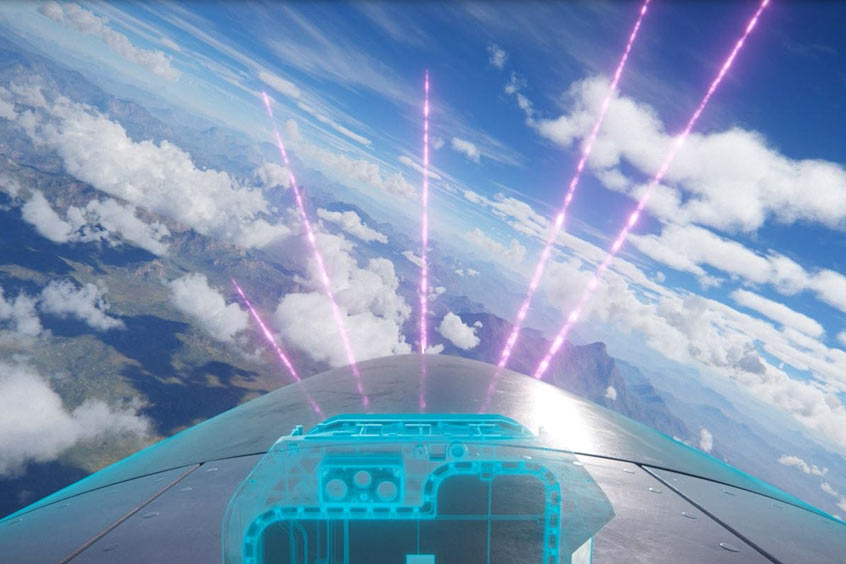
Photo: RTX
Thousands of transmit and receive modules enable rapid switching for higher reliability.
Raytheon developed the APG-82(V)X, the latest variant of its combat-proven APG-82 radar, incorporating gallium nitride (GaN) technology to extend range and enhance performance across air-to-air, air-to-ground and electronic warfare missions.
The radar enables faster detection, tracking and engagement with multi-function fire control and electronic warfare modes. As an advanced active electronically scanned array it uses thousands of transmit and receive modules, allowing rapid switching between functions and providing improved reliability and more precise targeting against cruise missiles, drones and modern fighter aircraft.
“The enhanced capability of this next-generation radar enables aircrew to detect and engage threats at longer ranges than ever before, providing a crucial first-look, first-shoot advantage,” says Dan Theisen, president of Advanced Products and Solutions at Raytheon. “As the threat environment evolves, this new radar will ensure faster decision making and superior situational awareness in contested environments.”
GaN technology increases range without requiring additional power. The radar is built to open architecture standards and incorporates improved processor speed, offering significantly expanded capability for current and future aircraft. Development began in El Segundo, California and production will use mature lines in Forest, Mississippi.
| Contact details from our directory: | |
| Raytheon Technologies Corporation (Corporate Headquarters) | |
| Raytheon Intelligence & Space (RIS) | Airborne Reconnaissance Infrared, GPS, IFF Interrogators, Infrared Target Designators, Laser Targeting Systems, Radio Communications Equipment, Reconnaissance Radar, Surveillance/Air Defense Radar, Weapons Countermeasures |
| Related directory sectors: |
| Weapons Systems |

Weekly news by email:
See the latest Bulletin, and sign up free‑of‑charge for future editions.
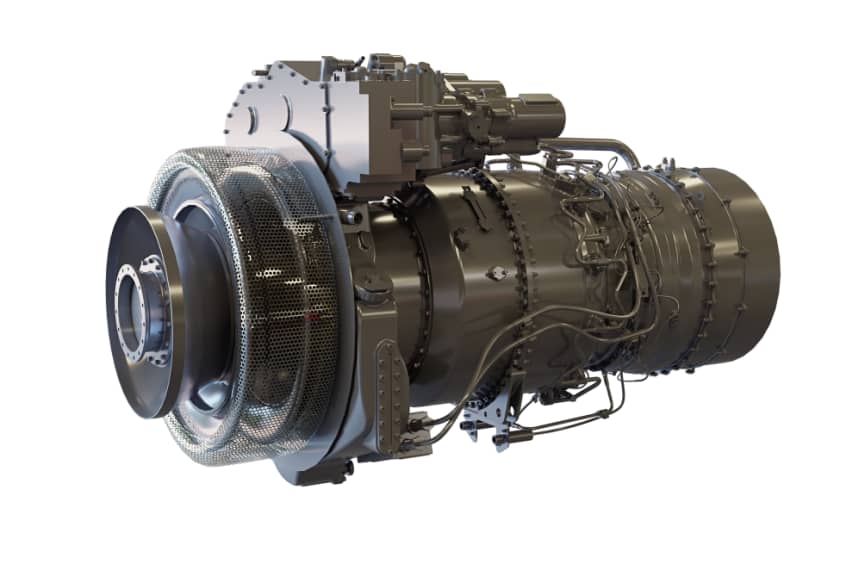
HAL and Safran finalise Aravalli engine deal

JetZero raises $100m as Z4 nears flight test
Bombardier acquires MHI Canada Aerospace assets