
Airframer news
20/08/2026
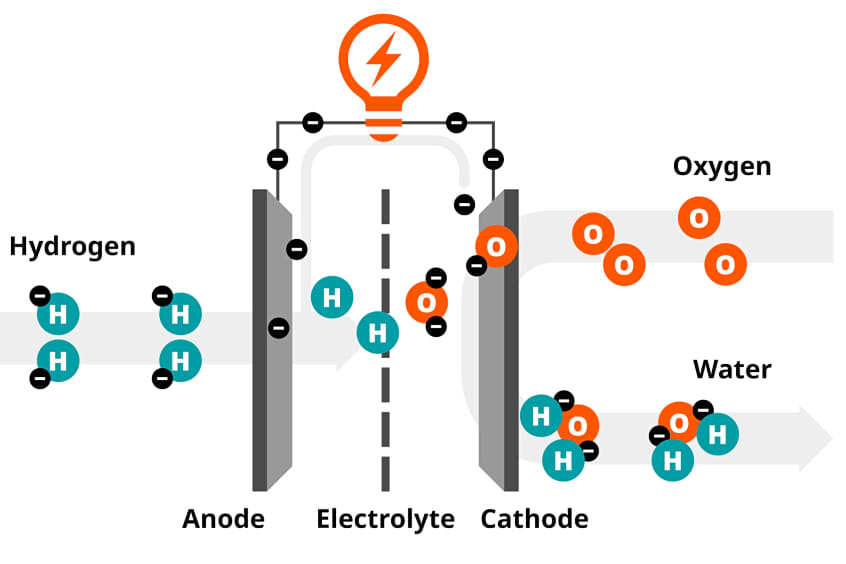
The aircraft is powered by a 100-kilowatt fuel cell system, in which hydrogen and oxygen react across a membrane to generate electricity and heat, with water as the only by-product.
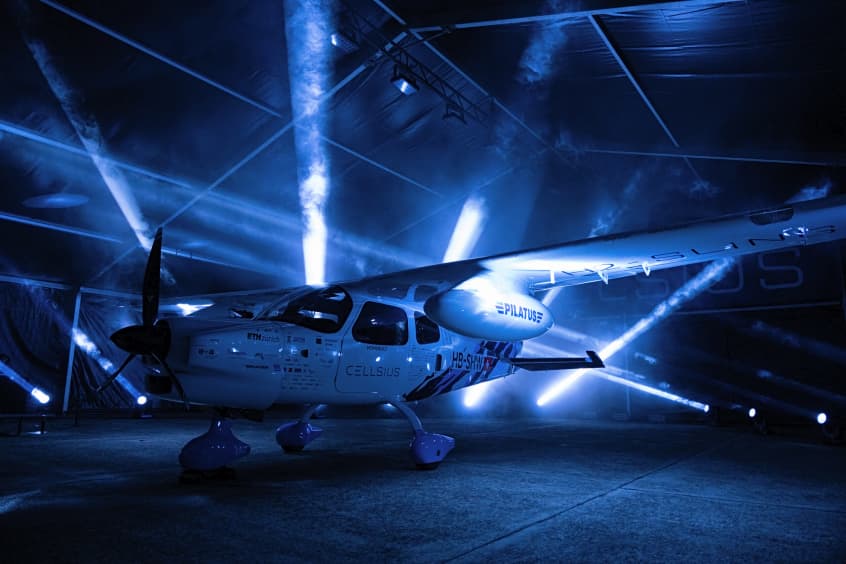
ETH Zurich students working under the non-profit Cellsius association have built the H2-Sling, described as Switzerland's first hydrogen-powered aircraft, and are awaiting the go-ahead from the Federal Office of Civil Aviation ahead of a first test flight. The ultimate goal is a flight over the Alps.
The aircraft is powered by a 100-kilowatt fuel cell system, in which hydrogen and oxygen react across a membrane to generate electricity and heat, with water as the only by-product. Hydrogen is stored in two tanks beneath the wings, each holding 2.6 kilograms, giving the aircraft a range of around 200 kilometres, roughly two hours of flight time. To keep the fuel cell's chemical reaction stable, more hydrogen is supplied than is consumed. The surplus is returned from the anode outlet to the inlet by a MINK MH recirculation blower, donated to ETH Zurich by Busch Vacuum Solutions. Two claw-shaped rotors draw in, compress and feed the unreacted hydrogen back into the system, where it mixes with fresh gas from the tank, reducing overall fuel consumption.
“Busch is one of the few suppliers offering solutions for hydrogen fuel cells. We have already had very good experiences with the smaller version of the MINK MH, which we installed in a test circuit,” says Andres Neff, technical lead of the H2-Sling project. “Everything worked perfectly in the test system, and the blower is very user-friendly. We were therefore very happy that we could use the larger blower version for our project.”
The project follows the rollout and first public presentation of the H2-Sling in October 2025. Cellsius, founded in 2022, gives ETH Zurich students the chance to apply final-year engineering study to a working aircraft. The work comes as the German Aerospace Center recorded more than 36 million flights in 2024, with aviation responsible for around 2.1% of global CO2 emissions. A report from the German Bundestag's Office of Technology Assessment identifies sustainable fuels as the most pressing area for short-term innovation, though it notes that storing hydrogen on board remains difficult, requiring insulated tanks kept at minus 253 degrees Celsius.
Where we hold a LinkedIn profile it’s marked — the links come with a subscription.
The week’s aerospace manufacturing news, reported by our editors and delivered free to your inbox. Sign up ›
Subscribers see the confirmed supply chain behind every story — complete supplier lists for each aircraft program, sector and company. See the plans ›
Corrections go straight to the editorial team that maintains this directory.