
Every Bulletin story and press release covering Bell Helicopter Textron, newest first.
43 items
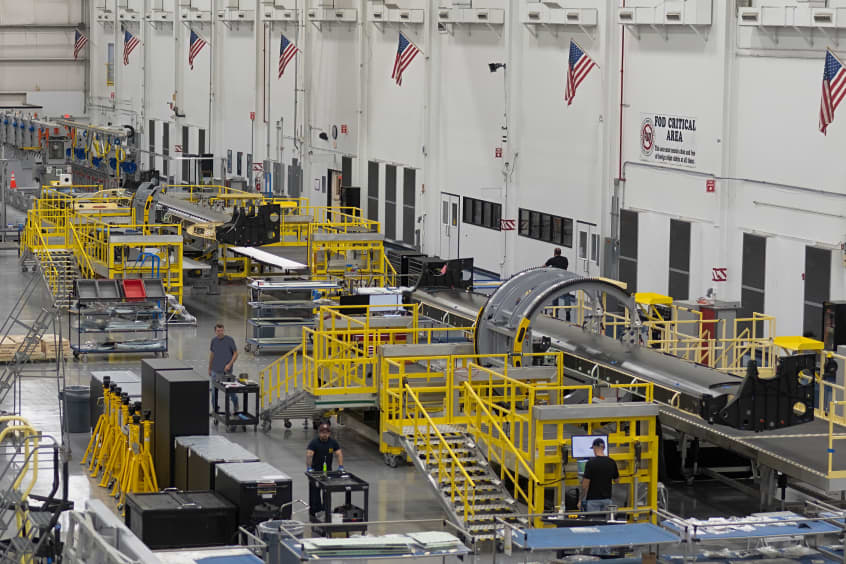
The next step of the build assembly involves mating the wing structures with the fuselage, currently being assembled at the Wichita Assembly Center, and the Nacelle, which is also progressing through assembly.
South Korea’s future utility helicopter requirement has focused attention on tiltrotor speed, interoperability and industrial cooperation opportunities.
The planned separation will create a more focused aerospace and defence group while giving Industrial its own growth path.
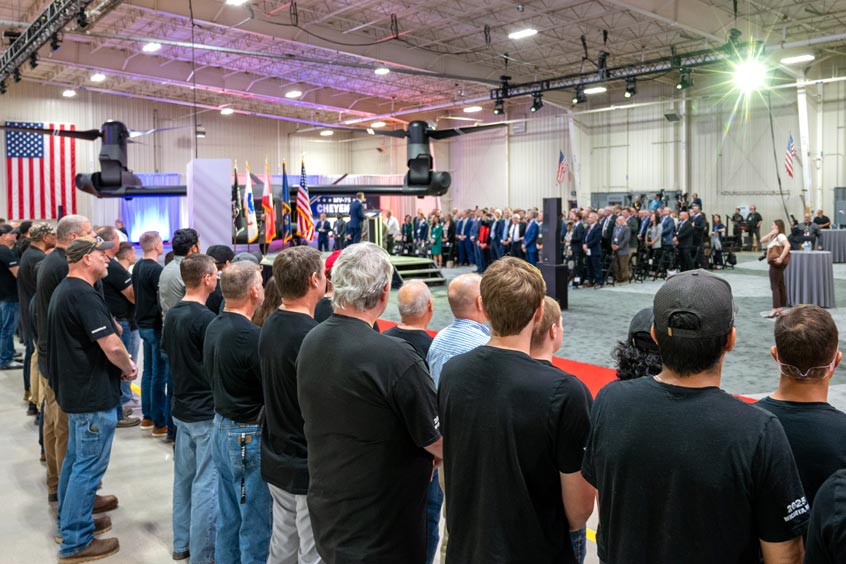
The facility will manufacture fuselages for the US Army’s FLRAA as part of an accelerated programme aimed at delivering a faster, longer-range aircraft.
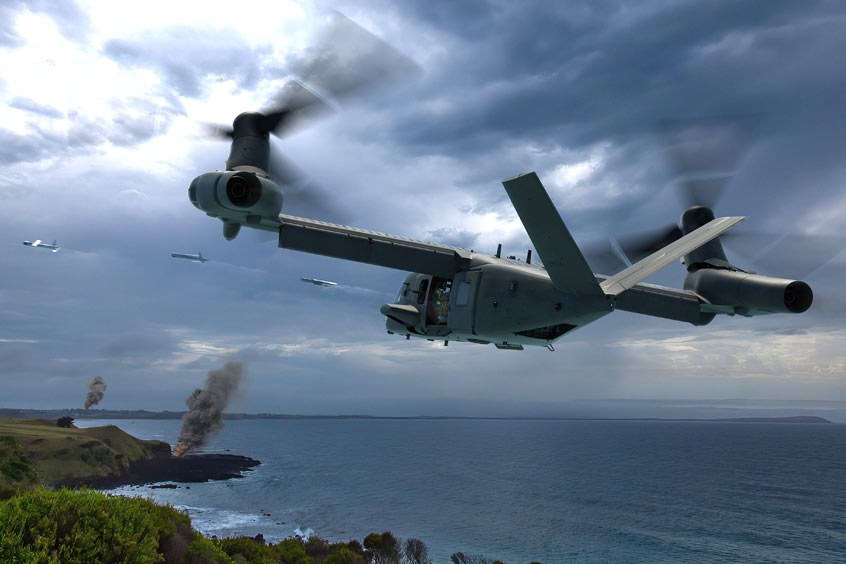
The aircraft's long-range assault capability is expected to reshape how forces are deployed in contested environments, enabling faster response across further operational distances.

Work across multiple US sites will support delivery of key onboard systems for the Army’s first clean sheet rotorcraft in decades.
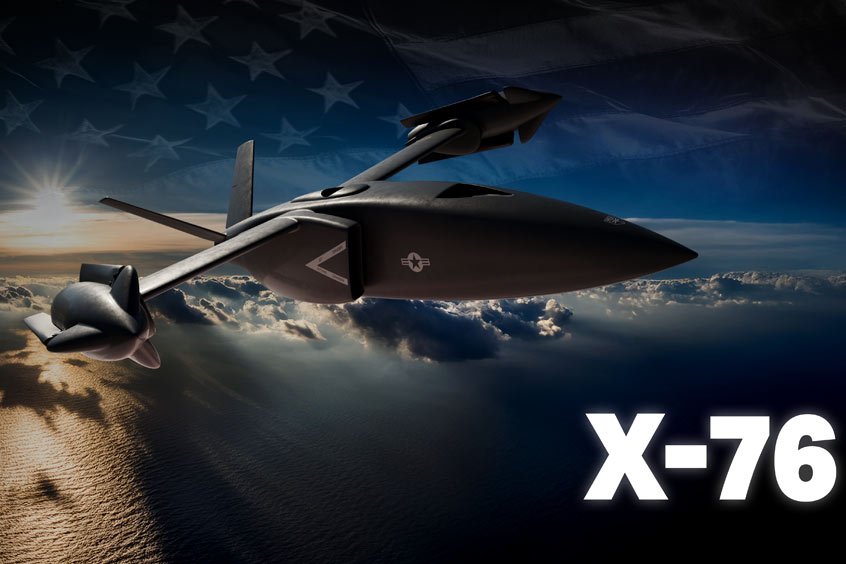
Completion of the critical design review allows Bell to begin building the high-speed demonstrator designed for jet-like cruise.
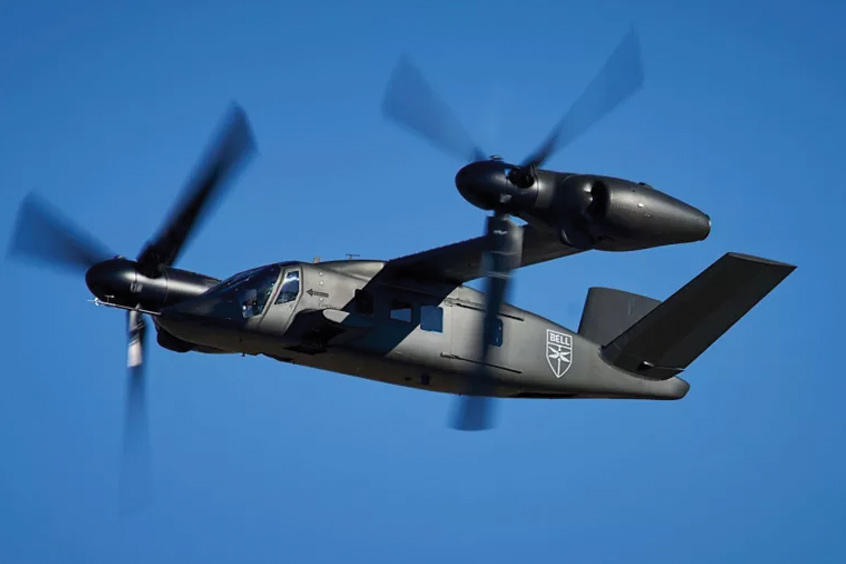
The system strengthens Honeywell’s contribution to the U.S. Army programme alongside its previously selected thermal management and power solutions.
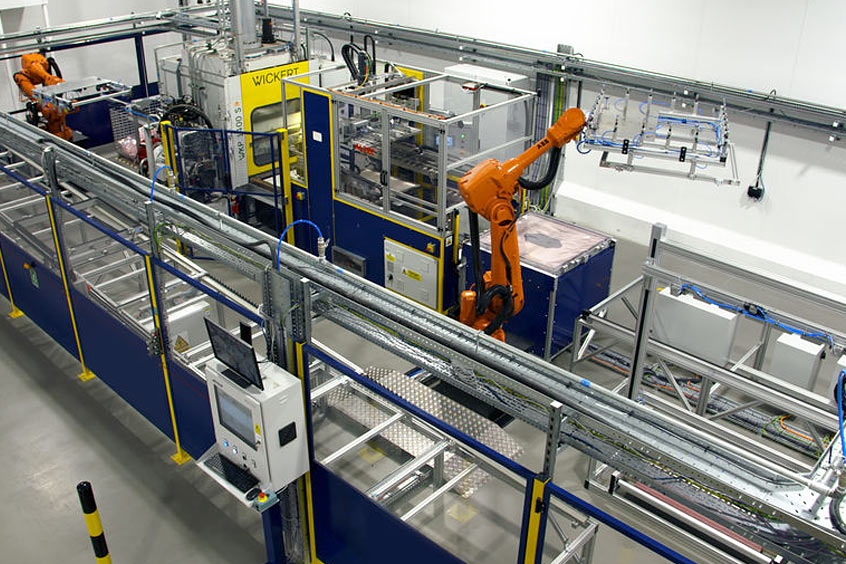
Bell has adopted Syensqo’s double diaphragm forming process to boost its aerospace composite part production efficiency, cut waste and reduce environmental impact.
Encrypted cockpit voice and flight data recorders have been developed for Bell’s MV-75 FLRAA aircraft under Curtiss-Wright’s Defence Electronics segment.
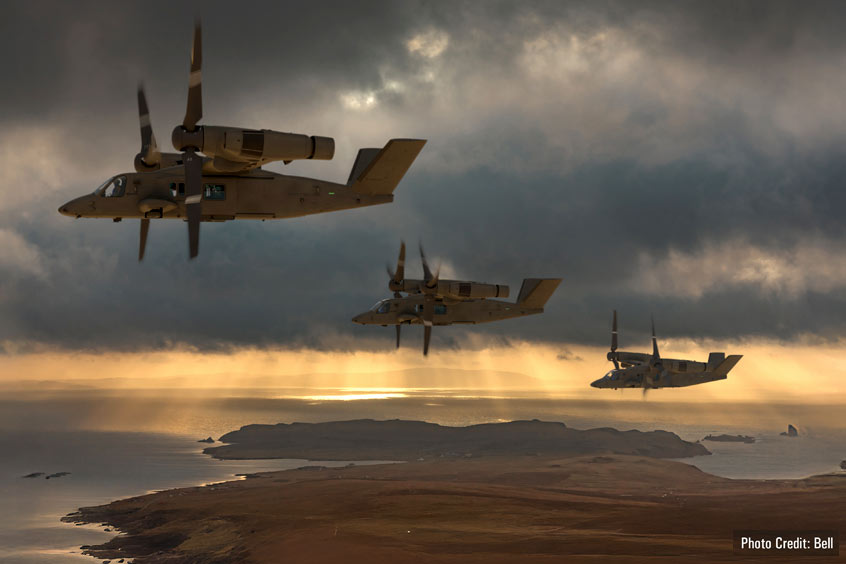
Marotta Controls had been chosen by Bell Textron to supply a static inverter for the MV-75 FLRAA, marking its entry into DC-to-AC technology.

Detailed design and construction has followed conceptual work completed in Phases 1A and 1B under Bell’s decade-long development effort.
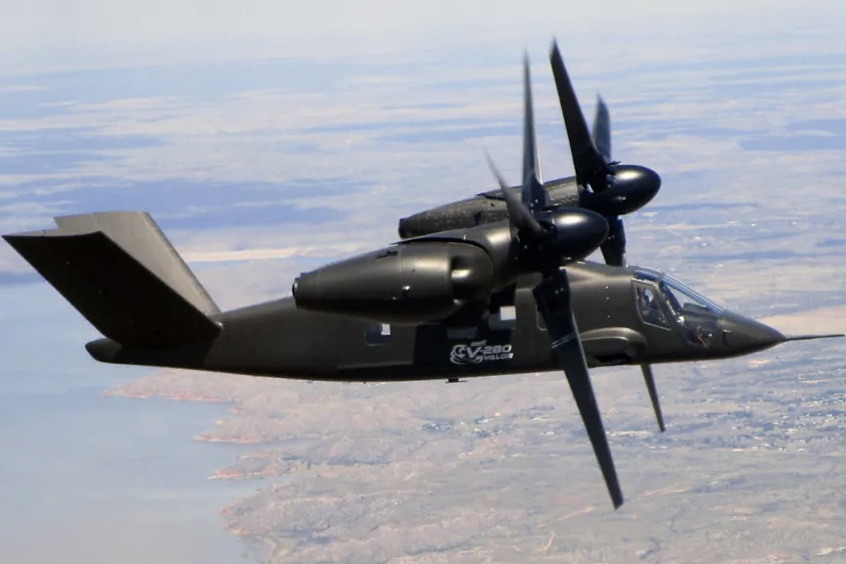
Bell Textron chose the 36-150 APU and Attune thermal system to support the Army’s long-range future assault aircraft programme.

The company's hybrid configuration showed reliable CTOL performance during its latest crewed flight while pre-certification data gathering continues.
The Manufacturing Innovation Center at Wichita State opened with live demos and speeches from leaders at Bell Textron and DELMIA.
SupremEX material was sourced to reduce weight while maintaining strength and reliability for long-range tiltrotor aircraft operation.
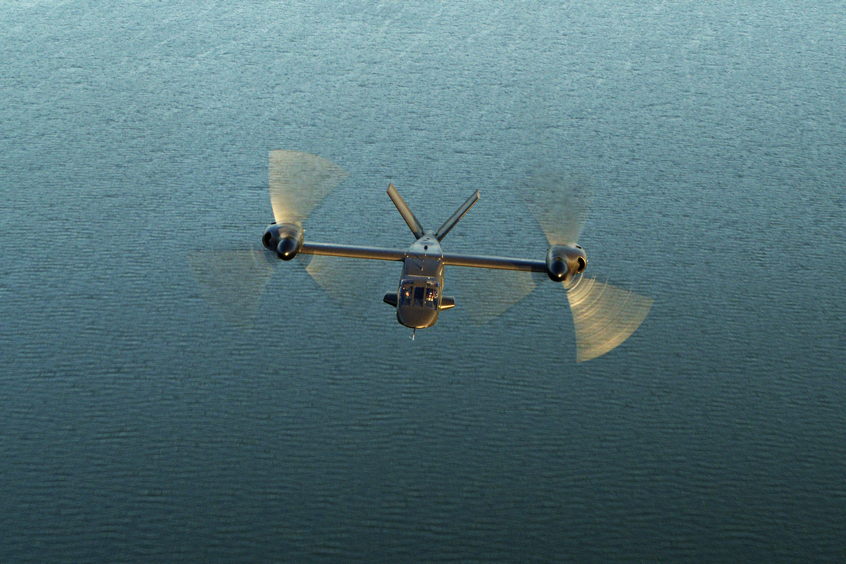
The FLRAA programme has moved into its next phase as the US Army approved Milestone B for engineering and manufacturing development under Bell's lead.
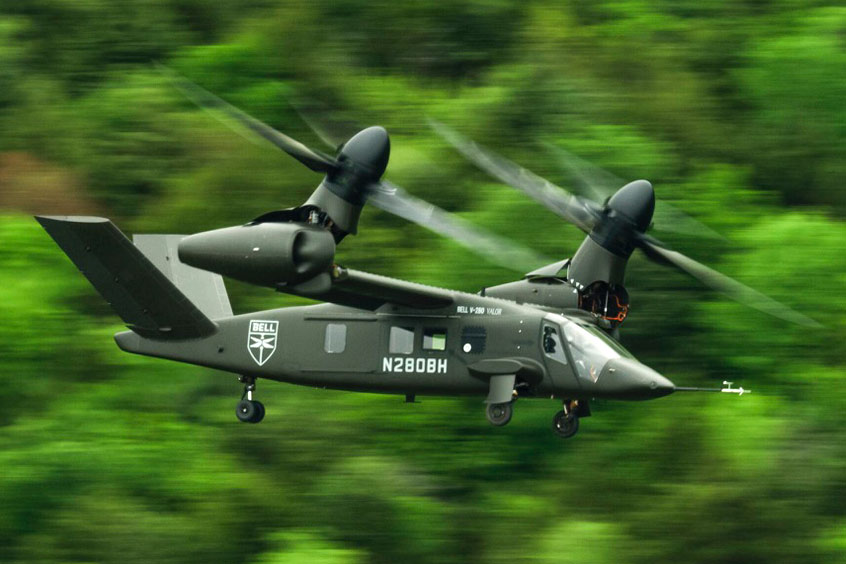
The company will supply onboard and ground testing solutions for six aircraft developed by Bell for the Army’s modernisation effort.
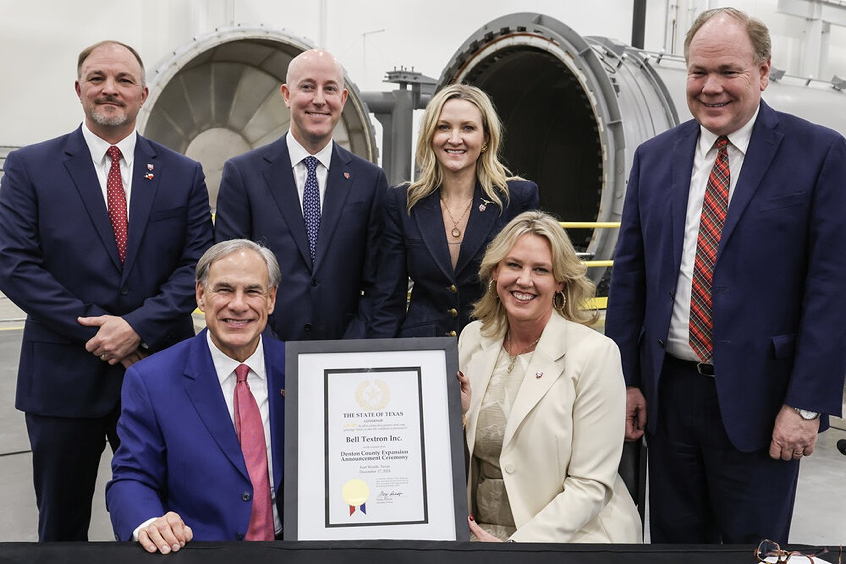
Bell is committed to establishing future manufacturing locations to deliver the first fielded aircraft by the early 2030s and do its part to revolutionise U.S. Army aviation.
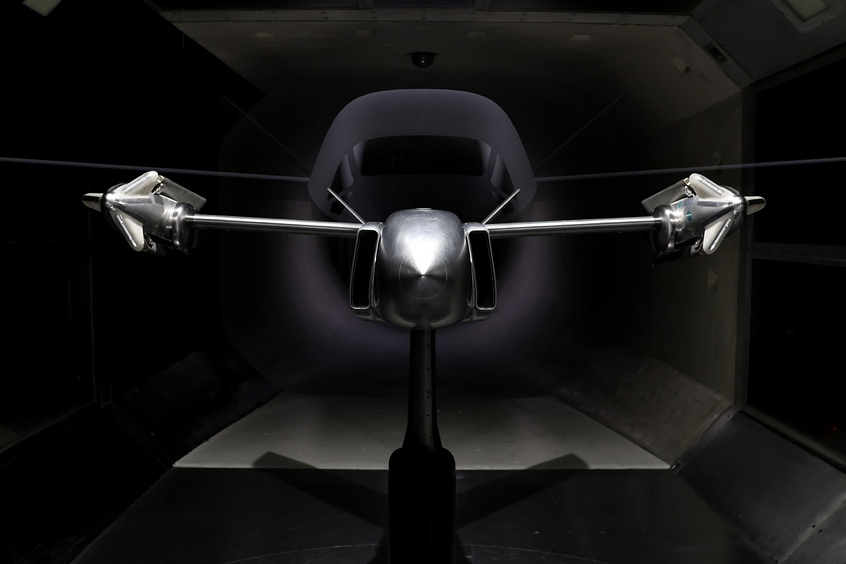
Building upon the previous folding rotor testing, the wind tunnel program validated the stability and control of the aircraft through the rotor fold and unfold sequence in flight.
Supporting work will take place at several of Bell’s advanced manufacturing facilities in Texas, including Bell’s Advanced Composite Center in Fort Worth, and final assembly of the aircraft will occur in Amarillo.
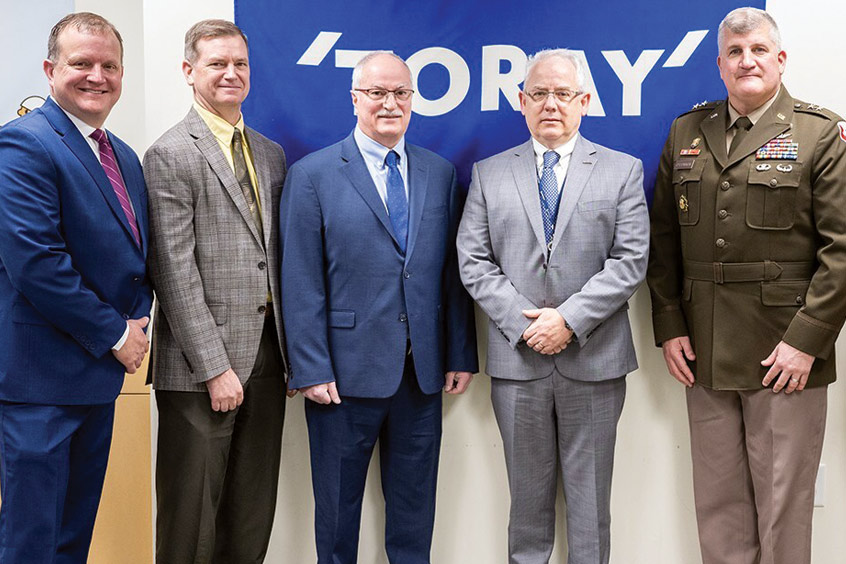
The upgrade doubles the production capacity of the TORAYCA T1100 carbon fibre, a component in the U.S. Army's Future Long Range Assault Aircraft.
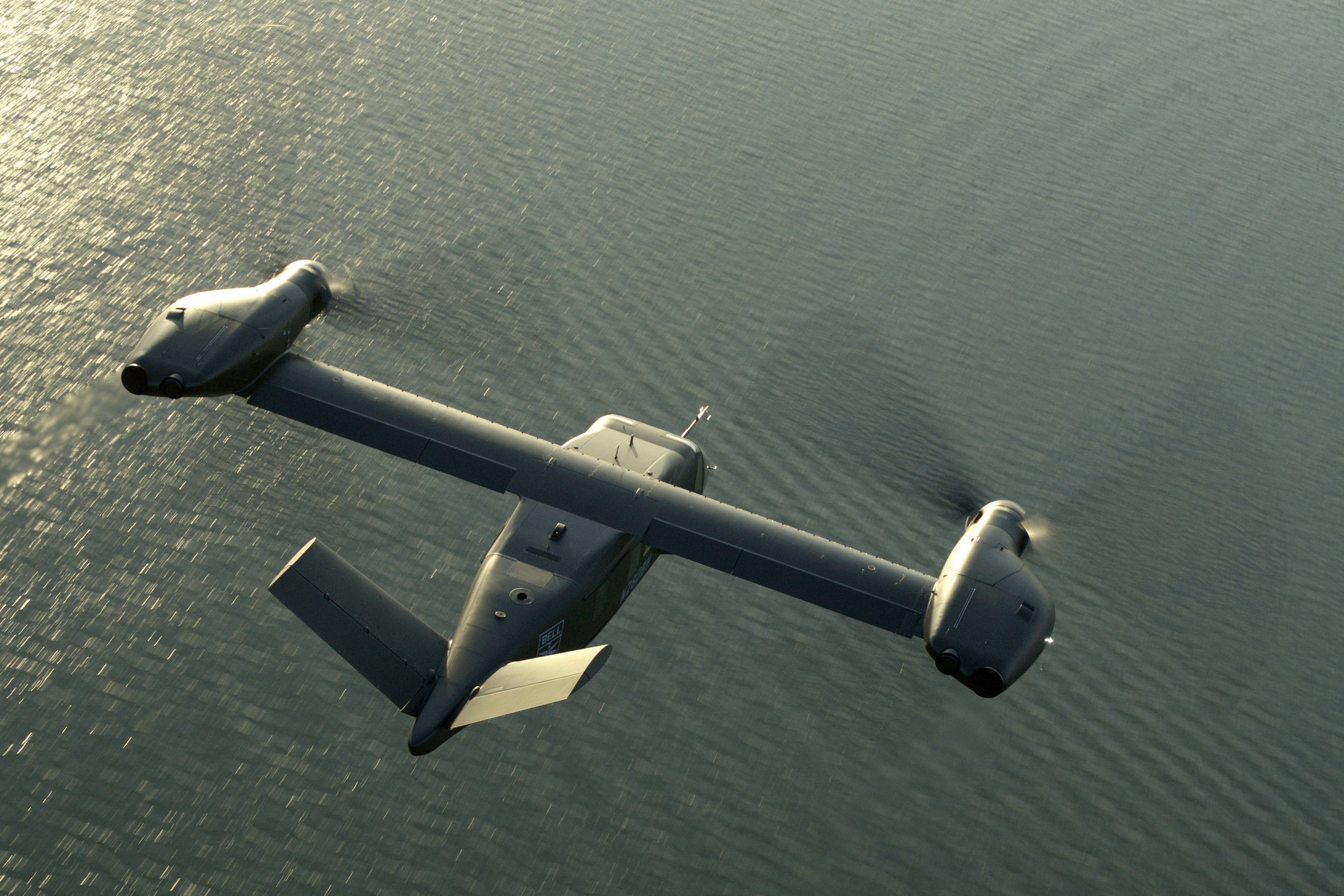
The aircraft will fly twice as far and twice as fast as the current fleet. By utilising mature tiltrotor technology coupled with an innovative digital engineering approach it will be reliable, affordable and high-performing.

It has manufactured cabins and fuselages, electrical harnesses and components, instrument panels, firewalls, bulkheads, floors and other structural components for the Bell 206L4, 407, 429 and 412 platforms.

Eaton will supply the aircraft's hydraulic power generation and hydraulic conveyance components in addition to oil swivels, hydraulic panels and maintenance-free accumulators.
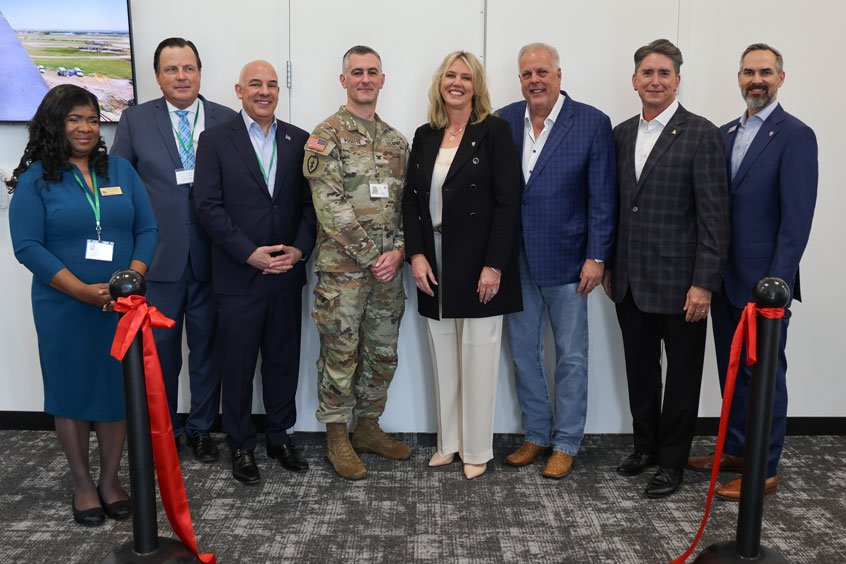
The facility supports end-to-end integration of fly-by-wire systems with avionics, electrical, hydraulic, flight controls, and mission and sensor systems for multiple current and future programs, manned and unmanned.
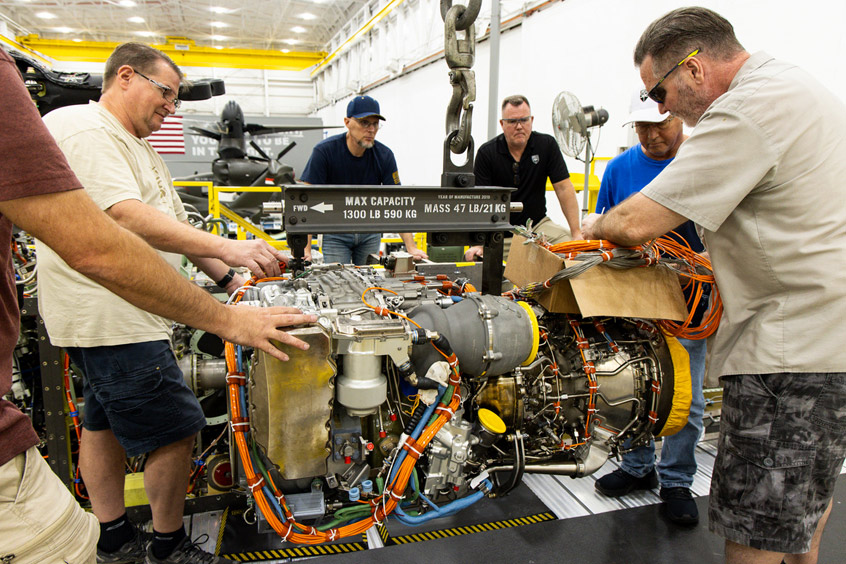
As Bell prepares for flight tests, the T901 engine, also a new development program, is still progressing through developmental testing with GE for the Army and has an expected clearance for flight in 2024.
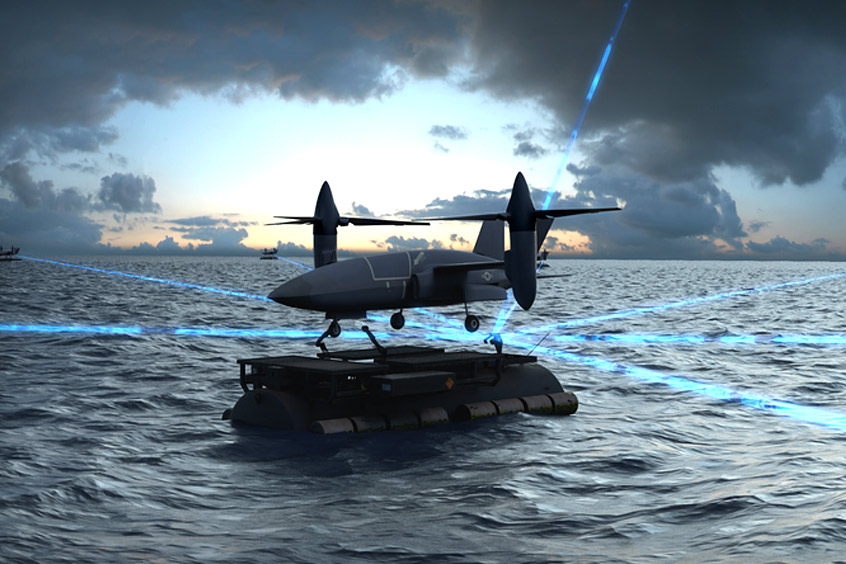
Bell is currently conducting risk reduction testing at Holloman Air Force Base in New Mexico to demonstrate its folding rotor, integrated propulsion, and flight control technologies using a dedicated test article.
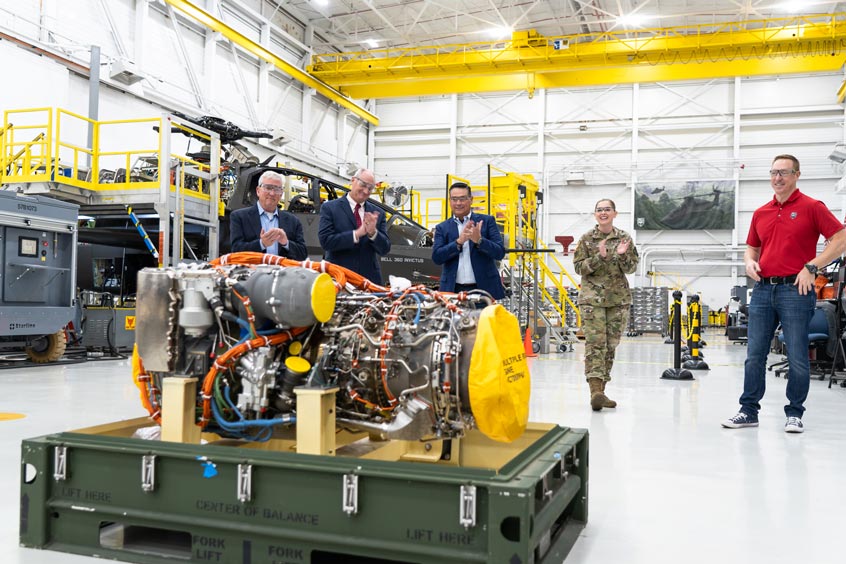
Once the aircraft has been functionally tested with the T901 installed, the next steps for the Bell 360 include completing the Test Readiness Review and a restrained ground run.
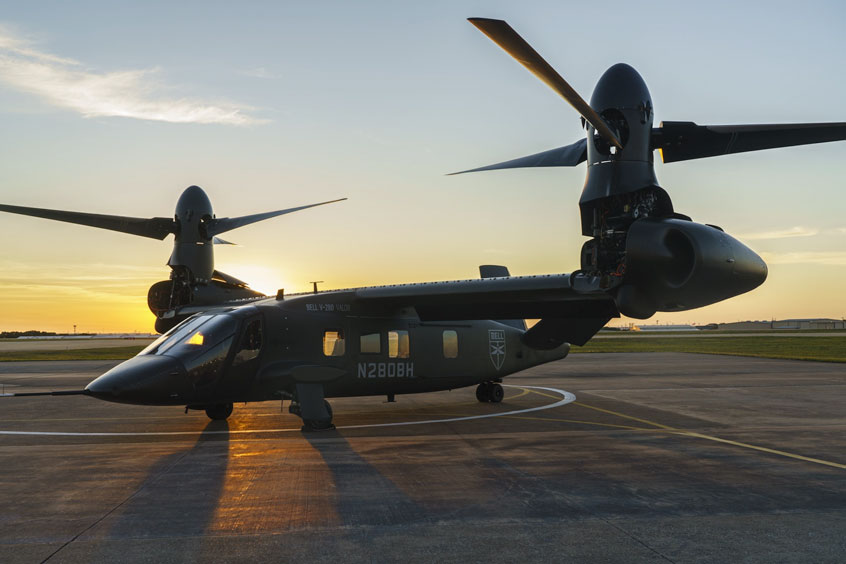
The landing gear expert company currently works with more than 25 airframers, and has been a committed partner in the Bell tiltrotor program since 2018.
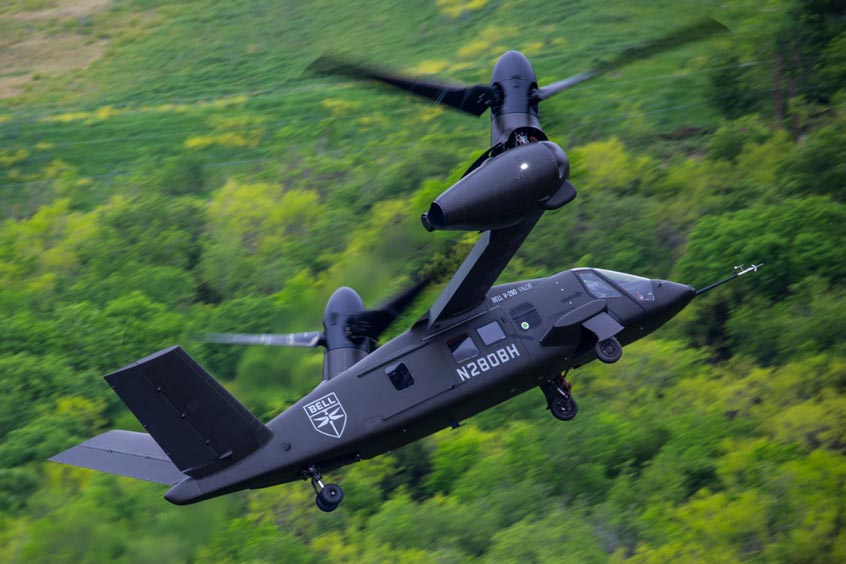
Works will include ruddervator, flaperon and swashplate actuators, active force feel inceptor system, pylon conversion actuators, flight control computers, power converter units and some hydraulics.
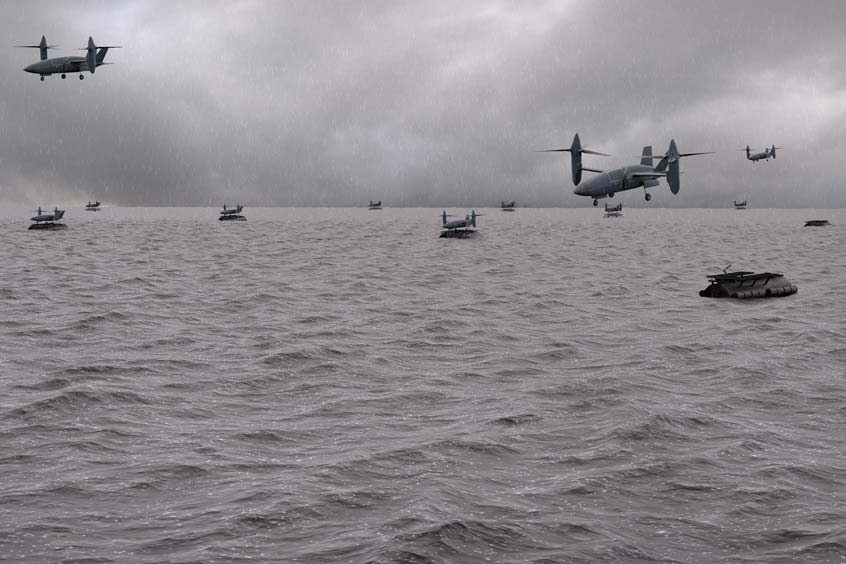
Future HSVTOLs will have the capability to use runways with conventional jet takeoff when runways are intact and independence with short field takeoff and vertical takeoff when runways are compromised.
SNC already supports Bell with additional mission systems expertise for the development of the Bell 360 Invictus for the U.S. Army's Future Attack Reconnaissance Aircraft (FARA) competition.

Eleven contenders had until June 30 to complete Phase 1 of the AFWERX High Speed Vertical Takeoff and Landing Challenge. Horizon, for one, hopes to continue testing and designing a full-scale aircraft.
As the mission systems integrator for the Bell 360 Invictus, SNC will play a key role in providing mission equipment that delivers the most cost-effective next-generation capability the Army requires.
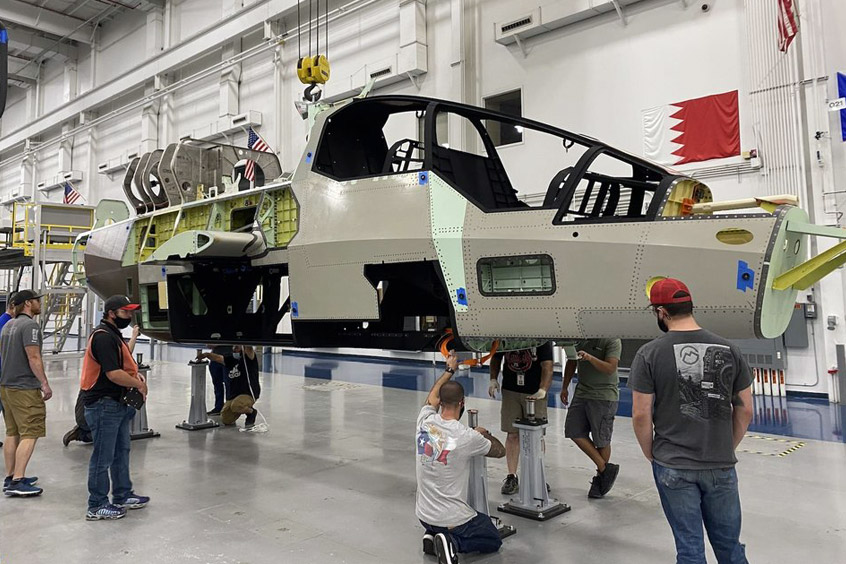
Bell has made progress on the Invictus fuselage, main rotor blades, gearbox assembly, cases and other components. A design-as-built methodology digitally connects the entire program throughout its lifecycle.

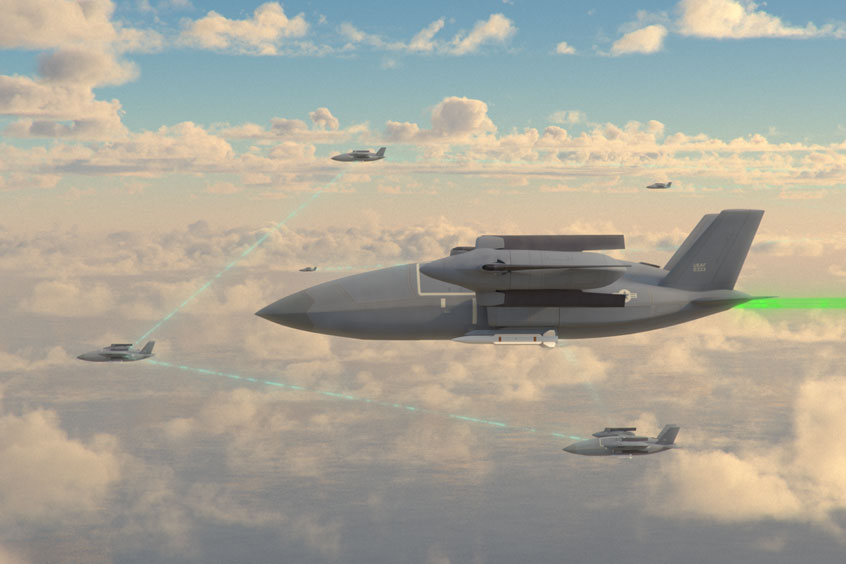
High-speed VTOL aircraft could offer enhanced runway independence, aircraft survivability, mission flexibility and enhanced performance over legacy platforms. Bell is already bringing designs to the party.
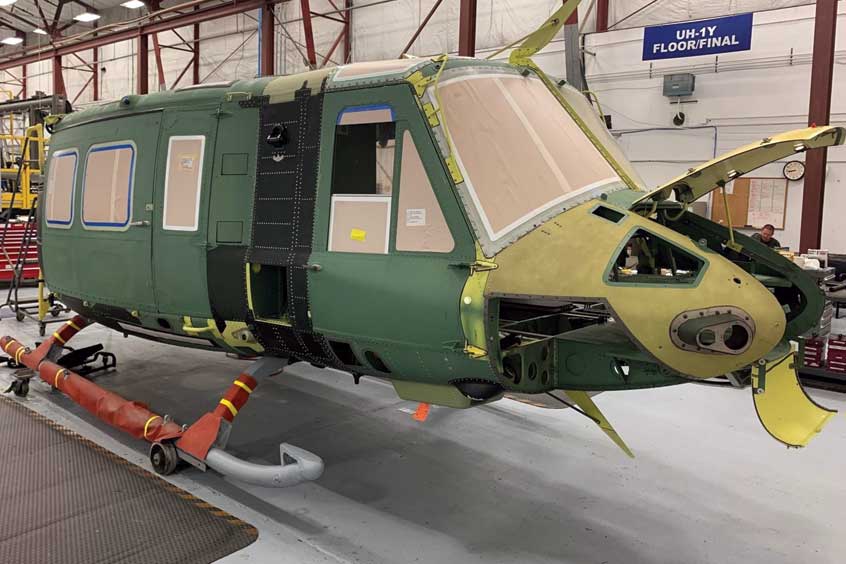
The UH-1Y shares 85 percent commonality of parts with the AH-1Z. The commonality between the aircraft enabled critical component supply chains to remain active during AH-1Z production for the USMC.
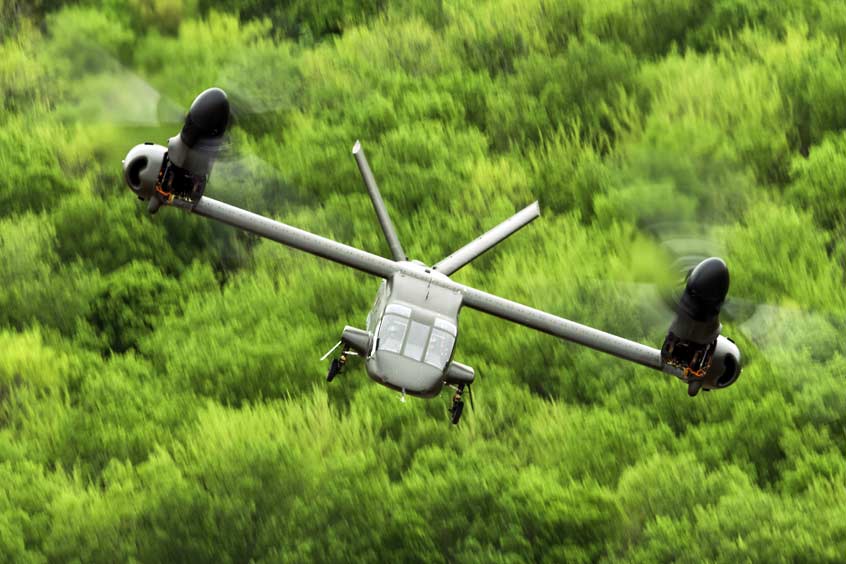
The V-280 Valor has marked the completion of its three-year flight-test program with a series of demonstrations to highlight its revolutionary performance during more than 214 hours of flight.
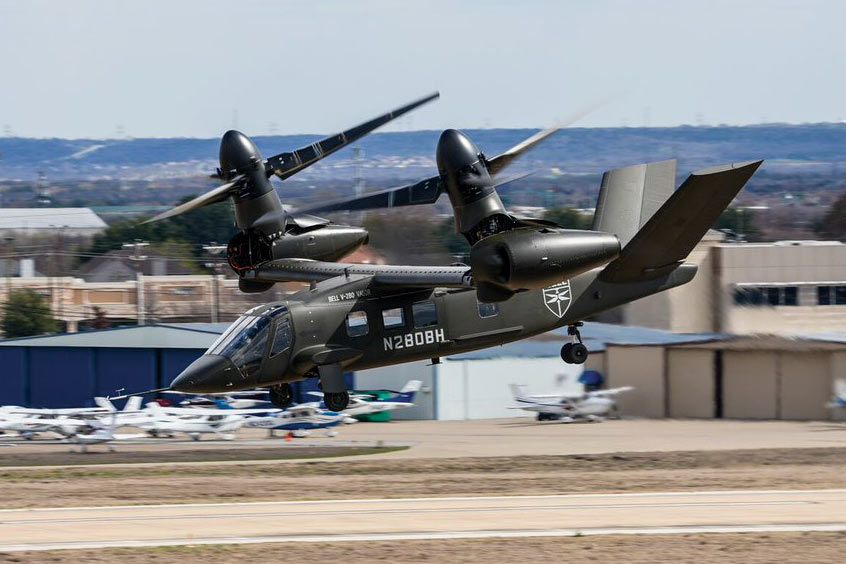
Experience with the V-22 Osprey will be invaluable now that Safran has been selected to provide landing gear and braking systems for the V-280 Valor program. Four sites in Europe and North America will play a part.

The MTC is an innovative proving ground where Bell plans to test and refine technologies and processes and demonstrate readiness and ability to successfully build and support Future Vertical Lift aircraft.
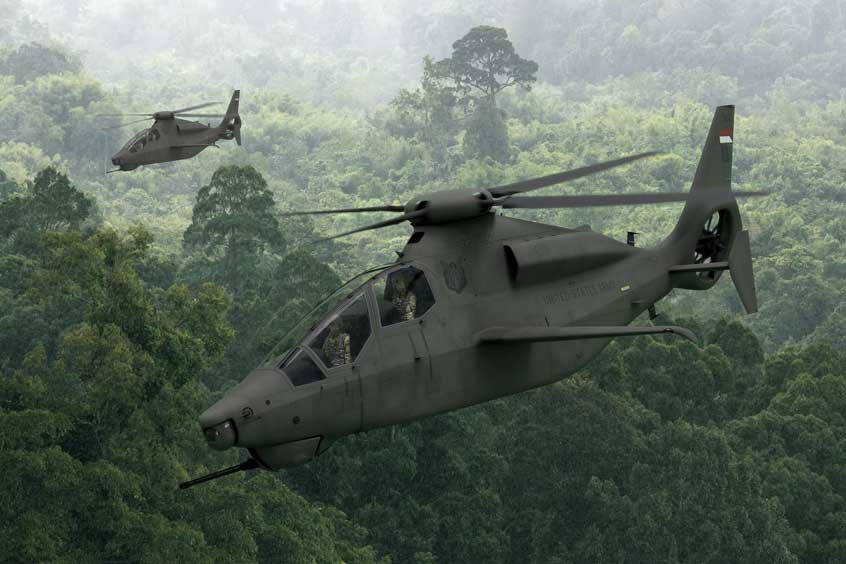
Team Invictus is developing the Bell 360 prototype, with the Army's FARA program targeting first flight in 2022. Enidine's vibration and energy absorption technology is already certified on the Bell 505.
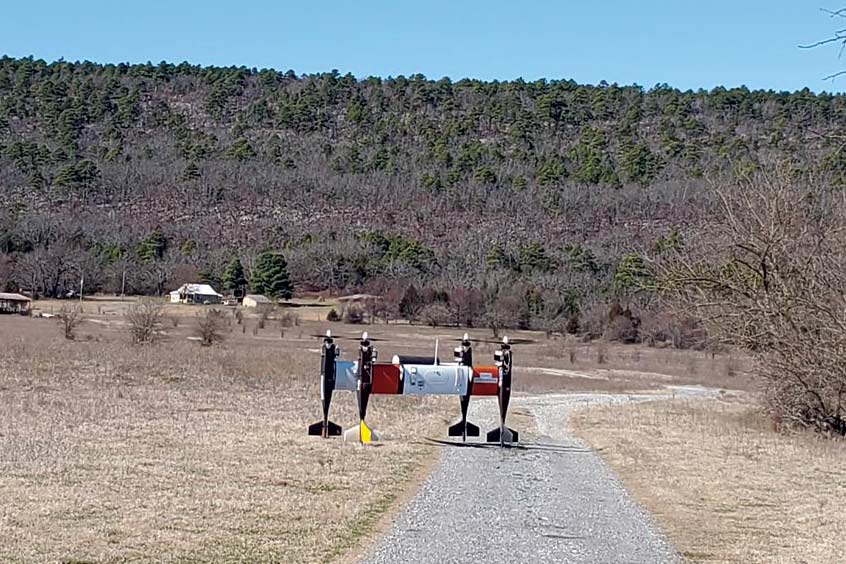
Work continues on Bell's autonomous APT 70 system, which the company believes will eventually support medical supply drops, basic supply chain operations and even kiosk deliveries.