
Every Bulletin story and press release covering NASA Armstrong Flight Research Center, newest first.
13 items
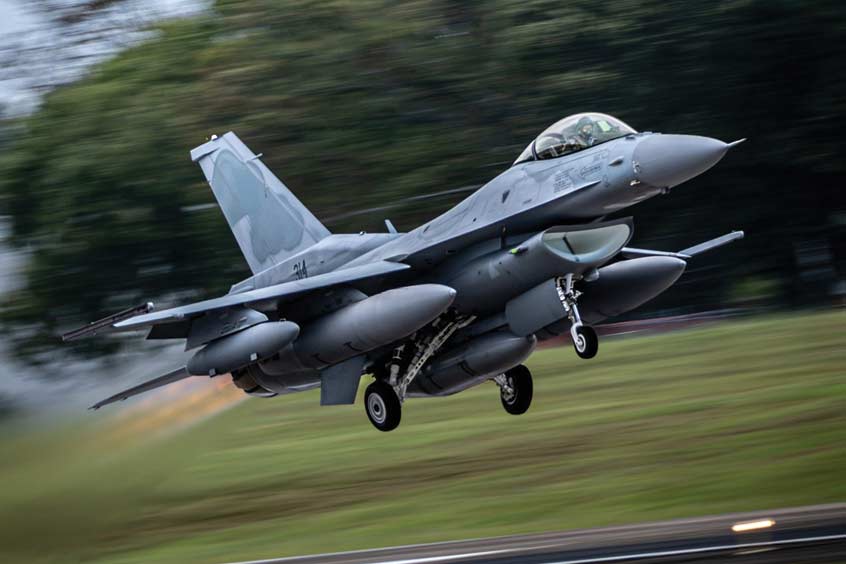
The finished aircraft strengthen NATO interoperability while advancing national air defence modernisation plans across both air forces.
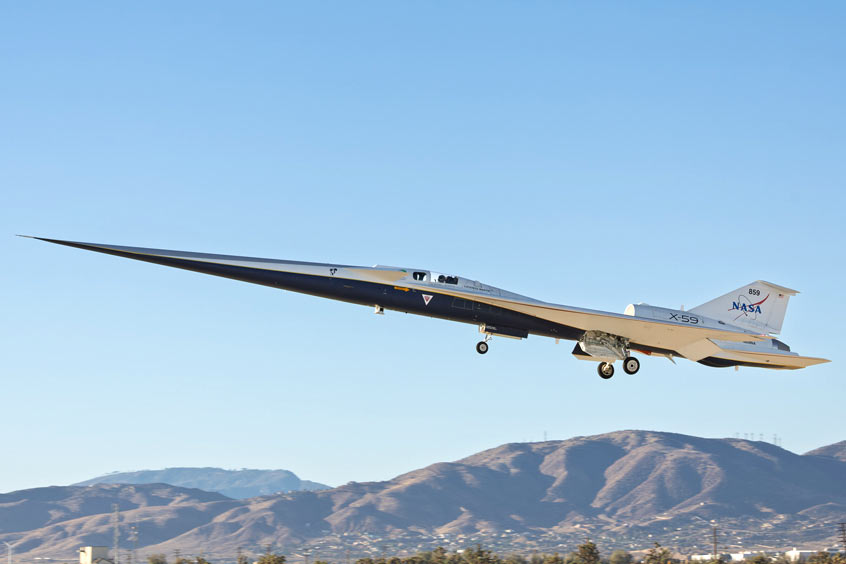
The experimental aircraft flew safely from Palmdale to Edwards in California as part of a NASA programme to reduce the impact of sonic booms and enable future overland supersonic travel.
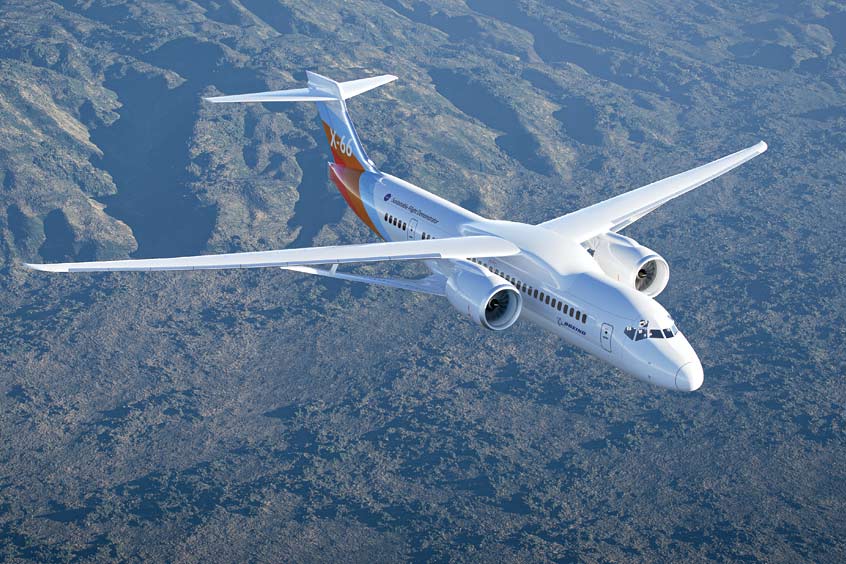
Woodward has begun work with Boeing and plans to produce the actuators by 2026, while Safran is to provide electrical power. Test flights of the Transonic Truss-braced Wing X-66A are scheduled to begin in 2028.
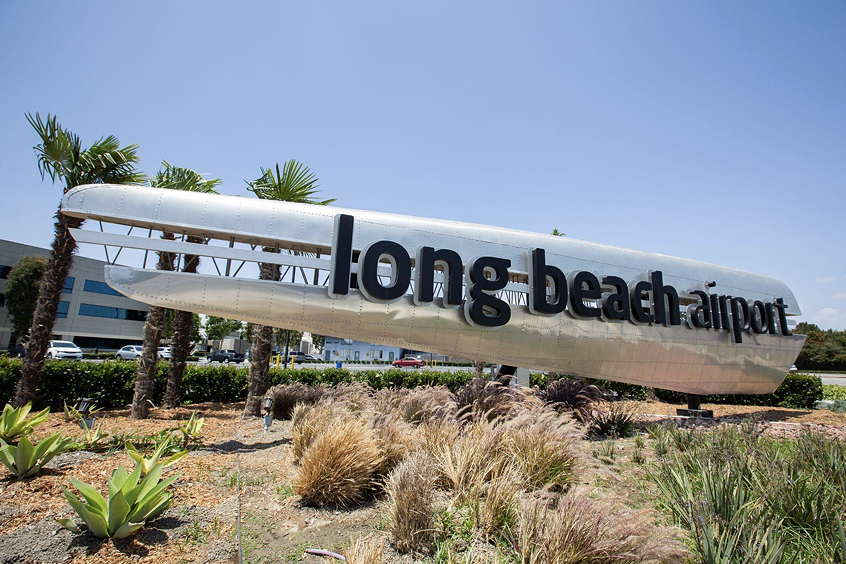
The company can now bring all its programs under one roof, benefiting from the vibrant aerospace community at Long Beach, and from the potential to conduct flight testing on-site.
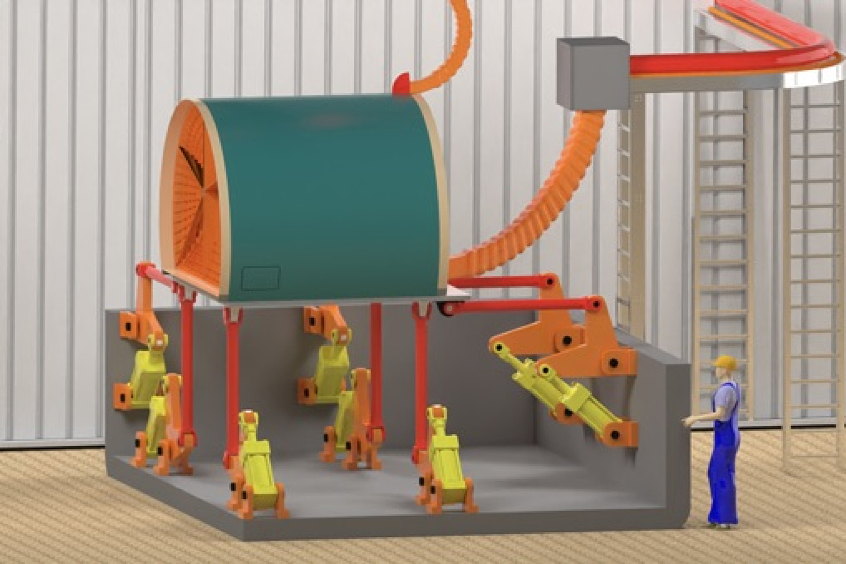
Planned test cells will perform high and low cycle fatigue testing, cryogenic and high-pressure system testing, operational performance testing at ambient and elevated temperatures, and crash testing.
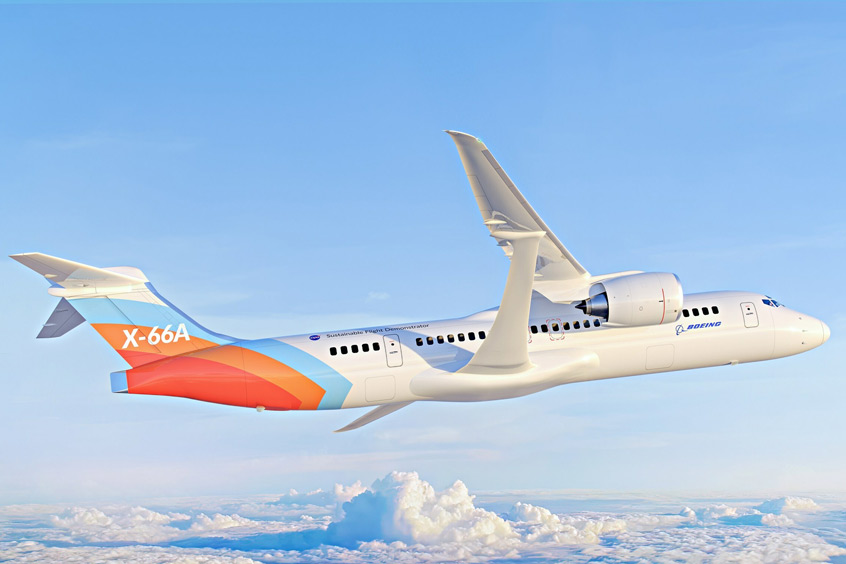
Boeing's X-66A program is focused on developing the Transonic Truss-Braced Wing (TTBW) concept, which could enable significant improvements in fuel efficiency and reduced emissions for next gen single-aisle aircraft.

To build the X-66A, Boeing will work with NASA to modify an MD-90 aircraft, shortening the fuselage and replacing its wings and engines.The design is known as a Transonic Truss-Braced Wing.
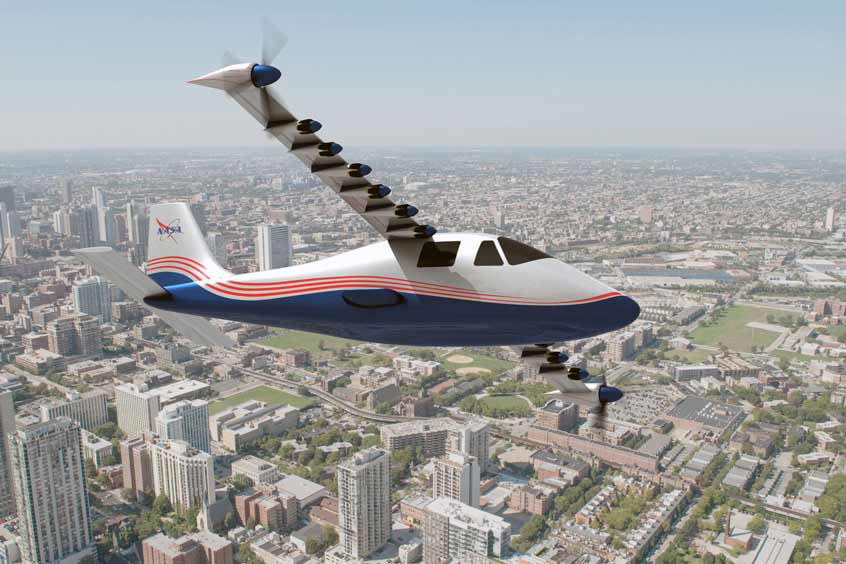
Random vibration acceptance testing for all the cruise motor controllers for the X-57 have taken place to make sure that all the systems stay functional while they endure the vibration environment expected during flight.
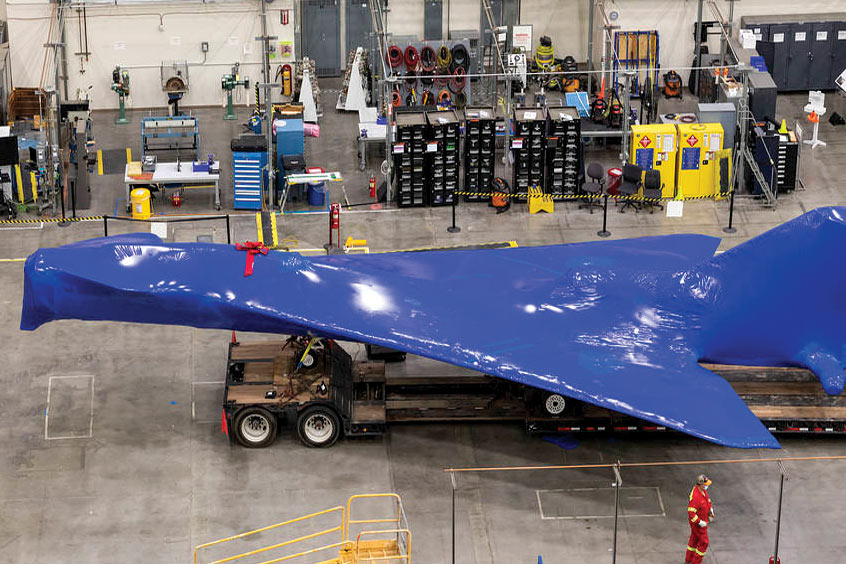
While in Texas, ground testing of the X-59 will ensure the aircraft can withstand the loads and stresses that typically occur during flight. The team will also calibrate and test the fuel systems.
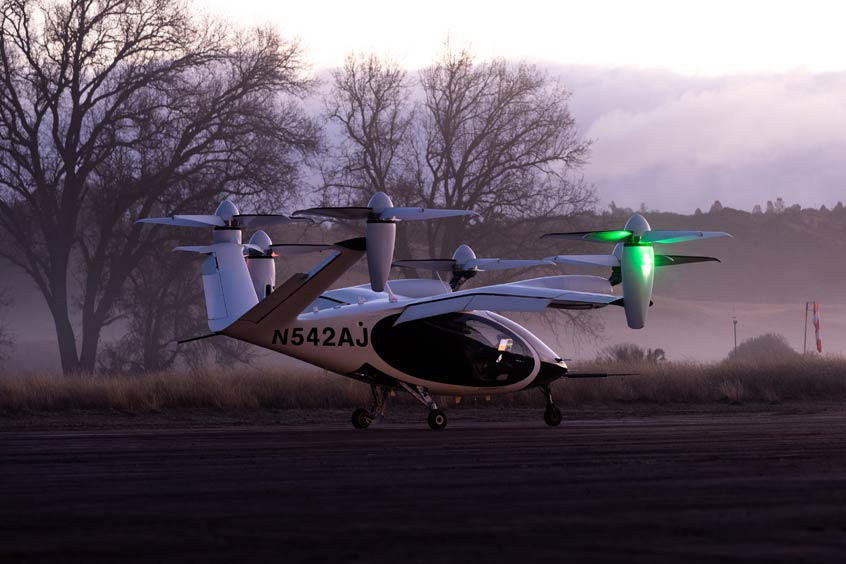
NASA will use its mobile acoustics facility and over 50 pressure plate microphones to measure aircraft sound emissions. The results will be used to verify how proposed aircraft operations blend into background noise.
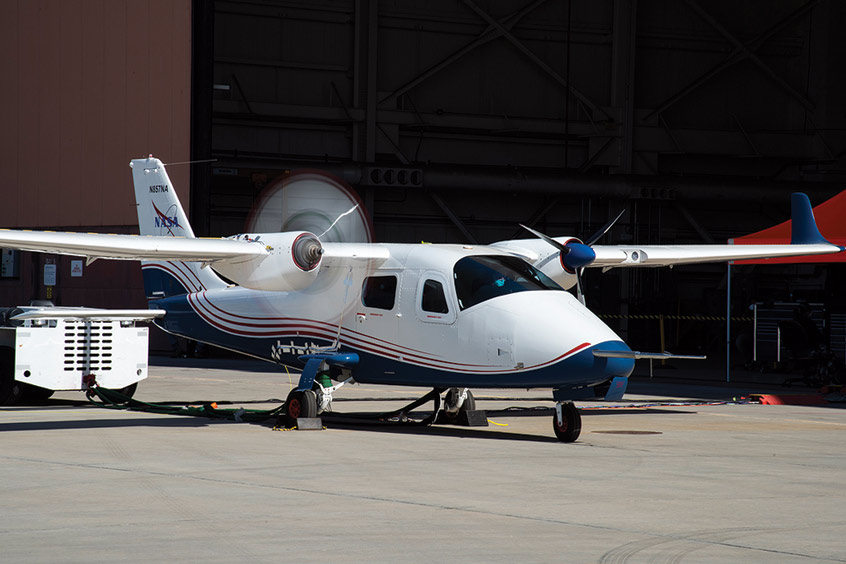
One NASA goal is to establish the X-57 as a reference platform for integrated approaches of distributed electric propulsion technologies. Next up, the X-57 will undergo verification and validation testing.
Roll out of this new class of vehicles is expected within five years, with United Airlines and startup Archer Aviation having just inked a deal for 200 of these eVTOL aircraft, expected to debut in 2024.
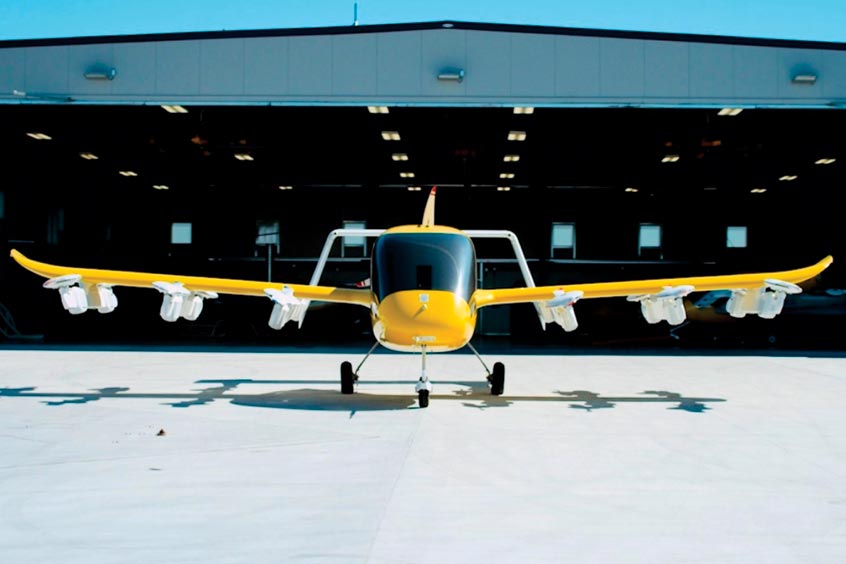
Wisk Aero and Alaka'i Technologies will join others to prepare for NASA’s Advanced Air Mobility (AAM) National Campaign NC-1 beginning in 2022, where NASA will begin to assess vehicle readiness.