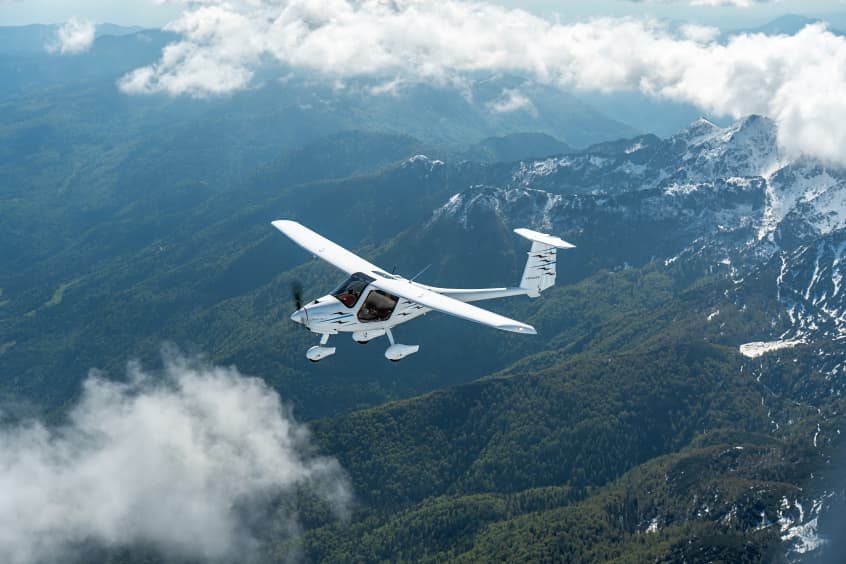
Pipistrel, a Textron Inc. company and an affiliate of Textron Aviation Inc., today introduced the Pipistrel Voyager, a next-generation training aircraft designed to expand capability for flight schools while maintaining the efficiency and simplicity owners and operators expect from Pipistrel. Purpose-built for evolving pilot training requirements, the Voyager is designed to align with anticipated Modernisation of Special Airworthiness Certification (MOSAIC) regulations. This positions the aircraft to support broader training missions while improving access to pilot development. The aircraft is expected to enter into service in 2027.
The Voyager is making its world debut at the Textron Aviation booth at the Experimental Aircraft Association (EAA) AirVenture 2026 in Oshkosh, Wisconsin.
Built for modern training demands
Designed specifically for high-frequency instructor-student training with a focus on efficiency and utilisation, the Voyager enables flight schools to complement the iconic Cessna Skyhawk, a proven, versatile platform known for its training optimisation with a wide range of mission capability. The Voyager's modern, relevant training capabilities include:
– Instrument flight rules (IFR) training capability
– Intentional spin certification for advanced instruction
– Mission flexibility across beginner through advanced phases
– Integral ballistic parachute provides additional peace of mind
– Accessible entry point, with a 2026 base price of €240,000 Euros
Together, these capabilities allow operators to streamline fleets while expanding training offerings.
"The Voyager is built to be a training workhorse. It gives flight schools the ability to expand capability while maintaining the efficiency, accessibility and reliability Pipistrel is known for," said Chris Crow, vice president, Pipistrel Sales. "It also provides the owner/operator a modern, capable aircraft at an accessible price point."
Efficiency without compromise
Drawing on Pipistrel's experience in high-efficiency aircraft design, the Voyager is expected to deliver:
– Rotax 912 ULS engine for proven reliability
– 1,389 lb maximum takeoff weight supporting expanded mission capability
– 552 lb useful load for training flexibility
– Maximum range of 740 nm including IFR reserves, supporting extended operations
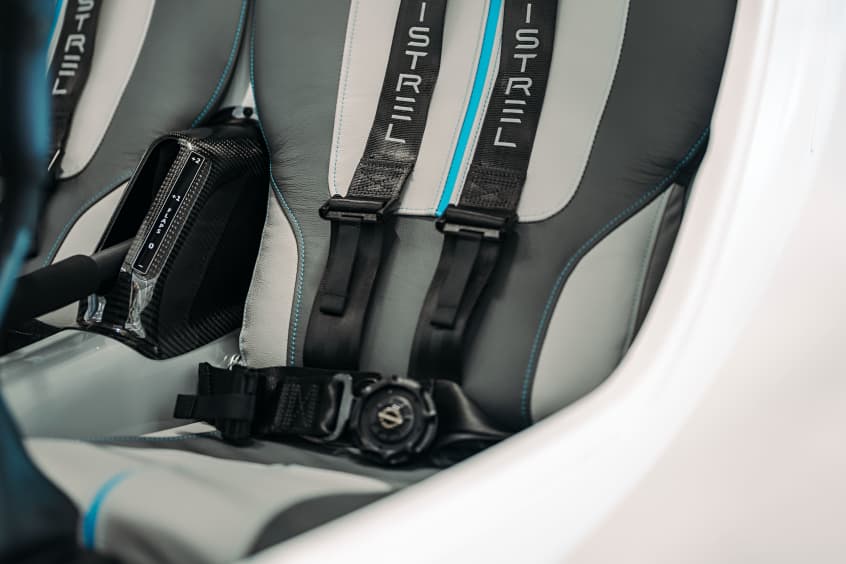
– Two-seat configuration optimised for flight instruction
These attributes help operators maintain low cost per flight hour while supporting growing training demand.
Advanced avionics, simplified
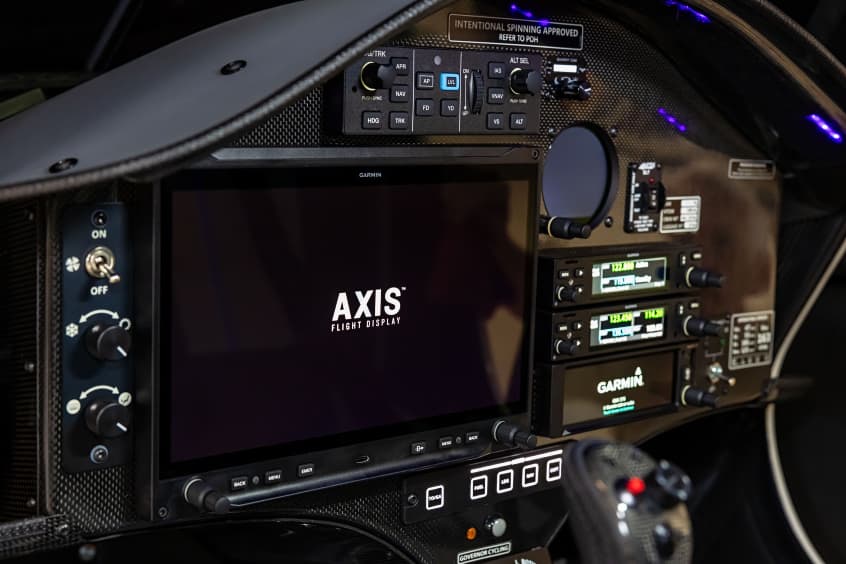
The Voyager is equipped with the all-new Garmin AXIS flight display avionics, integrating multiple functions into a single system to provide:
– Enhanced situational awareness
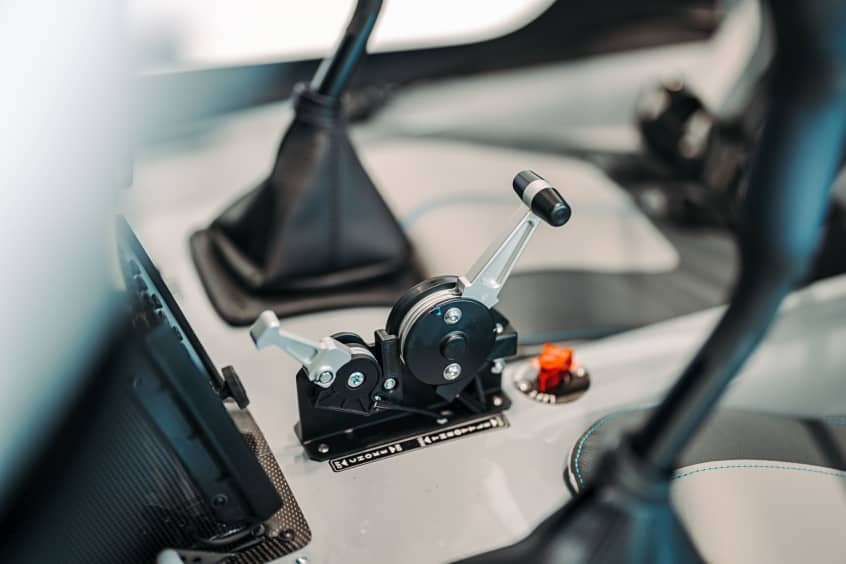
– Simplified pilot interface, including single lever throttle control system
– Three-axis autopilot system, including blue (LVL) button and electronic stability and protection, enhancing operational ease and stability and reducing pilot workload for both student pilots and instructors
– Haptic stall warning system
The AXIS display provides a centralised interface for aircraft, engine and system information, seamlessly integrating with external GPS, NAV/COMM, and audio systems. Its highly responsive touchscreen display also has physical controls for quick access to key functions. Pilots can maximise situational awareness with full-screen or split-screen options, leveraging a familiar yet modernised user interface.
These capabilities help flight schools deliver effective training while growing cockpit familiarity and consistency across training phases.
Designed with the future in mind
"MOSAIC represents a fundamental shift in how aircraft are developed and brought to market, and the Voyager is leading the way in both these innovations and in access," said Chris Hearne, senior vice president, Engineering, Textron Aviation. "It enables more capable aircraft, faster introduction of new technology and greater flexibility in how aircraft are used across training and operations. Because these standards are performance-based and grounded in proven safety data, they allow innovation to move at a pace that better reflects today's technology while maintaining the high bar the industry expects."
The Pipistrel Voyager is on display at the Textron Aviation at EAA AirVenture in Oshkosh 20–25 July.
| Contact details from our directory: | |
| Textron Aviation Inc. | Airframer |
| Pipistrel d.o.o. | Airframer |
| Experimental Aircraft Association - EAA | Technical Manuals, Trade Organisations |
| BRP-Rotax GmbH & Co KG | Piston Engines |
| Garmin International | GPS, Transceivers, Radar Transponders, Position Indicators, Radio Communications Equipment, Instrument Landing Systems, Moving Maps, Flight Directors, Electronic Flight Instrument Systems, Flight Management Systems, Avionics Management Systems, Autopilots, Weather Mapping Radar, VOR (Omnirange) Receivers, Onboard Intercom Systems, Collision Avoidance Systems/TCAS, Radar/Radio Altimeters, Attitude and Heading Reference Systems, Magnetometers, Onboard Computers, Air Data Computers, Satellite Receivers, Automatic Flight Control Systems, Onboard Airport Navigation Systems, Terrain Awareness and Warning Systems, Head-Up Displays, Airborne Communication Systems, Engine Indicator Instruments, Storm-Warning Radar, Autothrottle Systems, ADS-B systems |
| Related aircraft programs: |
| Pipistrel Virus |
| Cessna 172 Skyhawk |

Weekly news by email:
See the latest Bulletin, and sign up free‑of‑charge for future editions.
HAL and Safran finalise Aravalli engine deal
JetZero raises $100m as Z4 nears flight test
Bombardier acquires MHI Canada Aerospace assets