PRESS RELEASE
Issued by: AIA Aerospace Industries Association
AIA enthusiastically supports the FAA's small UAS rule issued today. The regulations represent the next important step towards routine UAS operations that balance the need for integration of this new technology into the National Airspace System, along with the requirement to develop a culture of safety among UAS operators, and the technologies to protect manned aircraft operating at low altitude near airports.
“Today's release of the small UAS regulations is a positive step that provides industry with clarity on our path forward and allows FAA to focus its resources on developing requirements for beyond line-of sight operations – the next critical milestone for small UAS,” said AIA President and CEO David F. Melcher.
The new regulations will quickly benefit the FAA by reducing the number of exemption requests that need to be reviewed and will allow FAA resources to be more directly focused on fully integrating UAS into the national airspace. The rule also will promote the collection of safety data and increase operational experience for both UAS operators and the FAA.
We also recognize that today's small UAS rule is consistent with guiding principles AIA proposed for UAS integration and for promoting U.S. UAS product development and future sales. These principles include:
· Achieving routine access for unmanned systems to all classes of airspace with incumbent users for increased capacity and efficiency. Regulations must anticipate that UAS flights may one day become as routine as most commercial flights are today.
· Ensuring continued trends in aviation safety while delivering societal benefits. Commercial flight is safer today than at any time in the history of aviation. Maintaining safe skies through a timely, risk-based approach is the first priority.
· Harmonizing with international policies and regulatory efforts. The United States must keep pace with efforts that support a common set of international standards and practices.
· Supporting U.S. National Security objectives and ensure U.S. competitiveness in the global marketplace. The U.S. government must revise outdated export policies to maintain U.S. technological superiority, foster R&D, and ensure our partners and allies look to us to provide for national security requirements.
“AIA was pleased to be a part of the process to develop and comment on the new Small UAS Rule,” Melcher said. “It's a significant development that also bodes well for the next step in bringing medium- and high-altitude UAS into regular airspace operations.”
| Contact details from our directory: | |
| AIA Aerospace Industries Association | Trade Organisations |
| Related directory sectors: |
| Trade Organisations |

Weekly news by email:
See the latest Bulletin, and sign up free‑of‑charge for future editions.

HAL and Safran finalise Aravalli engine deal
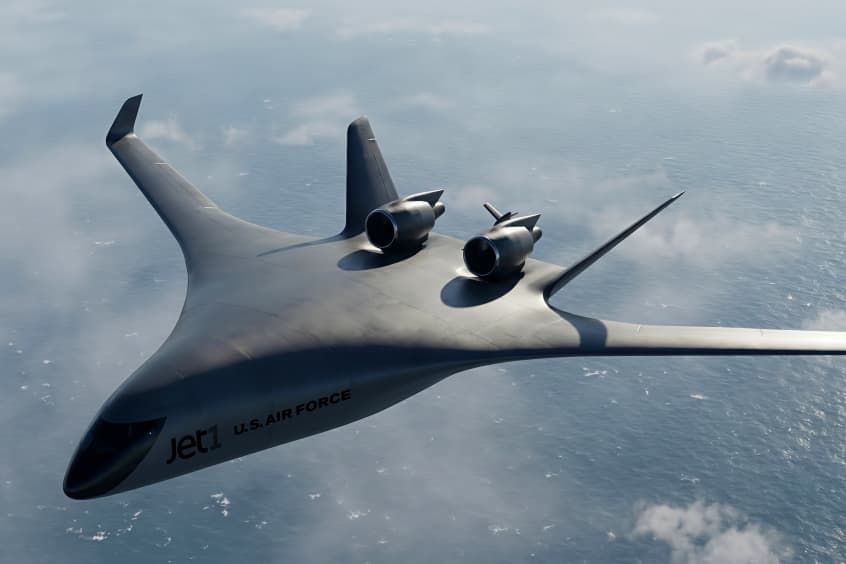
JetZero raises $100m as Z4 nears flight test
Bombardier acquires MHI Canada Aerospace assets