Photo: RTX
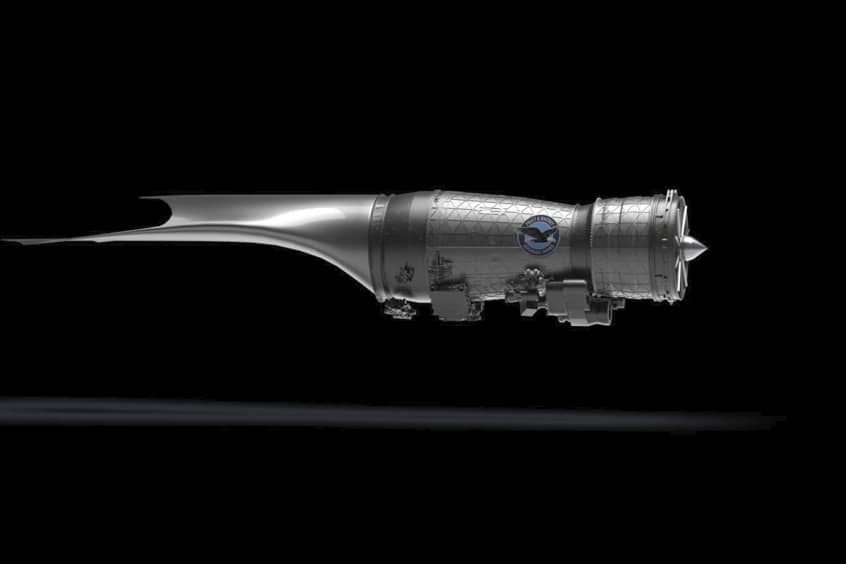
The company is preparing the XA103 for engine testing later in the decade.
Pratt & Whitney has completed a fully digital technical assessment of its XA103 adaptive-cycle engine under the U.S. Air Force’s Next Generation Adaptive Propulsion programme, advancing the project closer to physical engine production.
The assembly readiness review validated the programme’s transition from a fully digital design environment into hardware procurement and manufacturing preparation.
“This milestone demonstrates Pratt & Whitney’s investment in digital infrastructure, showcasing seamlessly integrated digital capabilities and reinforcing our strong collaboration with the U.S. Air Force,” says Jill Albertelli, president of Pratt & Whitney’s Military Engines business.
“As we move forward with assembling our engine for testing, our NGAP team is simultaneously developing novel digital validation tools. The performance we expect this engine to deliver exceeds anything available today, reinforcing the critical importance of continuous improvement and stable investment in maintaining propulsion as a strategic competitive advantage.”
According to Pratt & Whitney, the XA103 is designed to improve survivability, fuel efficiency and thermal and power management for future combat aircraft applications.
The company says the adaptive engine architecture is intended to support future operational requirements while maintaining a propulsion advantage for the U.S. Air Force.
| Contact details from our directory: | |
| Raytheon Technologies Corporation (Corporate Headquarters) | |
| Pratt & Whitney | |
| Pratt & Whitney Military Engines | Turbofan Engines |
| Related aircraft programs: |
| Boeing F-47 |
| Related directory sectors: |
| Turbine Engines |

Weekly news by email:
See the latest Bulletin, and sign up free‑of‑charge for future editions.
GKN completes wings for Brontanax prototype
CJ3 Gen3 prototype completes maiden flight in Wichita
Safran's Arriel 2K wins EASA certification for AW09