Photo: Pilatus
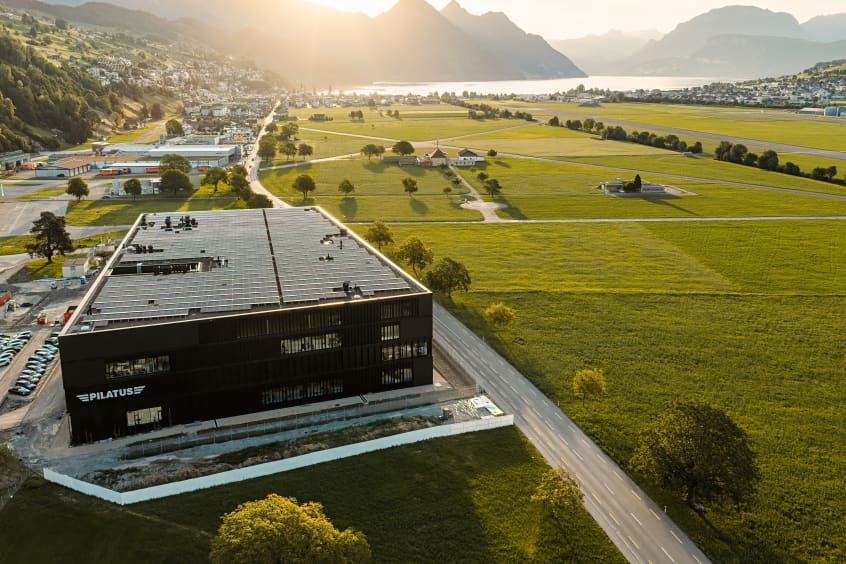
Schwarzhorn is named after a Swiss mountain and the colour of the composite components produced there.
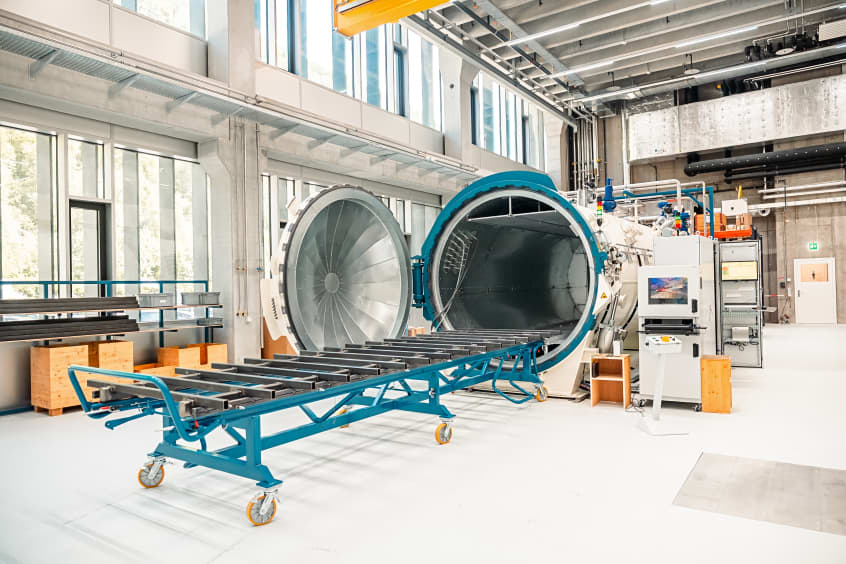
Photo: Pilatus
Composite load-bearing control surfaces on the PC-24 mark Pilatus’s first primary structural application.
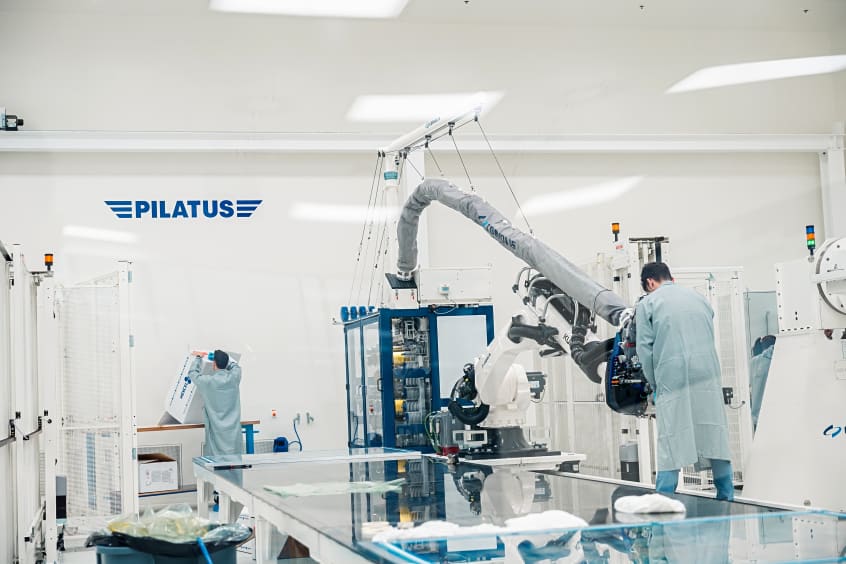
Photo: Pilatus
Photovoltaic installations and groundwater cooling support Pilatus’s target of LEED Platinum certification.
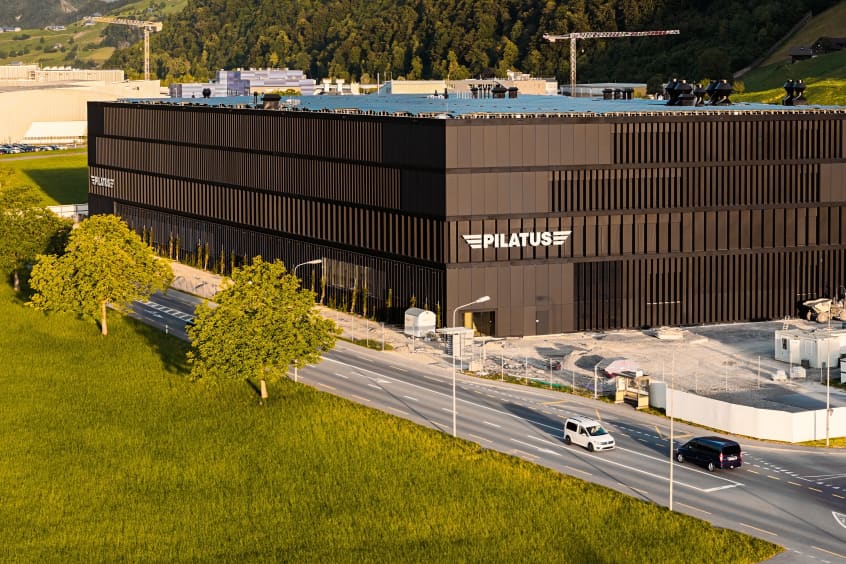
Photo: Pilatus
Composites have been used at Pilatus for more than 40 years, previously only on secondary structures.
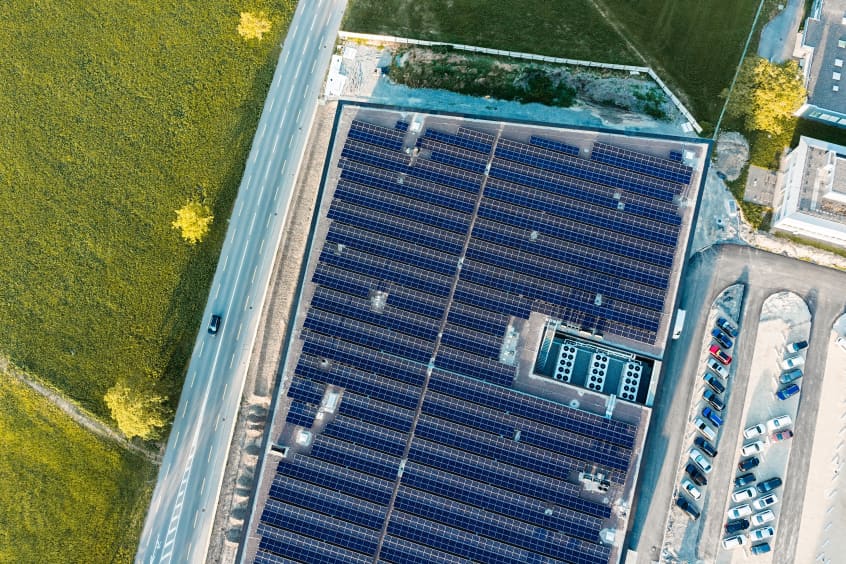
Photo: Pilatus
Raw material storage, production, subassembly and surface treatment sit together under a single roof.
Pilatus has opened its “Schwarzhorn” building, an advanced composite manufacturing centre in canton Nidwalden that unites development and production of composite components under one roof for the first time. The building provides workplaces for around 300 employees and has been designed to a high sustainability standard.
Composites have been used at Pilatus for more than 40 years but previously only for non-load-bearing secondary structures such as covers and cowlings. The PC-24 Super Versatile Jet marks a departure from this: composite load-bearing control surfaces represent the first use of composites in primary structural components at Pilatus, an important development in aircraft construction because they are lighter and contribute to fuel savings. Pilatus plans to expand its use of composites further.
Named after a Swiss mountain and the colour of the composite components, Schwarzhorn brings together all process steps, from delivery and storage of raw materials through component production, subassembly and surface treatment, to storage and order picking. Components are delivered directly to final assembly as finished kits, with the largely self-sufficient process allowing manufacturing and development teams to work closely together. The manufacturing areas also create scope to introduce further inspection technology and automation in future.
Pilatus CEO Markus Bucher says: “With this building, Pilatus is once again reaffirming its commitment to Switzerland as a place of innovation, manufacturing and training, and to our sustainable development here at our home base, where our roots lie. Costing 100 million Swiss francs, this building is the most expensive facility we have invested in to date.”
The building also targets high energy performance. Photovoltaic installations on the roof and facades, together with the use of process-related waste heat and groundwater for heating and cooling, reduce reliance on external energy sources. Pilatus is aiming for LEED Platinum certification for the building, an internationally recognised standard for sustainable construction covering resource conservation, environmental protection and reduction of energy and water consumption.
| Contact details from our directory: | |
| Pilatus Aircraft Ltd | Airframer |
| Related aircraft programs: |
| Pilatus PC-24 |

Weekly news by email:
See the latest Bulletin, and sign up free‑of‑charge for future editions.
H2-Sling hydrogen aircraft readies for flight
Heart’s X1 becomes largest battery-powered aircraft flown
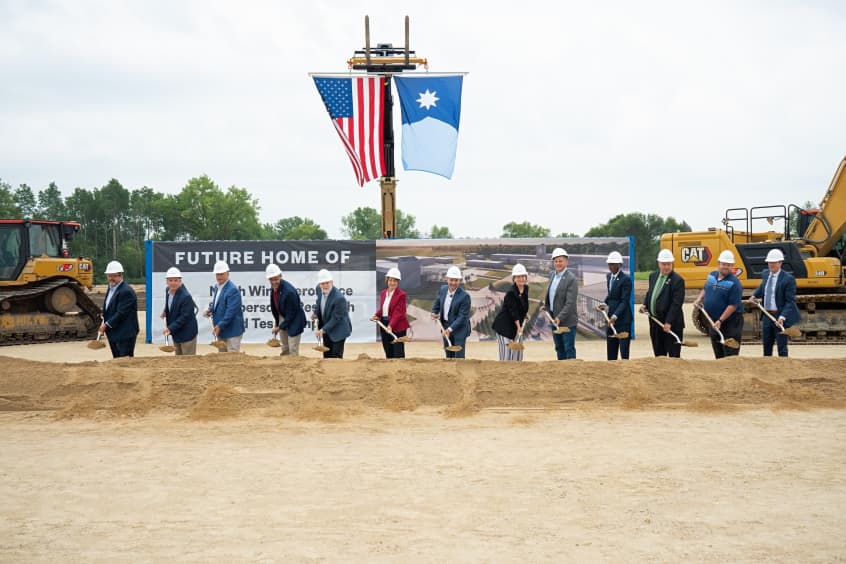
North Wind commences build of hypersonic testing facility