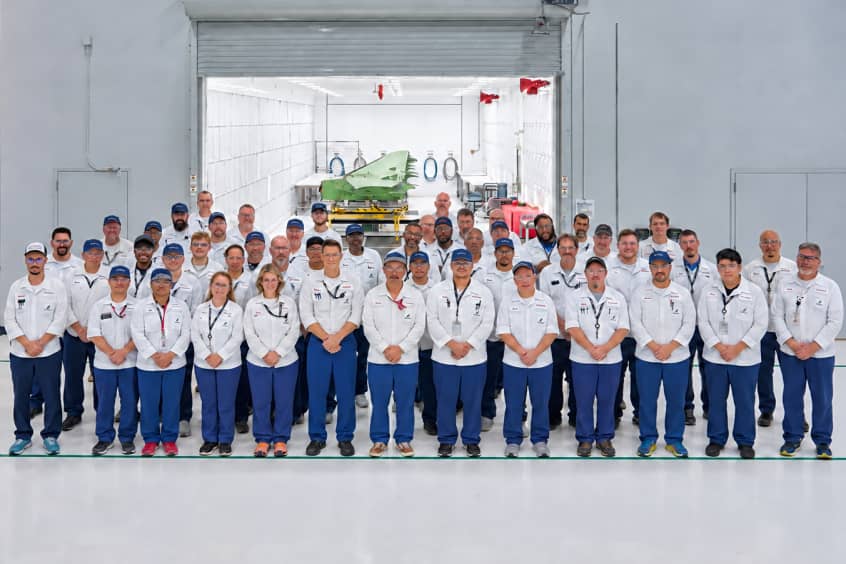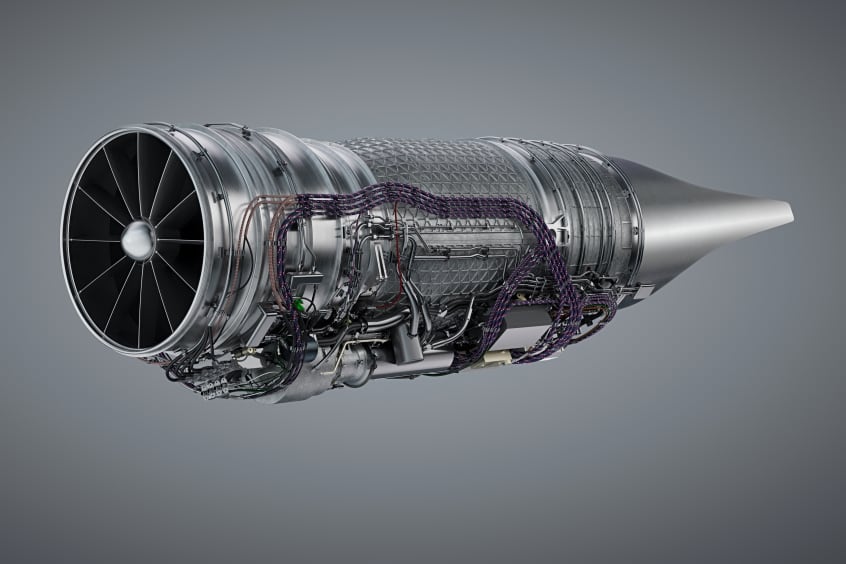
Photo: GE Aerospace
Model-based engineering demonstrations have been completed in the programme's first phase.
GE Aerospace is progressing towards assembly of the XA102 adaptive cycle engine under the US Air Force's Next Generation Adaptive Propulsion (NGAP) programme.
Suppliers are being engaged to procure hardware and test subcomponents ahead of assembly of the first XA102 test asset. “Our team is working with suppliers to procure hardware and test subcomponents as we prepare for assembly of the first XA102 test asset,” says Jorge Perez, general manager of Edison Works Advanced Combat Engines at GE Aerospace. “With our learnings from the XA100 programme as a foundation, we are well positioned to advance adaptive cycle engine technology and support the Air Force's vision for next-generation propulsion,” he adds.
The XA102 was designed from the outset using the latest model-based engineering practices, intended to reduce development time and cost. Those model-based capabilities are being extended into manufacturing, inspection and assembly, with the aim of allowing the propulsion industrial base to innovate at the speed required by today's threat environment. A key enabler is GE Aerospace's use of model-based definition (MBD) to convey the complete product definition in a machine-readable format that can be consumed directly in downstream manufacturing processes.
The XA102 is the first engine to be built using MBD, from design to assembly, in place of traditional two-dimensional drawings. This connects design, manufacturing and inspection through integrated digital models, improving accuracy and speeding production. GE Aerospace is working closely with suppliers to help ensure they can use the model-based design data in their own manufacturing and inspection processes, supporting a more seamless transition from engineering to manufacturing.
Building on experience from the XA100 programme, GE Aerospace is applying lessons learned in adaptive cycle propulsion, thermal management, fuel efficiency and advanced design methods to mature the XA102 and prepare for future testing. The company has completed demonstrations of the model-based engineering practices in the first phase of the programme, reflecting continued progress in its digital engineering capabilities.
| Contact details from our directory: | |
| GE Aerospace Engines | Turbofan Engines, Turboprop Engines, Turboshaft Engines |
| Related aircraft programs: |
| Boeing F-47 |
| Related directory sectors: |
| Turbine Engines |

Weekly news by email:
See the latest Bulletin, and sign up free‑of‑charge for future editions.

G2E consortium wins 18-month GCAP electronics contract
Hermeus becomes approved F100 producer
Electra and Atlas Group sign EL9 airframe manufacturing agreement