
Aircraft program
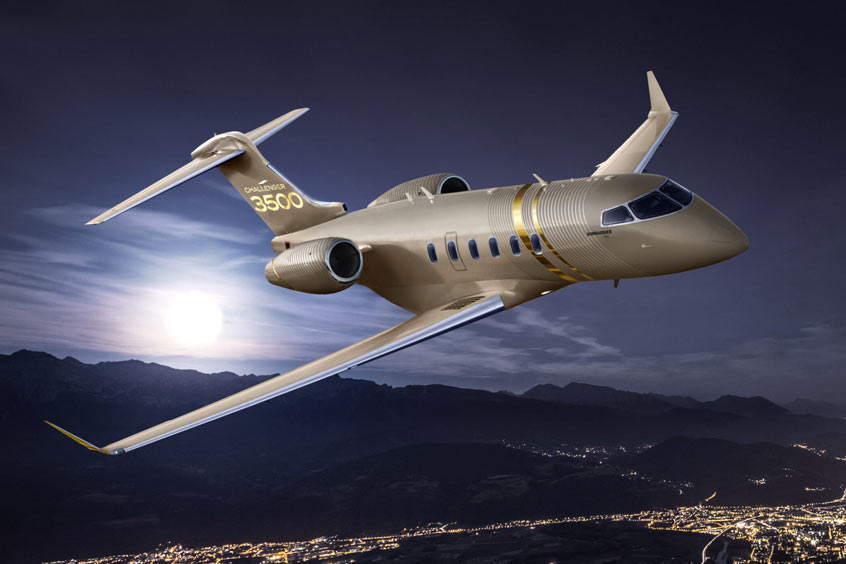
Twin turbofan business jet.
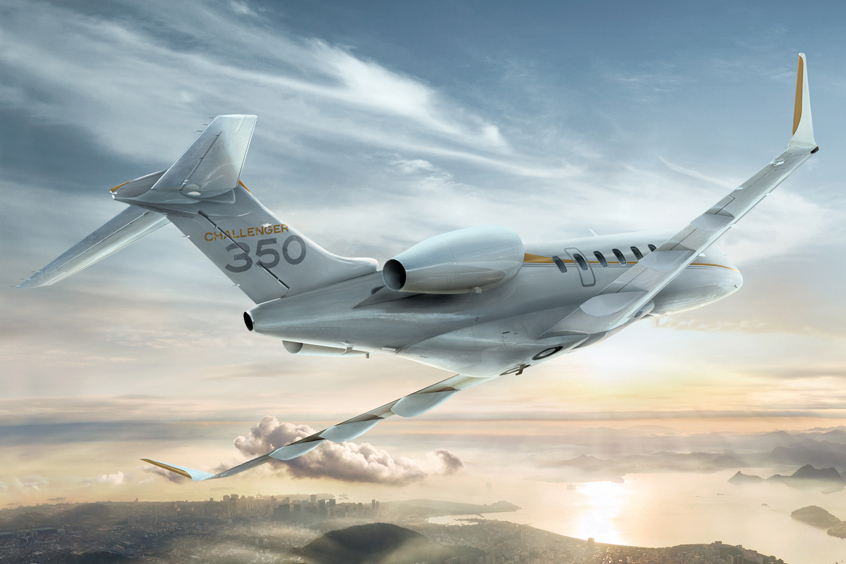
The aircraft has low mounted, supercritical wings with fixed leading edges and winglets, t-tail with an anahedral tailplane and twin podded turbofan engines to the rear of the fuselage.
The airframe is predominantly aluminium alloy including skin panels of the wings and fin. Non-structural fairings are steel alloy, stainless steel and titanium. Winglets and nose radomes are constructed from composites.
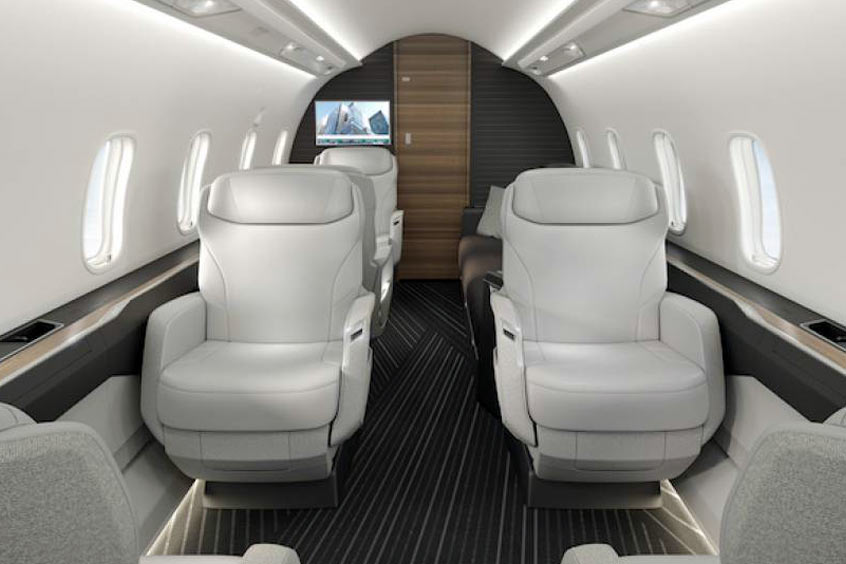
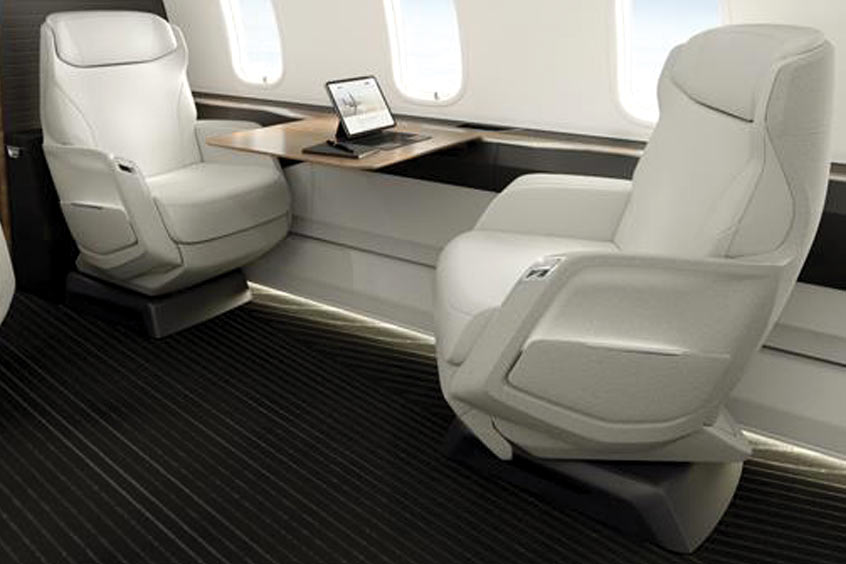
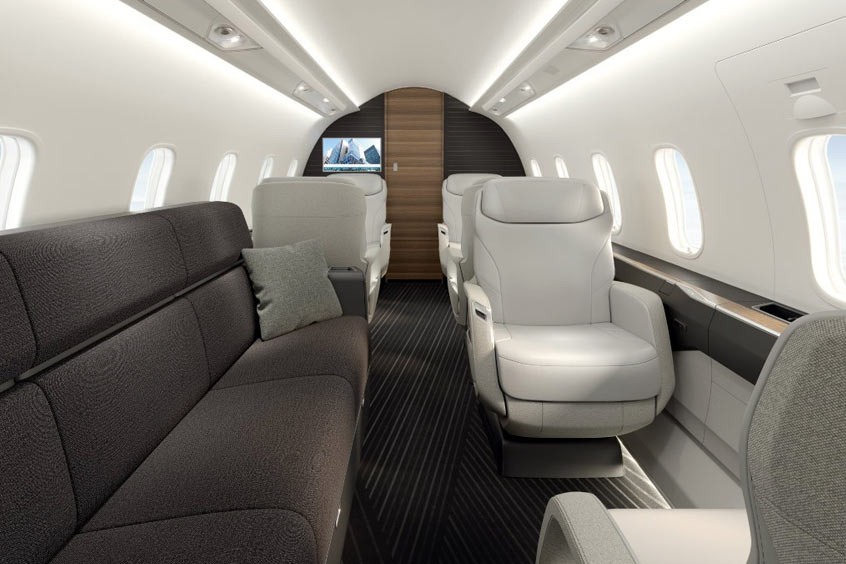
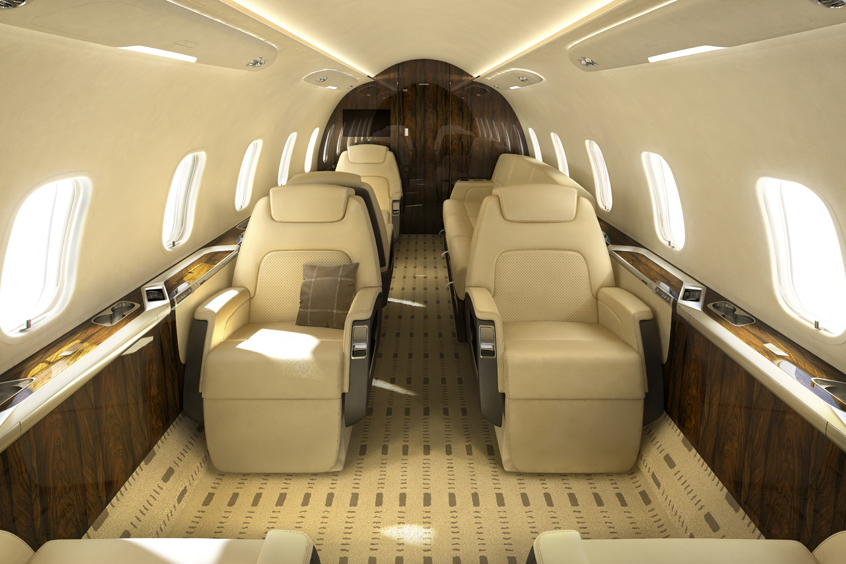
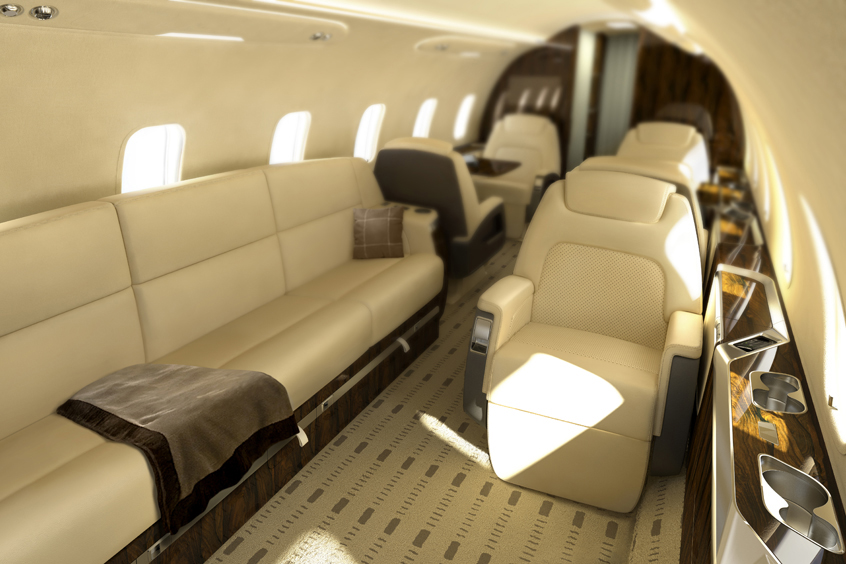
Two pilots on flight deck face Electronic Flight Instrument System (EFIS) with 4 colour LCD displays plus Head-up Display (HUD) with Enhanced Vision System (EVS). The cabin, for 8 passengers, is the widest in its class .
The aircraft as engineered: what it is built from, the systems it flies with, and its configuration — each box a theme.
Notable technologies — each tag names a technology on our research record for this aircraft, with its fitting status: Primary, Standard, Option or Planned.
Technical reference compiled with AI research; a value appears only where two independent research passes and a web fact-check agree. Gaps are deliberate.
Supplier geography and market analysis for this program — with an Analytics subscription.
Subscribe| Variant | Launch / first flight | Production end | Notes |
|---|---|---|---|
| Bombardier Challenger 300 | 1999 / 2001 | 2014 | Production: 56 (2019) Bombardier delivered 56 Challenger 350 aircraft in 2019, capturing a 44% share of the super-midsize segment and earning the model its sixth consecutive year as the world's most-delivered business jet in that category. This figure is confirmed by both [high]. Original variant of the business jet with Honeywell HTF7000 engine. |
| Bombardier Challenger 350 | 2013 / 2013 | Production: 60 (2018) GAMA: Bombardier Challenger 350. Improved range variant of 300 with two Honeywell HTF7350 turbofan engines, updated avionics and larger windows | |
| Bombardier Challenger 3500 | 2021 / | Latest variant of 300 with sustainably designed interior, Nuage seats and reduced cabin altitude. Expected to enter service in 2022. |
| Bombardier Inc. | News |
The program’s dated history — milestones, contracts, supplier selections and facilities, each linked to its source. Log in to view.
Information on this page is compiled from a variety of published sources; links do not necessarily imply recommendation or confirmation by the airframe manufacturer.
Corrections go straight to the editorial team that maintains this directory.