
Aircraft program
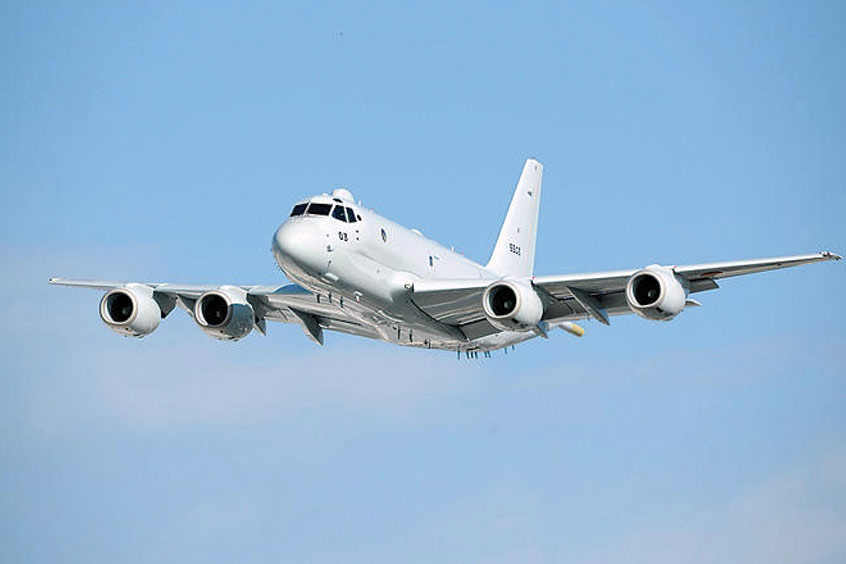
Low wing maritime patrol aircraft with four wing mounted jet engines (previously known as XP-1).
The aircraft as engineered: what it is built from, the systems it flies with, and its configuration — each box a theme.
+ 1 technology researched and confirmed absent from this program.
Technical reference compiled with AI research; a value appears only where two independent research passes and a web fact-check agree. Gaps are deliberate.
Supplier geography and market analysis for this program — with an Analytics subscription.
Subscribe| Variant | Launch / first flight | Production end | Notes |
|---|---|---|---|
| Kawasaki P-1 | 2007 / 2007 | Production: 2 (2013) Japan Maritime Self-Defense Force took delivery of the first two operational P-1 aircraft on 26 March 2013, marking initial entry into service. The aircraft were briefly grounded in May 2013 following an engine instability incident. [high]. Bomber and surveillance maritime aircraft. |
| Kawasaki Aerospace | News |
The program’s dated history — milestones, contracts, supplier selections and facilities, each linked to its source. Log in to view.
Information on this page is compiled from a variety of published sources; links do not necessarily imply recommendation or confirmation by the airframe manufacturer.
Corrections go straight to the editorial team that maintains this directory.