
Every Bulletin story and press release covering Airbus S.A.S., newest first.
71 items · page 1 of 2
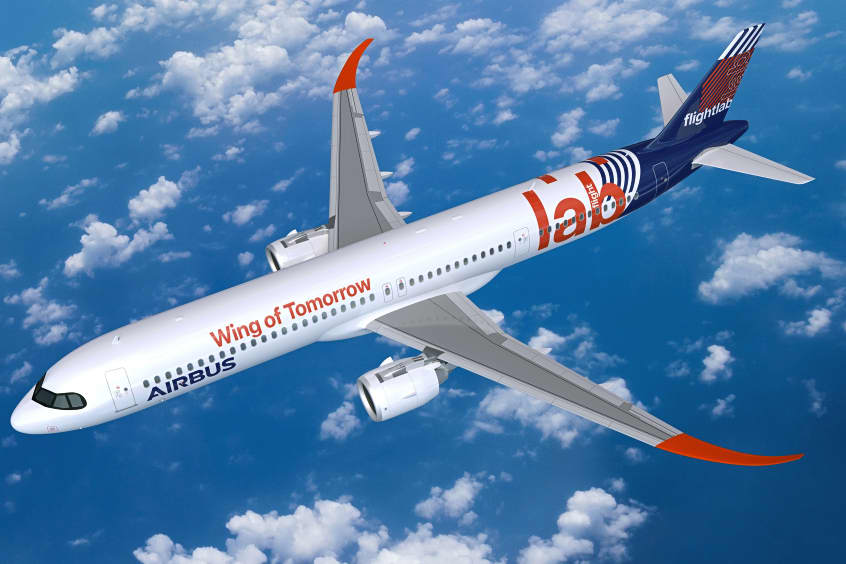
Full-scale wing extensions will be fitted to an A321neo over the next three years to assess how longer wingspans affect handling and efficiency.
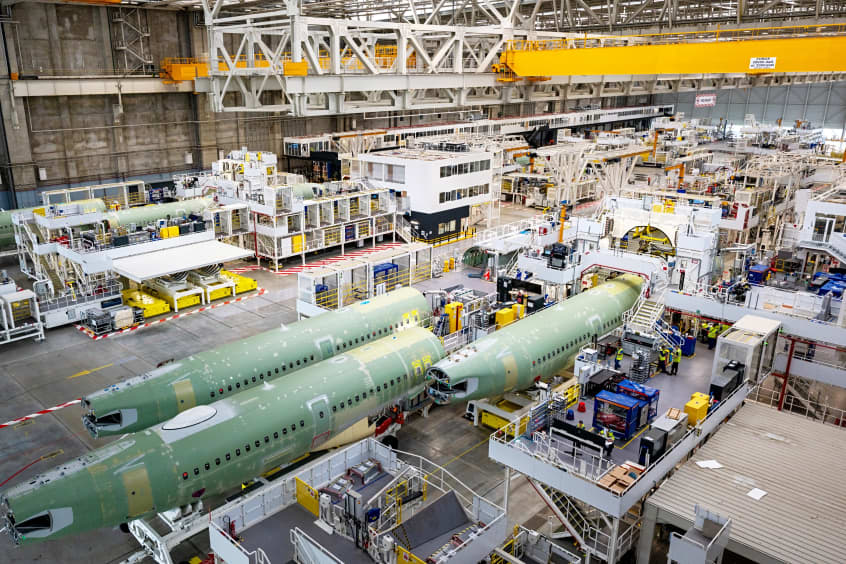
The latest production facility has strengthened Airbus’ global assembly network as demand for the A321neo continues to grow.
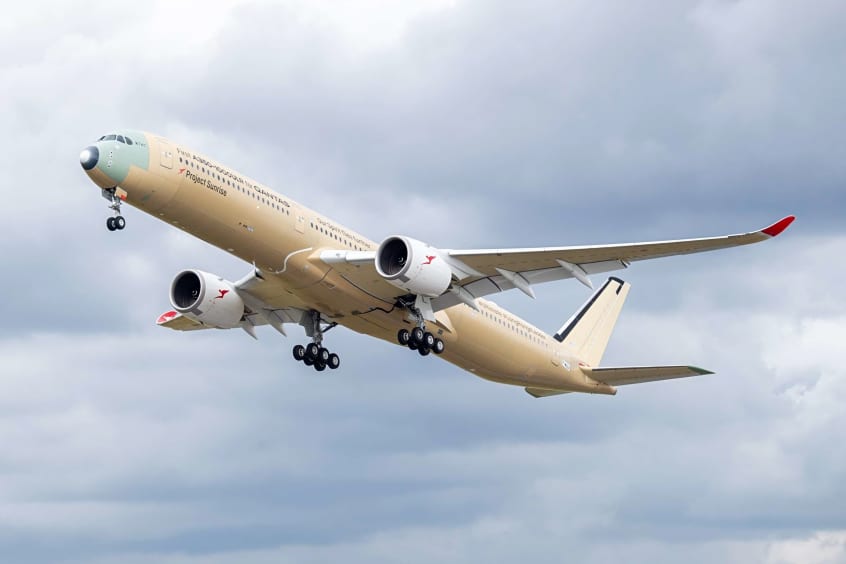
Qantas plans to use the Airbus aircraft on non-stop Sydney-London services lasting up to 22 hours, a route once considered beyond the reach of commercial aviation.
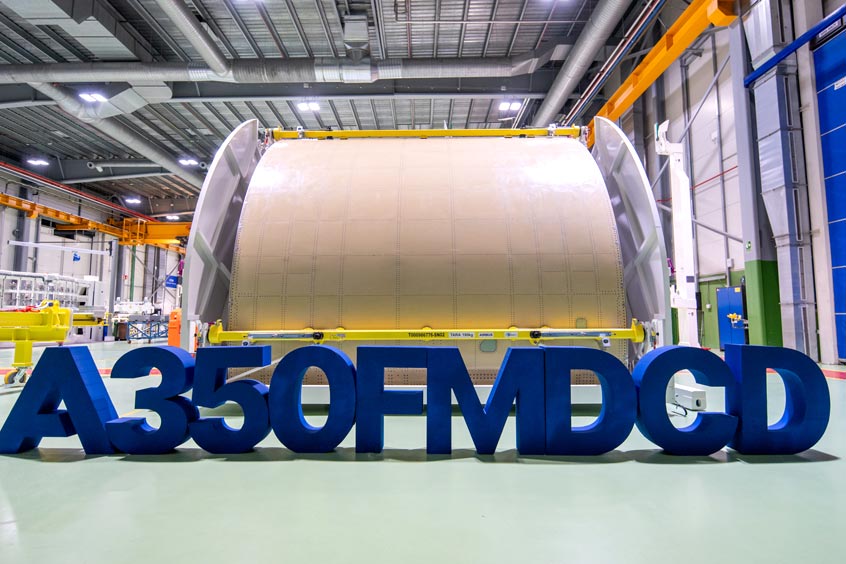
The industry’s largest cargo door has moved from Spain to Toulouse for installation on a test aircraft, signalling a shift from assembly into testing phase.
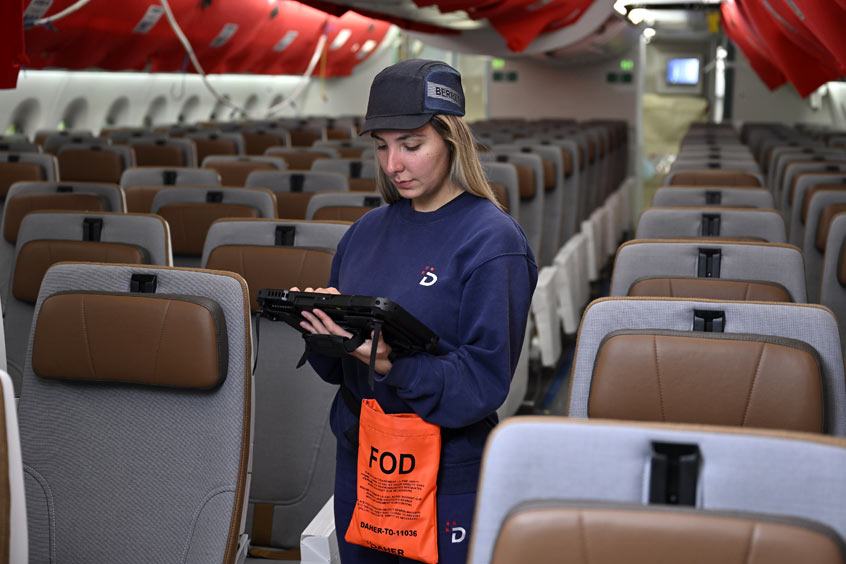
Airbus awarded Daher a second A321 final assembly line contract and renewed widebody outfitting deals for its A350 and A330 programmes.
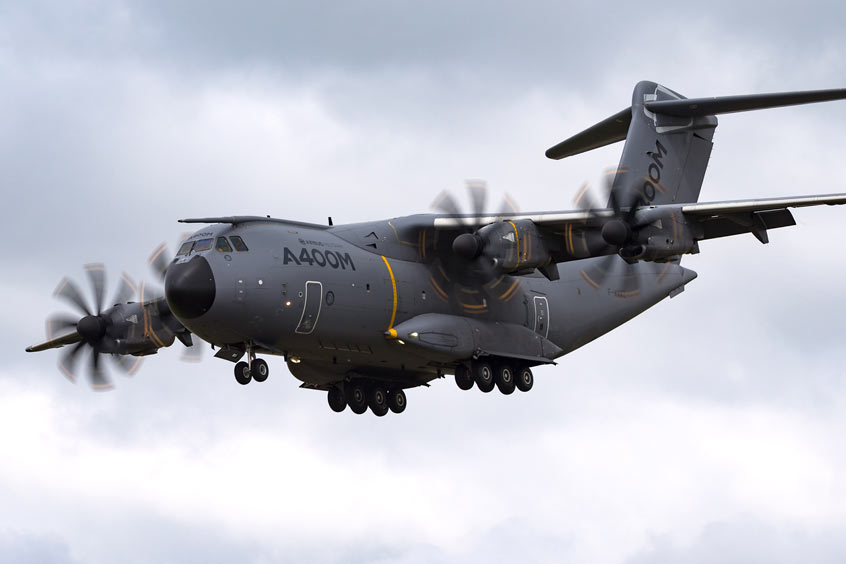
Certified polymer components have cut weight, reduced lead times and improved production flexibility across Airbus aircraft supported by Stratasys systems.
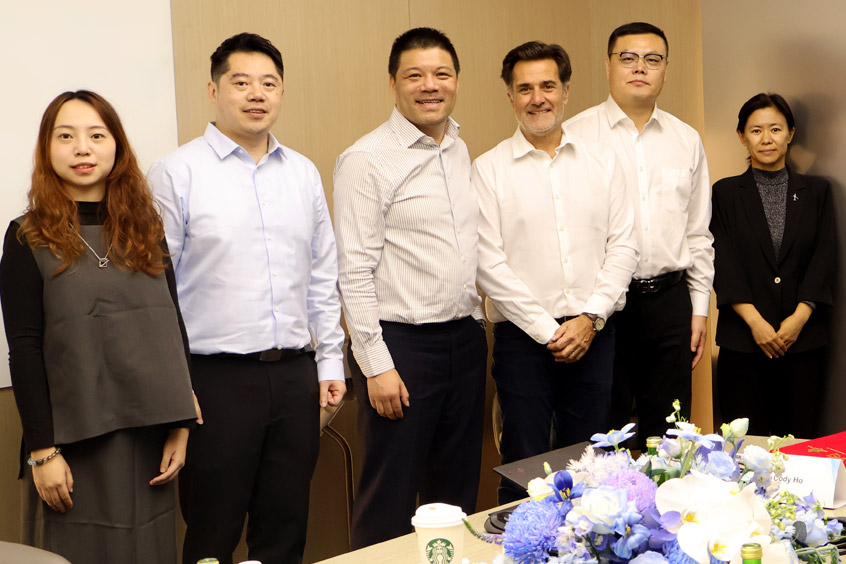
Under its first direct Airbus contract, FDH Aero will partner with Harbin Hafei Airbus Composite Manufacturing Centre to supply fasteners for the A350’s composite tail section.
The improved Tianjin facility increases Airbus’ global final assembly capacity and supports its plan to build 75 A320 Family aircraft each month by 2027.
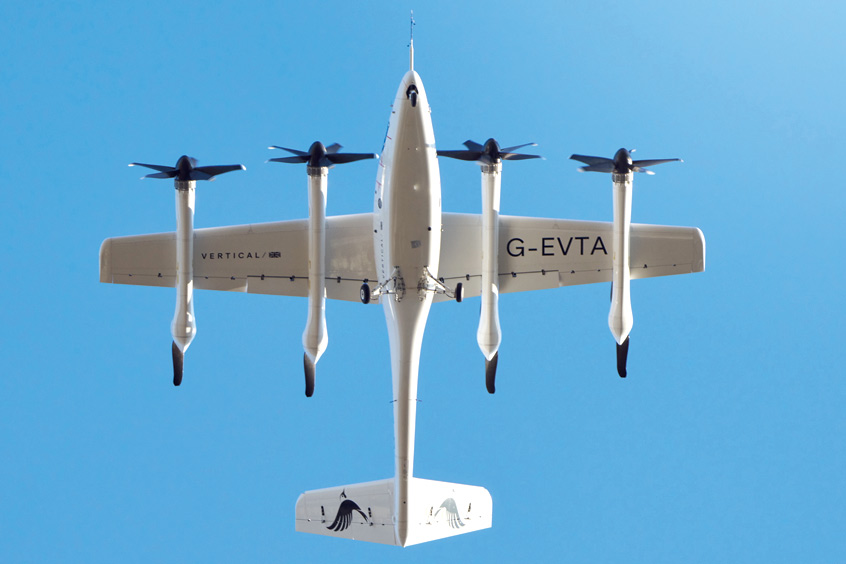
The company has agreed to manufacture and engineer the full VX4 airframe as part of Vertical’s wider Flightpath 2030 production and certification strategy.
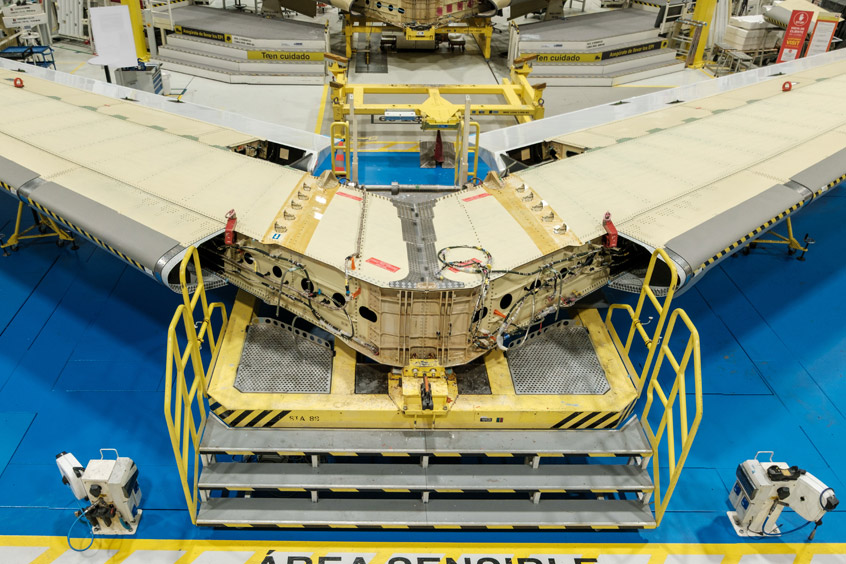
Cádiz and Getafe facilities produced and assembled the tail unit ahead of shipment to Toulouse for fuselage integration and testing.
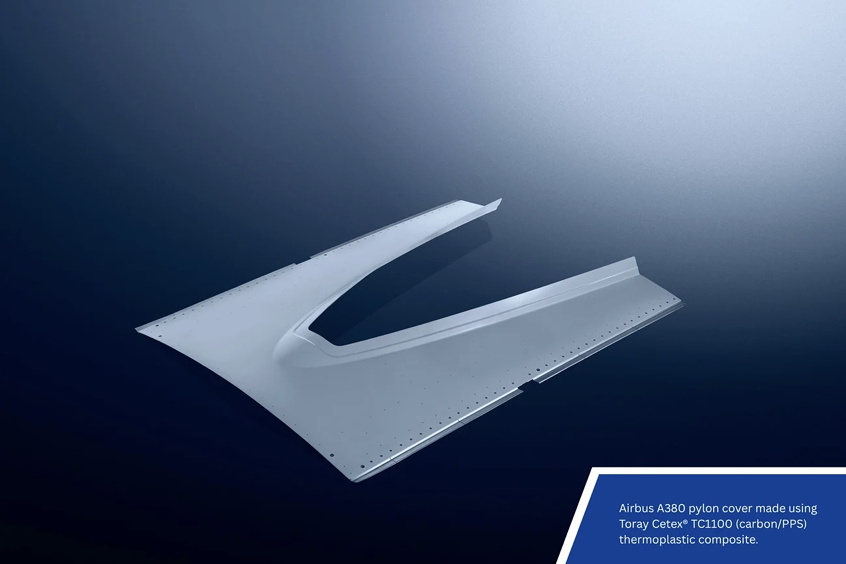
The Airbus-backed initiative has targeted the reuse of carbon/PPS composite pylon covers, aiming to reduce industry waste.
The facility in Wallonia was built with regional and federal support and aims to produce 700,000 blades annually by 2026.
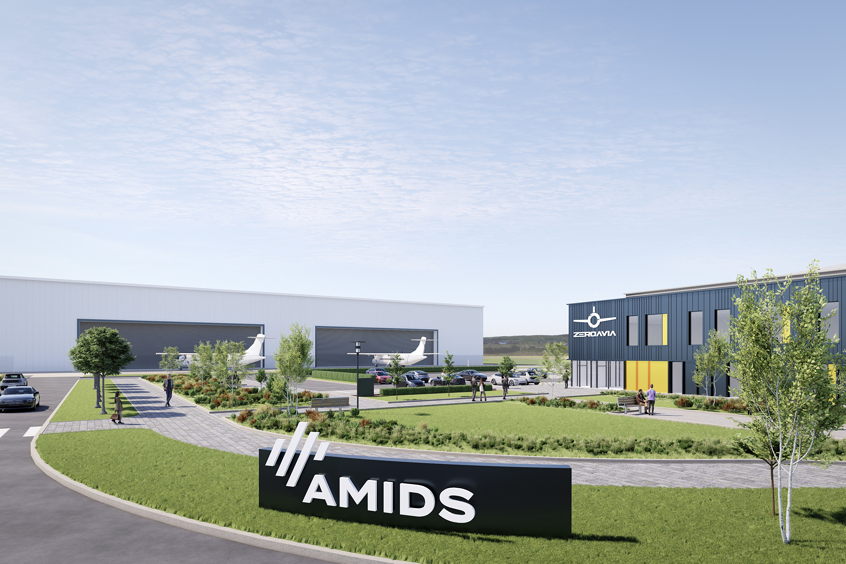
The high temperature fuel cells that ZeroAvia will manufacture in the planned Glasgow facility are said to be key to unlocking fuel cell propulsion for larger aircraft.
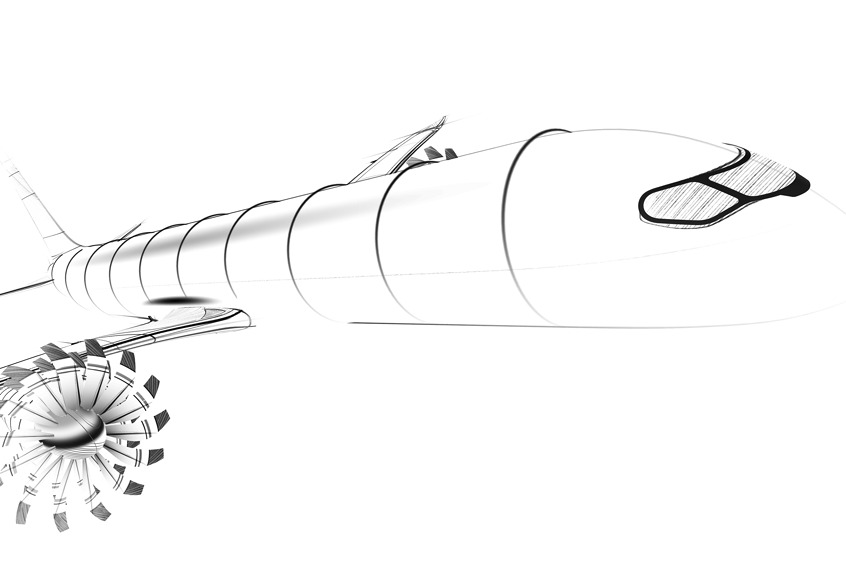
Hydrogen-electric fuel cell development and SAF-ready design studies were both announced during the 2025 Airbus Summit in Toulouse.
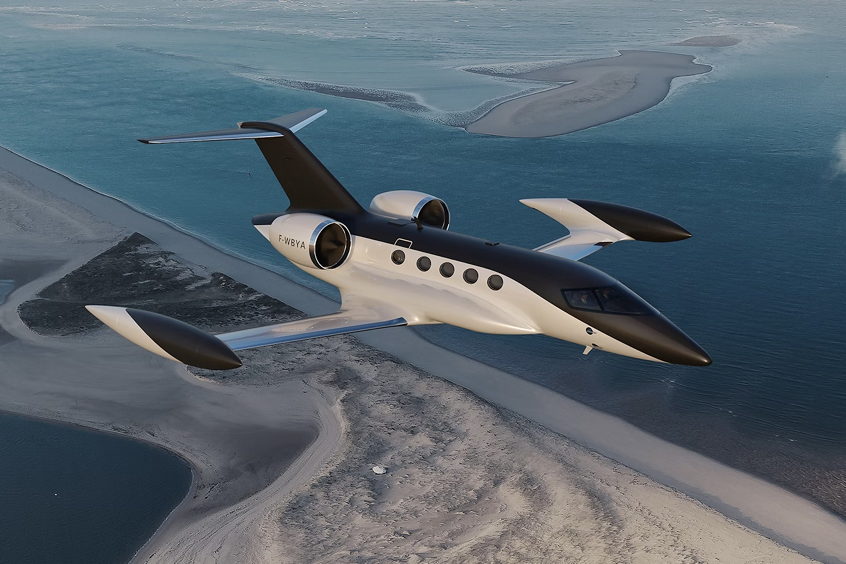
The BYA-1 features a refined fuel cell system, enhanced safety measures, and reduced operating costs to support sustainable business aviation.
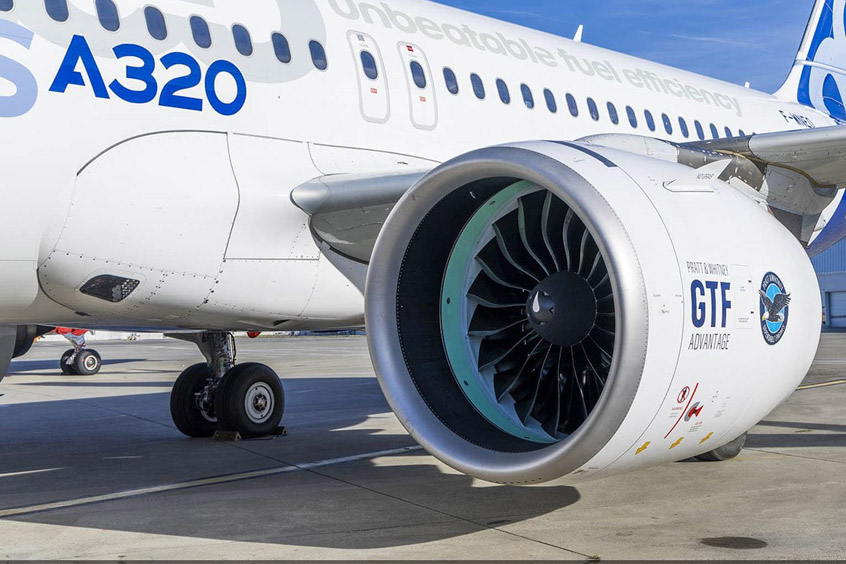
Pratt & Whitney’s latest turbofan delivers more thrust, improved durability and better efficiency while ensuring compatibility with 100% sustainable aviation fuel.
The collaboration marks a significant step toward integrating electrification technologies for commercial aircraft that aim to reduce carbon emissions.
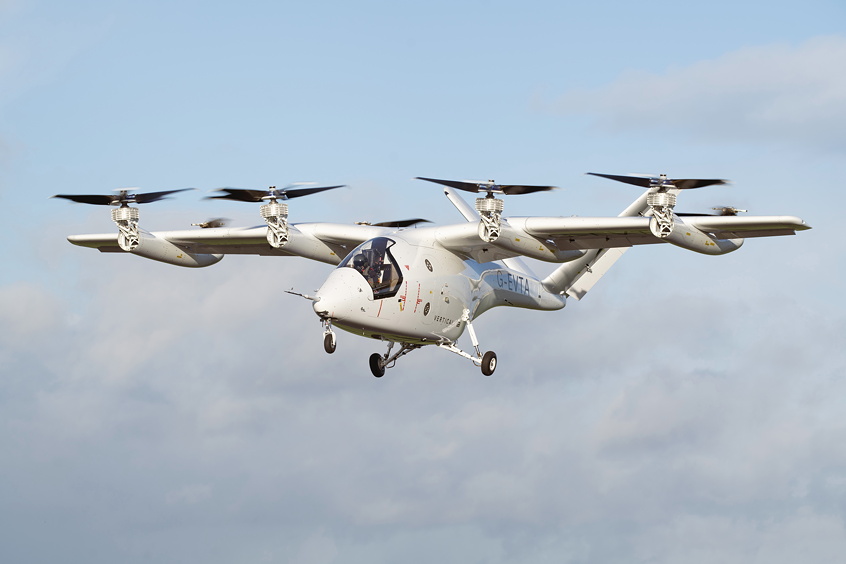
The company has partnered with Monolith to optimise AI-powered testing and has completed its first piloted thrustborne manoeuvres, with wingborne tests next on the agenda.
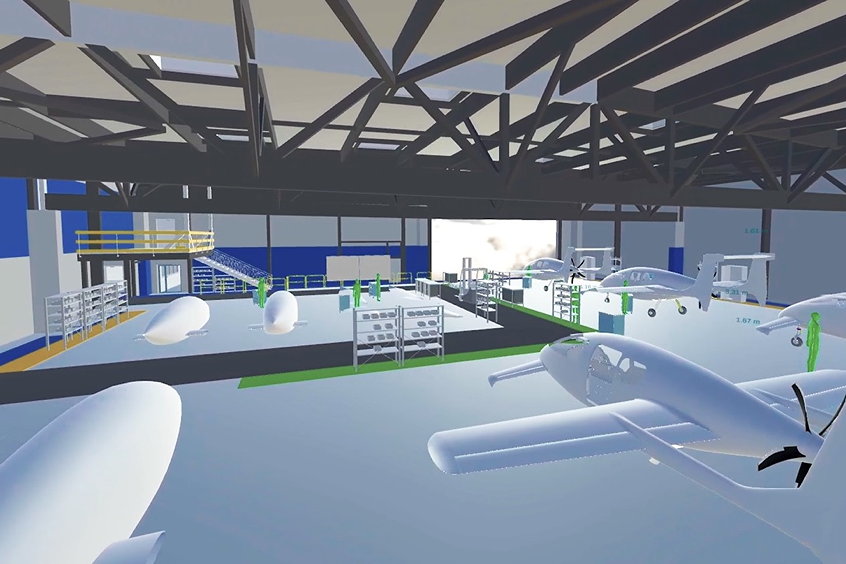
The first production aircraft version will be the Cassio 330, with a four/five-seat interior configuration and operating on a combined electric-hybrid propulsion power of 330 kilowatts.
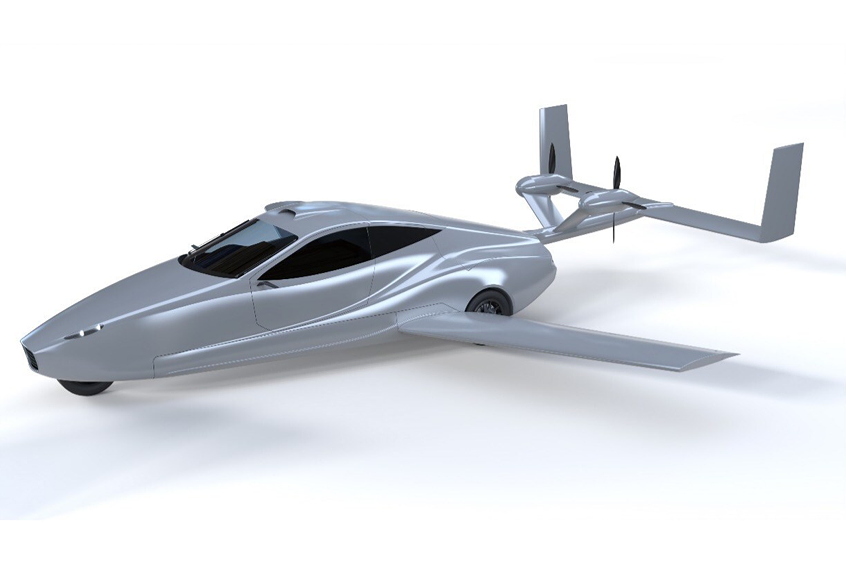
The new design improves performance and shortens the pathway to production by transferring much of what worked well in the test vehicle that flew, into the new streamlined design.
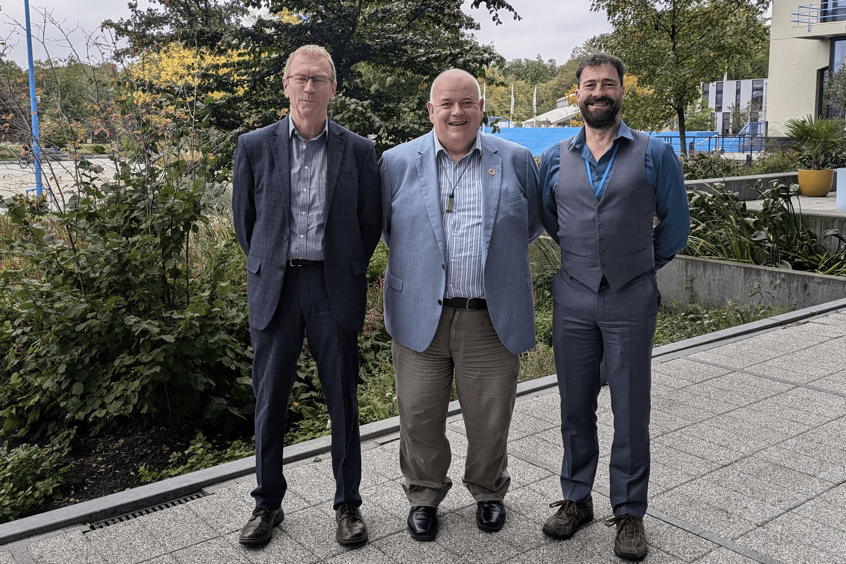
This collaboration unites HyFlux’s cutting-edge innovations in superconducting motor technology with the world-class research expertise of the Paihau-Robinson Research Institute, led by Professor Rod Badcock.
The first product that Diehl Aviation will produce in Mexico is extra-spacious luggage compartments for the Airbus A220. The A220 is assembled in Mirabel, Québec and Mobile, Alabama, USA.

The first A321XLR completed its maiden flight in June 2022. This was followed by an extensive test programme involving three test aircraft. So far more than 500 Airbus A321XLRs have been ordered.

The flight control computer experts have a clear focus on R&D for highly integrated solutions in the area of high performance and multicore processing control computers.
Increased capacity at Fossé will be used to produce industrial valves and high-pressure hydraulic fittings used in aerospace fluid-conveyance systems. Parent company Senior plc has also secured new contracts with Collins.
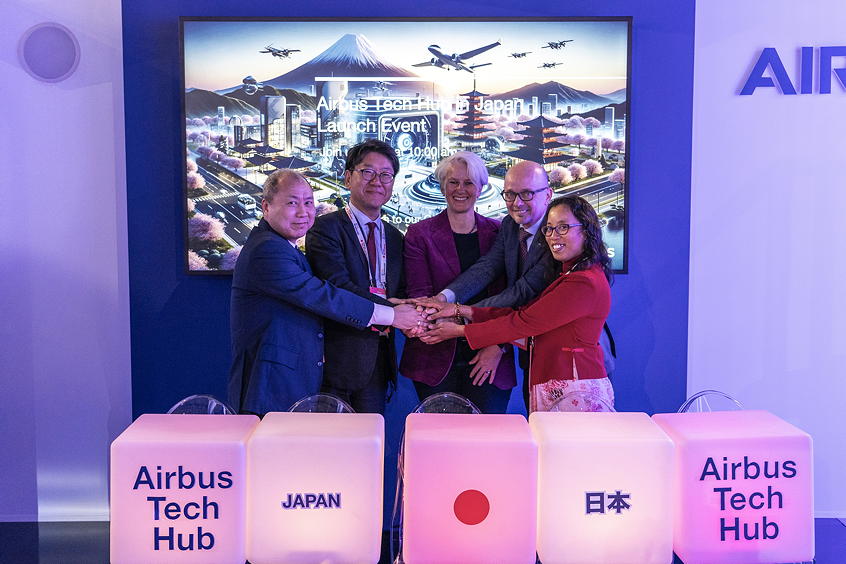
The new Airbus Tech Hub, coordinated from Tokyo, will focus on three key research areas, including the development of new materials, decarbonisation technologies, robotics and automation.
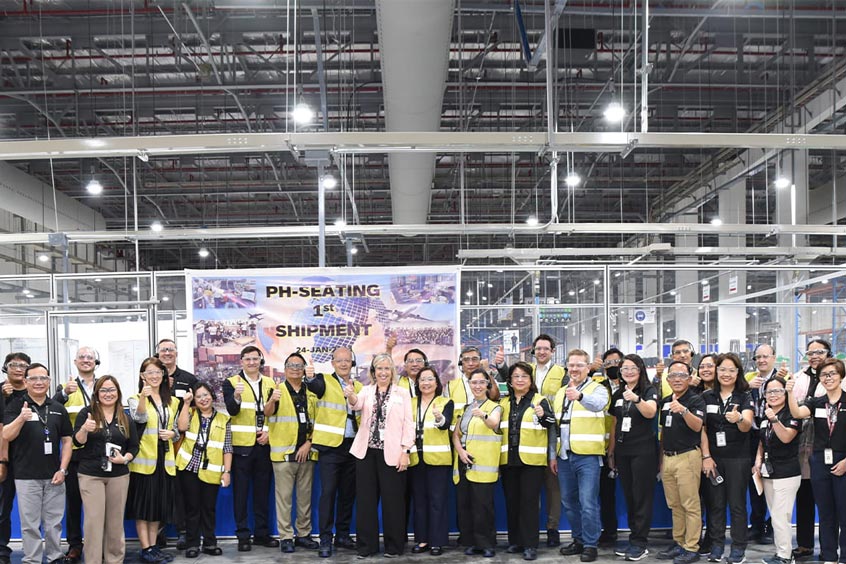
The site's seating assembly capacity is expected to triple throughout 2024, with deliveries to 14 separate customers across multiple original equipment manufacturer linefits and several retrofit locations.
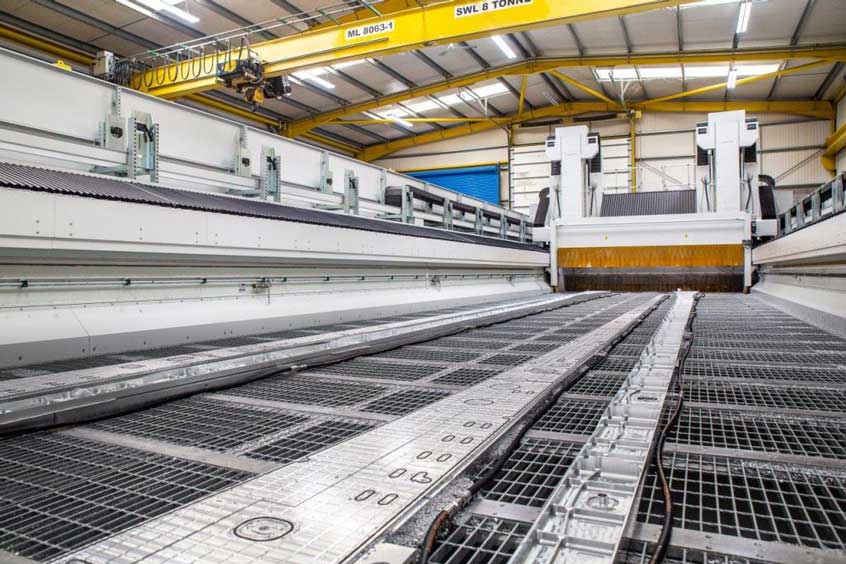
The agreement focuses on the production of precision-machined wing spars for use on the A320 family of aircraft, and will involve expansion of Magellan's long bed machining capability at its Wrexham facility.
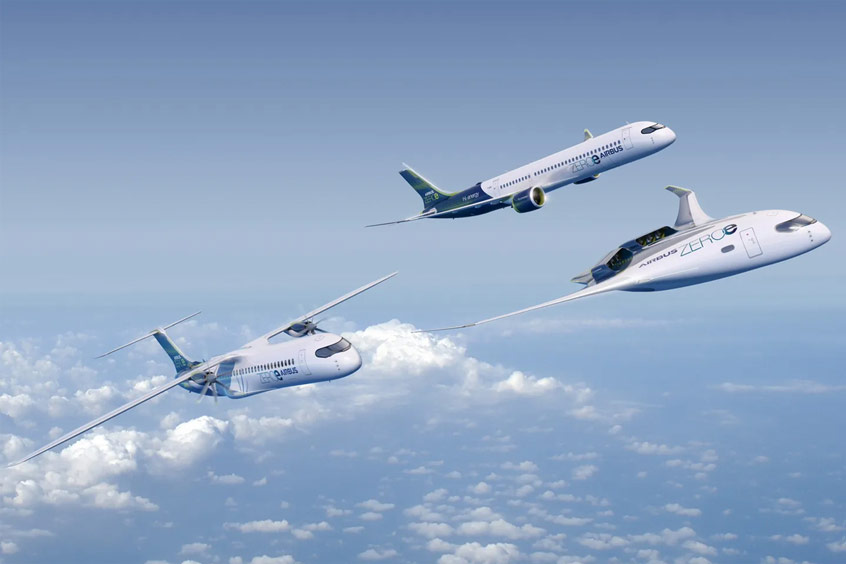
A priority for the Stade ZEDC is the development of cost-competitive lightweight Hydrogen systems such as cryogenic Hydrogen tanks, in composites.
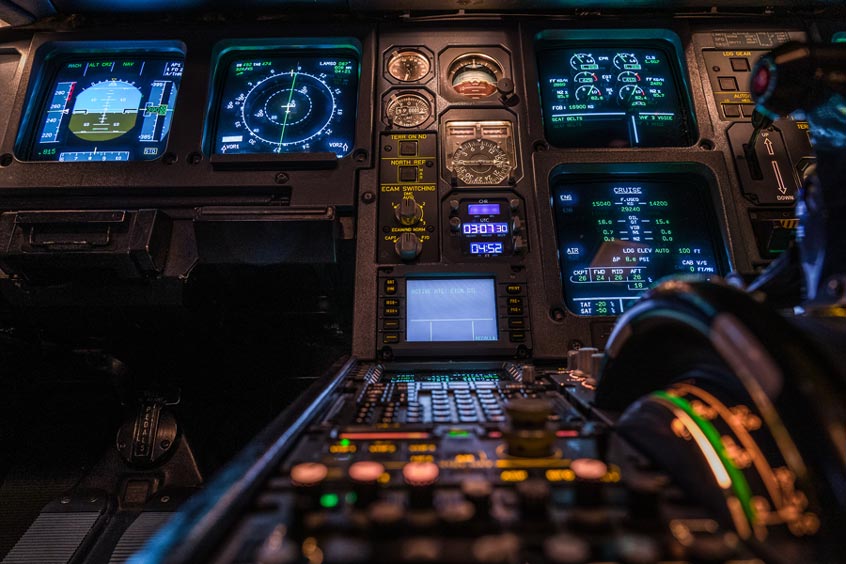
Sopra Steria has been selected, through its Aeroline vertical, to help European aeronautics giant Airbus modernise its engineering methods and tools.
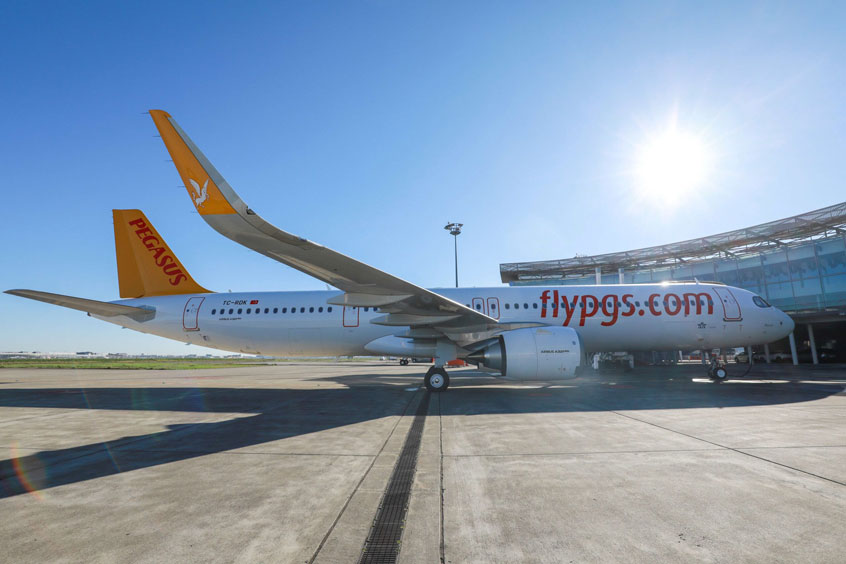
Located in the former A380 "Jean-Luc Lagardère" building, the assembly line will help meet demand for the A321neo, which now accounts for nearly 65% of Airbus' A320 Family order backlog.
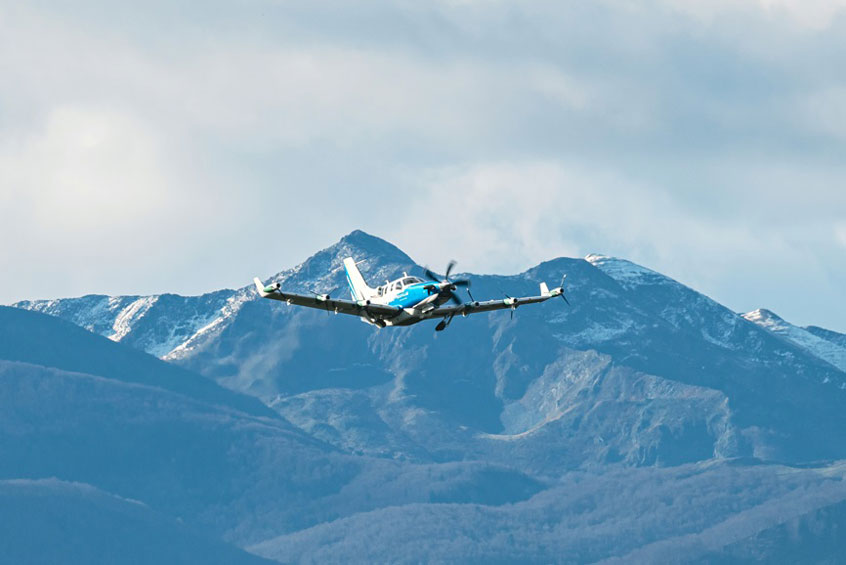
The demonstrator aims to evaluate the operational advantages of integrating hybrid-electric distributed propulsion, with specific emphasis on CO2 emissions and noise level reduction.
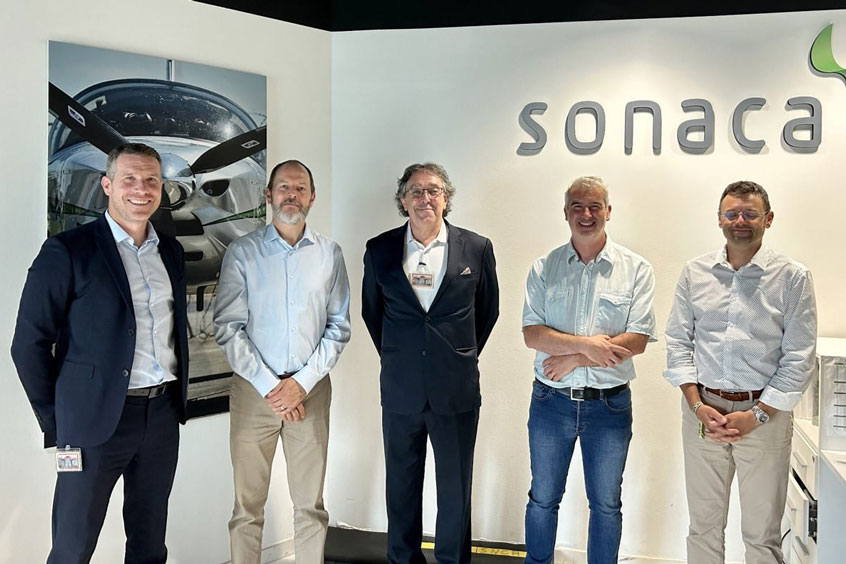
The contract covers honeycomb parts for flaps on the Airbus A321 and the contract extension to supply machined honeycomb parts for slats on the Airbus A320, A330NEO and A350 programs.

The project will focus on the needs for future hydrogen-fuelled aircraft, aiming to reduce the weight and volume of the powertrain system through a simplified balance of plant and cooling subsystems.
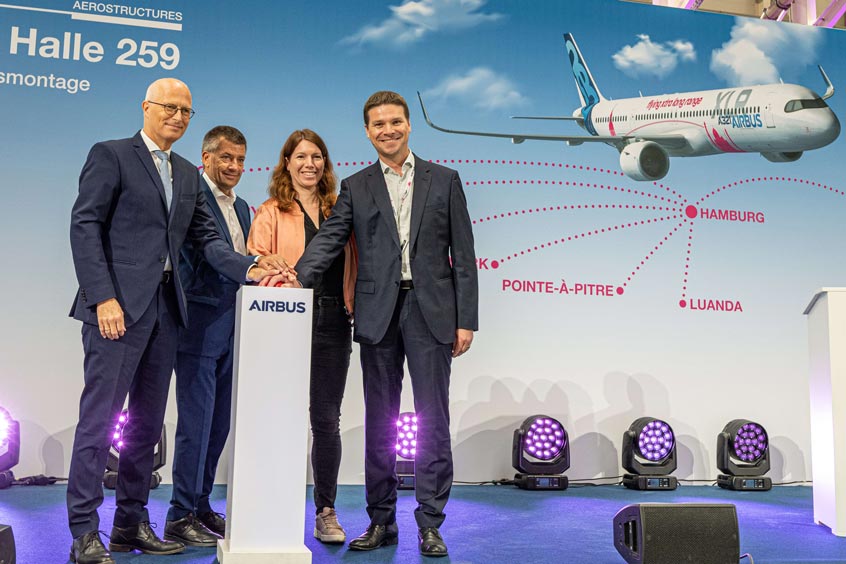
All the components of the rear fuselages of the A321XLR aircraft, which is also built in Hamburg, will be installed and mounted in the new hangar.
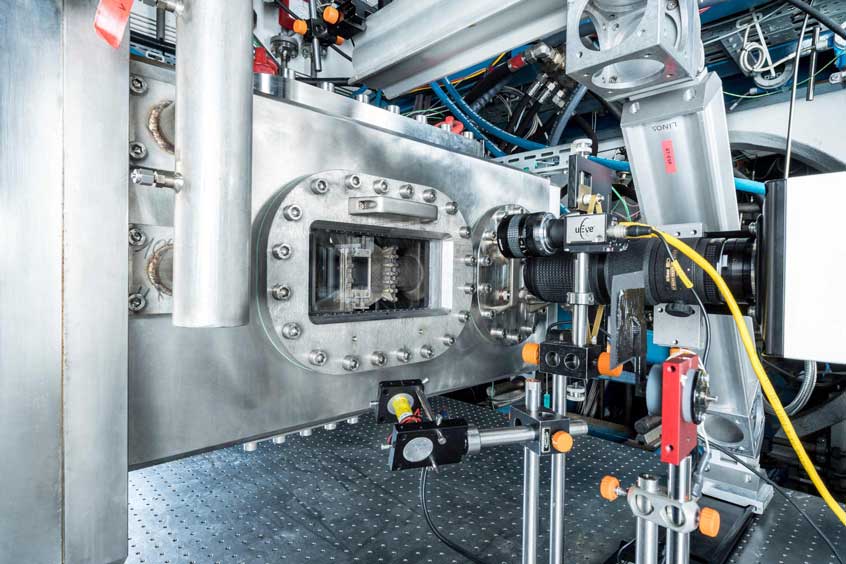
The combustion behaviour of hydrogen is significantly different from that of conventional aviation fuels such as kerosene, and the infrastructure at DLR enables experiments in a realistic environment.
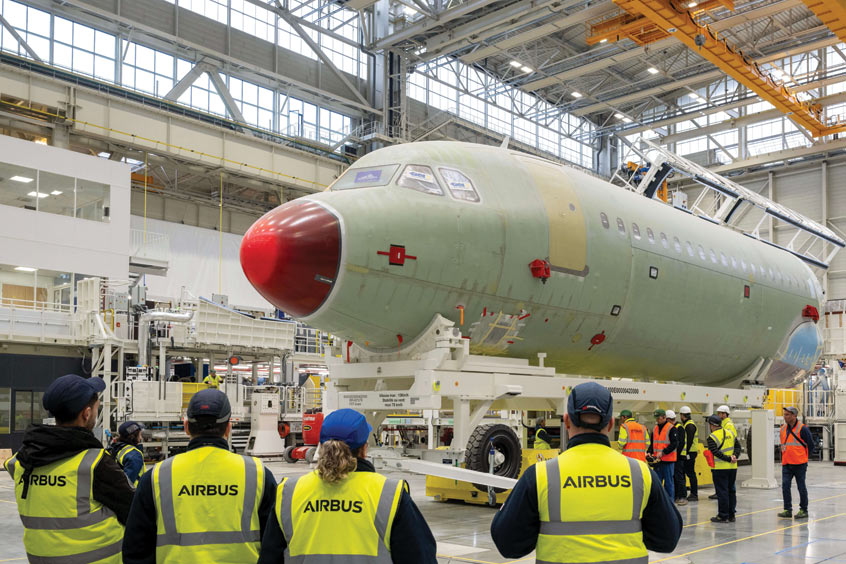
The new facility is one of two final assembly lines in Toulouse, alongside four in Hamburg, Germany; two in Mobile, United States; and two in Tianjin, China, all them capable of assembling the A321.
The enhanced Passenger Service Units will include updated industrial design, optimised passenger air outlets, latest LED lighting solutions and other design improvements to reduce weight and meet program objectives.
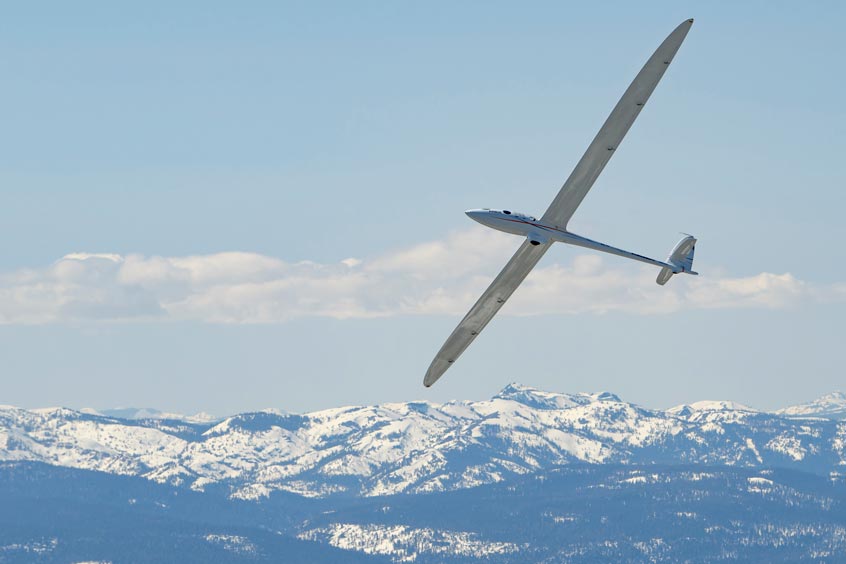
The aircraft will soar to altitudes where the air density is similar to the atmosphere on Mars, providing unique opportunities for aerodynamic studies related to turbulence, extreme weather and future space exploration.
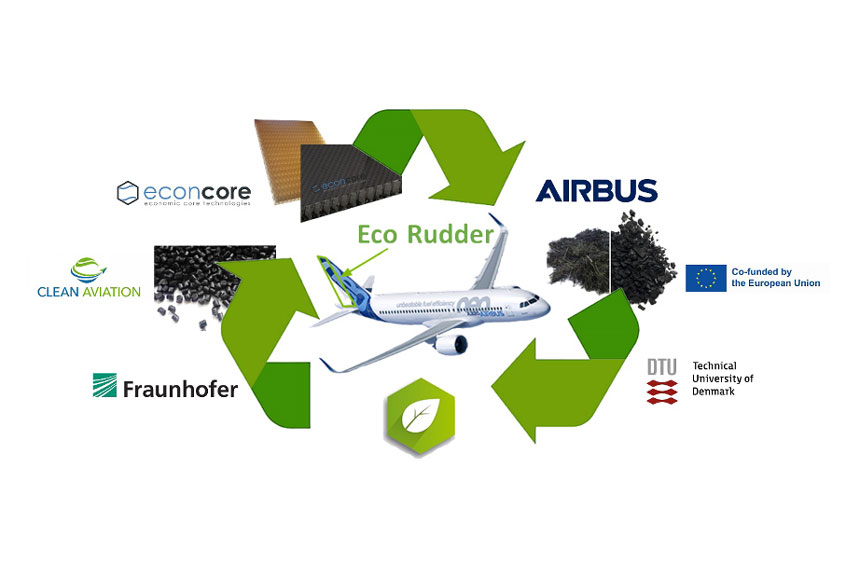
Four partners will collaborate on the work package in FASTER H2, called EcoRudder, which focuses on the development of a new generation rudder structure for a single-aisle commercial aircraft.
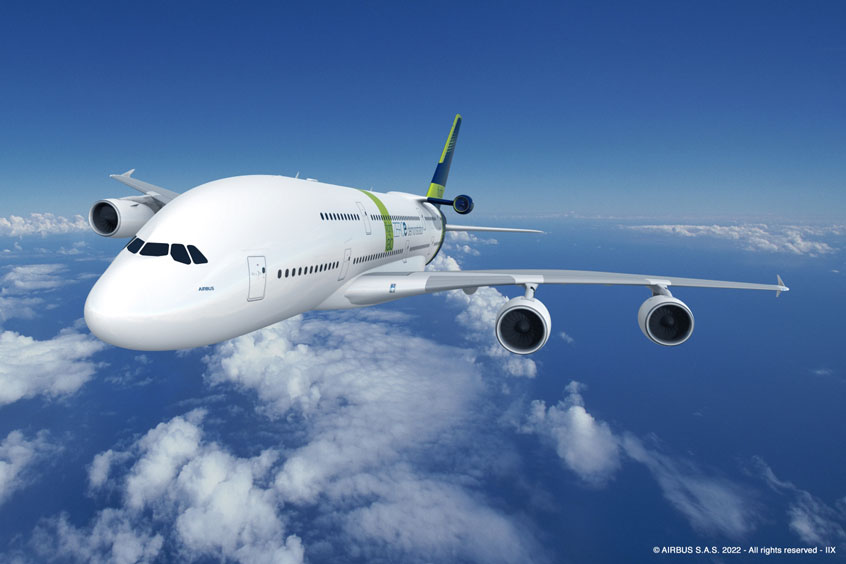
Liebherr-Aerospace now aims to design and qualify a safety-of-flight air supply demonstrator, which is able to withstand the integration constraints in an operational environment close to the propulsion system.
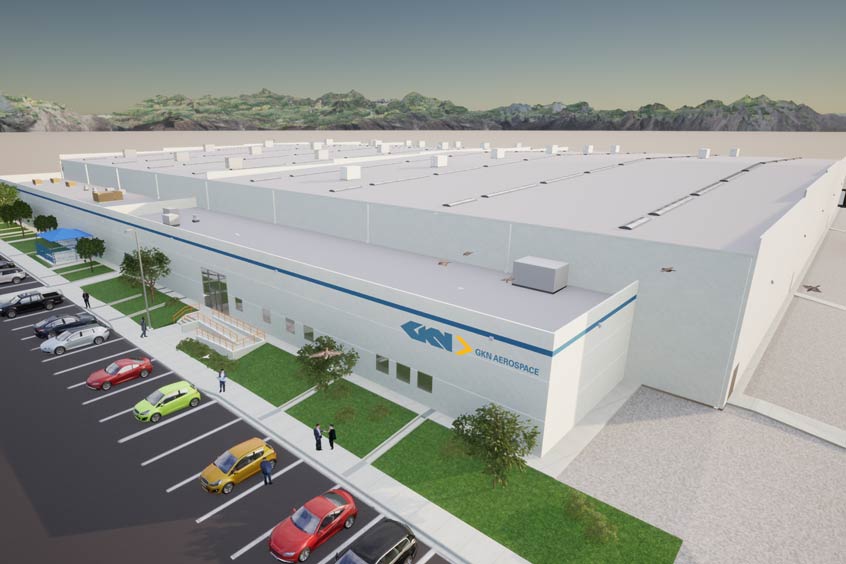
The Chihuahua facility currently supplies advanced composite and metal structures, special processes and engineering services for leading aerospace customers including Airbus, Gulfstream and Honda Aircraft.
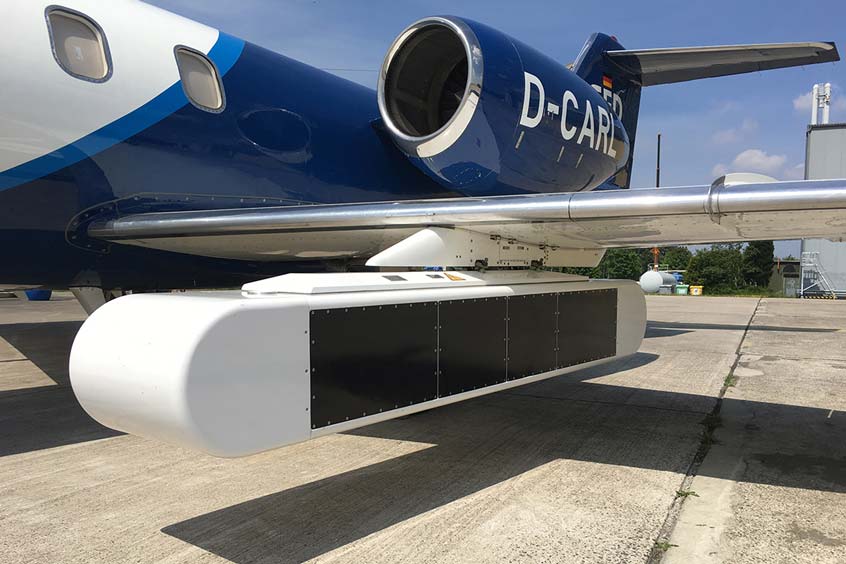
The core elements of the system are a fully digitalised, broadband receiver, an electronically controllable antenna and a condensed structure of the electronic components only made possible by metallic 3D printing.
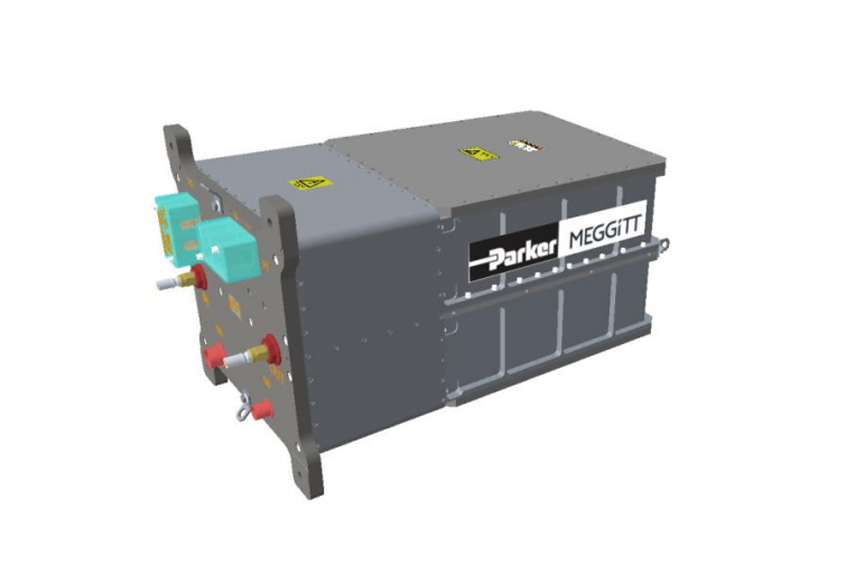
The eBuffer will maximize safety, efficiency and weight while balancing electric and mechanical constraints, as a piece of the electrical system that will complement the Fuel Cell primary power source.
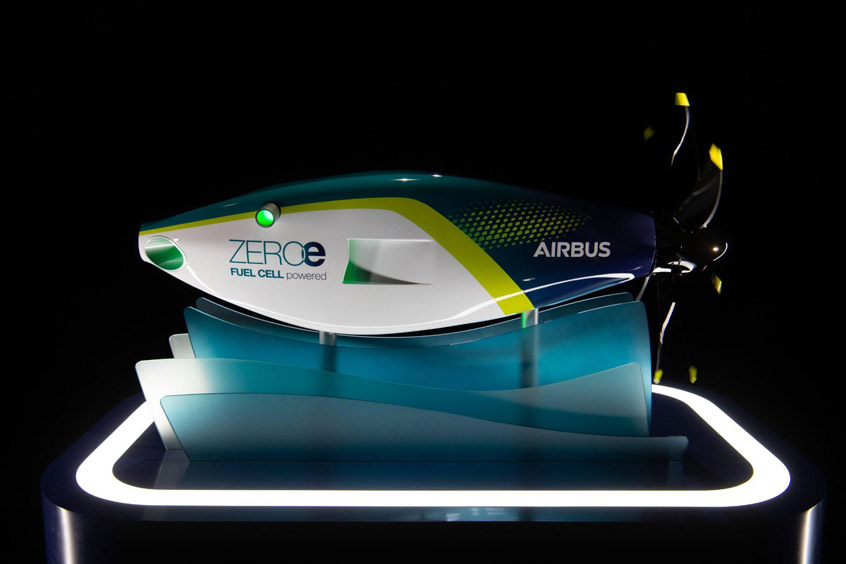
Ground and flight testing this fuel cell engine architecture should begin onboard the ZEROe demonstrator aircraft towards the middle of the decade. The A380 is currently being modified to carry liquid hydrogen tanks.
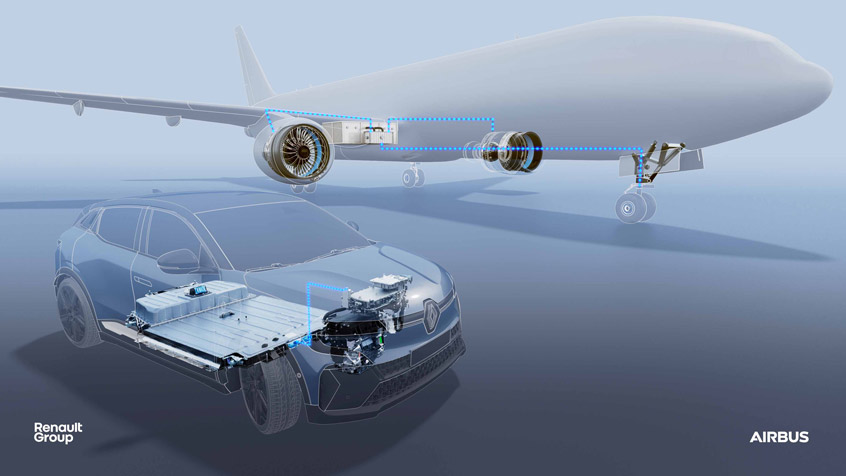
The agreement will look for the best pathways to move from current cell chemistries (advanced lithium-ion) to all solid-state designs which could double the energy density of batteries in the 2030 timeframe.
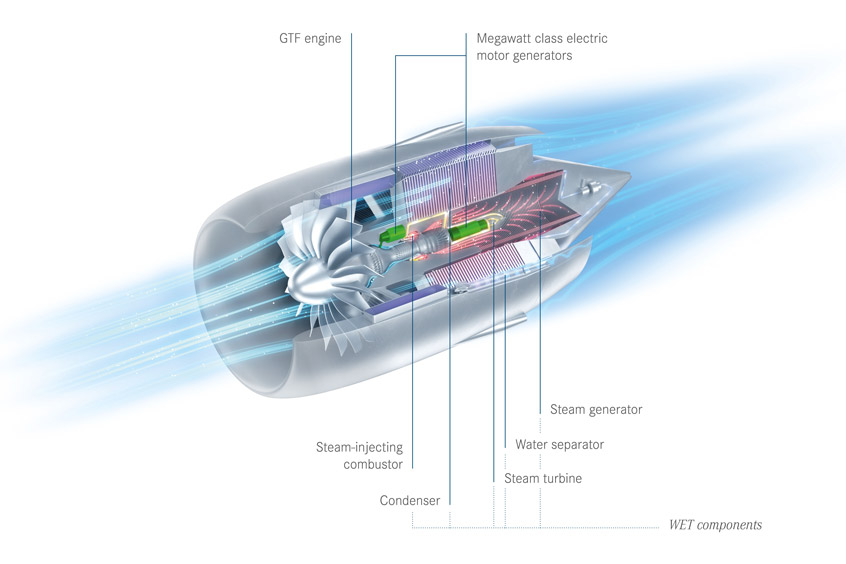
A new project will combine two innovative technologies - Water-Enhanced Turbofan and hybrid-electric propulsion - with Pratt & Whitney's GTFTM engine architecture.
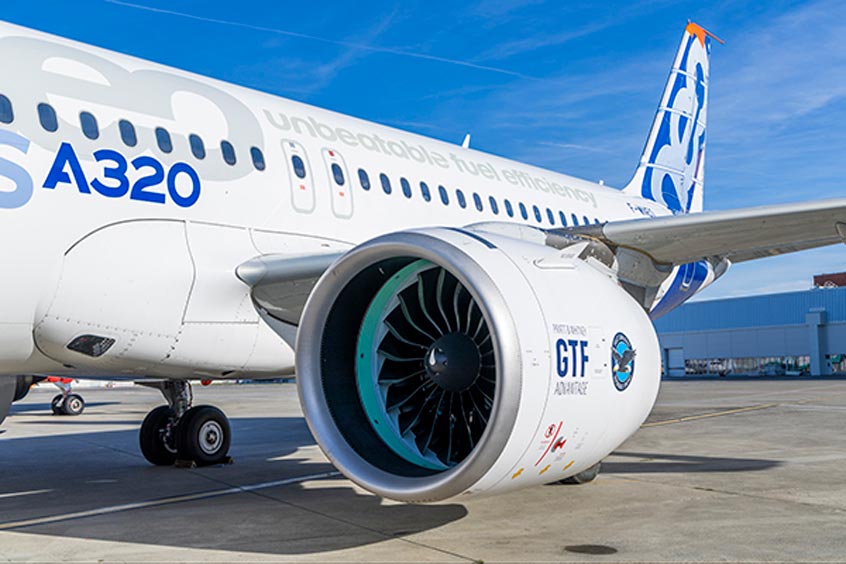
Engine certification will continue through the first half of 2023, including flights currently under way on the P&W flying test bed in Mirabel, as well as endurance testing to ensure product maturity at entry into service.
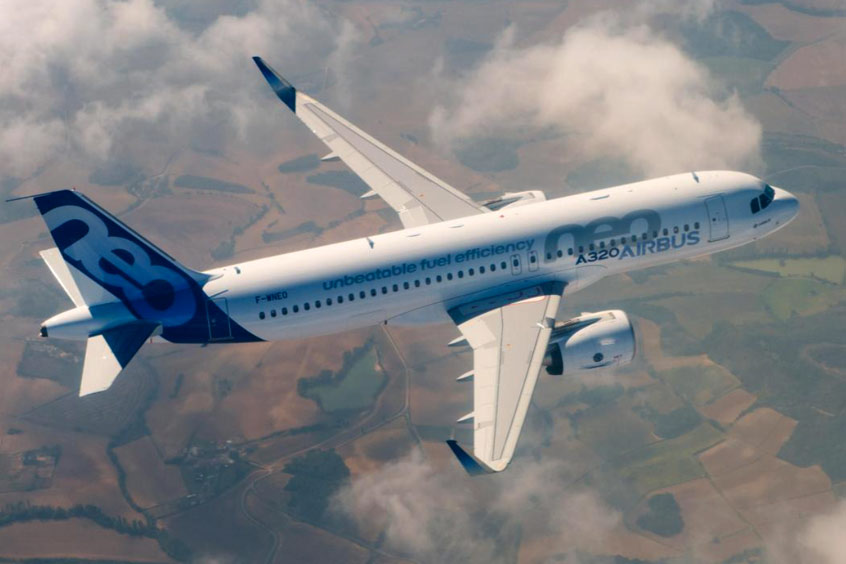
SLS enables pilots to perform 'straight-in' approaches using satellite precision when coming into land at airports, without the need for additional ground-based systems such as ILS, even in low-visibility conditions.
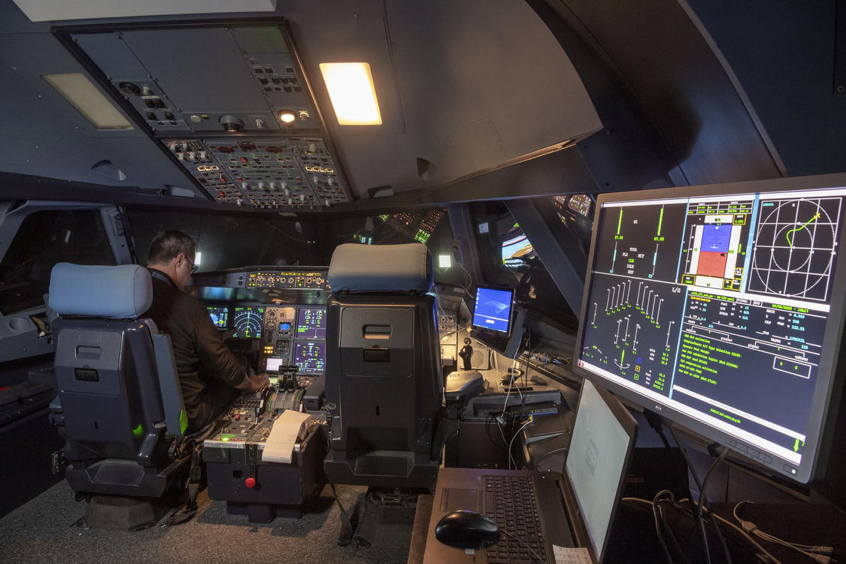
The first of three A321XLR flight test aircraft will be handed over to the flight-test team in the near future. In parallel, ground based testing campaigns are in full swing at various Airbus sites.