Every Bulletin story and press release covering Electrical Power Systems, newest first.
700 items · page 3 of 14
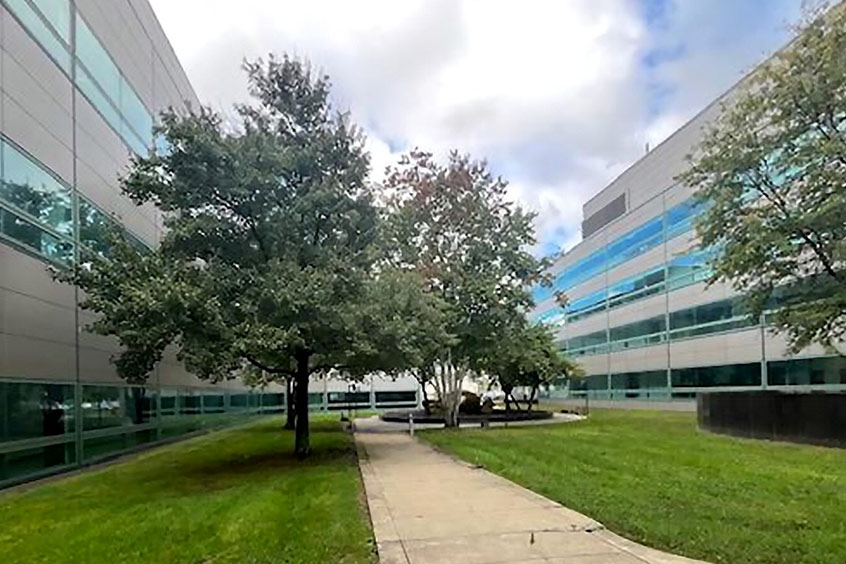
The 150,000 square foot facility will support aircraft electrification with new manufacturing, testing and field support capabilities.
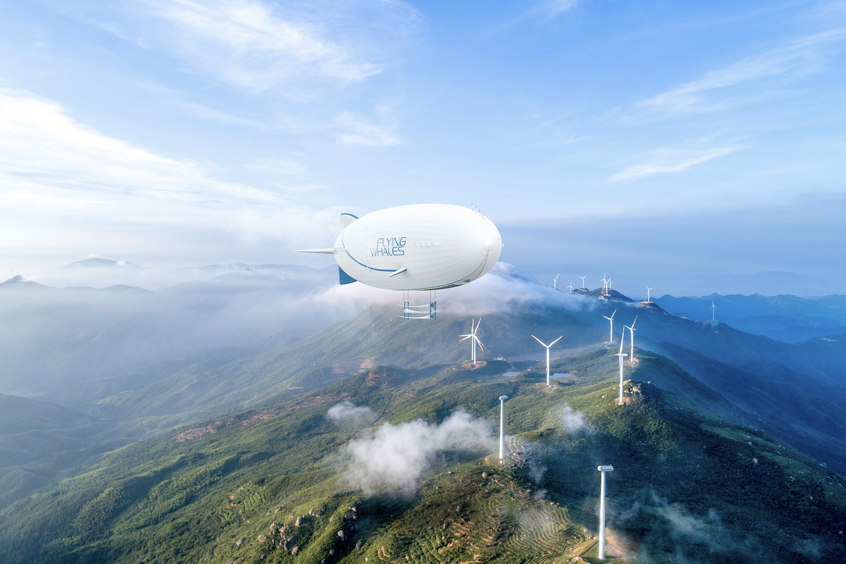
The LCA60T airship will use 32 D250 motors for efficient, sustainable heavy-lift cargo transport with reduced emissions.
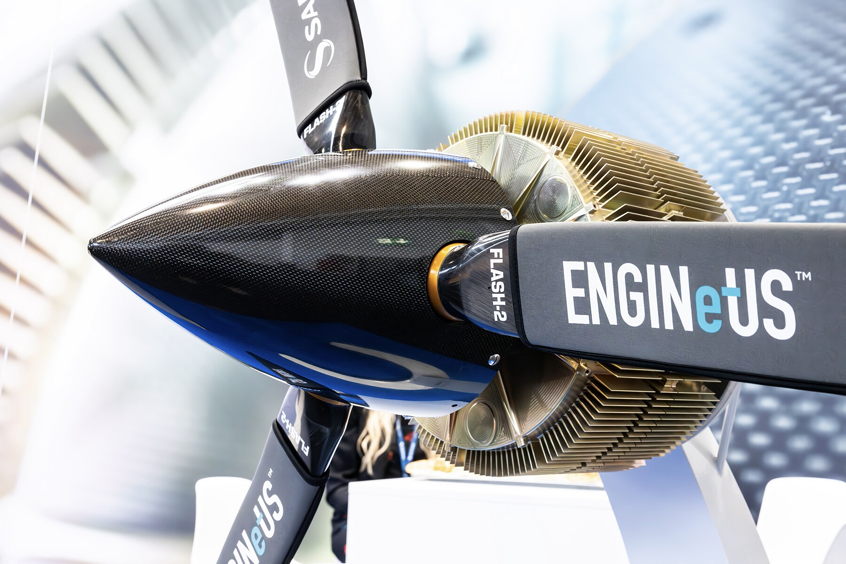
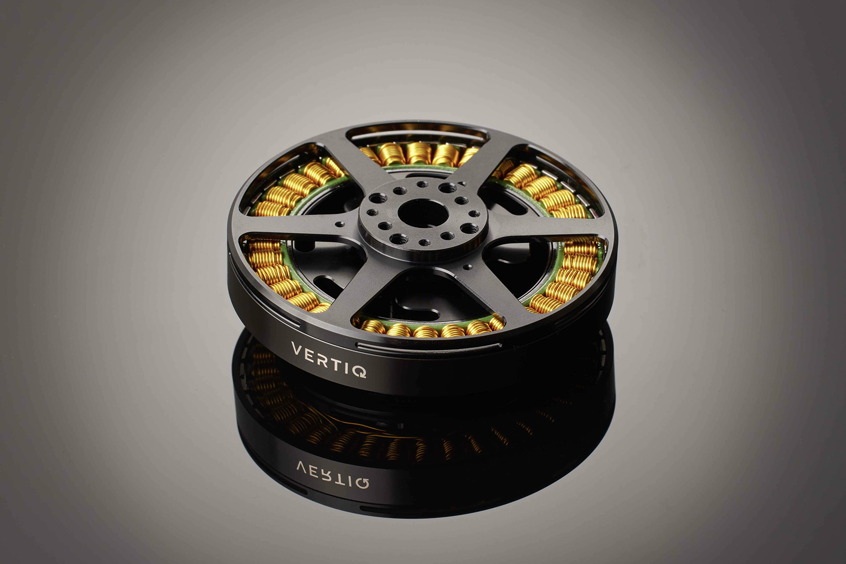
The certified electric motor will support new air mobility, from small aircraft to future hybrid propulsion systems.
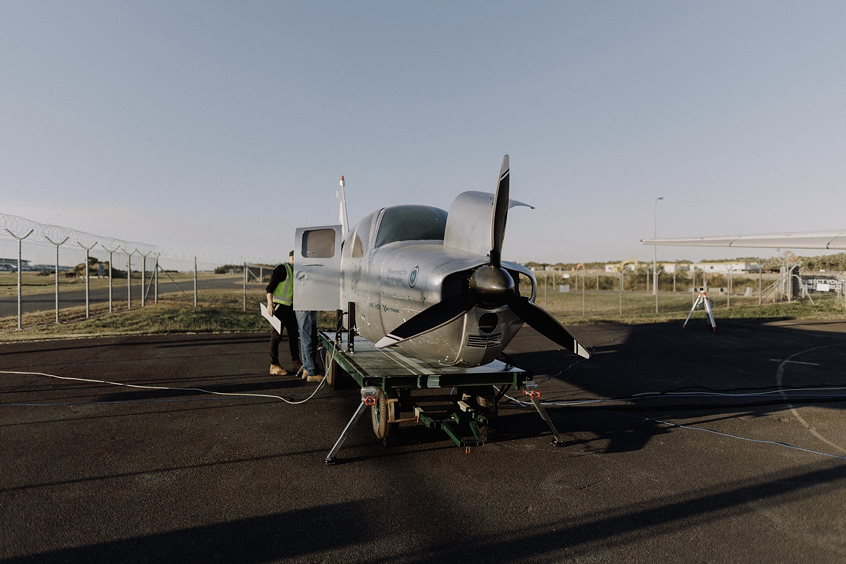
The use of hydrogen in a controlled environment at Brisbane Airport lays the foundation and builds momentum as Stralis Aircraft works towards Australia’s first hydrogen-electric flight next year.
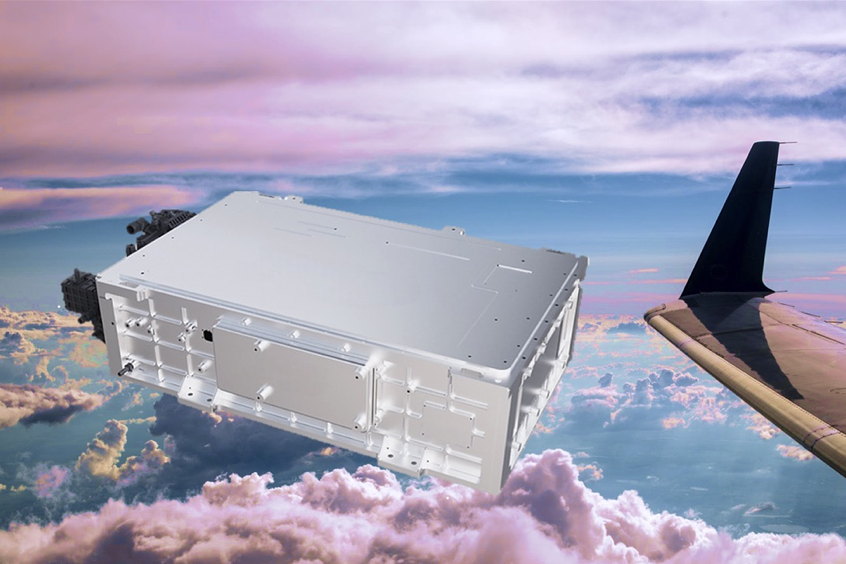
H3 Dynamics is already working with aircraft OEMs including Airbus UpNext, the EU-backed program Hypotrade led by Pipistrel and NLR, Qdot Technology, Sea Cheetah, Lyte Aviation and several others.
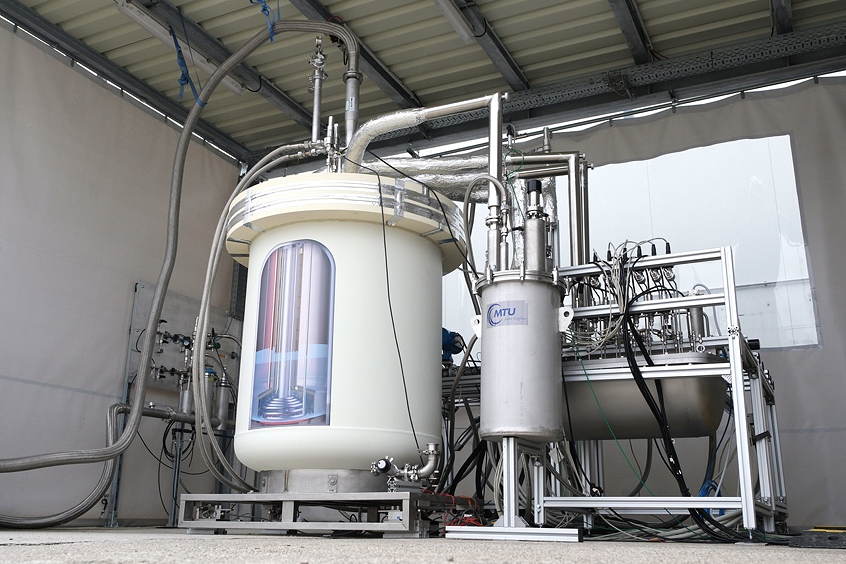
This latest testing was done with liquid hydrogen, which is the actual operating medium for the FFC. Previous testing of the tank used liquid nitrogen, which is easier to handle.
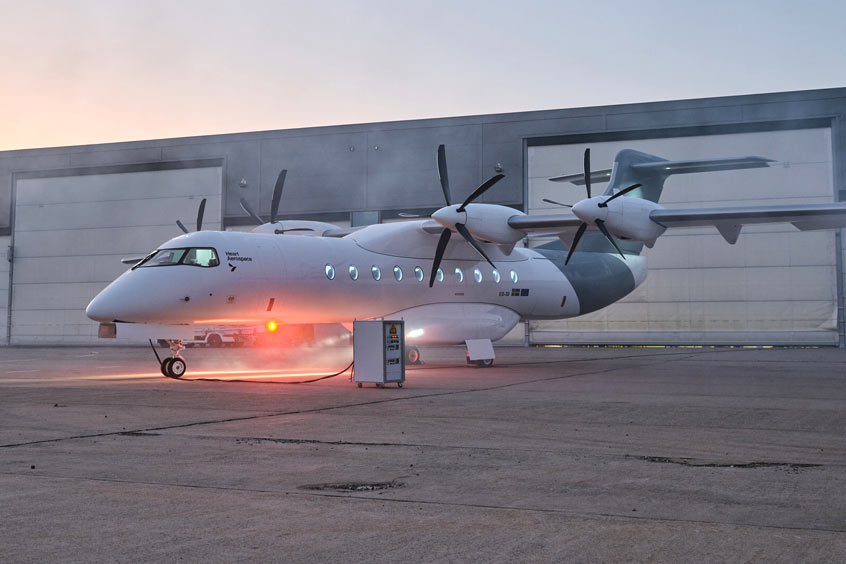
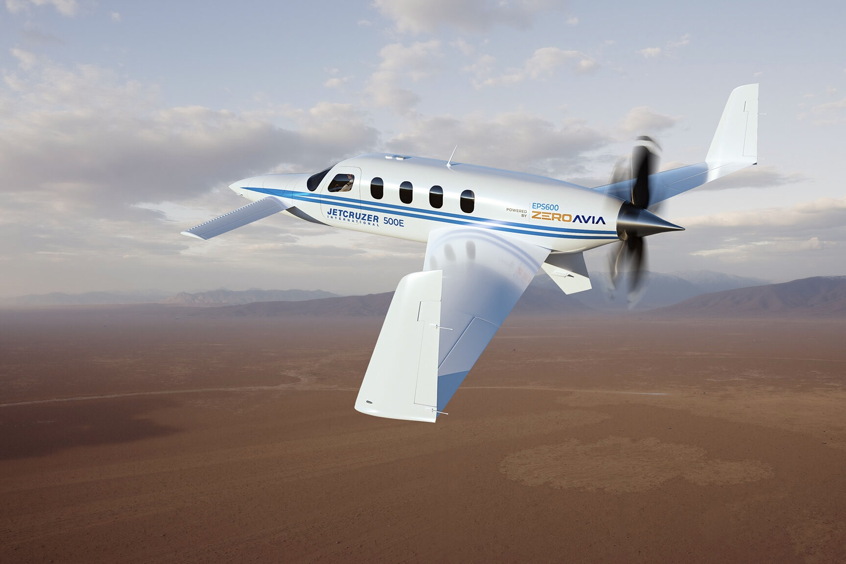
Most aircraft designs locate the nacelle under the wing, but Heart’s are centred on the wing and designed for a vortex generation at a high angle of attack, reducing deterioration in wing performance.
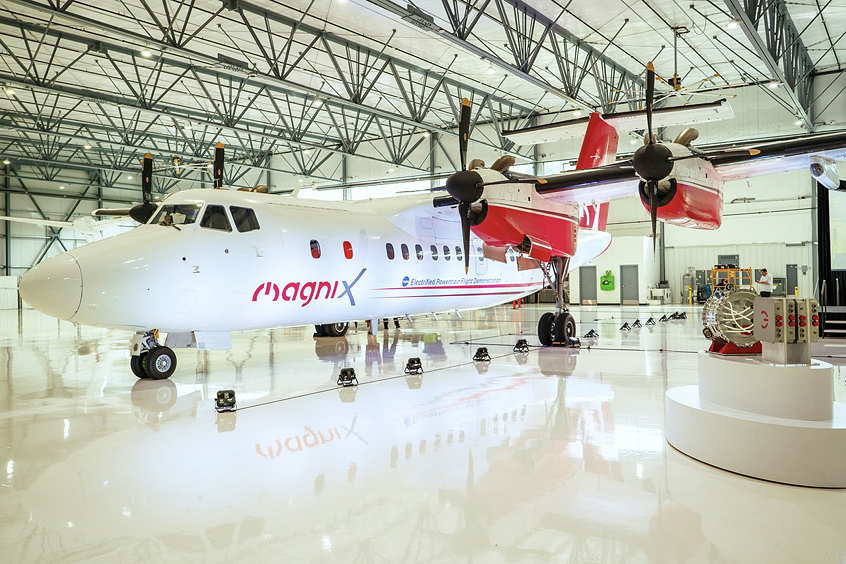
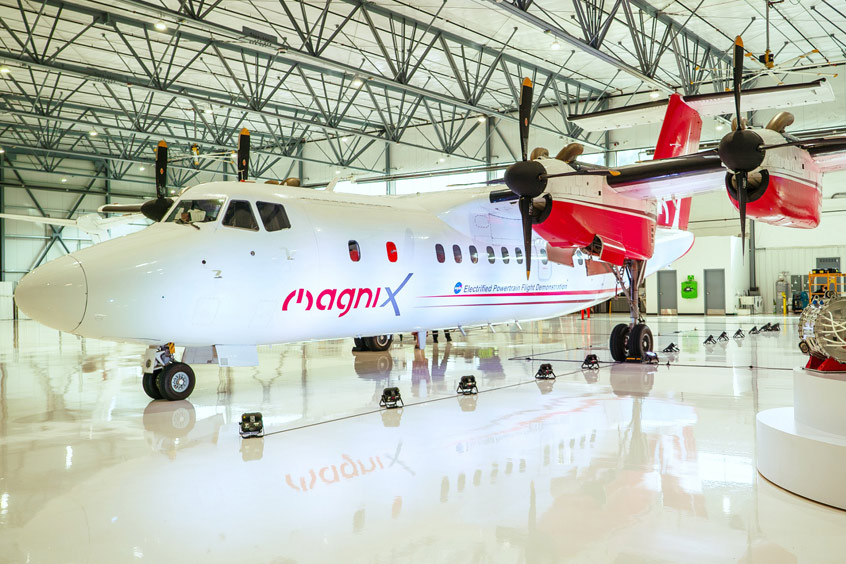
In the next phase of EPFD, one of the aircraft’s four turbine engines will be replaced with a magniX electric powertrain, with test flights planned for 2026. The following stage will see a second engine substituted.

MiddleGround aims to build out production capacity to meet increasing demand, implement procurement best practices, invest in new product development, and expand into new markets within the United States.
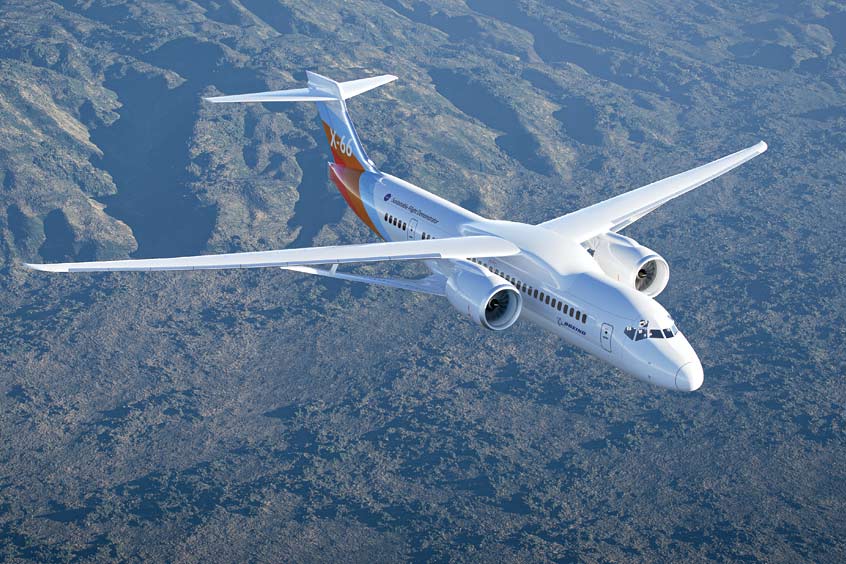
Woodward has begun work with Boeing and plans to produce the actuators by 2026, while Safran is to provide electrical power. Test flights of the Transonic Truss-braced Wing X-66A are scheduled to begin in 2028.
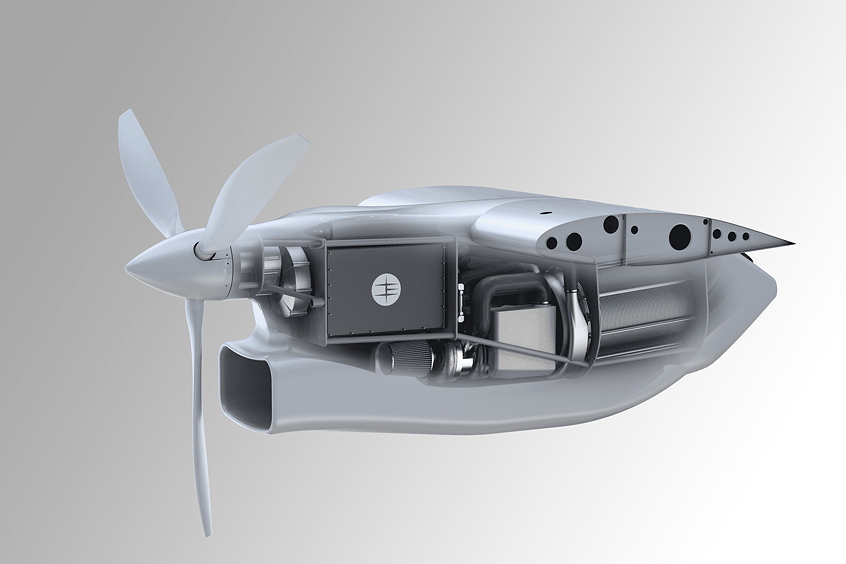
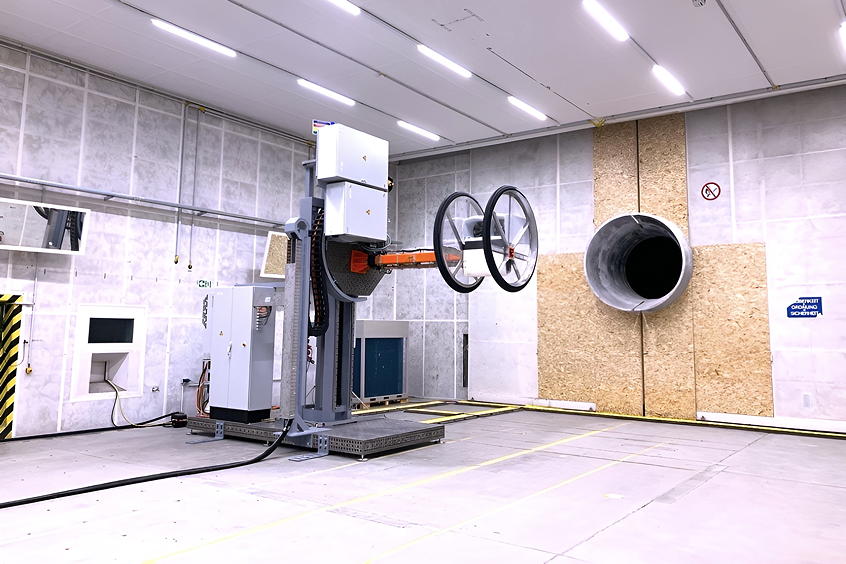
Testing of the propulsion unit, comprising two engines within a propulsion mounting system, was carried out at Lilium’s dedicated propulsion unit test bed, located at Lilium’s headquarters near Munich.
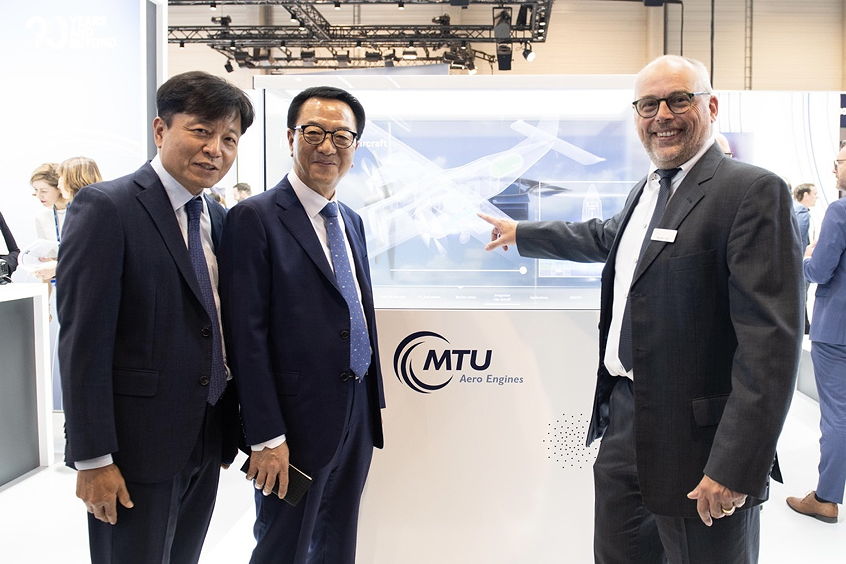
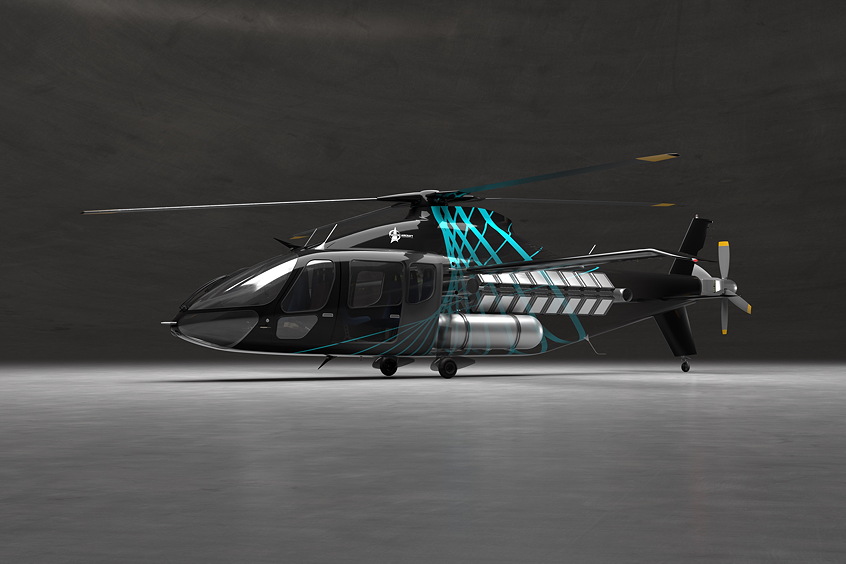
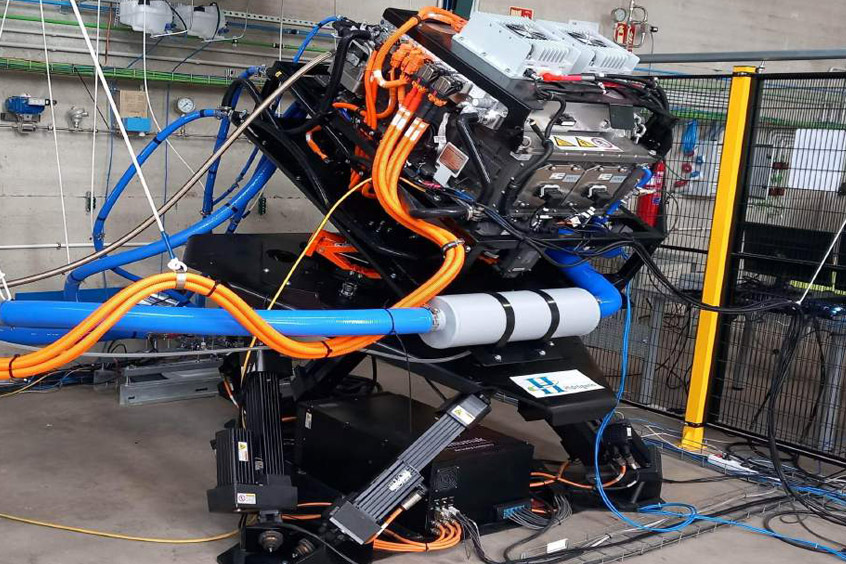
H3 Dynamics is to supply a customised airworthy 500kW hydrogen fuel cell as part of a demonstrator to replace the jet fuel-powered APU on an Airbus aircraft.
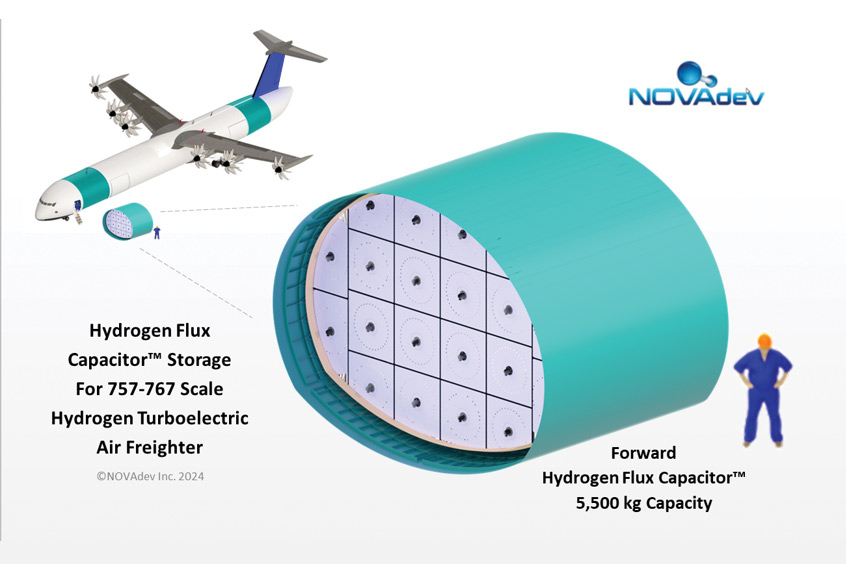
The HFC produces hydrogen gas on demand. It is fuelled with liquid hydrogen which rapidly adsorbs to nano-material filling an insulated container. Gaseous hydrogen is then released by a controlled thermal input system.
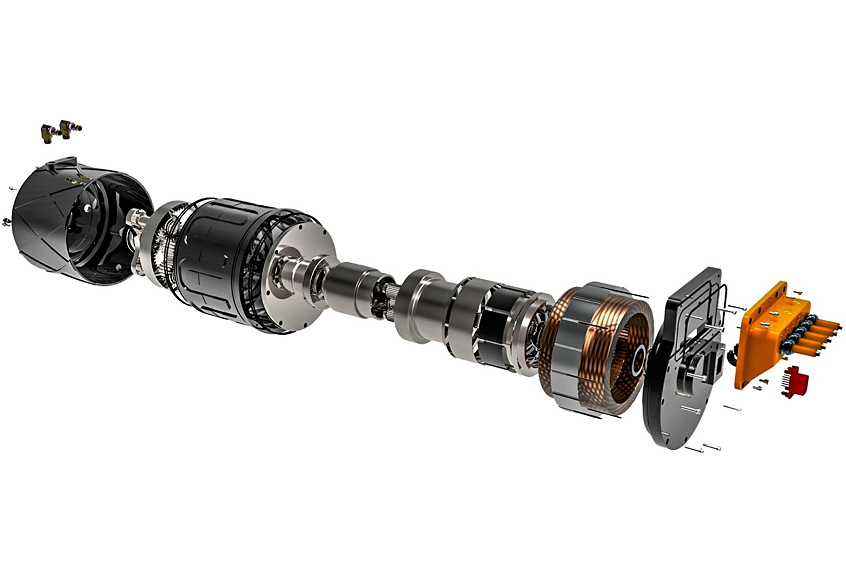
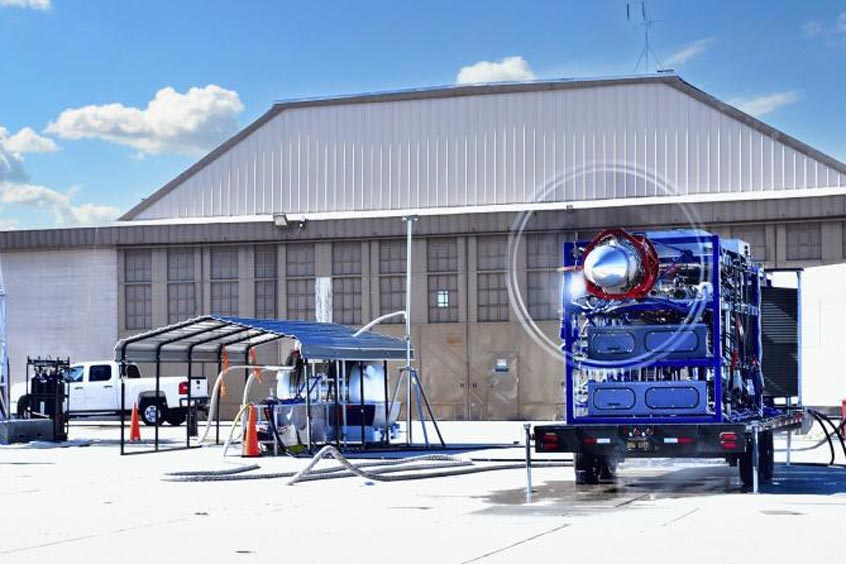
The company's liquid hydrogen module holds fuel to power the iron bird for over three hours at full power, with two such modules sufficient for 500 nautical miles of usable range (on top of reserves) for an ATR72 airliner.