Every Bulletin story and press release covering Embraer E-Jet 170/190 series, newest first.
131 items · page 1 of 3

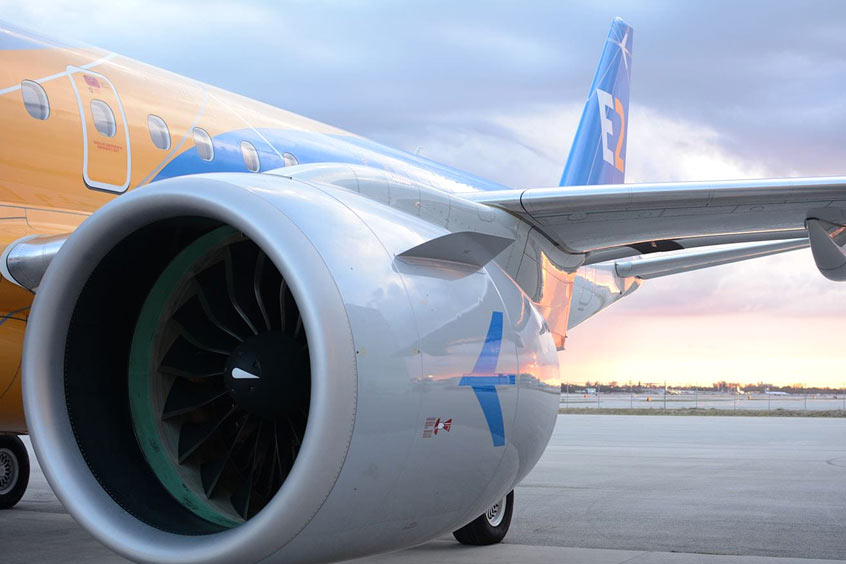
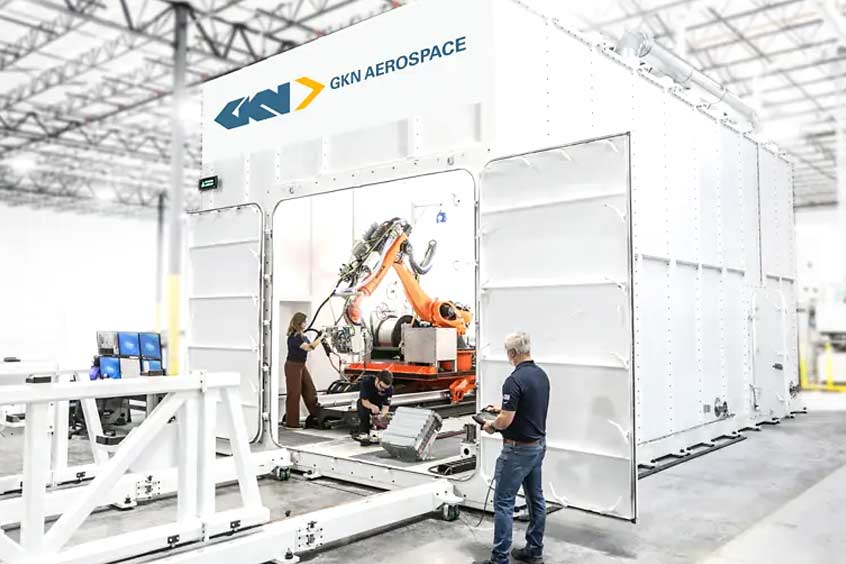
Collaboration with US Air Force labs is set to test whether wire-based additive manufacturing can be used for large structural components.
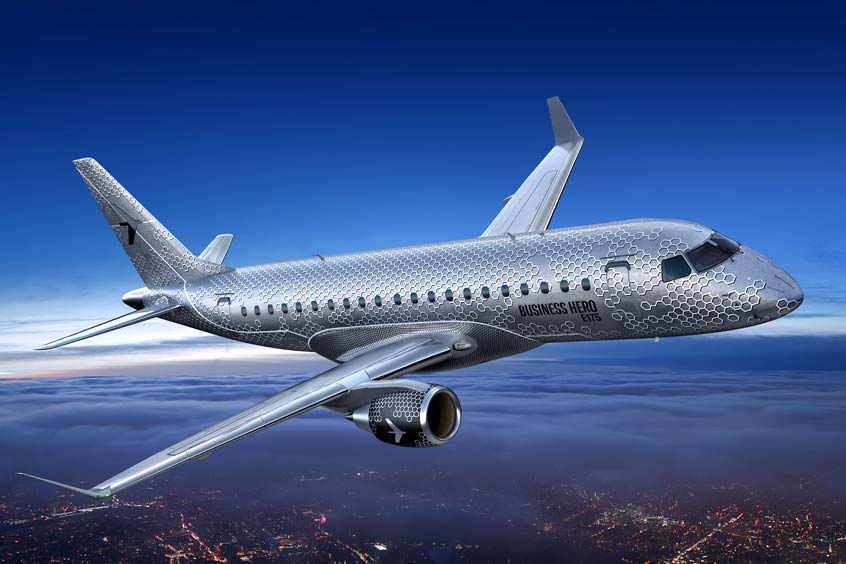
An agreement supports the development of an integrated regional aircraft ecosystem with proposed final assembly capability for the E175.


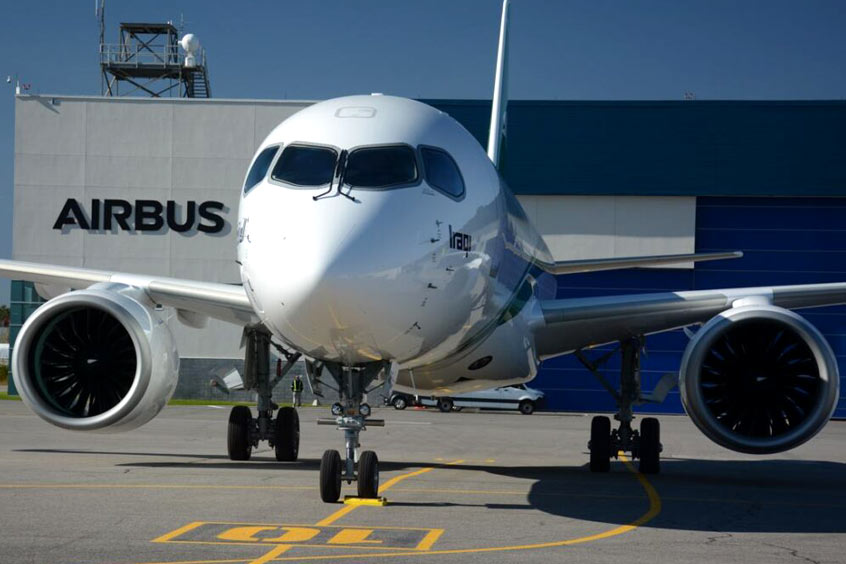
The combustor was built at the company’s Hucknall facility and will support the PW1500G and PW1900G engine families.

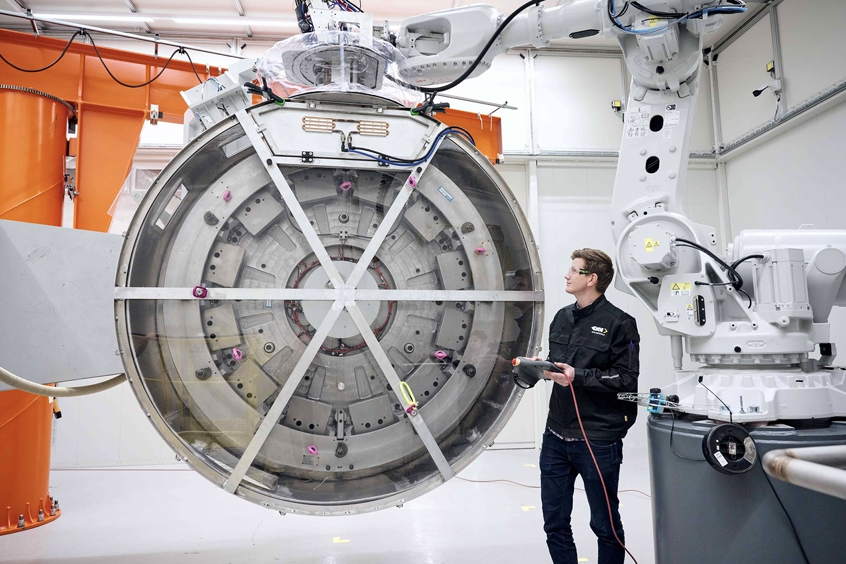

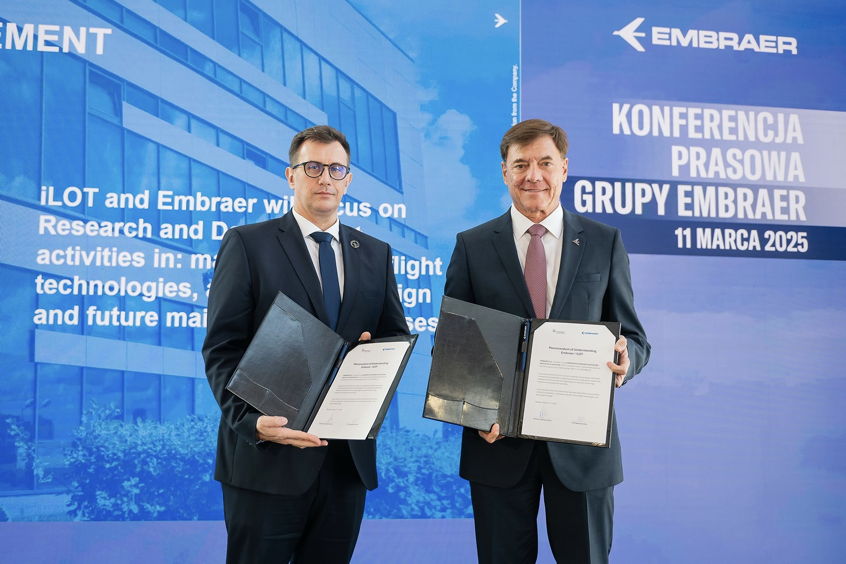
The company sees Poland as a strategic partner for manufacturing, maintenance, research and a potential KC-390 final assembly line.
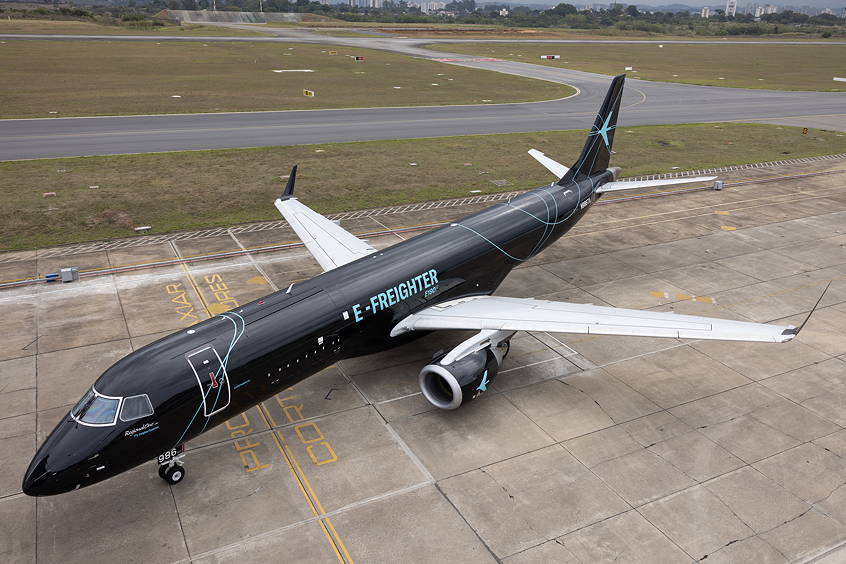
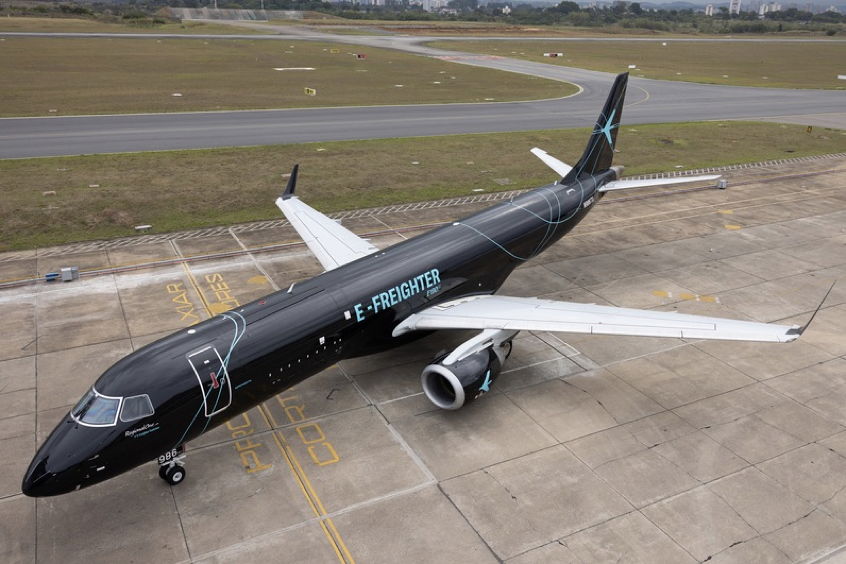
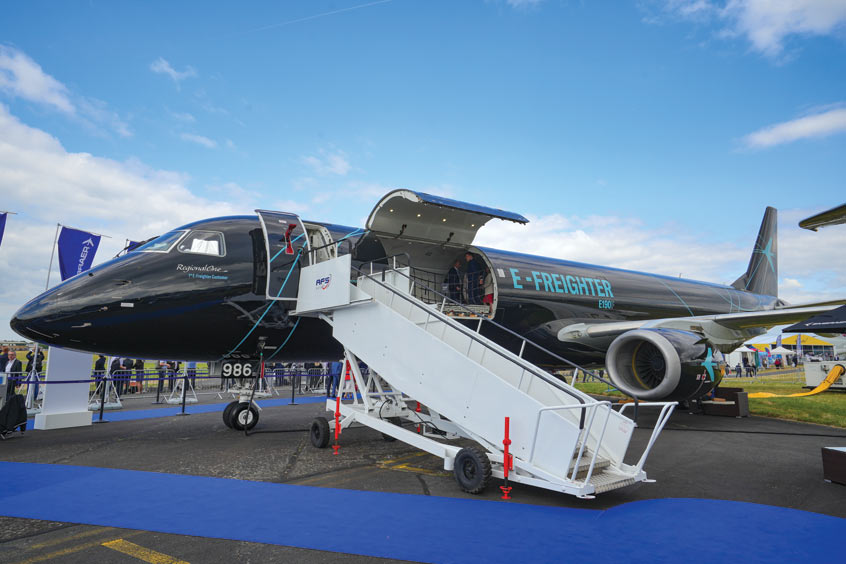
E-Jets converted to freighters will have over 40% more volume capacity, three times the range of large cargo turboprops, and up to 30% lower operating costs than larger narrowbodies.
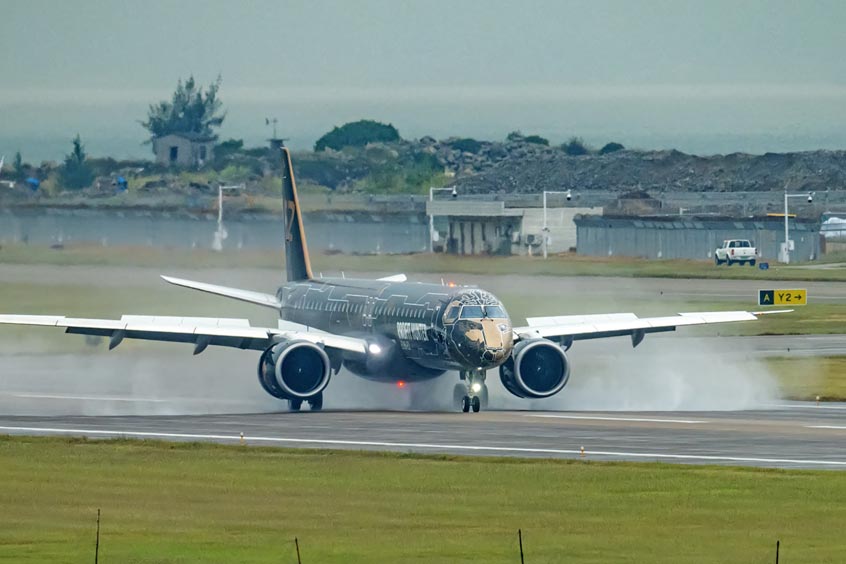
The Brazilian manufacturer sees significant opportunities for the E2 in China, which they believe offers complementary capabilities to China's indigenous ARJ21 and C919 aircraft.
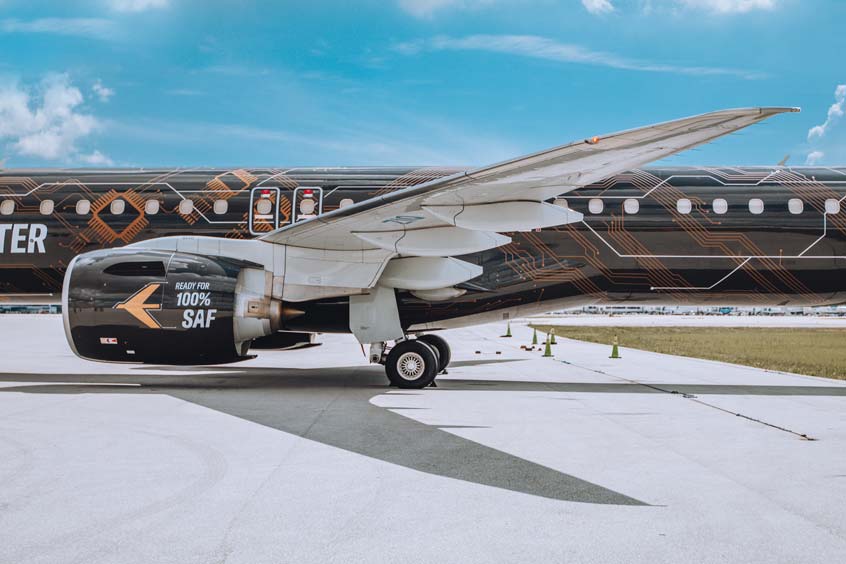
The SAF used was 100% Hydroprocessed Esters and Fatty Acids Synthetic Paraffinic Kerosine (HEFA-SPK) acquired from World Energy. HEFA-SPK is a specific type of hydrotreated renewable feedstock fuel.
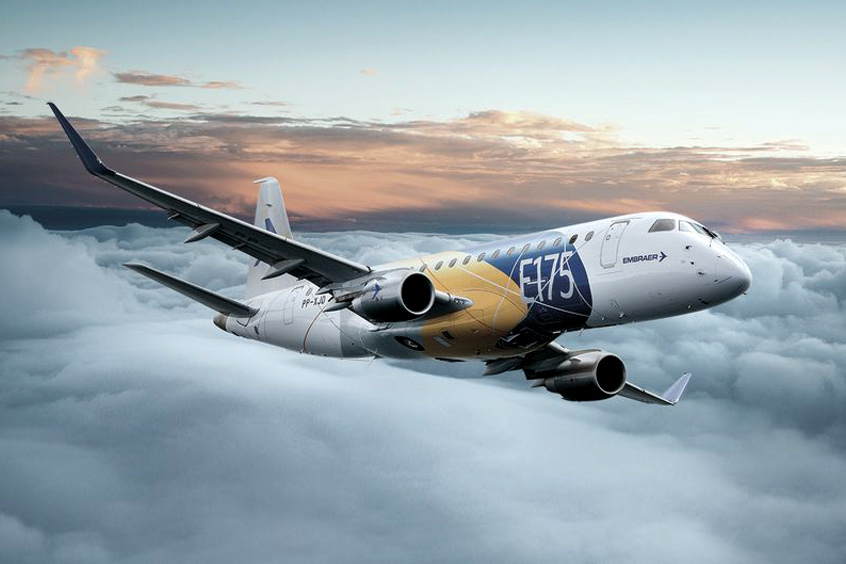
Despite making its first flight in 2019, the E175-E2 will not now enter commercial service until at least 2027. Embraer cites the success of the current E175 as one of the factors in the decision to delay.


Embraer will install the GADSS solution developed by SKYTRAC and ACR Electronics on its E2 jets as a standard fitting. This will automatically provide an aircraft's precise location as soon as a distress signal is detected.
Honeywell's Aircraft Data Gateway enables savings on maintenance costs, enhanced safety and improved fuel efficiency. Embraer's E2 range will now benefit from the technology.