
Aircraft program
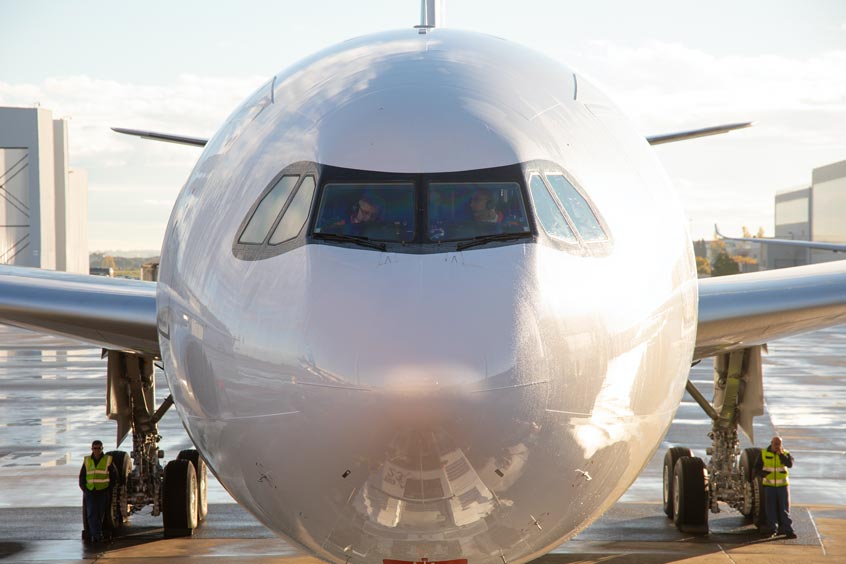
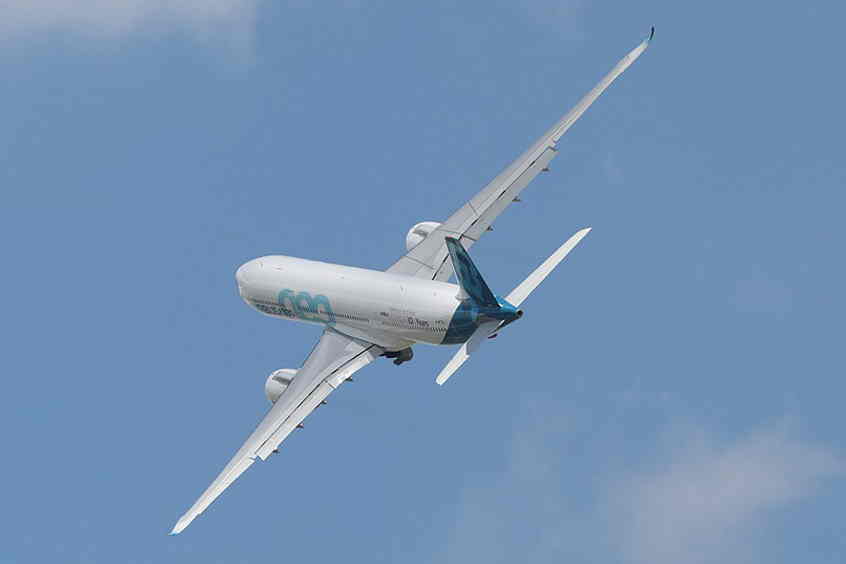
Wide body twin engine airliner.
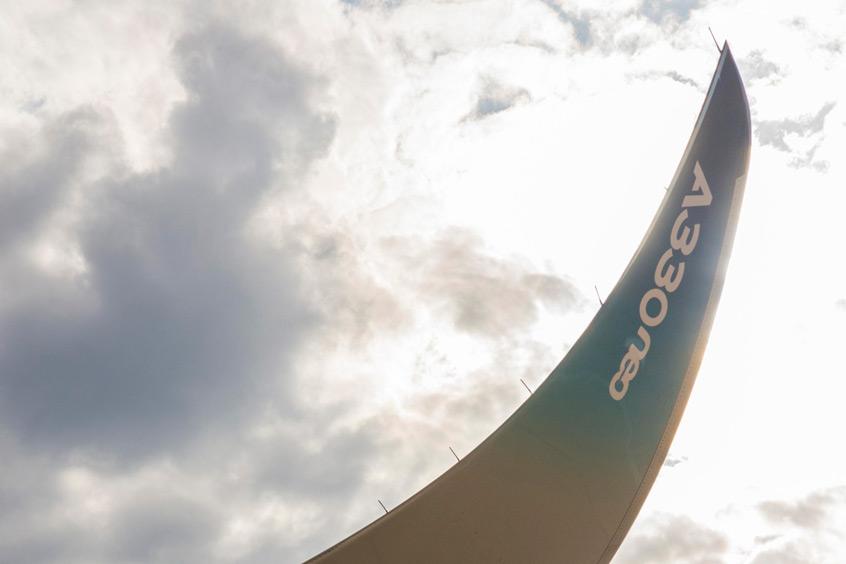
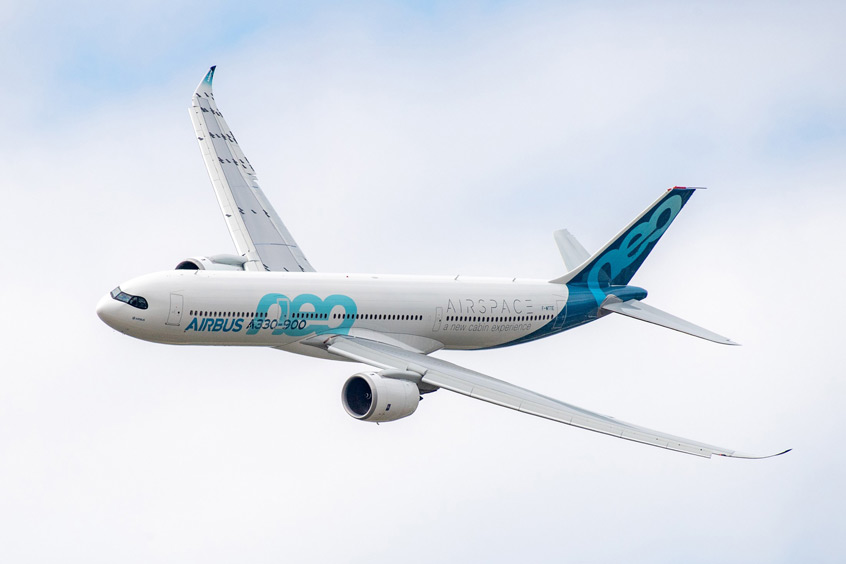
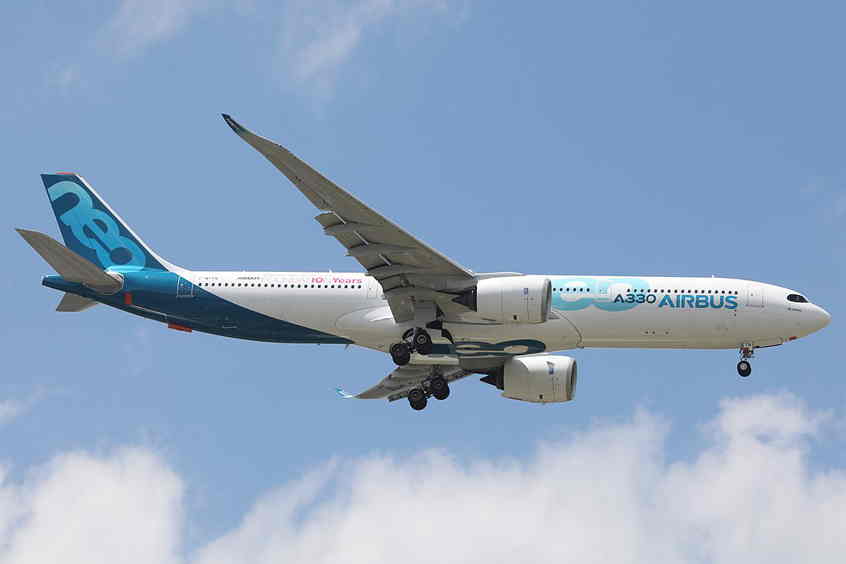
Long, slender wings are approximately 13% composite materials including outer flaps, flap track fairings, ailerons, spoilers, fixed surface panels and winglets; aluminium wing box and rib edges; aluminium alloy fuselage; and steel or titanium slat supports. Choice of 3 engines - General Electric CF6, Pratt & Whitney PW4000, or Rolls-Royce Trent 700, suspended on pylons under wings. Exclusive use of Trent 7000 on A330neo improves fuel efficiency, as well as an extended, 3D-optimised wing with composite wingtip Sharklets, titanium pylons and composite nacelles.
Fly-by-wire digital control system features three primary and two secondary flight control systems, and a flight envelope limit protection system. Flight controls are hydraulically activated and electronically controlled with mechanical back up for the rudder and Trimmable Horizontal Stabilizer.
Two crew in glass cockpit with side stick controls and rudder pedals, face six main displays of a duplicated set of Electronic Flight Instrument Systems (EFIS) including the Electronic Centralised Aircraft Monitor (ECAM), primary flight and navigation displays.
The aircraft as engineered: what it is built from, the systems it flies with, and its configuration — each box a theme.
Notable technologies — each tag names a technology on our research record for this aircraft, with its fitting status: Primary, Standard, Option or Planned.
Technical reference compiled with AI research; a value appears only where two independent research passes and a web fact-check agree. Gaps are deliberate.
Supplier geography and market analysis for this program — with an Analytics subscription.
Subscribe| Variant | Launch / first flight | Production end | Notes |
|---|---|---|---|
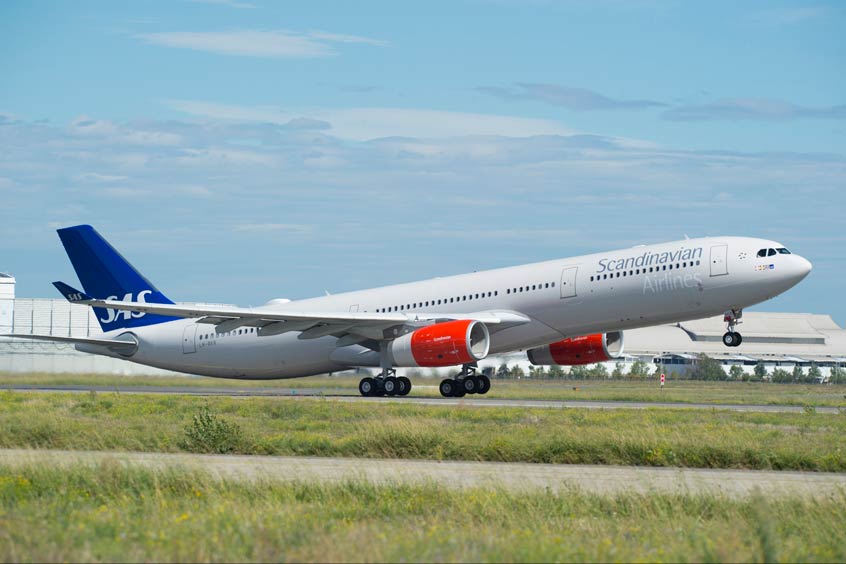
| Airbus A330-300 | 1987 / 1992 | Production: 36 (2025) GAMA: Airbus A330. Original model typically seating 300 passengers, including most recent A330 Regional, typically 400 passengers. | |
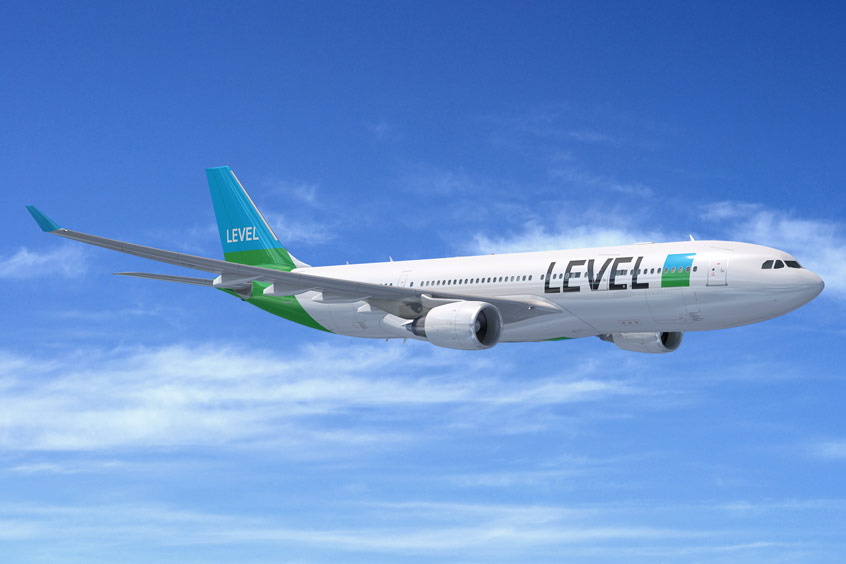
| Airbus A330-200 | 1995 / 1997 | Production: 2 (2025) GAMA: Airbus Corporate Jets ACJ330-200. Shorter variant with extended range, seating 246 passengers. Includes A330-200F freighter and ACJ330 Prestige business jet. | |
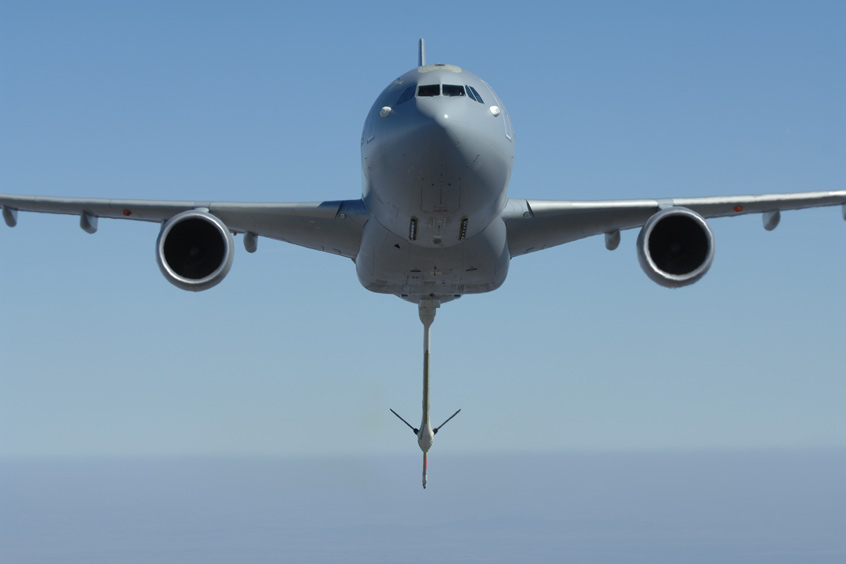
| Airbus A330 MRTT | 2007 / 2010 | Tanker transport military variant. Known as KC-30A in Australia, and Voyager KC2 and KC3 in the U.K. Includes the U.S. Air Force aerial refueler variant, LMXT by Lockheed Martin. | |
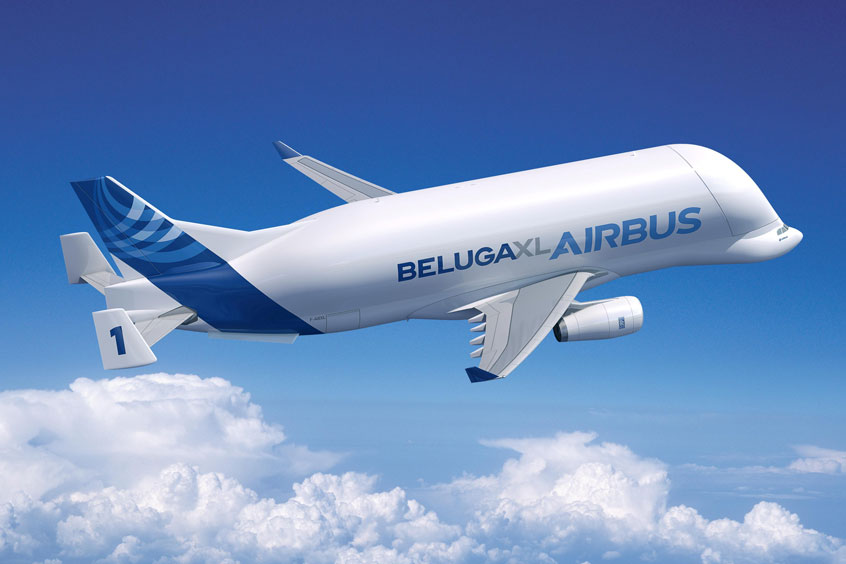
| Airbus A330-743L Beluga XL | 2014 / 2018 | Inflated fuselage variant for transporting A350 sub-assemblies between plants. | |
| Airbus A330-800/900 | 2014 / 2017 | Production: 1 (2025) GAMA: Airbus Corporate Jets ACJ330-800. Two models in the latest A330neo range with strenghtened wing and Sharklets. |
| Airbus S.A.S. | News | |
| Airbus Defence & Space HQ | News | A330 MRTT variant |
| Lockheed Martin Aeronautics Company | News | Prime contractor LMXT variant |
The program’s dated history — milestones, contracts, supplier selections and facilities, each linked to its source. Log in to view.
Information on this page is compiled from a variety of published sources; links do not necessarily imply recommendation or confirmation by the airframe manufacturer.
Corrections go straight to the editorial team that maintains this directory.